Turning your wrist into a mini coaching station is one of the smartest ways to upgrade a home workout. Modern smartwatches and fitness bands can guide intensity, track progress and keep you moving, even without a personal trainer or a full gym setup. By learning how to use features like heart rate zones, activity alerts and custom intervals, you can transform basic living-room sessions into structured, progressive training plans.
Table of contents
Turn your device into a heart rate coach
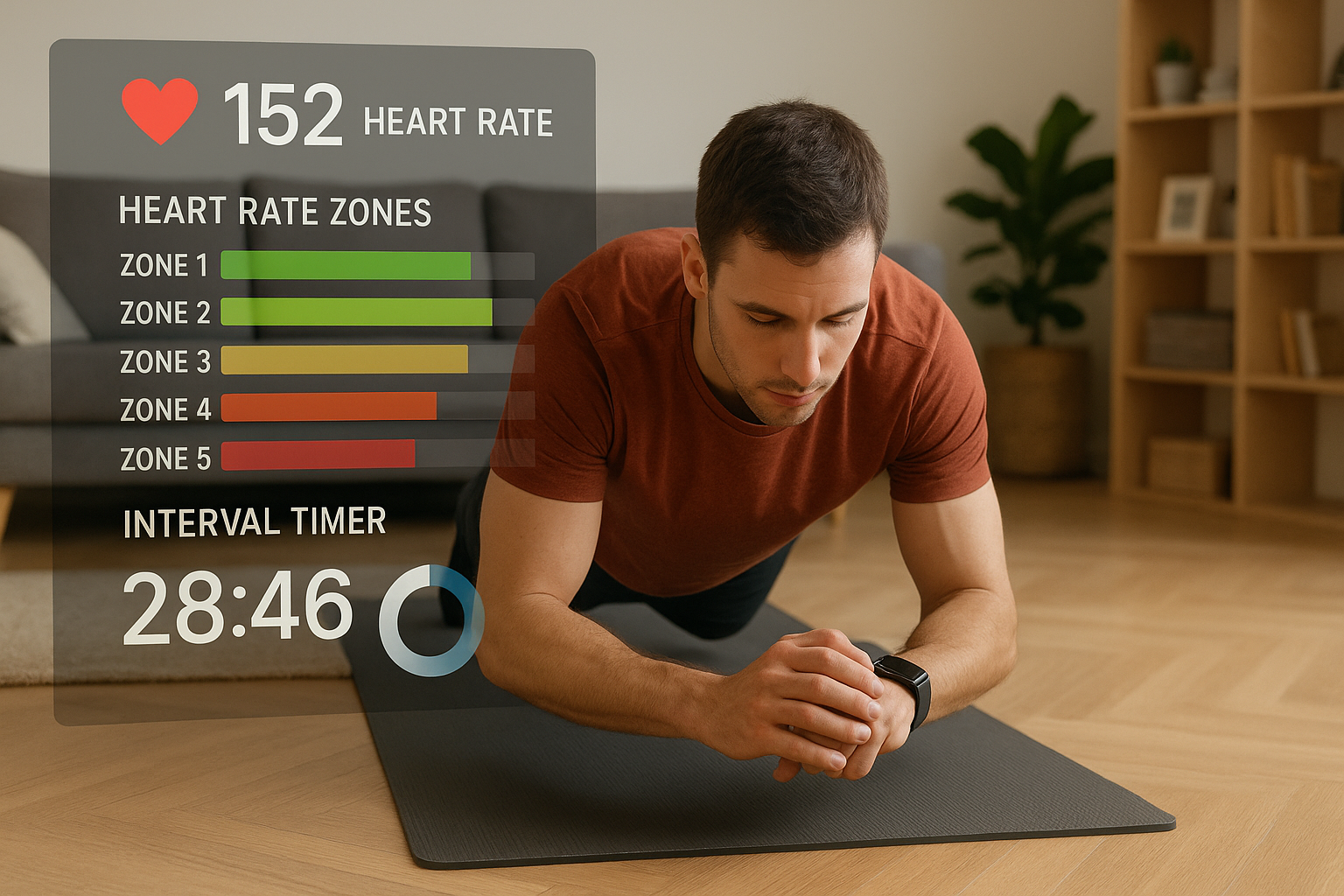
The most powerful feature on any smartwatch or fitness band is its heart rate monitor. Instead of just glancing at calories, base your home workouts on clear heart rate zones. Warm ups can sit in light, conversational zones, then you can push into moderate or vigorous zones for work sets, before easing back for recovery. This simple structure makes short bodyweight circuits, stationary bike rides or treadmill sessions much more effective. Most devices allow you to set alerts when you drift above or below a chosen zone, so the watch vibrates and gently nudges you back to the right intensity. Over time, you will learn what different zones feel like, making it easier to train by feel even when you are not looking at the screen.
Use activity alerts to fight home workout laziness
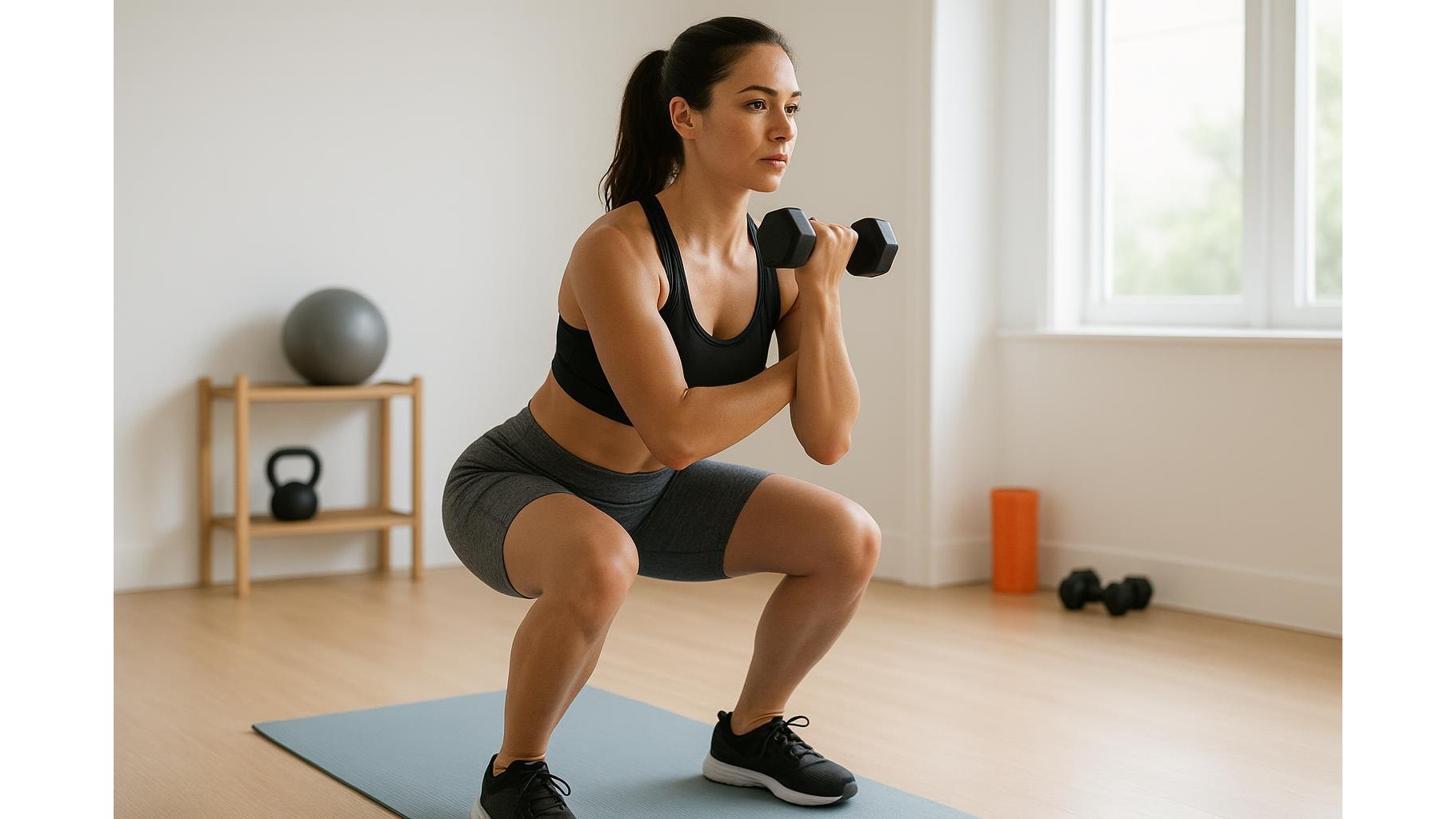
Training at home makes it dangerously easy to skip sessions or cut them short. Built-in activity alerts and move reminders on your smartwatch or fitness band act as a digital accountability partner. Set hourly movement goals so your device prompts you to stand up, stretch or perform a quick set of squats or push ups. You can also schedule dedicated workout reminders at your preferred times, such as early morning or after work, and pair them with specific apps like yoga, strength or HIIT. Over a week these small nudges stack up, helping you hit step counts, reduce sitting time and keep your home fitness routine consistent even on busy days.
Build custom intervals for structured home HIIT
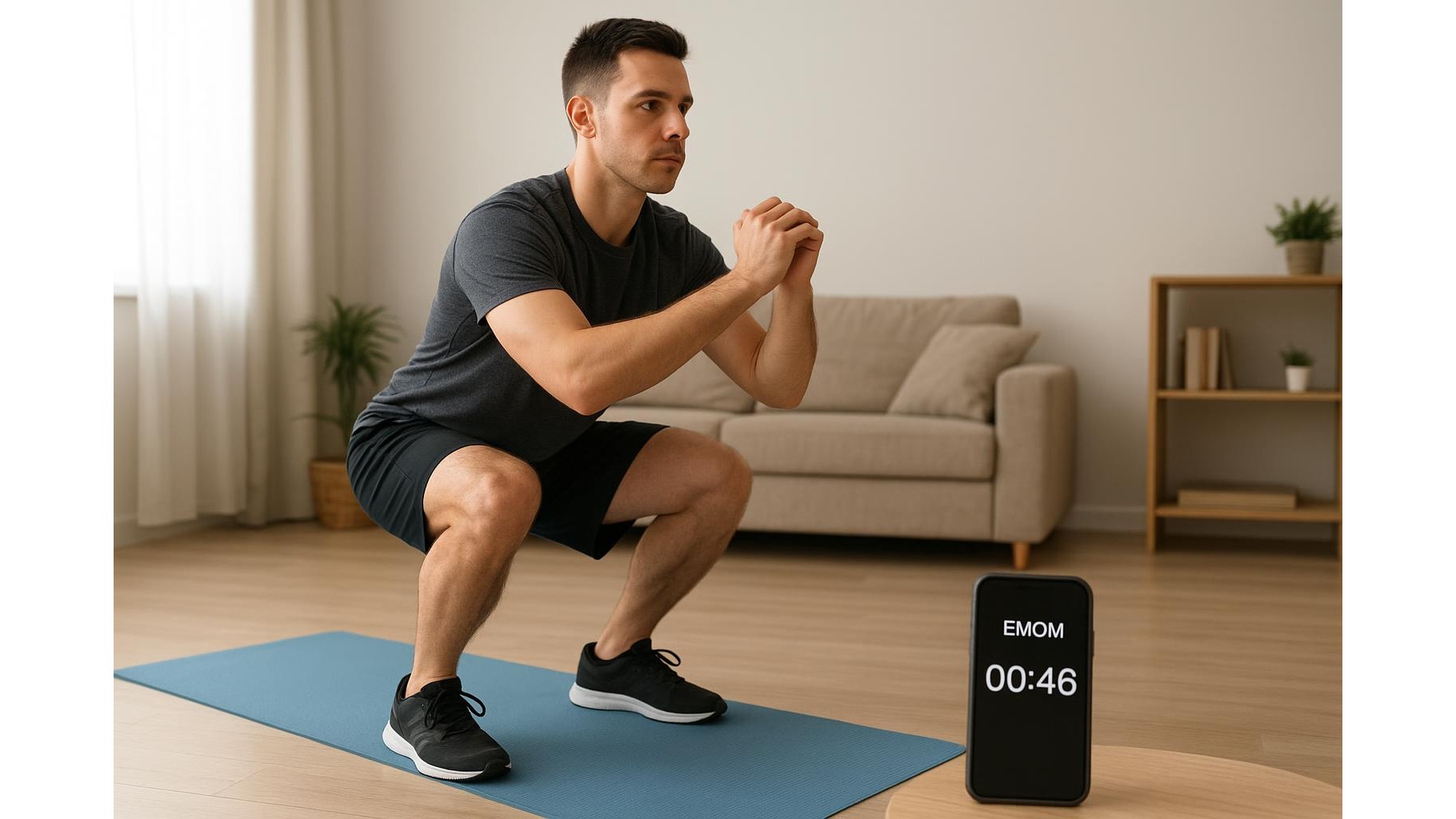
Many watches and bands now offer custom interval modes that are perfect for home HIIT workouts. Instead of watching a clock or counting in your head, you can program work and rest phases directly into the device. For example, you might set 40 seconds of effort with 20 seconds of recovery for eight rounds of bodyweight exercises, or alternate fast and slow bursts on an indoor bike. The watch will vibrate or beep to signal each change, letting you focus on form and breathing. You can also save different interval templates for strength, cardio and core days, building a library of reliable home routines that you can start with a single tap on your wrist.
Track metrics that matter for progress
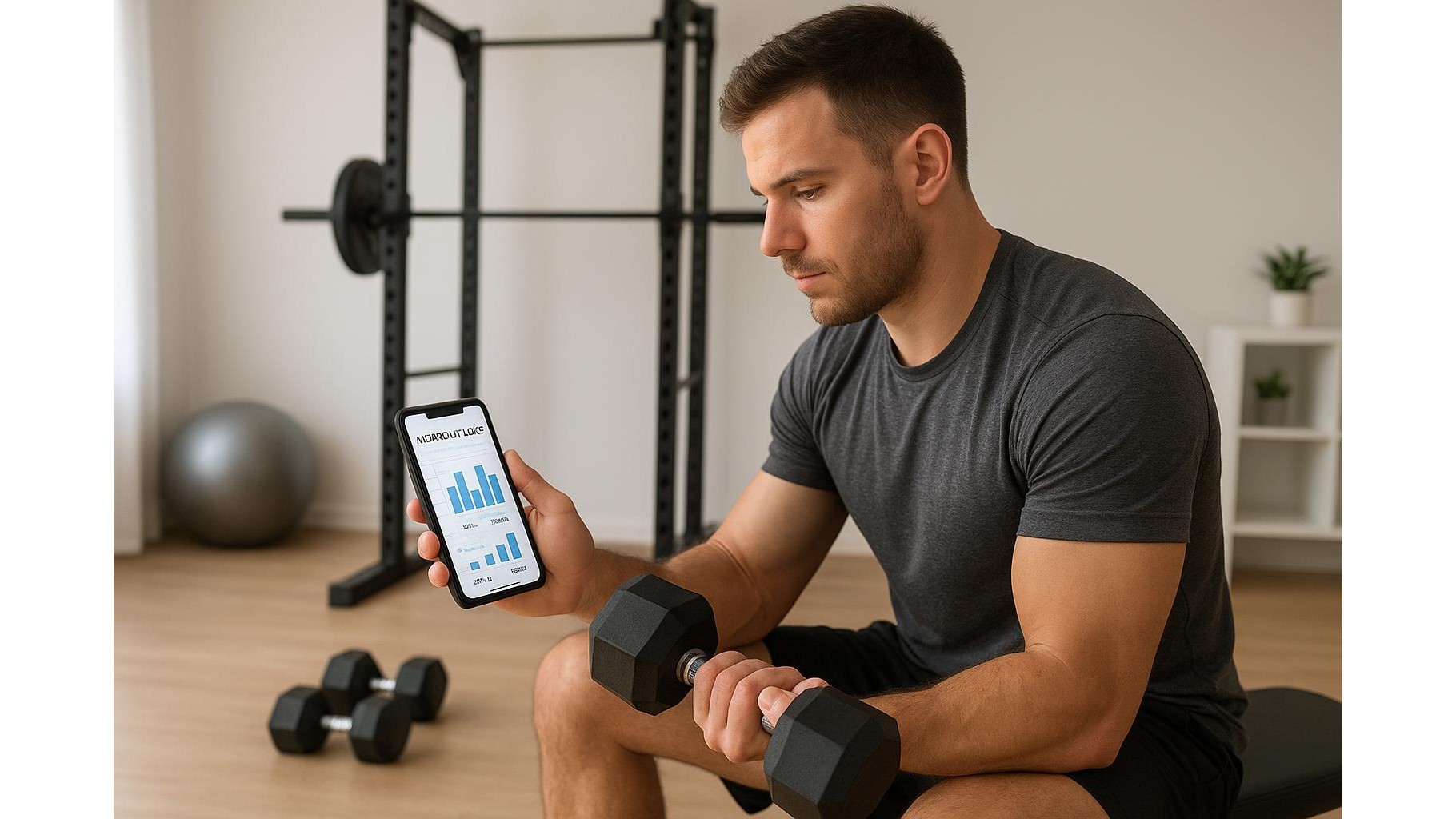
To make your home training smarter, focus on a few key fitness metrics rather than every number on the screen. Average heart rate, time in target zones, total active minutes and weekly frequency are more useful than raw calorie estimates. Over several weeks, try to gradually increase either how many minutes you spend in moderate or vigorous zones or how often you complete structured sessions. Use your smartwatch or band to compare similar workouts and note improvements in pace, number of reps, or reduced perceived effort at the same heart rate. This data-driven approach helps you adjust training volume, prevent plateaus and avoid the common trap of repeating the same easy routine forever.
Combine guided workouts with everyday activity
The real strength of wearable fitness trackers is how well they link focused home workouts with everyday movement. Many devices offer guided sessions, step tracking, sleep monitoring and stress indicators in one place. Use step goals to stay active between formal workouts, and check sleep metrics to ensure you are recovering from tougher training days. Resting heart rate trends can reveal when you need lighter sessions or additional rest. By looking at your day as a whole, not just the 30 minutes on a mat or bike, your smartwatch or fitness band becomes a complete lifestyle coach, helping you fine tune both effort and recovery without guesswork.
With a bit of setup, your smartwatch or fitness band can evolve from a simple step counter into a genuine home training coach. Use heart rate zones to structure intensity, activity alerts to stay consistent and custom intervals to give shape to your HIIT sessions. Track the metrics that truly reflect progress and use them to balance work and recovery. Over time, this wrist-based guidance will make your home workouts more efficient, more engaging and far more aligned with your long-term health and fitness goals.