Smart scales and body composition apps can be powerful tools in a home gym, but if you focus only on weight or body fat percentage, they can quickly become a source of stress. Used wisely, though, they help you understand long‑term trends, support healthier habits and keep your training on track without turning every weigh‑in into a judgment day.
Table of contents
Choose the right smart scale for stress‑free tracking
Start by picking a smart scale that suits how you want to track progress, not one with the longest feature list. Look for clear displays, stable readings and easy syncing with your preferred fitness app (Apple Health, Google Fit, Fitbit, etc.). It’s more important that the scale is consistent than perfectly accurate: for home athletes, seeing whether your numbers move up or down over time matters more than the exact percentage. Avoid overpaying for exotic metrics you won’t use. If a model offers separate profiles for multiple users, that’s helpful for families and reduces login friction, which in turn lowers the chance of obsessive re‑checking throughout the day.
Configure apps so the numbers work for you
Once your scale is set up, take a few minutes to configure your body composition app so it supports your goals calmly. Disable unnecessary push notifications about every minor weight change and keep only meaningful alerts, such as weekly summaries. Turn on automatic syncing with your training or nutrition apps so all data lives in one place and you don’t keep re‑opening the scale app to check. Create a realistic profile with your age, height and activity level, and choose a primary goal (for example “build strength” or “improve health markers”) instead of only “lose weight”. This framing nudges you to see the numbers as feedback, not a verdict on your self‑worth.
Build a low‑stress weighing routine
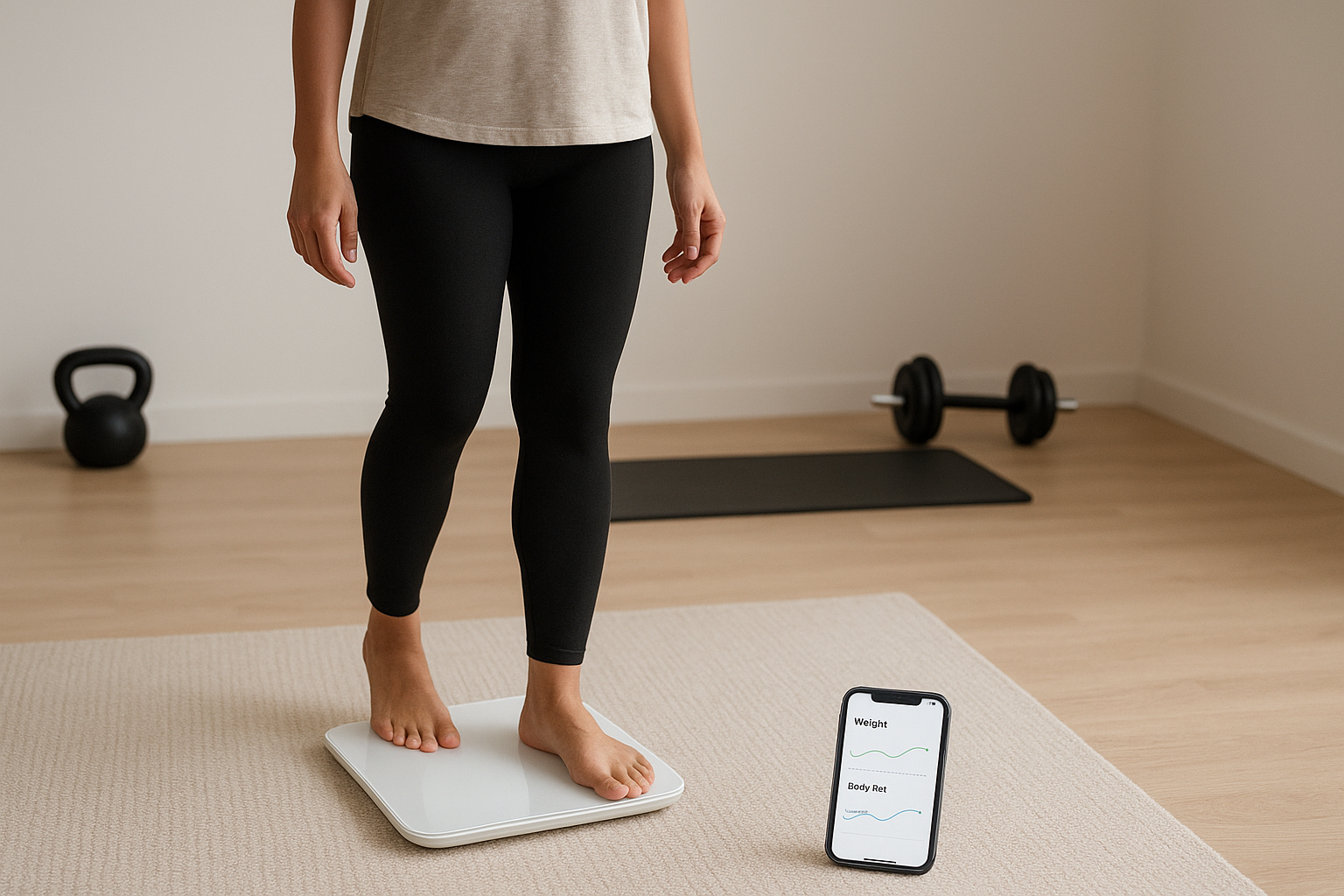
The best way to avoid obsessing is to turn weigh‑ins into a neutral routine rather than an emotional event. Weigh yourself at the same time of day, ideally in the morning after using the bathroom and before breakfast, and no more than once a day. Many home athletes do well with two to four measurements per week instead of daily tracking. Step on the scale, let it sync, and step off without analysing the number on the spot; review the data only during a scheduled weekly check‑in. Consistent conditions reduce confusing fluctuations caused by water, food, or training, and a fixed schedule breaks the cycle of “scale checking” every time you walk past the bathroom.
Focus on trends, not single readings
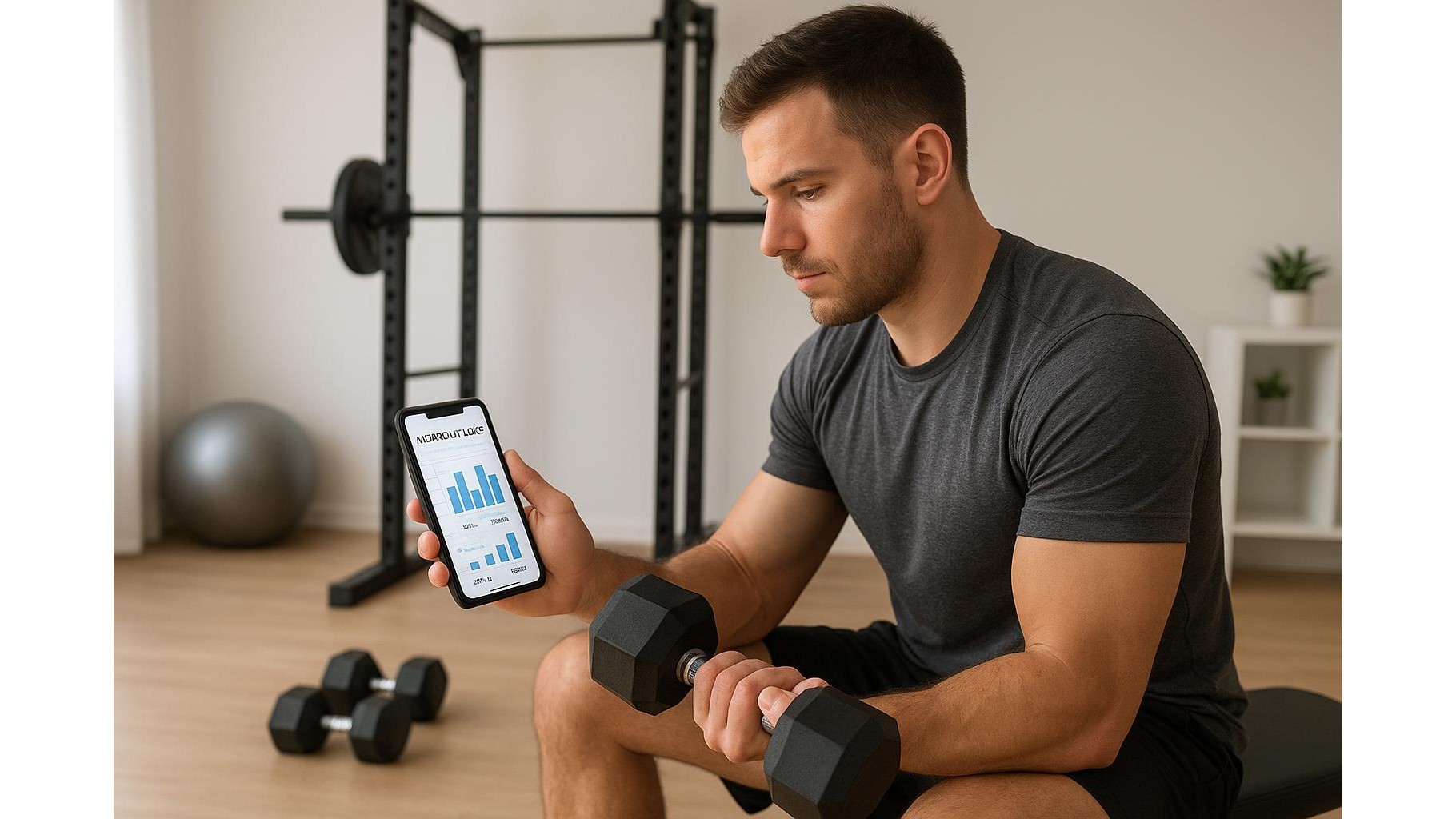
Smart scales measure weight, estimated body fat percentage, muscle mass and more, but these values jump around from day to day. Use your app’s trend lines and weekly averages instead of reacting to a single data point. A short‑term increase doesn’t mean you gained fat; it may just be water retention from a hard workout or a salty meal. Look at four‑week patterns: is your weight slowly drifting down while your training volume goes up? Is your body fat trendline stable while your strength is improving? Those are signs of progress, even if the raw numbers wobble. Pair digital metrics with other indicators such as progress photos, how your clothes fit and your energy levels for a fuller picture of your fitness.
Use the data to guide training, not your mood
The real value of smart scale data lies in adjusting your home workouts and habits, not in judging yourself. If you notice a plateau over several weeks, you can tweak calorie intake, increase step count or add a strength session, then watch how the trend responds. Treat the app like a training log: note sleep quality, tough workouts or periods of high stress that might explain bumps in the graph. If you catch yourself feeling anxious before every weigh‑in, set a rule to review numbers only once per week and focus daily on process goals such as “complete my workout plan” or “hit my protein target”. This keeps the scale in its place—as one tool among many—while your mood is driven by actions you can control.
Set healthy expectations and know when to step away
Even the best body composition scale can’t capture everything that matters, such as mental wellbeing, recovery or enjoyment of training. Set realistic expectations: fat loss and muscle gain are slow processes, and it’s normal to see weeks with little visible movement on the charts. If you feel your relationship with the numbers is becoming unhealthy—skipping meals to “fix” the next weigh‑in, or weighing yourself multiple times per day—take a break from tracking and focus on performance metrics like strength, mobility and endurance instead. Used with clear boundaries and a focus on long‑term trends, smart scales and apps can support a calmer, more informed approach to your home fitness journey.
In summary, smart scales and body composition apps are most effective when you choose a simple, reliable device, configure the software to reduce noise, build a consistent low‑stress weighing routine and concentrate on trends that guide your training. When you treat the numbers as neutral feedback instead of a judgment, they become a quiet ally in your home gym rather than a daily source of pressure.