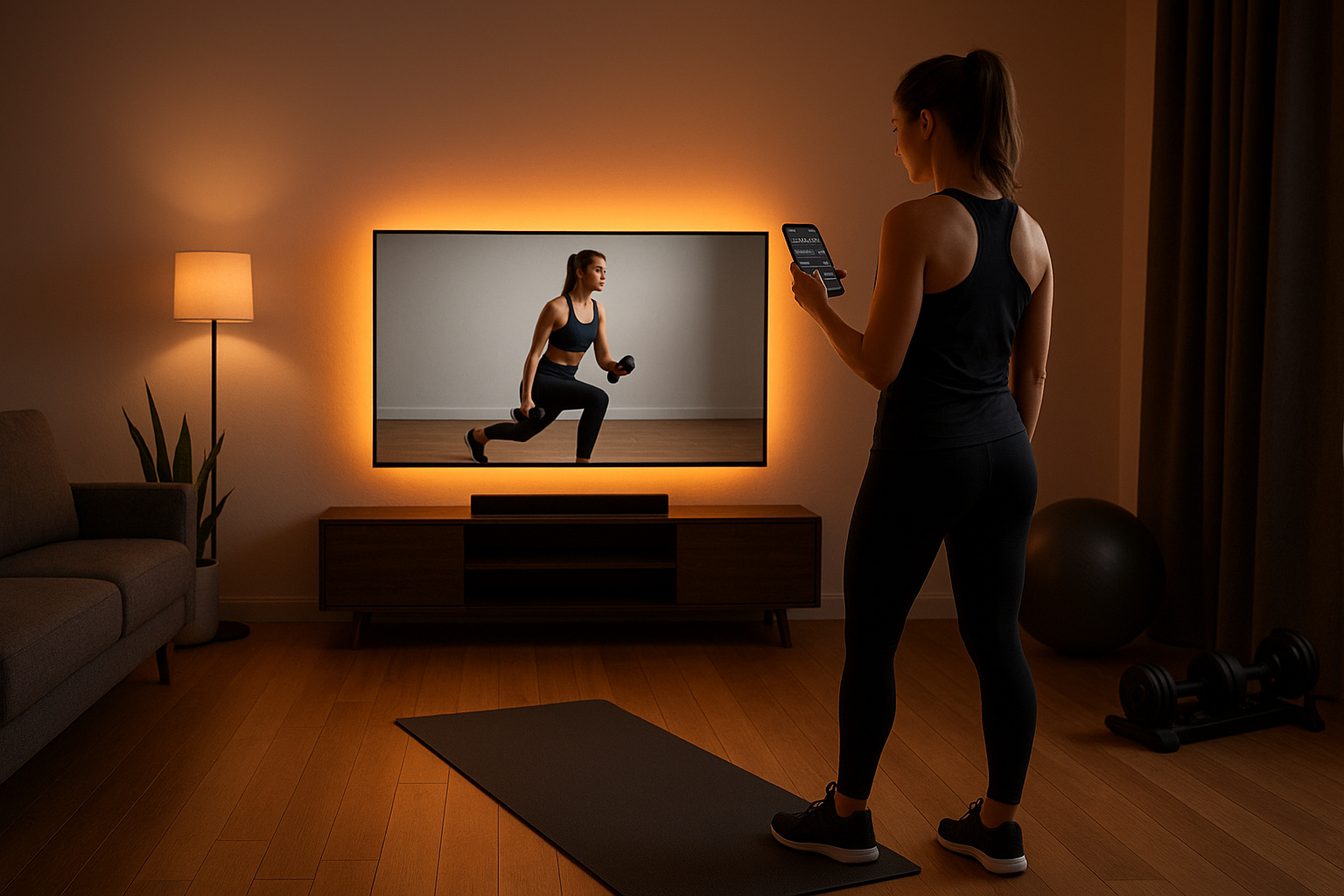
Building a consistent home workout habit is much easier when your space is ready before you are. By combining smart bulbs, timers and smartphone widgets, you can create a living-room training environment that lights up automatically, cuts distractions, and guides you straight into your session with minimal friction.
Table of contents
Design your smart workout lighting scenes
Start by turning your main light source into a smart bulb so you can create different scenes for warm-ups, strength sessions and cooldowns. For example, a bright, cool-white scene can signal “time to train”, while a softer, warm scene can mark stretching or recovery. Most modern smart bulbs integrate with Alexa and Google Assistant, so you can trigger them with voice commands like “start workout mode” or via routines inside the app. Place one bulb in your main ceiling fixture and another in a floor lamp near your workout area to layer the light and avoid harsh shadows when you are following exercise videos or checking your form.
Use smart plugs and timers to prep your gear automatically
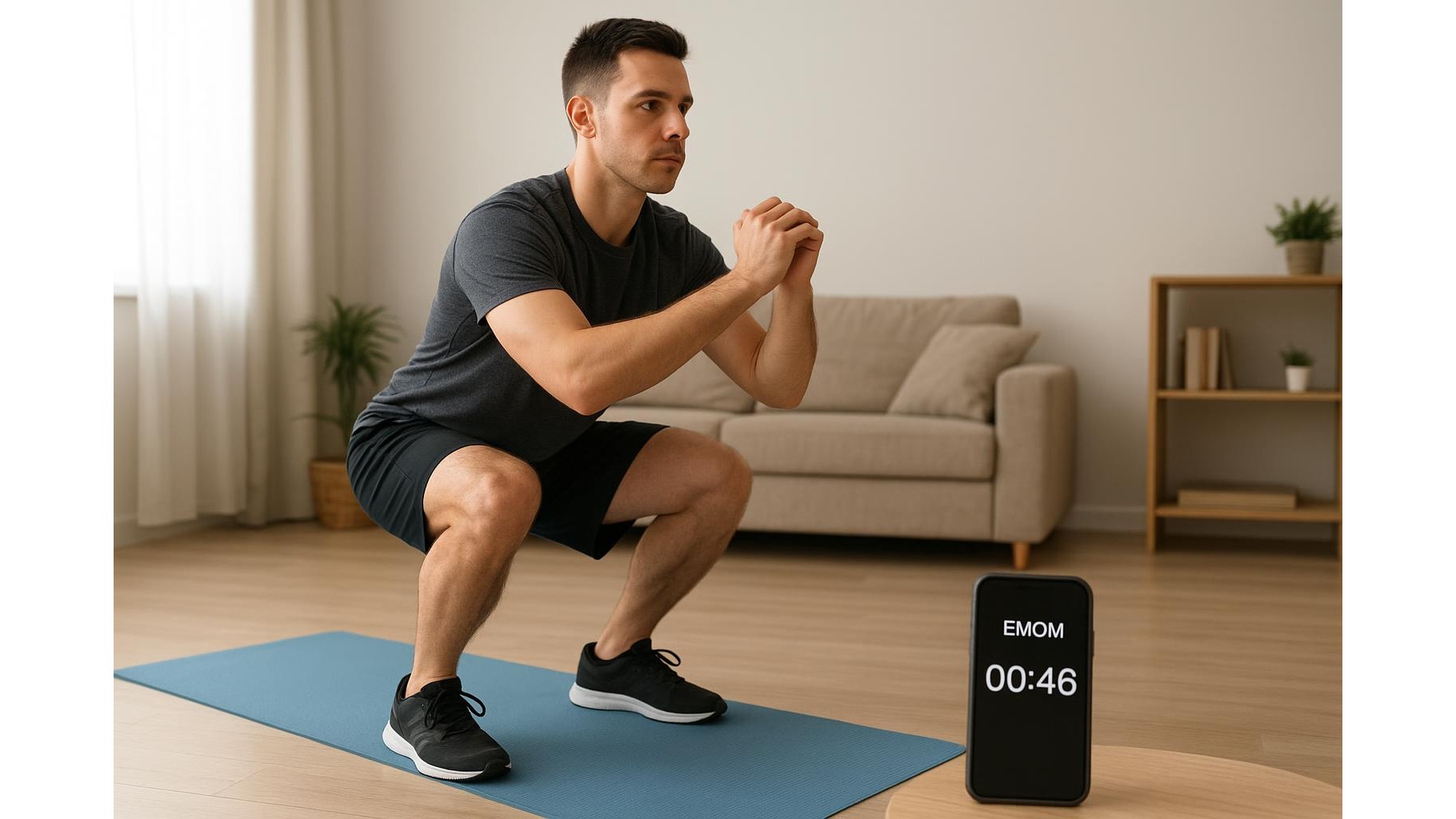
Smart plugs turn any standard device into a controllable, schedulable tool for your home gym. Plug small equipment like a fan, space heater, or even your TV/monitor into a smart plug and set timers so everything switches on five minutes before your planned session. This way, your room is already ventilated and your display is awake when you step onto the mat. You can also use timers to power down distractions: schedule your TV or games console to turn off at your usual workout time to create a clear behavioural cue that it is time to train instead of scroll. Many smart plugs show energy usage too, so you can keep an eye on how much power your gym setup really consumes.
Create focus-friendly scenes with light strips and zones
Adding a smart light strip or accent lights behind your TV, under shelves, or along the baseboard turns your workout zone into a visually distinct area. Program a specific colour, such as blue or green, for high-focus strength training, and another colour like purple for yoga or mobility sessions. Zoning your living room with different lights helps your brain associate that particular visual cue with exercise, reinforcing your routine. Some light strips can sync to music or tempo; used wisely, this can add energy to cardio sessions without becoming a distraction. Keep the rest of the room slightly dimmer so your training zone feels like a small, intentional studio inside your home.
Automate your routine with smartphone widgets and shortcuts
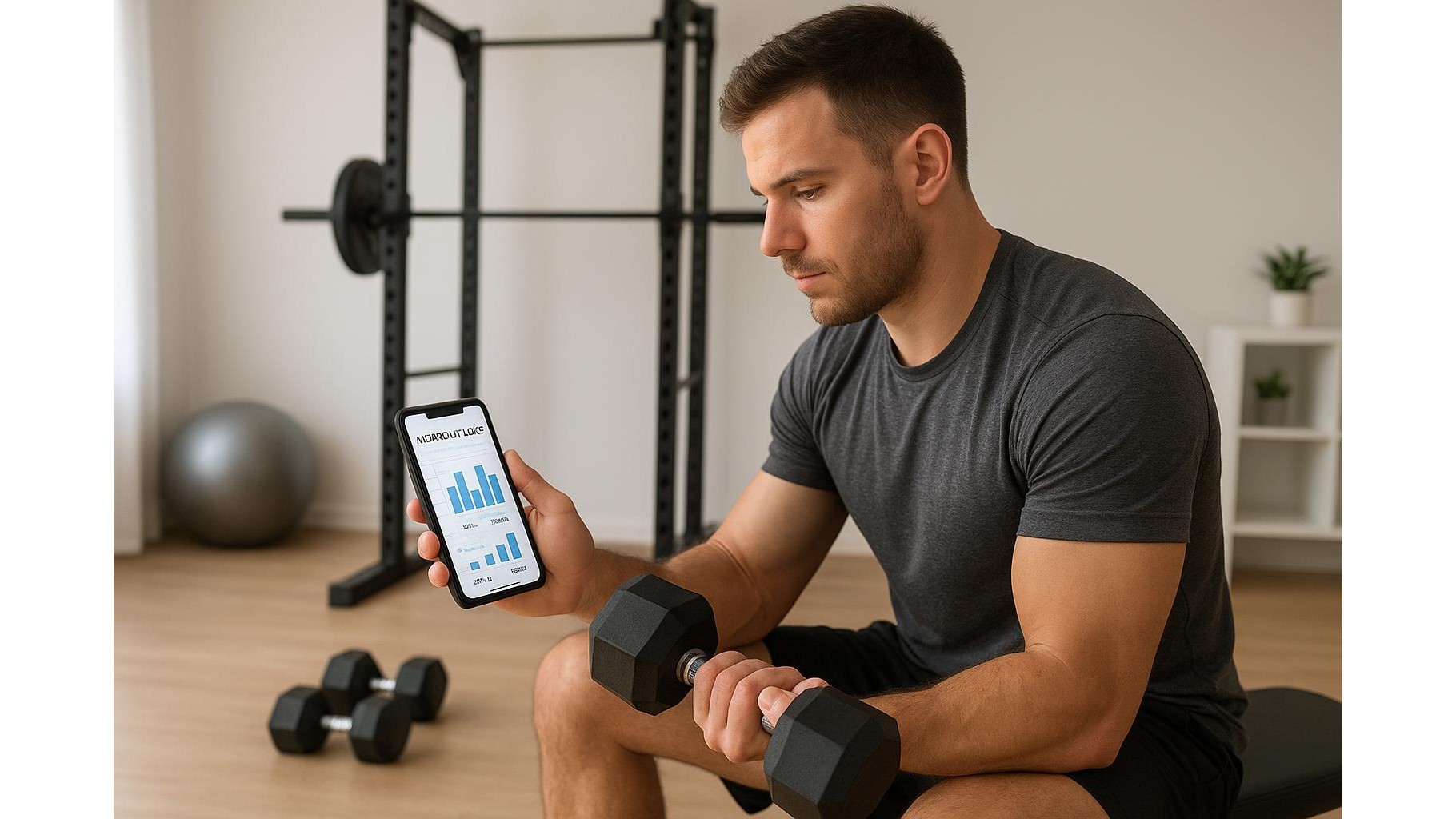
Once your devices are configured, use widgets and shortcuts on your phone to automate the sequence of actions that starts your workout. A single tap can turn on your workout lights, start a playlist, open your training app and even enable Do Not Disturb. On iOS and Android you can build routines that trigger based on time, location, or focus mode, meaning your phone can prepare your environment as soon as you arrive home from work or hit a specific time window. Place these widgets on your home screen where your social apps used to be, so your muscle memory leads you into training instead of mindless scrolling.
Combine lighting, focus modes and reminders for consistency
The real power of a smart home workout environment comes from combining elements. Pair your lighting scenes with calendar reminders, focus modes that silence non-essential notifications, and gentle alarms that signal the start and end of your sessions. For instance, at 7pm your lights can shift to “workout mode”, your phone can mute all but urgent calls, and your speaker can play a short audio cue. This stack of small automations removes decision-making and reduces the chance you will skip training because you are “not in the mood”. Over time, these consistent environmental signals help you transition into exercise almost on autopilot.
By using smart bulbs, timers, smart plugs and widgets together, you transform your living room from a generic space into a dedicated training zone that prepares itself for you. You spend less energy fiddling with lights, devices and apps, and more energy actually moving. Start with one or two small automations, refine them as your routine evolves, and you will quickly find that your smart environment becomes one of your strongest allies for building a sustainable, consistent home fitness habit.