Optimising your home workouts is not just about the exercises you choose or the weights you lift. Your progress is deeply influenced by sleep quality, recovery and how consistently you manage fatigue across the week. Modern sleep and recovery tracking apps make it easier to understand what is happening between sessions so you can adjust your training load, avoid burnout and get more results from the same effort.
Table of contents
Why sleep and recovery tracking matter for home training
Most people focus on sets, reps and intensity, but your body actually adapts and grows stronger during rest, not during the workout itself. Poor sleep duration and fragmented sleep can increase perceived effort, reduce strength and slow fat loss. By using recovery tracking tools alongside your home gym routine, you can see how stress, late‑night screens, alcohol or irregular bedtimes affect your readiness to train. Over time, this helps you spot patterns: maybe your Monday sessions always feel heavy after a short Sunday night, or high‑intensity intervals ruin your sleep if done too late. When you can see these trends in an app, it becomes much easier to plan smarter training blocks and schedule true rest days.
Key sleep and recovery metrics to understand
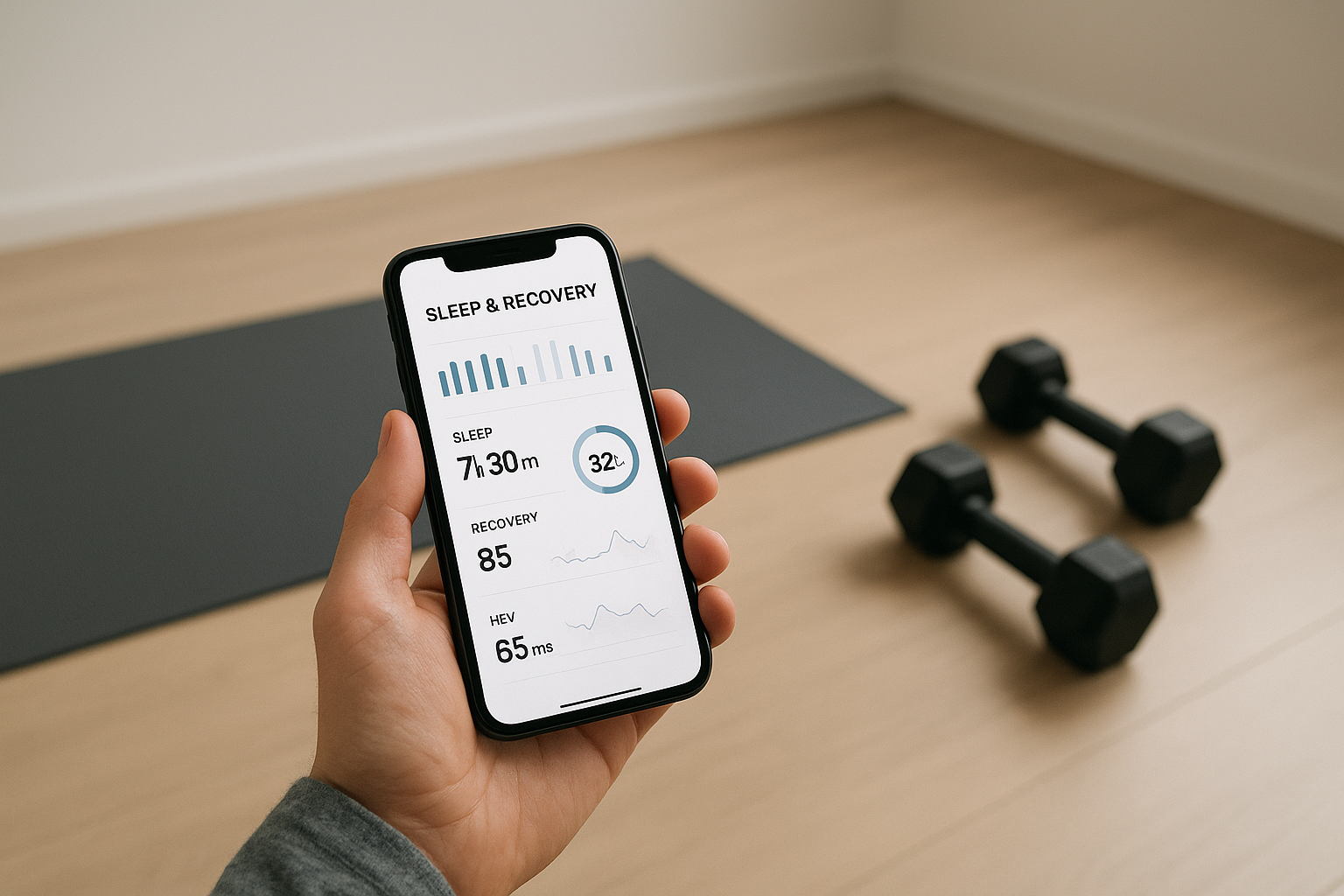
Most sleep tracking apps and devices estimate similar core metrics. Pay particular attention to total sleep time, sleep efficiency (time actually asleep vs time in bed) and sleep consistency (regularity of your schedule). Many platforms also offer stages such as deep sleep and REM; while these numbers are estimates, they are still useful to track trends. On the recovery side, common indicators include resting heart rate (RHR), heart rate variability (HRV) and a general readiness score or recovery score. Lower HRV and higher RHR than your personal baseline often mean your body is under stress and may need lighter training or more rest. Instead of chasing perfect values, use these metrics to understand what “normal” looks like for you and how different training days or lifestyle choices push the numbers up or down.
How to adjust your home workout based on your data
The true power of recovery apps lies in what you do with the information. Start by assigning a daily training goal based on your sleep and readiness. If your app shows good sleep, stable HRV and you feel mentally fresh, go ahead with your planned heavy strength session or intense HIIT. If your data shows poor sleep and your readiness score drops, switch to a lower‑intensity day: mobility work, light cardio or technique practice. Over a week, you can use your tracked metrics to decide where to place your hardest sessions, ideally after one or two nights of quality sleep. This flexible, data‑driven approach helps you progress without simply pushing harder every day, which is what often leads to plateaus or injuries in a home gym setting.
Building a simple nightly and morning routine
To make your sleep tracking truly useful, pair it with consistent routines. In the evening, set a regular wind‑down window: dim lights, avoid intense screens, and finish workouts at least a couple of hours before bed when possible. Log any factors like caffeine, alcohol or late meals in your app’s notes section so you can later link them to changes in your sleep and recovery metrics. In the morning, take 30–60 seconds to review your sleep report and readiness score before deciding how hard to train that day. This tiny habit keeps your decisions aligned with real data instead of mood alone. Over weeks, you will see which bedtime, pre‑sleep routine and training schedule give you the most consistent, high‑quality nights and the best energy for your home workouts.
Integrating tracking with long‑term training goals
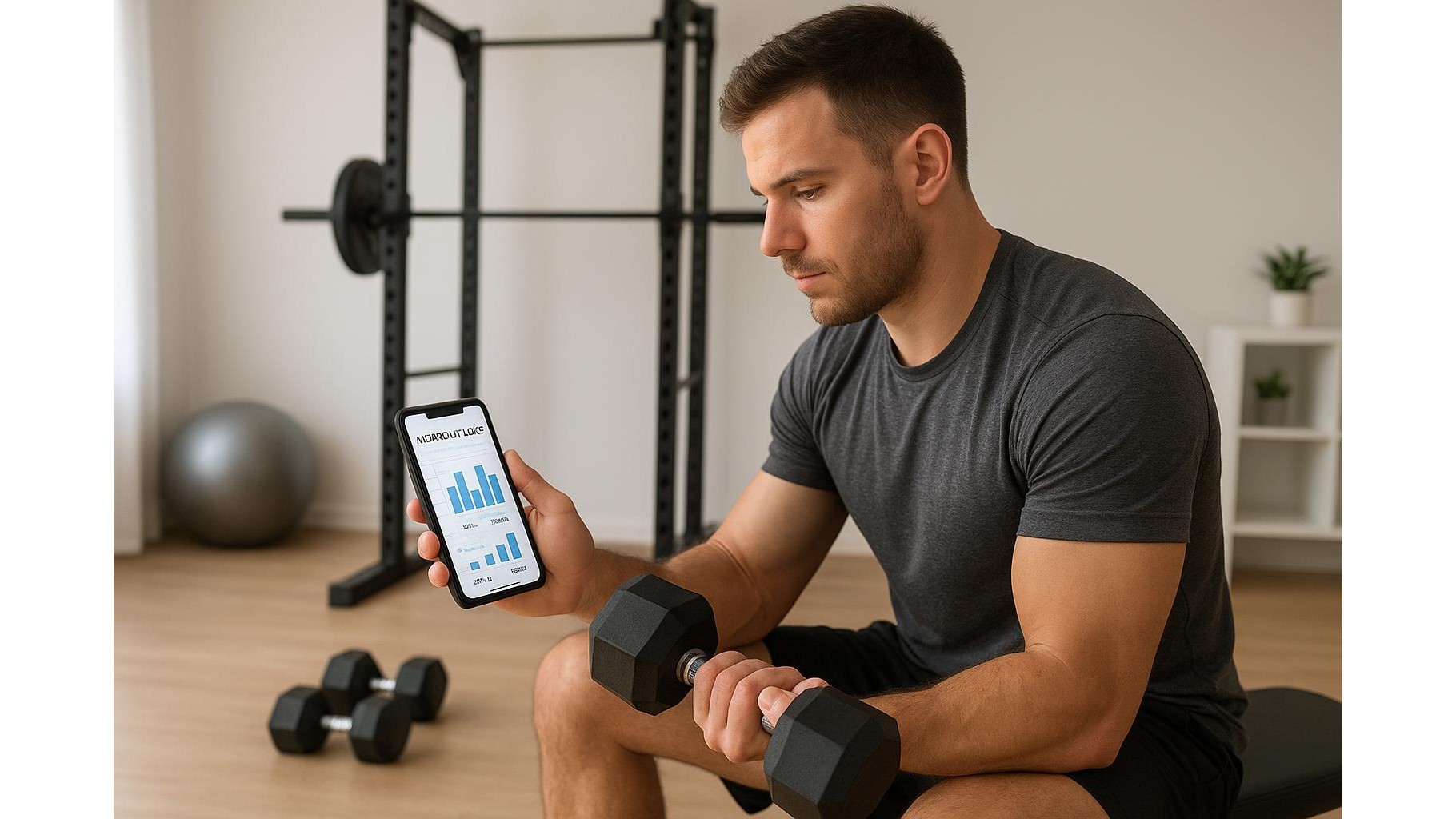
Recovery data is most powerful when viewed over months, not just days. Use your app’s weekly and monthly charts to see how improvements in sleep quality align with changes in your performance: heavier lifts, faster intervals, or simply better motivation to train at home. If you are preparing for a specific goal, such as a body‑recomposition phase or a home race‑prep plan, use periods of high sleep quality to push harder, then deliberately schedule deload weeks when your metrics trend downward. Treat your sleep and recovery dashboard as a feedback loop: plan, train, review data, adjust. By consistently integrating these insights, you turn your home workouts into a sustainable lifestyle rather than a short, exhausting sprint.
Using sleep and recovery tracking apps does not mean obsessing over every number; it means having a clear, objective picture of how your body responds to your home training and daily habits. By understanding core metrics, adjusting your sessions to match your readiness and refining your bedtime routine, you create an environment where progress feels smoother and less forced. In the long run, smarter recovery will let you train more consistently, stay injury‑free and enjoy better results from every home workout you do.