Creating a healthy, comfortable home gym is not just about buying the right weights or cardio gear. Temperature, humidity and indoor air quality have a huge impact on how you feel, how safely you train and even how well you recover. With a few simple, affordable home sensors, you can monitor your environment in real time, adjust clothing and ventilation, and turn your workout room into a safer, more pleasant space for daily training.
Table of contents
Why environment matters for your home workouts
When your workout room is too hot, too cold or too humid, your perceived effort rises and performance often drops. High humidity reduces sweat evaporation, making you feel overheated; very dry air can irritate your airways. Poor air quality, especially high CO2 or fine particles, can cause headaches, fatigue and reduced concentration, which is far from ideal when lifting heavy or doing high-intensity intervals. By tracking basic metrics like temperature, relative humidity and key air quality indicators, you can decide when to open a window, turn on a fan, add a dehumidifier or simply adjust your clothing layers before you start training.
Using temperature and humidity data to guide clothing choices
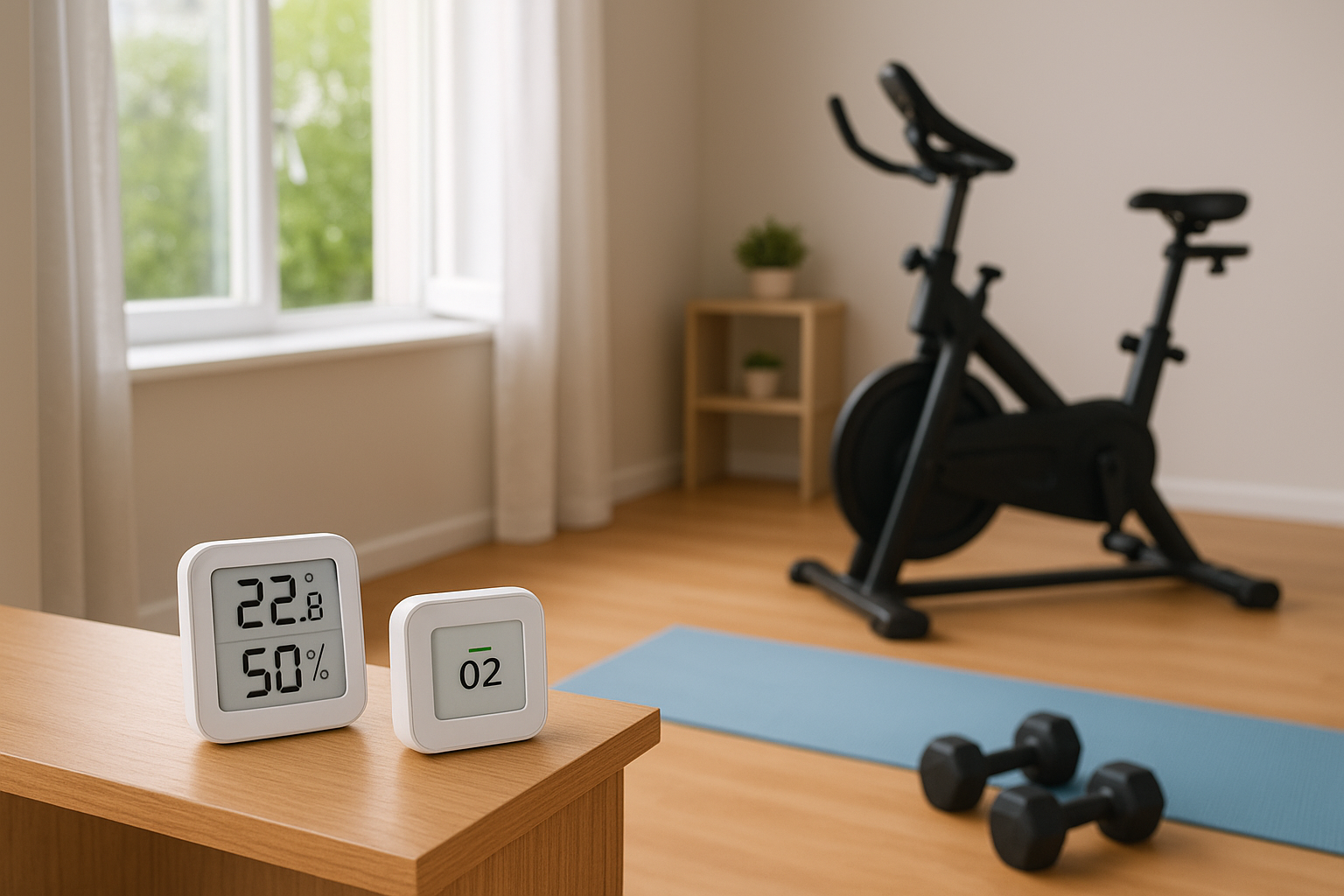
A simple digital thermometer–hygrometer gives you instant feedback before every session. As a rule of thumb, many people find 18–22°C and 40–60% humidity comfortable for strength and general fitness. On cooler days, if your sensor shows a low room temperature, you can start with an extra base layer and remove it once your core temperature rises. When the reading is higher, switch to lighter, breathable fabrics and shorten warm‑ups to avoid overheating. Consistently high humidity may signal the need for a dehumidifier or more aggressive ventilation after sweaty workouts, while low humidity suggests you might benefit from a humidifier and extra hydration. Over time, you will notice which temperature and humidity ranges match your best sessions and can tailor clothing and warm‑up routines to those numbers.
Monitoring indoor air quality for safer breathing
Beyond comfort, indoor air quality is crucial for safe training, especially in small, closed rooms or garages. Devices that track CO2, volatile organic compounds (VOCs) and sometimes fine particles (PM2.5) highlight when stale air builds up during intense sessions. Rising CO2 often means you need more fresh air; if possible, open a window or door between sets, or schedule tougher workouts for times when you can ventilate. If your monitor frequently reports poor air quality, you may want to limit high‑intensity cardio in that room until you improve airflow. Even without complex automation, simply watching the live readings and acting when levels climb encourages safer breathing conditions and reduces the risk of headaches and post‑workout fatigue linked to stuffy, polluted indoor air.
Combining sensor readings with ventilation strategies
To get the most from your home sensors, pair the data with simple ventilation habits. Check temperature, humidity and air quality before you start; if the room is already warm and humid, open a window or start a fan right away. During your workout, glance at your sensors between sets: if humidity spikes after intervals, keep the fan running longer or crack another window. After you finish, continue airing out the room until humidity and air quality readings settle back into a healthier range. In smaller spaces, it can help to keep doors open whenever possible so that heat and moisture do not trap around your equipment. Over time, this routine prevents lingering odours, reduces mould risk and keeps your training atmosphere consistently fresher and more comfortable.
Building a simple, data‑driven home gym routine
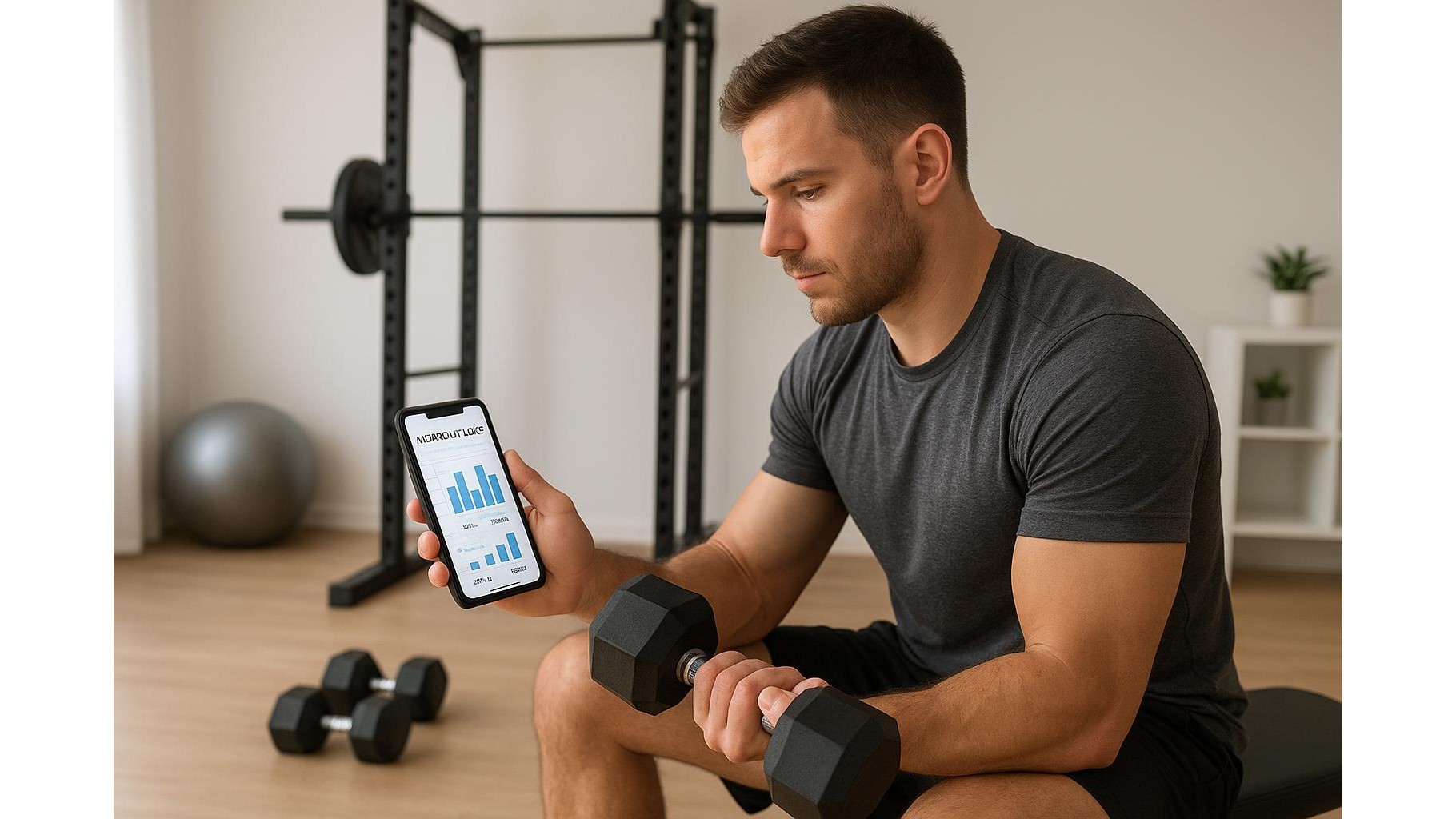
Once you get used to checking your sensors, you can make your entire routine more data‑driven. Log how you feel during sessions alongside the temperature, humidity and air quality readings; you may notice patterns such as feeling sluggish above a certain humidity level or thriving in slightly cooler conditions. Use that information to decide the best times of day to train and when to schedule harder sessions. Pair environmental adjustments with other recovery habits like hydration and cooldowns for a more holistic approach. In the long term, these small tweaks support better performance, reduce unnecessary stress on your body and make your home gym a place where you genuinely want to spend time, not just a corner filled with equipment.
By paying attention to simple home sensors and acting on their readings, you transform your workout room from a basic training area into a carefully tuned environment. Monitoring temperature, humidity and indoor air quality helps you choose smarter clothing, ventilate at the right moments and avoid the hidden fatigue that comes from training in poor conditions. You do not need complex smart‑home systems or expensive gadgets—just a few well‑chosen devices and the habit of checking them before and during your sessions. With this foundation, every home workout becomes safer, more comfortable and more enjoyable.