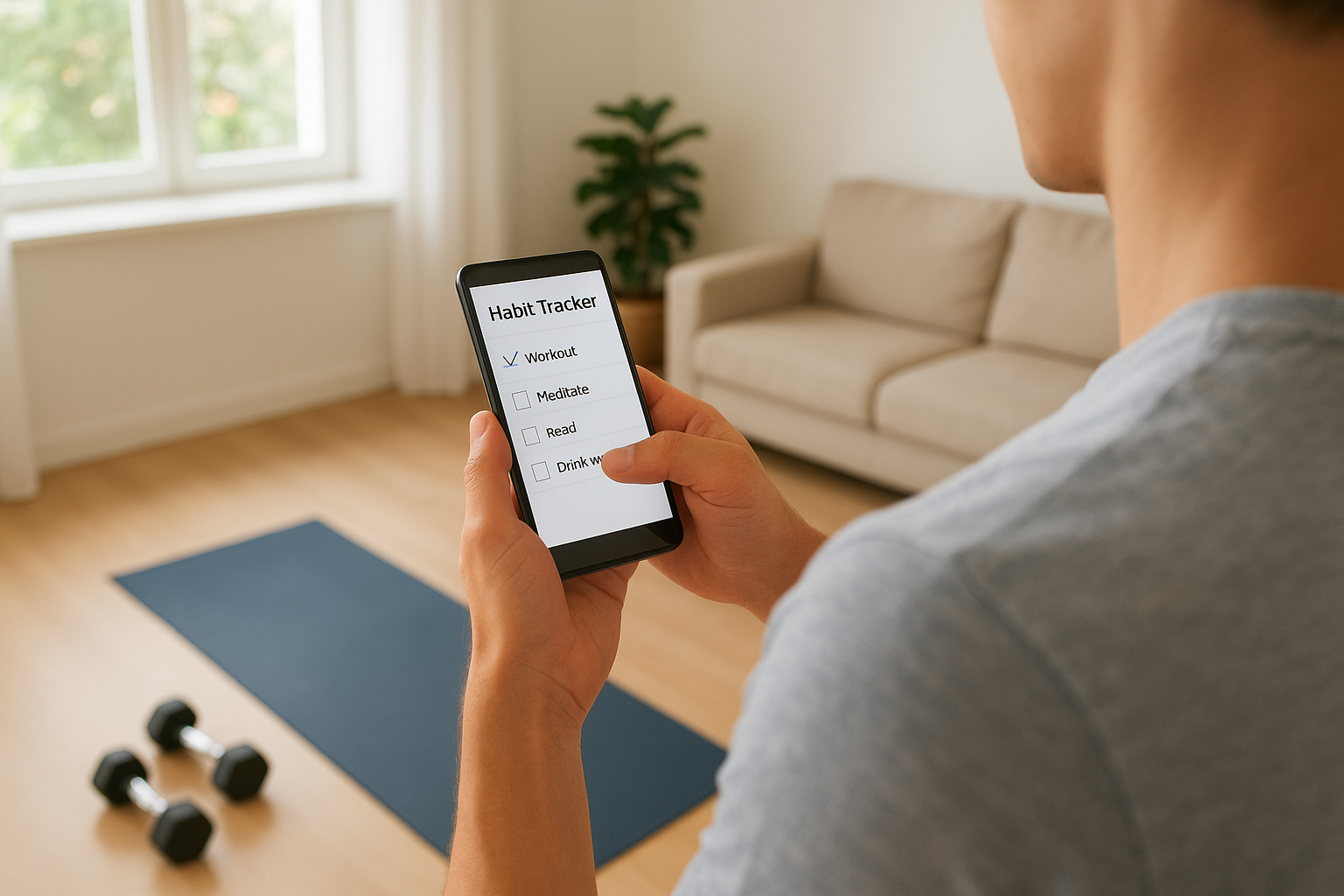
Turning home workouts into a true daily habit is less about willpower and more about systems. Habit‑tracking apps give you a simple visual way to build those systems: they remind you when to train, reward consistency with streaks and stats, and help you see progress even on days when results aren’t yet visible in the mirror. Used well, they can transform “I should work out” into “this is just what I do every day”.
Table of contents
Start with one simple, trackable home workout habit
Before you open any app, define a clear, tiny action you can track. Instead of “get fit” or “do a full workout”, choose something like “10 minutes of bodyweight exercise” or “complete my home dumbbell routine”. The goal is to make the habit so simple you can do it even on low‑energy days. In your habit tracker, create a new habit named something specific, for example: “Home workout – 10 min minimum”. Set it to repeat on the days you realistically want to train (e.g. Monday to Friday). This clarity makes each check‑in a clean yes/no, which is crucial for building honest streaks and eliminating excuses.
Use cues, reminders and environment to trigger the habit
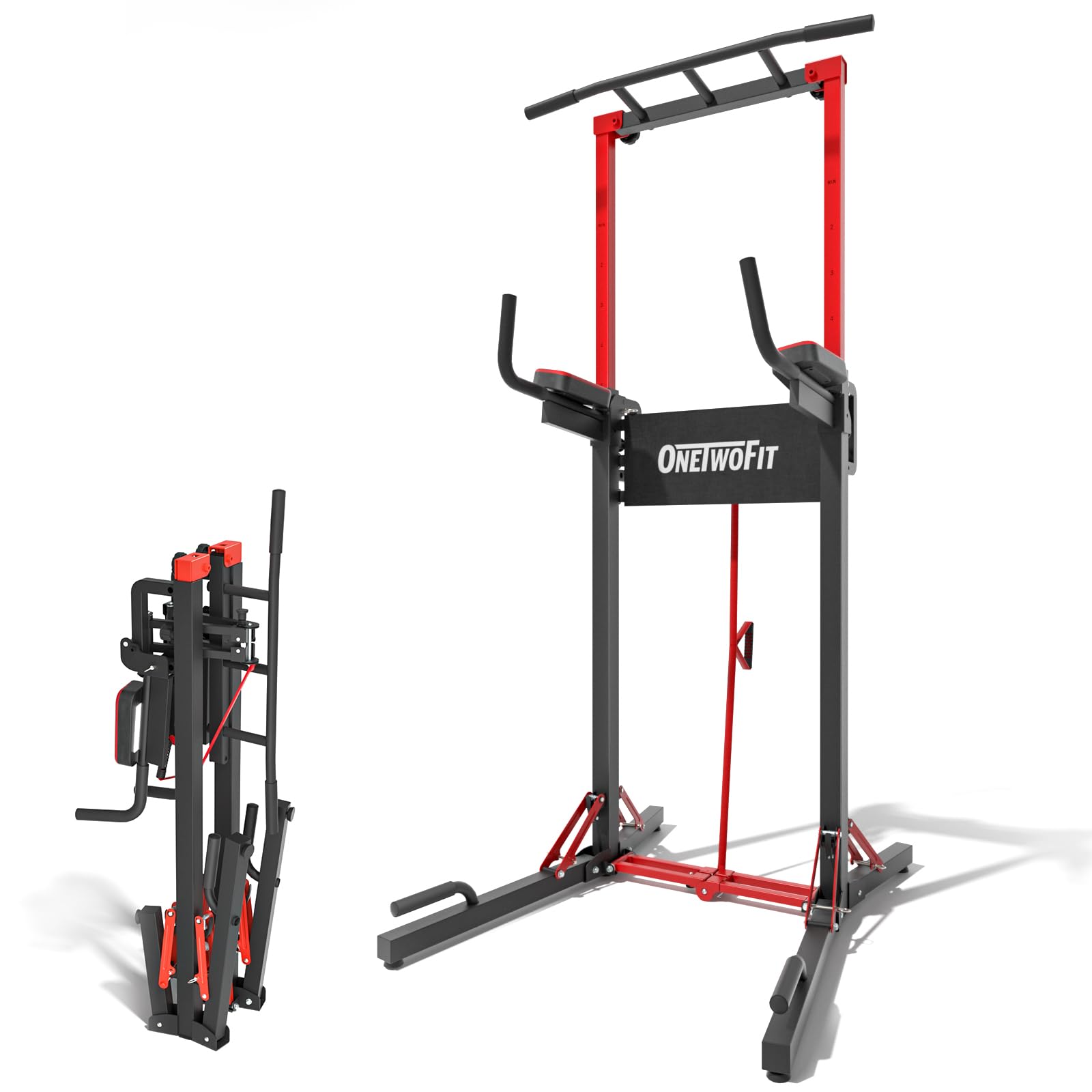
Habits stick when they’re tied to strong cues. In your app, set reminders that match a daily event, not just a time. For example: “5:45 pm – 15 minutes after I log off work” or “7:15 am – right after coffee”. Place your home gym equipment where you see it at that cue: a yoga mat rolled out by the bed, resistance bands hanging near your desk, or adjustable dumbbells next to the TV. Each notification from the app becomes a digital cue, while the visible equipment becomes a physical cue. Together, they gently nudge you into action before your brain has time to negotiate its way out of training.
Let streaks, stats and check‑ins become your motivation
The real power of habit‑tracking apps is their obsession with streaks and progress. Every time you finish your home workout, open the app and tap the check‑in immediately. Watching a streak grow—3 days, 7 days, 21 days—creates a small hit of satisfaction that makes you want to keep it alive. Many apps also display monthly calendars or simple charts; use these as your “consistency scoreboard”. Aim to “never miss twice”: if you skip a day, your next reminder becomes non‑negotiable. Over time, you’ll start to identify patterns, like which days or times are most successful, and you can adjust your schedule and environment accordingly.
Design smart rewards and pair your app with home fitness gear
Rewards don’t have to be huge; they just need to reinforce the habit. Inside the app, set small weekly goals such as “complete 4 workouts this week” and tie them to simple rewards: a longer stretching session with music you love or watching an episode of your favourite series only after you’ve ticked off your workout. You can also link rewards to your home gym equipment: commit to upgrading your gear only after maintaining a 30‑day streak. Because your app tracks each session, it becomes a logbook that justifies investing in better dumbbells, a more comfortable mat, or resistance bands. The psychological message is clear: consistent effort earns better tools, which in turn make training more enjoyable.
Adjust your plan when life gets busy, but never stop tracking
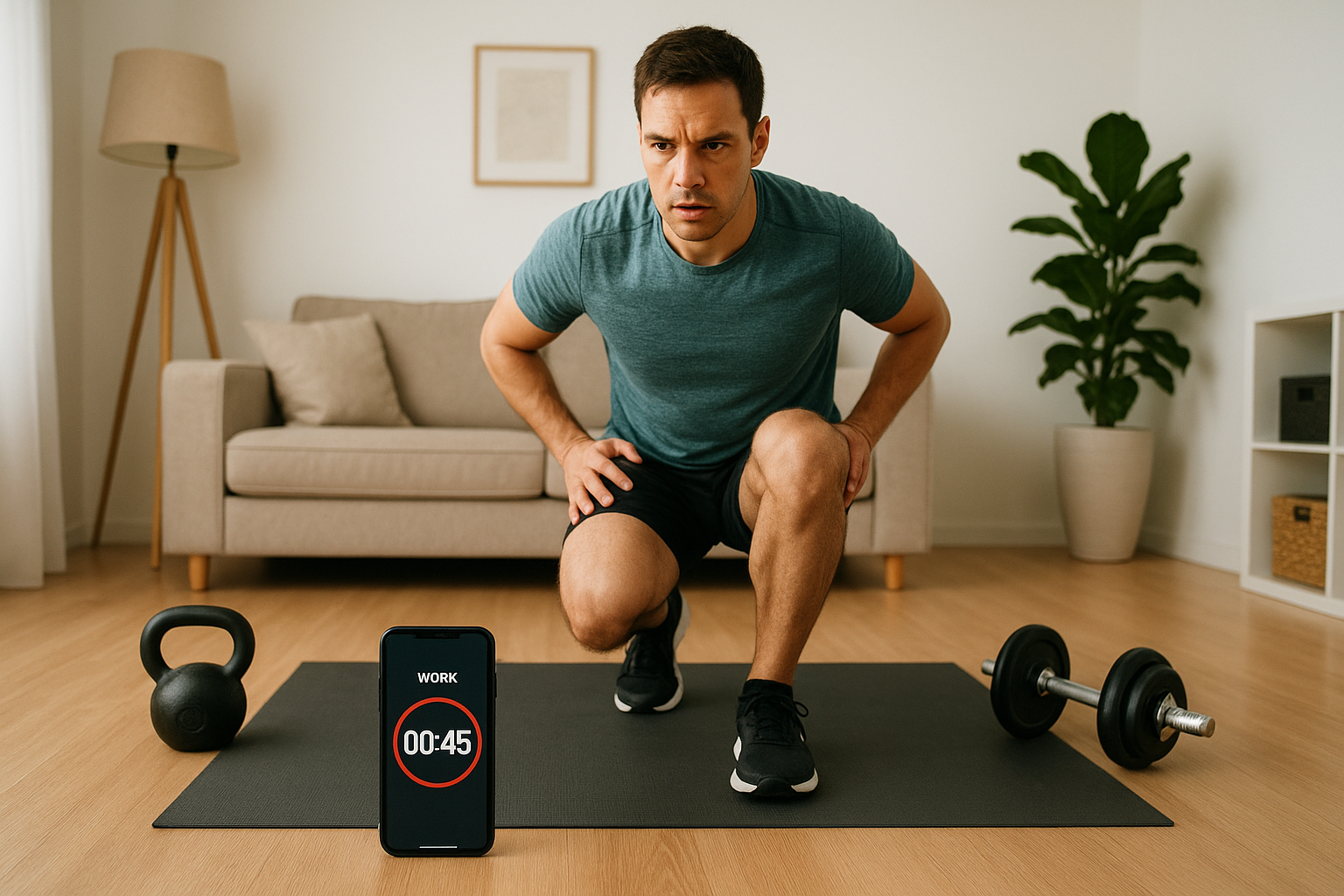
Consistency doesn’t mean perfection; it means refusing to quit. When work, family or travel disrupt your schedule, don’t abandon your habit‑tracking app—shrink the habit instead. Edit the habit in the app from “30‑minute home workout” down to “5 minutes of movement” on busy days. That might be a quick circuit of squats, push‑ups and planks on your living‑room floor. Keep checking in, even for these mini‑sessions. Maintaining the streak keeps your identity as “someone who trains” intact, so that when life calms down, you can scale the duration back up without starting from zero.
In summary, simple habit‑tracking apps can turn home workouts from an occasional effort into an automatic part of your day. Define one small, trackable habit, set strong cues and reminders, and treat your streaks like a game you don’t want to lose. Use rewards and gradual equipment upgrades to celebrate your consistency, and adjust the size of the workout—never the habit itself—when life gets hectic. With this approach, your phone becomes less of a distraction and more of a silent coach, guiding you towards a stronger, fitter home‑training routine.