Training at home makes it easy to push hard every day, but without data you can quietly slide into overtraining. A simple heart rate monitor turns your sessions into measurable, repeatable workouts and helps you balance effort and recovery. By learning how to set up your device, interpret key numbers like resting heart rate and heart rate zones, and apply them to both cardio and strength training, you can build fitness faster while protecting your health.
Choosing a heart rate monitor for home workouts
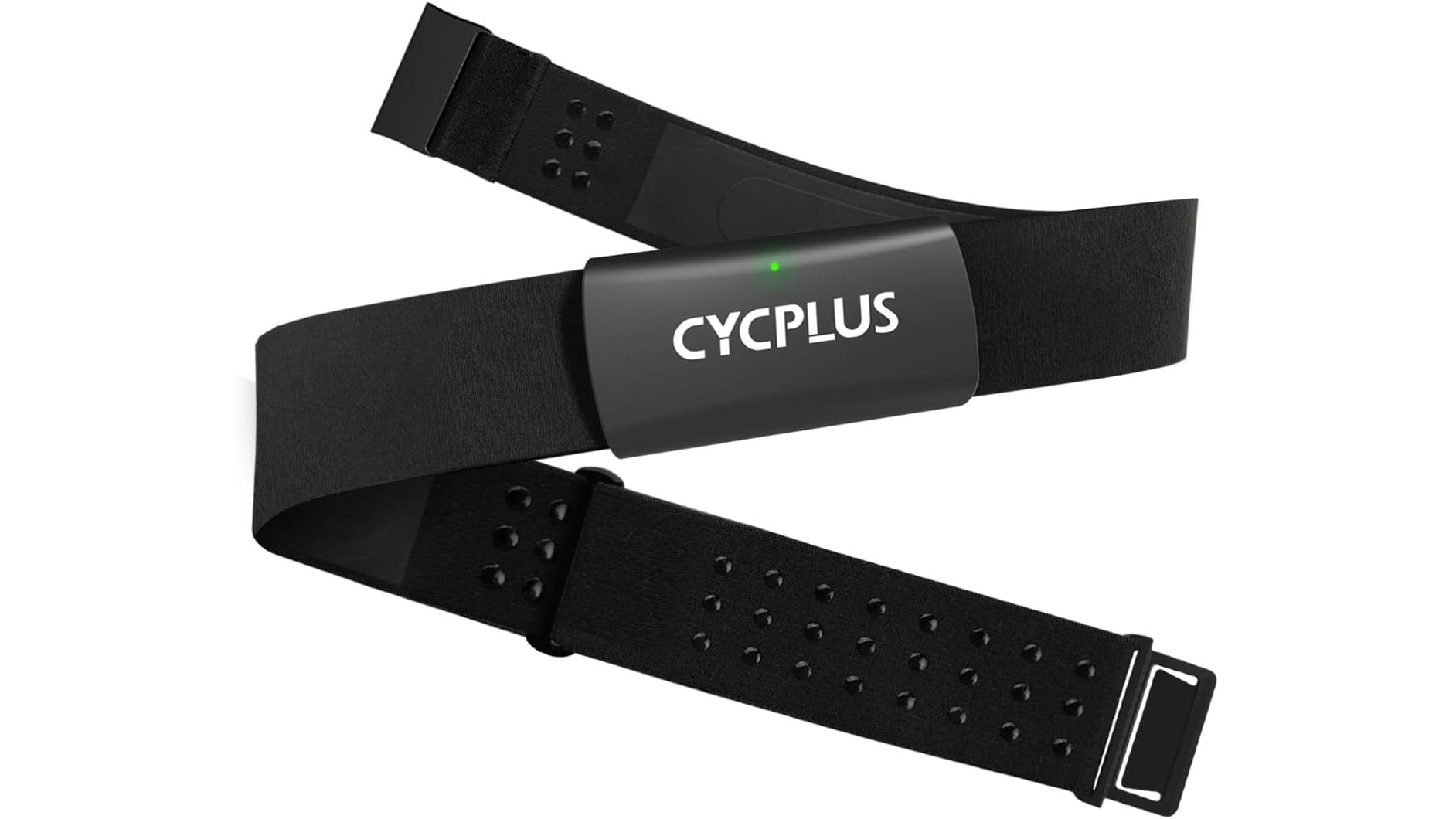
For accurate home training, a chest strap is still the gold standard. The COOSPO Heart Rate Monitor Chest Strap, Bluetooth ANT+ offers reliable ECG-based readings, dual Bluetooth / ANT+ connectivity and works with popular apps like Zwift, Wahoo and Peloton at a budget-friendly price. If you want advanced data, including heart rate variability (HRV) to fine-tune recovery, the CYCPLUS H2Pro Heart Rate Monitor Chest Strap adds precise HRV tracking, long 500-hour battery life and a very light, comfortable strap. Choose chest straps over basic wrist sensors when your goal is to manage intensity and avoid overtraining.
Setting up and pairing your heart rate monitor
Before every session, moisten the strap contacts and position the monitor snugly under your chest muscles for a clean ECG signal. Pair via Bluetooth or ANT+ with your phone, smartwatch, bike computer or smart rower. Devices like the COOSPO strap provide LED or beep feedback to confirm connection, while the CYCPLUS H2Pro flashes to show activity. In your app, create a user profile with age, weight and fitness level so your heart rate zones and calorie estimates are realistic. After training, detach the sensor from the strap (and, if recommended, remove the battery) to preserve battery life and keep readings reliable over time.
Understanding heart rate zones and HRV
To use heart rate data intelligently, first determine your estimated maximum heart rate (often 220 minus age, or better, from a lab or field test) and let your app calculate zones. A typical structure: Zone 1 (very easy, 50–60% HRmax) for warm-ups and recovery, Zone 2 (60–70%) for aerobic base building, Zone 3 (70–80%) for tempo work, Zone 4 (80–90%) for hard intervals and Zone 5 (>90%) for short sprints. Monitors like the CYCPLUS H2Pro can also track HRV, giving a window into nervous system fatigue. Higher HRV and a normal resting heart rate usually mean you are recovered; chronically low HRV and a rising resting rate may signal you need an easier day to avoid overtraining.
Structuring home cardio sessions by heart rate
Use your monitor to put structure into treadmill runs, indoor cycling or rowing. For base fitness, perform 30–45 minutes in Zone 2, keeping your heart rate steady and conversational. For performance gains, add 1–2 interval days per week: warm up in Zone 1–2 for 10 minutes, then do intervals like 3 minutes in Zone 4 followed by 3 minutes in Zone 2, repeated 4–6 times. Your monitor should show a clear rise and fall between work and recovery; if your heart rate will not drop between efforts or stays elevated long after the session, reduce volume or intensity next time. Tracking average and peak heart rate over weeks helps you see when fitness improves or when you are drifting towards overreaching.
Applying heart rate to strength training and recovery
While sets of squats and presses are not perfectly guided by heart rate zones, your monitor is still valuable. Watch how high your heart rate climbs in circuits or metabolic conditioning: if you are hitting near-max numbers every set, extend rest intervals or lower loads. During heavy lifting blocks, track your resting heart rate each morning with your strap and an app; if it rises 5–10 bpm above normal for several days, schedule a deload or swap a hard day for active recovery in Zone 1–2. Using HRV-capable devices like the CYCPLUS H2Pro, you can base your training on readiness scores, ensuring that high-intensity home workouts fall on days when your body is primed, not exhausted.
By combining an accurate heart rate monitor with basic knowledge of zones, HRV and recovery markers, you can turn unstructured home workouts into a smart programme that builds fitness without burning you out. Devices such as the COOSPO Chest Strap and CYCPLUS H2Pro make it easy to track intensity, organise cardio and strength work, and spot early warning signs of overtraining. Used consistently, your heart rate data becomes a simple, powerful tool to guide effort, protect recovery and keep your progress moving steadily forward.