Using a heart rate monitor with a chest strap can completely change how effective your home workouts are. Instead of guessing how hard you are training, you can see in real time whether you are in the right heart rate zone for fat loss, endurance or peak performance. With a simple Bluetooth strap and a compatible app, you can track progress, avoid common data mistakes, and make both cardio and strength sessions more efficient.
Table of contents
Why use chest strap heart rate monitors at home
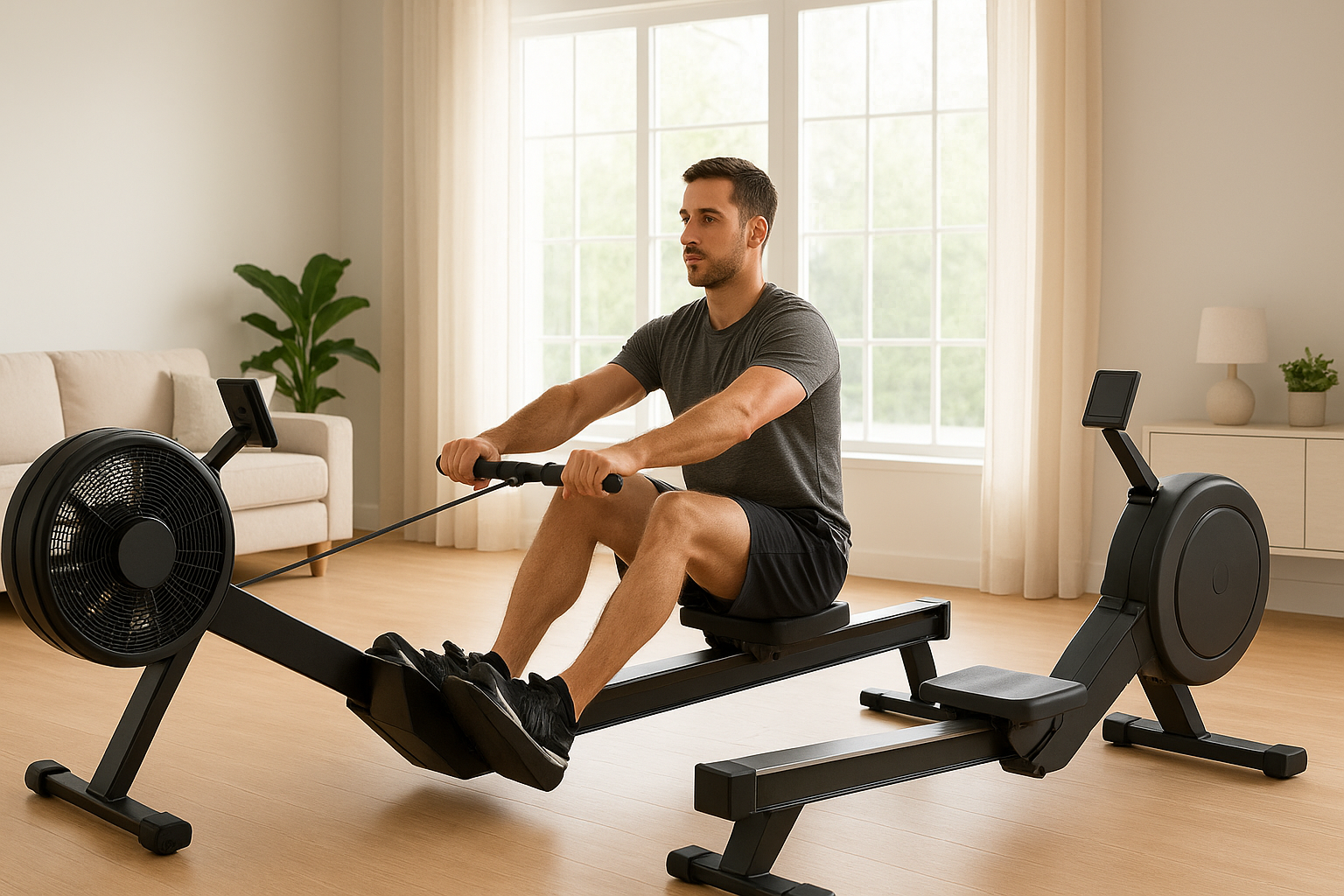
Chest strap heart rate monitors are still the gold standard for workout accuracy because they read the electrical signals directly from your heart, not just blood flow in the wrist. This makes them ideal when you are doing intense HIIT, kettlebell circuits or rowing at home, where wrist-based trackers can lag or lose contact. A Bluetooth chest strap connects to your phone, tablet, smart TV or indoor bike, so you can see your beats per minute (BPM) live on screen and keep your training in the right intensity zone. For most people training at home, this is the simplest way to bring lab-style feedback into the living room.
How to set up your monitor and strap correctly
To get reliable data, you must wear your chest strap correctly. Moisten the electrodes on the inside of the strap and position it just below the chest muscles, tight enough that it cannot slide during jumping or sprinting. Pair the strap via Bluetooth with your favourite fitness app or device and check that it is reading a stable resting heart rate before you start. Create a profile with your age, weight and sex so the app can estimate your maximum heart rate and calories more accurately. Test it with a short warm-up: the BPM should rise smoothly as intensity increases, without big spikes or dropouts.
[p i o l _placeholder type=”cta” id=”telegram”/]
Understanding heart rate zones for home training
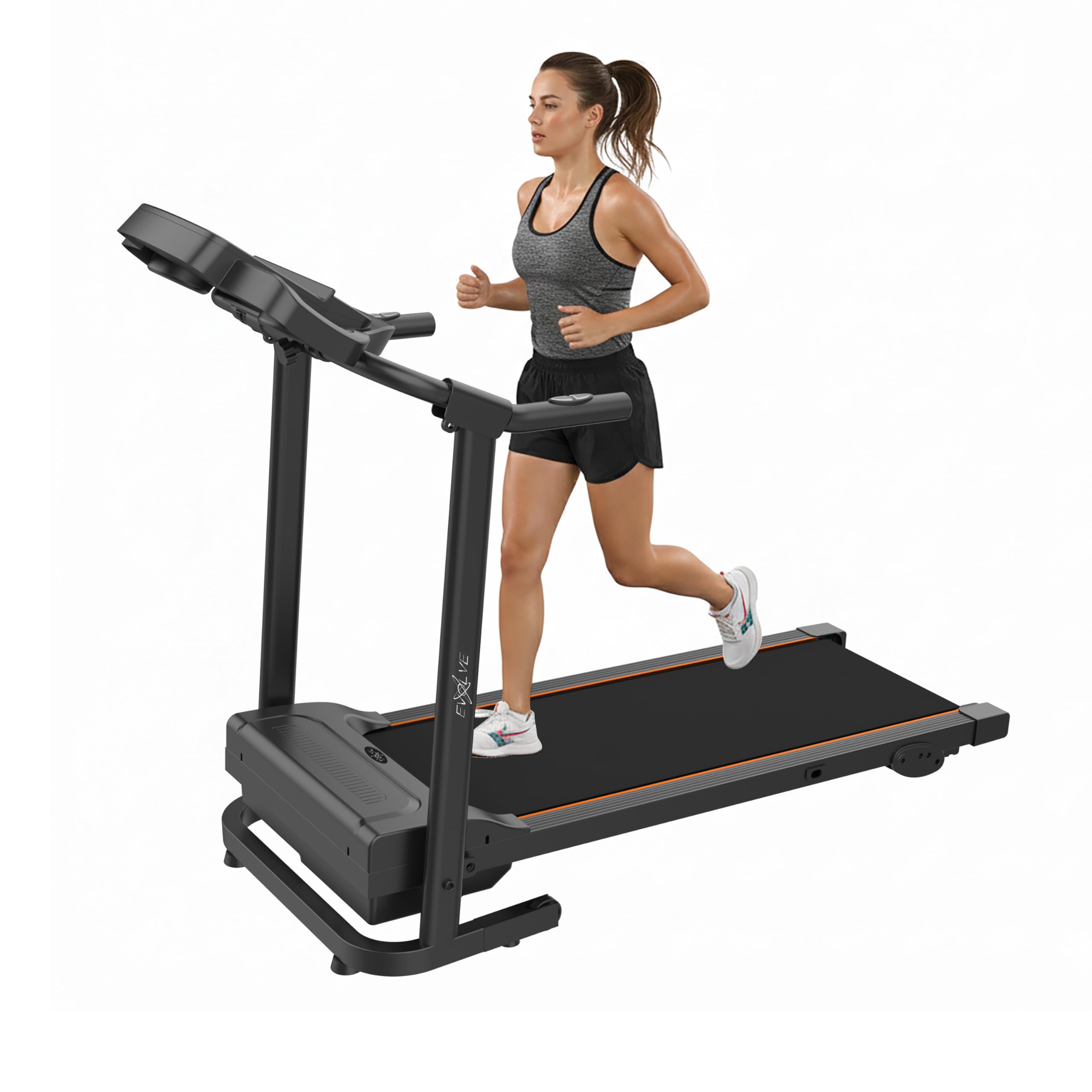
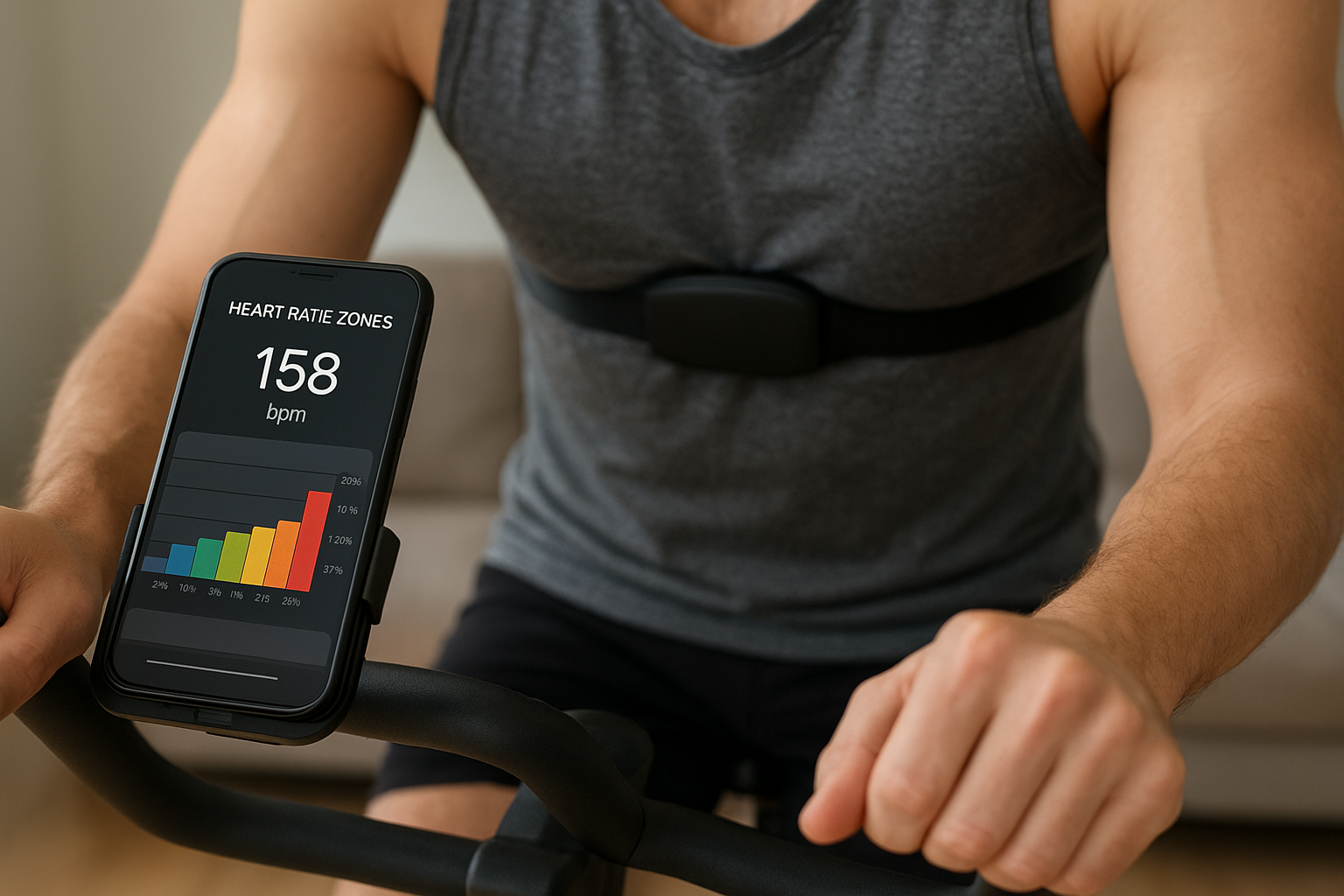
Once your device is set, learn the basic heart rate zones. Many systems use five zones based on a percentage of your maximum heart rate: Zone 1 (50–60%) for easy recovery, Zone 2 (60–70%) for fat burning and aerobic base, Zone 3 (70–80%) for steady cardio, Zone 4 (80–90%) for hard intervals and Zone 5 (90–100%) for short, maximal efforts. During home treadmill runs, cycling or skipping, you can target specific goals by staying mostly in one or two zones. For example, longer Zone 2 sessions are ideal for weight management and cardiovascular health, while brief Zone 4–5 intervals boost speed and VO2max.
Using heart rate data in cardio and strength workouts
In home cardio workouts, use your heart rate to structure intervals: work until you reach the top of your target zone, then recover until you drop back to the lower end before repeating. This keeps intensity objective, even on days when you feel tired or energized. For strength training, heart rate can guide rest periods and overall session load. Notice how high your BPM climbs on heavy sets and how fast it recovers between sets; faster recovery over time is a sign of better fitness. You can also avoid turning every weights session into exhausting cardio by ensuring your heart rate returns to a moderate zone before the next set.
Tracking progress and avoiding common data mistakes
To optimise your home workouts, look beyond single sessions and review trends over weeks. Many apps let you track average heart rate, time in each zone and estimated calories. Improvements such as maintaining the same pace at a lower BPM, or doing more work at the same average BPM, show real progress. Avoid common mistakes: wearing a dry or loose strap, relying on HR readings during the first minutes of warm-up, or comparing sessions done in very different temperatures and stress levels. Always calibrate by how you feel (Rate of Perceived Exertion) alongside the numbers to build a smarter, more sustainable training plan.
Combining heart rate tech with smart training habits
Heart rate monitors and chest straps are powerful tools, but they work best when combined with good habits: regular warm-ups, progressive overload and planned rest days. Use the data to prevent overtraining by spotting unusually high heart rates at normal intensities, and to keep easy days truly easy. Over time, you will learn how different types of home workouts show up in your heart rate graph and how to adjust volume or intensity to match your goals. With consistent use and a bit of experimentation, your monitor becomes a personal coach that helps you train smarter, not just harder.
Using a heart rate monitor with a chest strap at home gives you clear, objective feedback on every session. By setting it up correctly, understanding heart rate zones, applying the data to both cardio and strength training, and avoiding common errors, you can systematically improve performance, manage fatigue and reach your fitness goals faster and more safely.