Building a consistent home workout routine is less about finding the “perfect” plan and more about showing up day after day. That’s where habit‑tracking apps shine. Even the simplest tracker can help you turn training into an automatic part of your day, without needing complex fitness software. By pairing your home workouts with a basic habit tracker, you can create visual streaks, set reminders, and review your progress in minutes.
Table of contents
Choose a simple habit‑tracking app that fits your lifestyle
You don’t need a specialist fitness platform to stay consistent; a clean, generic habit tracker is often better because it’s fast and distraction‑free. Look for apps that let you create custom habits, schedule them on specific days, add notes, and show streaks on a calendar or in a progress bar. The key is low friction: if logging a workout takes more than a few taps, you’re less likely to stick with it. Start with a single habit such as “Home strength session” or “20‑minute mobility” and ignore advanced settings at first. Your goal is to build the logging habit as much as the training habit.
Pair your training plan with clear, trackable habits
Once you have an app, translate your training plan into a small set of concrete habits. Avoid vague labels like “Exercise more” and use clear actions such as “Upper‑body dumbbell workout”, “Core and stretching”, or “10k steps indoors”. If you follow a three‑day split, create a habit for each day’s focus, then schedule them on the correct weekdays inside the app. This keeps your calendar view aligned with your actual home gym schedule. You can also add supporting habits like “Lay out workout clothes” or “Log workout in tracker” to build a routine that starts before you move and ends when you mark the habit done.
Use reminders and cues to make workouts automatic
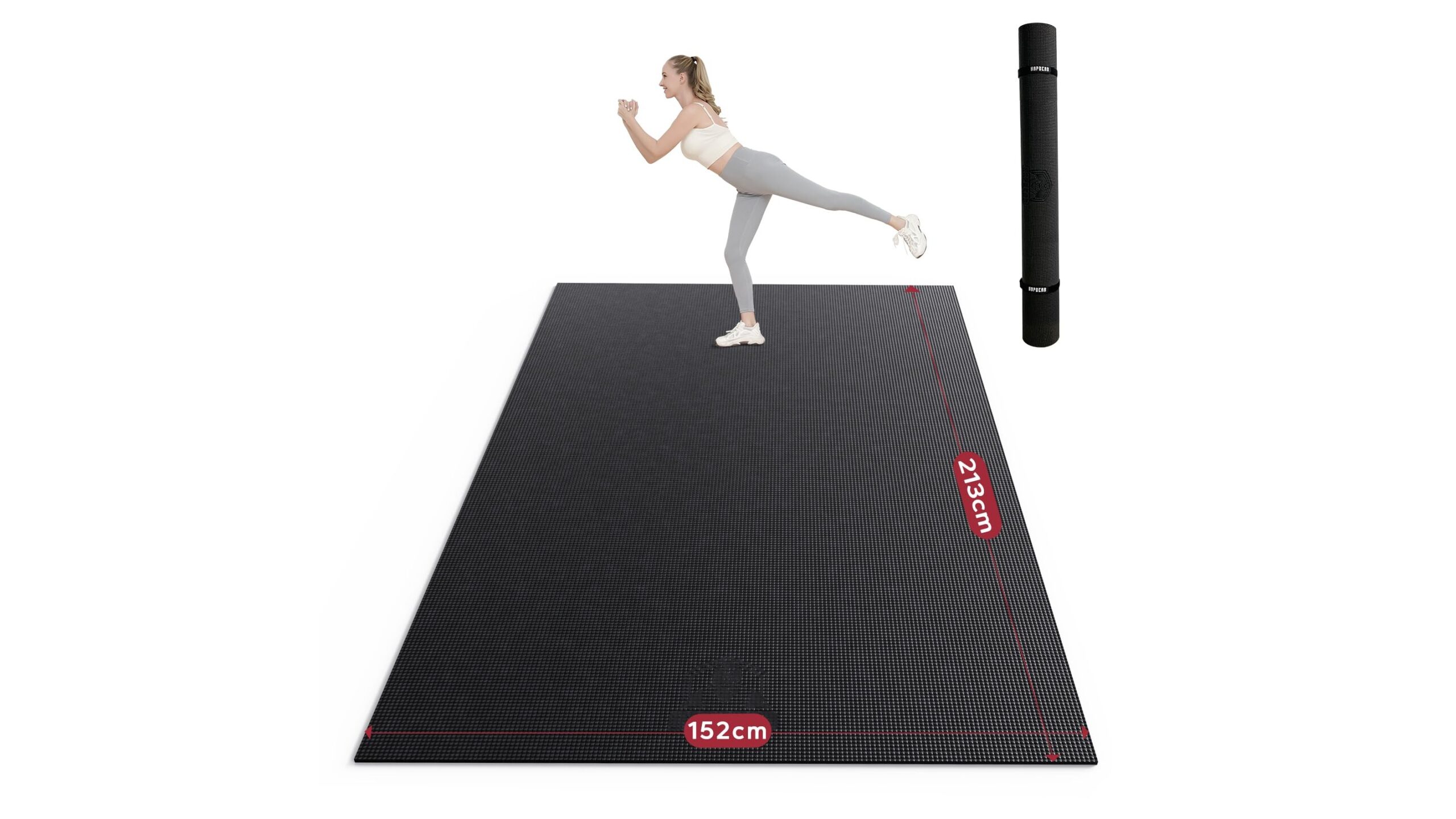
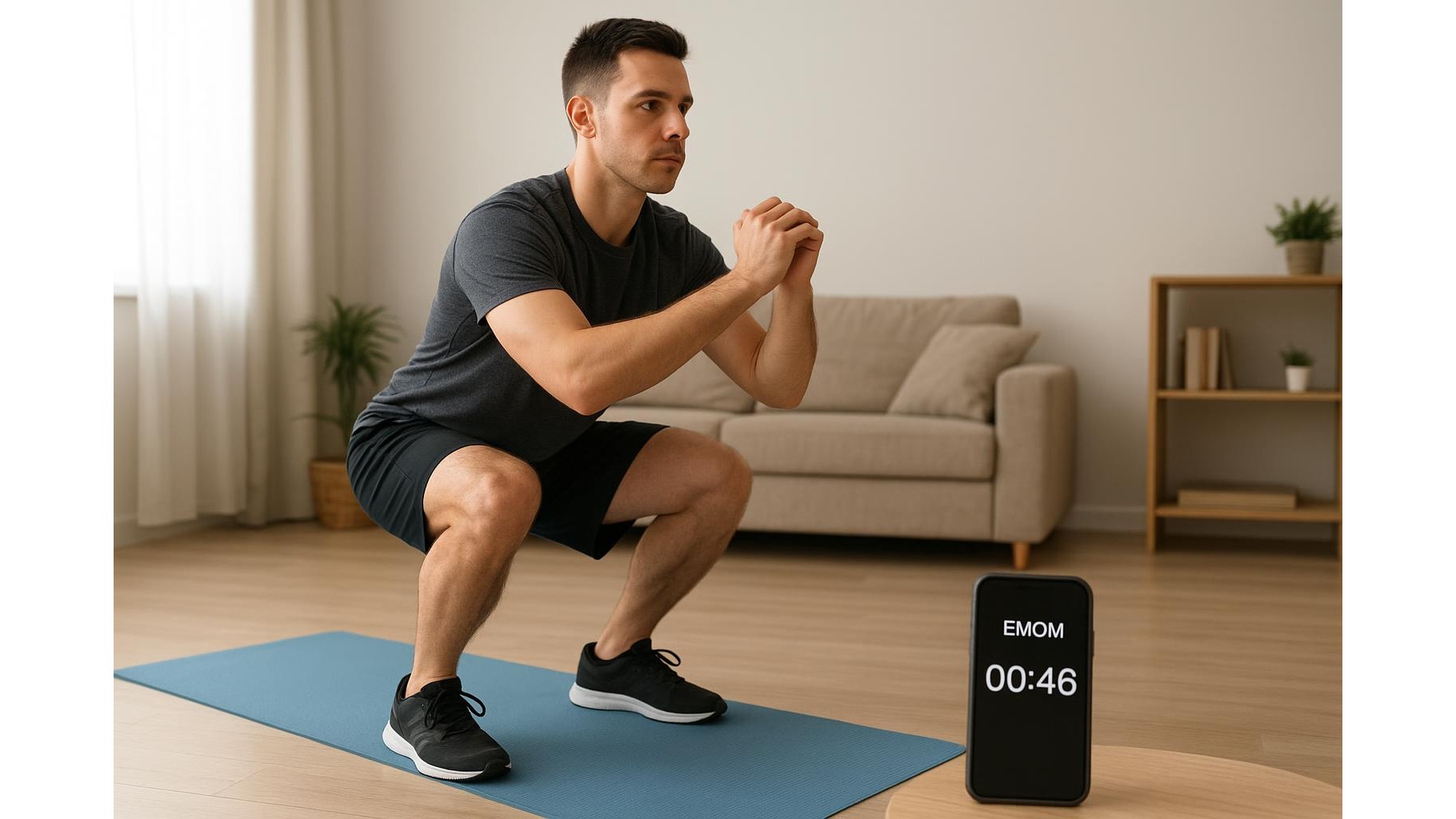
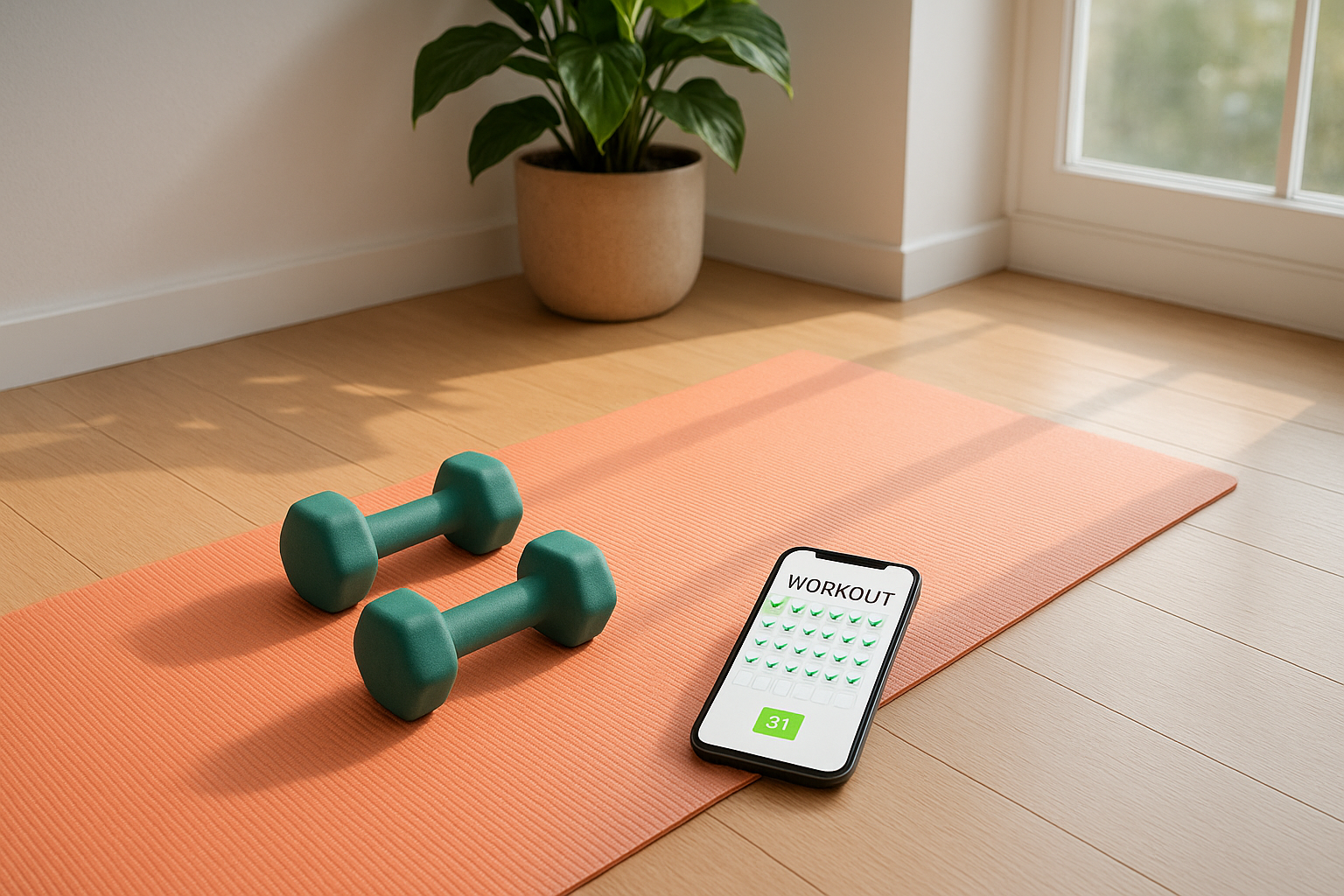
Consistency depends on smart reminders more than motivation. Set notifications for specific times that match your lifestyle: early morning before work, lunchtime, or after dinner. Combine app alerts with physical cues. For example, keep your adjustable dumbbells or yoga mat visible in your workout space and pair that sight with the reminder on your phone. When the notification pops up and you see your equipment ready, it becomes much easier to start. Over time, the cue–action loop becomes automatic, and you’ll find yourself training even on days when motivation is low.
Track streaks, intensity, and recovery with simple notes
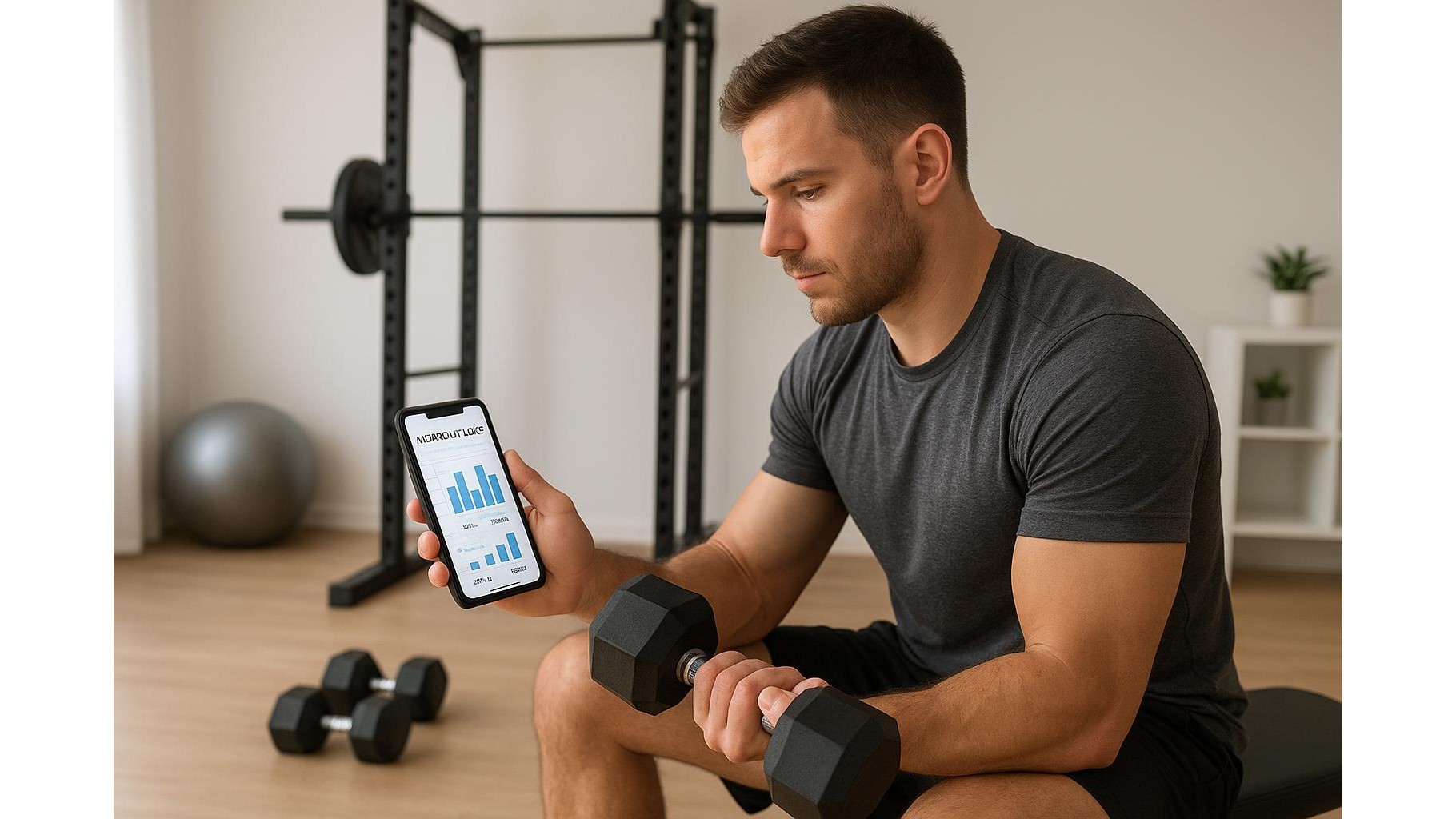
The visual feedback from streaks is powerful: a growing chain of completed workouts makes you less likely to break the pattern. Use your habit‑tracking app’s calendar or streak view as a quick scoreboard of your consistency. In the notes section, add one or two short details after each session, such as “Full body, 3 sets each, felt strong” or “Light mobility, low energy, 15 mins”. This simple data tells you when you’re pushing hard, when you’re easing off, and how your energy changes across the week. You don’t need full workout logs; a few consistent comments are enough to guide smarter training and recovery decisions.
Review your progress weekly and adjust your plan
A weekly review is where your habit data turns into real progress. Once a week, open your app, zoom out to the calendar view, and look for patterns: which days do you always hit, and which ones tend to fail? If you’re constantly skipping a late‑night session, move it earlier. If Monday is always a miss, start the week with a shorter, easy win workout. Adjust your home gym plan based on what you can stick to, not on an ideal schedule on paper. This small ritual also keeps you mentally engaged with your goals and reinforces the identity of someone who trains regularly, at home, with minimal fuss.
By combining a straightforward habit‑tracking app with a realistic home training plan, you create a simple system that favours action over complexity. Clear habits, smart reminders, visible streaks and quick weekly reviews help you train even when motivation dips. You don’t need advanced fitness software—just a basic tracker, your home gym setup and a willingness to press “complete” after every session. Over time, those small taps add up to bigger strength, better conditioning and a lasting workout habit.