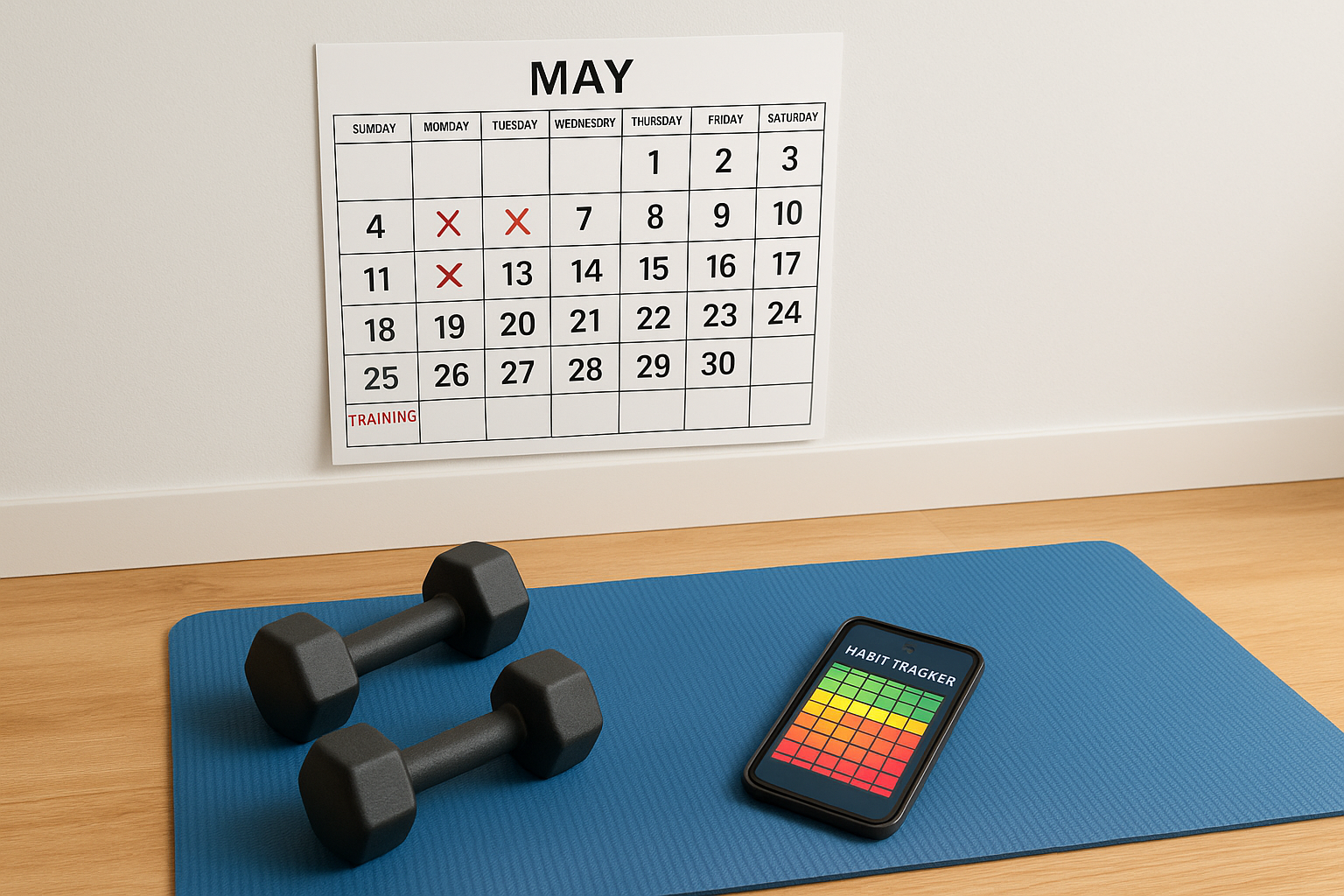
Building a consistent home workout routine is less about motivation and more about systems. Habit tracking apps and digital calendars can turn good intentions into automatic behaviour by making your training visible, scheduled and rewarding. In this guide we’ll walk through simple ways to use trackers, reminders, templates and accountability strategies so that exercising at home stops being optional and starts feeling like a natural part of your day.
Table of contents
Clarify your goals and choose your tracking tools
Before downloading another app, define exactly what you want from your home workouts: building strength three times a week, improving mobility daily, or following a specific program. Then pick one primary tool for tracking behaviour and one for scheduling. Most people do well with a simple habit tracker plus a calendar. You might use a dedicated habit app or even a spreadsheet, and pair it with your phone’s calendar to block non‑negotiable workout slots. The key is to keep your system minimal, easy to update and always accessible on the devices you already check every day.
Turn workouts into clear, trackable habits
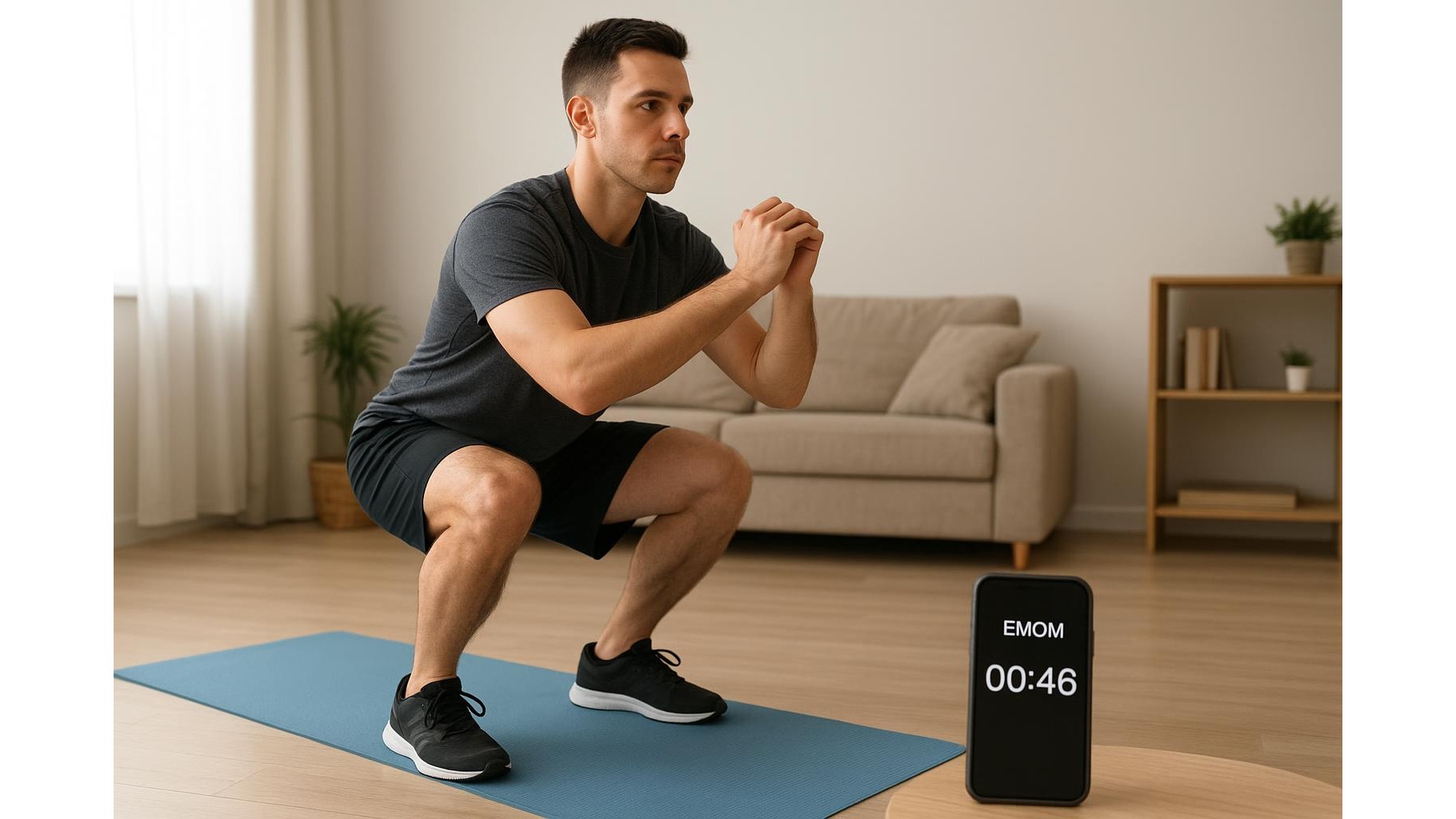
To make tracking work, each home workout must be a concrete action, not a vague intention. Instead of “exercise more”, create specific habits such as “20‑minute dumbbell session in the living room” or “10‑minute mobility routine after breakfast”. In your habit tracking app, give each habit a clear name, attach it to a time of day, and set a realistic frequency like three or four times a week. Build simple templates: for example, alternate push, pull and legs sessions so you never waste time deciding what to do. When you complete a workout, immediately log it as done; that fast feedback loop is what gradually reinforces your identity as someone who trains consistently at home.
Use calendar blocking and reminders intelligently
Consistency improves dramatically when your workouts have a fixed place in your calendar. Treat your training like a work meeting: choose days and times you can realistically protect, then create repeating events in your digital calendar. Add short, specific descriptions such as “15‑minute kettlebell circuit” or “yoga and stretching before bed” so you know exactly what is planned. Pair calendar events with gentle reminders: a notification 30 minutes before gives you time to wrap up tasks, and another at start time nudges you to begin. Avoid overloading yourself with alerts; a few well‑timed reminders are enough to prevent missed sessions without becoming annoying noise you learn to ignore.
Leverage streaks, metrics and visual progress
Most habit trackers offer streaks, statistics and visual dashboards, which are powerful for maintaining motivation on days when energy is low. Use streaks to build the identity of someone who rarely breaks the chain, but define clear rules so you do not chase perfection. For example, count a workout as complete if you do at least 10 minutes of intentional movement. Track simple metrics like completed workouts per week, total minutes exercised and how often you hit your planned schedule. Periodically review your data to spot patterns: if you always skip Friday evenings, move that session to a different time instead of feeling guilty. Your tracker becomes less a judge and more a coach helping you refine your routine.
Add accountability and make it rewarding
Apps and calendars become far more effective when you add social and emotional incentives. Use your tracker to share weekly screenshots with a friend or online community, or create a shared calendar event with a workout buddy doing the same home exercise routine in their own living room. Attach small rewards to consistency, such as allowing a new piece of gym gear after a month of completed sessions. In your notes, log how you feel after each workout; seeing “more energy”, “better sleep” or “less stress” written over and over turns abstract benefits into concrete proof that sticking to your plan is paying off, making it more likely you will keep showing up.
By combining clear goals, simple habit tracking, smart calendar use and a touch of accountability, you can transform home workouts from occasional bursts of effort into a stable routine. Your apps are not the solution by themselves, but they are powerful scaffolding: they remind you of your intentions, make progress visible and reduce the friction of getting started. Start small, track honestly, and let the data guide gentle adjustments. Over time, you will find that exercising at home requires less willpower and feels much more like an ordinary, automatic part of your daily life.