Filming your workouts with your smartphone and running the clips through free AI tools is one of the easiest ways to improve technique in a home gym. With just a phone, a stable support and a few web apps, you can spot common form errors, track progress visually and reduce the risk of injury—without paying for a personal trainer every week.
Table of contents
Set up your phone for clear home workout videos
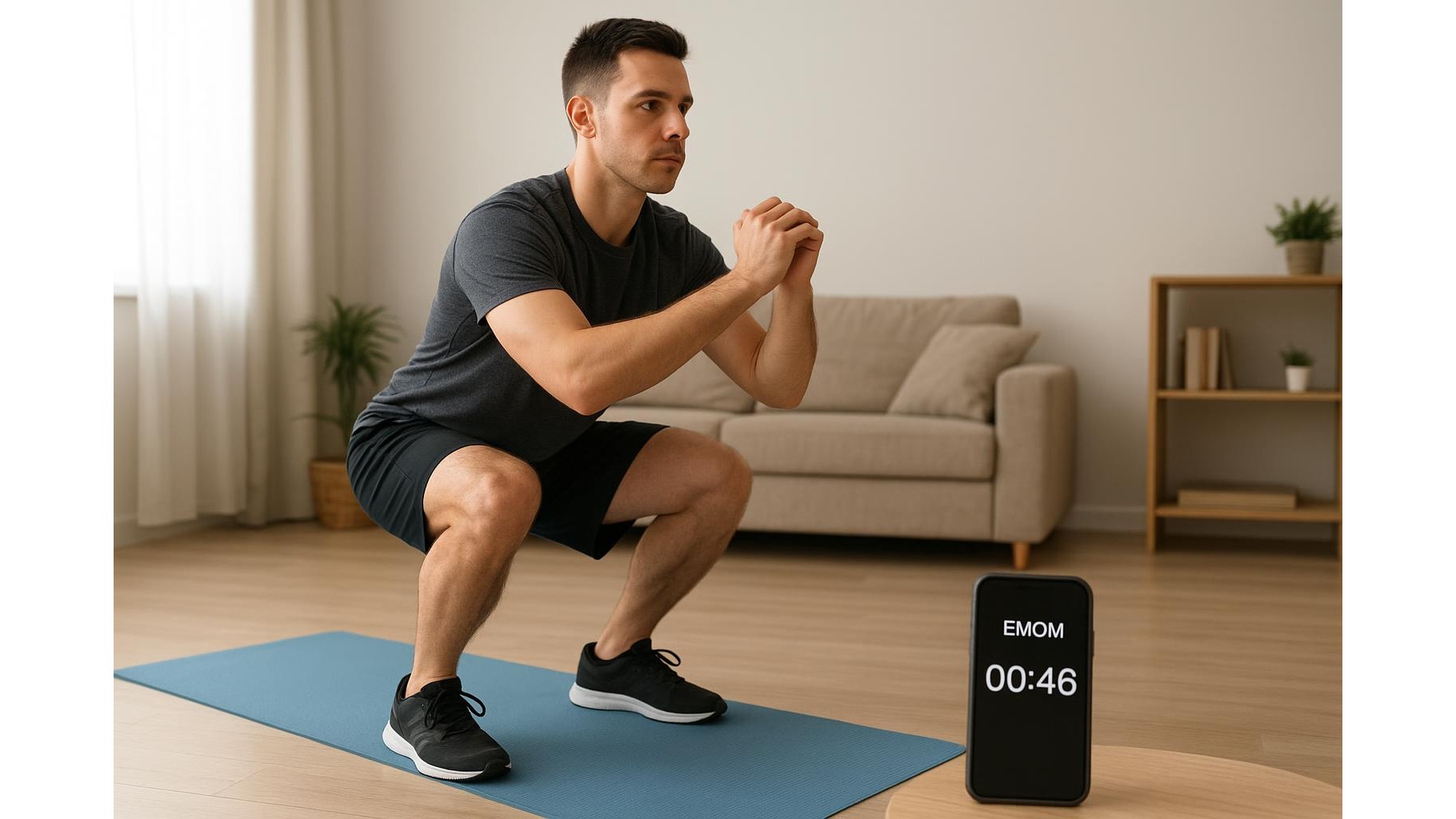
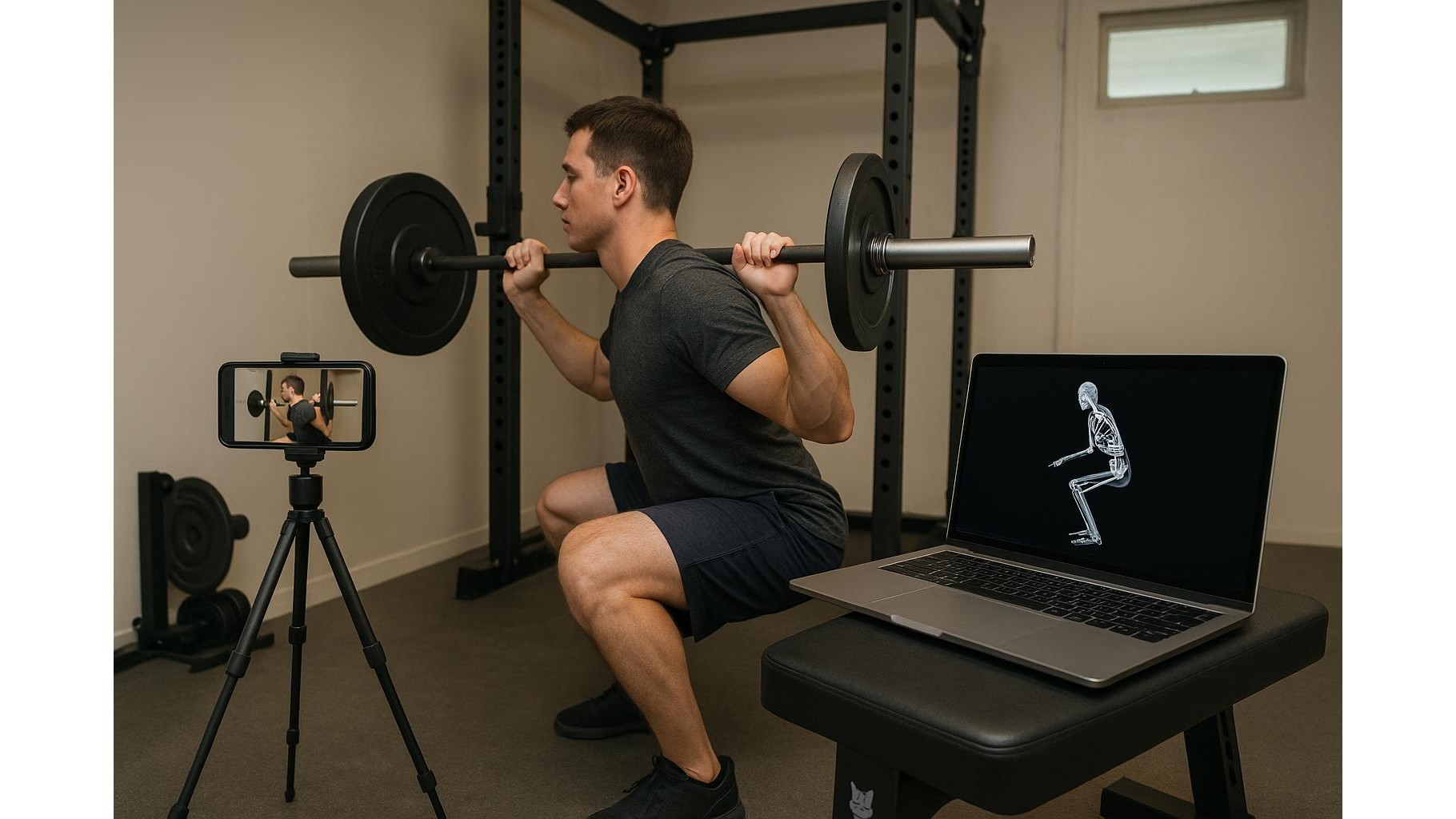
The quality of your exercise form analysis depends heavily on how you film. Place your phone at about hip to chest height and far enough away to capture your entire body, including feet and hands. Use a stable support like a shelf or stack of books, and switch to the rear camera for better resolution. Aim for good lighting from the front or side so AI tools can clearly detect your joints. Film from different angles—side view for squats and deadlifts, three-quarter view for presses and rows, and front view to check knee tracking and symmetry. Record at least 3–5 reps per set so the software has enough frames to analyze.
Best free AI options to analyze your form
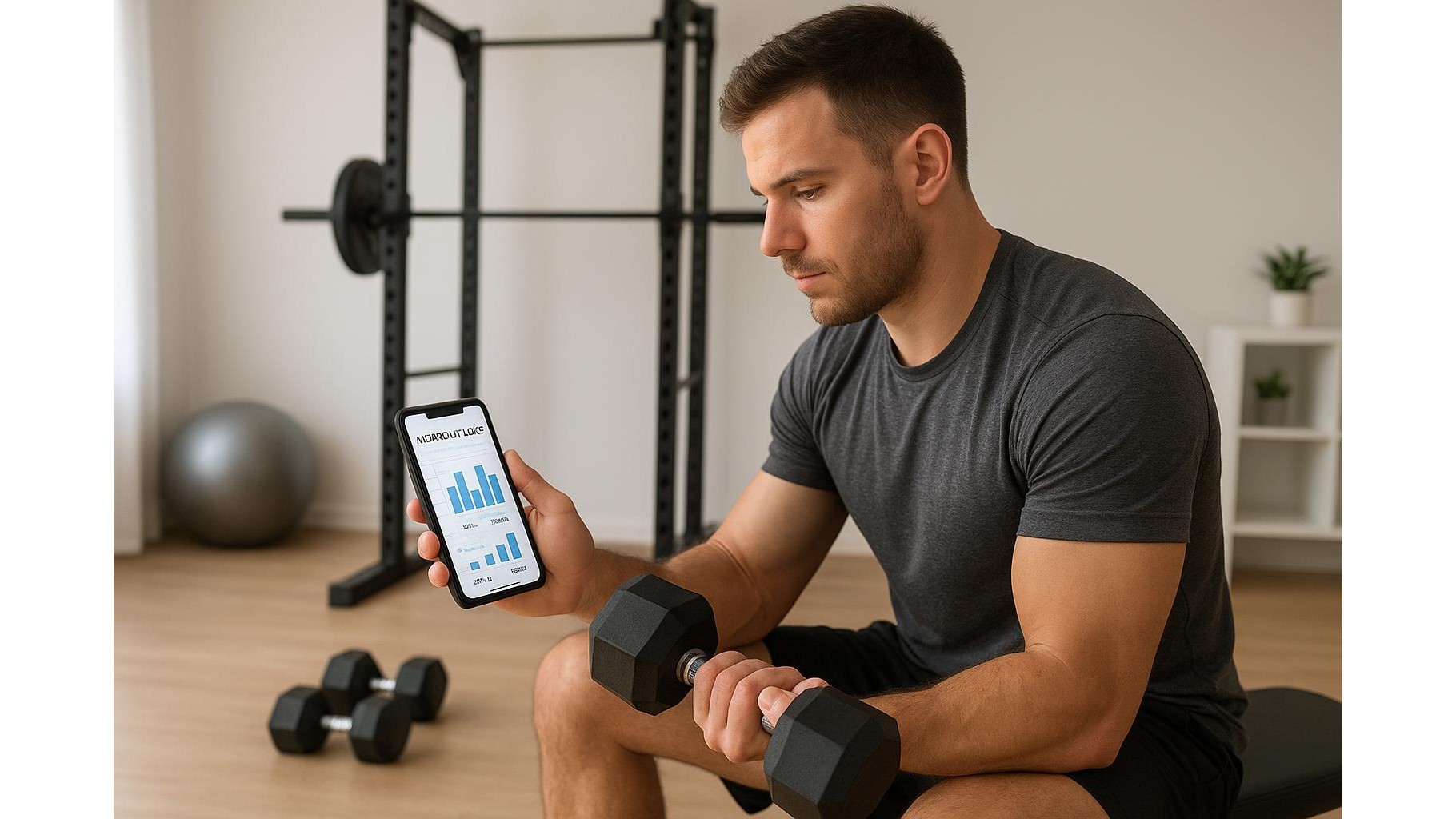
Several free or low‑cost AI posture tools can highlight joint positions, bar paths and symmetry. Many web apps use pose estimation to draw lines over your joints and calculate angles automatically. Typical features include automatic rep detection, slow‑motion playback and angle measurements at the hip, knee and shoulder. Look for tools that allow basic export or screenshots so you can compare today’s technique with last month’s. While premium platforms may add coaching cues, even free versions are enough to show if your back is rounding, your knees cave in or your elbows flare excessively during pressing movements.
How to film specific exercises for AI analysis
For squats and deadlifts, set the camera at hip height from the side; this lets AI tools track your spine and hip hinge more accurately. For push‑ups and planks, film from the side to see if your hips sag or pike; a front view can also reveal hand placement and shoulder symmetry. For overhead presses, use a three‑quarter angle to capture both bar path and torso lean. Try to keep the frame fixed—avoid panning or zooming once recording starts. If possible, use a remote shutter or self‑timer so you can get into position without wobbling the phone. The more consistent your angles, the easier it is to compare sessions over time.
Interpreting AI feedback to fix your technique
AI pose tracking is a guide, not a coach, so combine it with basic strength training principles. When the tool highlights joint angles, check whether your back stays neutral, knees track over mid‑foot, and bar or hand paths are vertical. For example, if you notice your knees collapsing inward during squats, you may need to reduce load, widen stance slightly, or focus on pushing knees out. If your deadlift videos show a rounded lower back, lower the weight, raise the bar on blocks, or practice hip hinge drills. Use slow‑motion playback and frame‑by‑frame scrubbing to pause at the hardest part of the lift—usually the bottom of the squat or the start of the pull—and compare your body position to recommended technique.
Building a simple feedback routine at home
To get real benefits, turn AI form checks into a weekly habit. Start each new exercise cycle by filming your main lifts from one or two consistent angles. Upload the clips to your chosen AI app, then write down 1–2 key cues per exercise, such as “keep ribs down”, “brace before lifting” or “knees over toes”. In the next workout, focus on those cues while you train, then record again to see if anything improved. Over time, you will build a library of short clips that show your progress in depth, control and range of motion. This structured approach keeps you safer, makes your training more intentional and helps you get more results from the same home workout time.
Using free AI tools with simple phone videos can transform how you approach your home workouts. By improving your filming setup, choosing reliable posture‑analysis apps and reviewing clear cues from each session, you will gradually clean up your technique, feel more confident with each lift and significantly reduce injury risk—without leaving your living room.