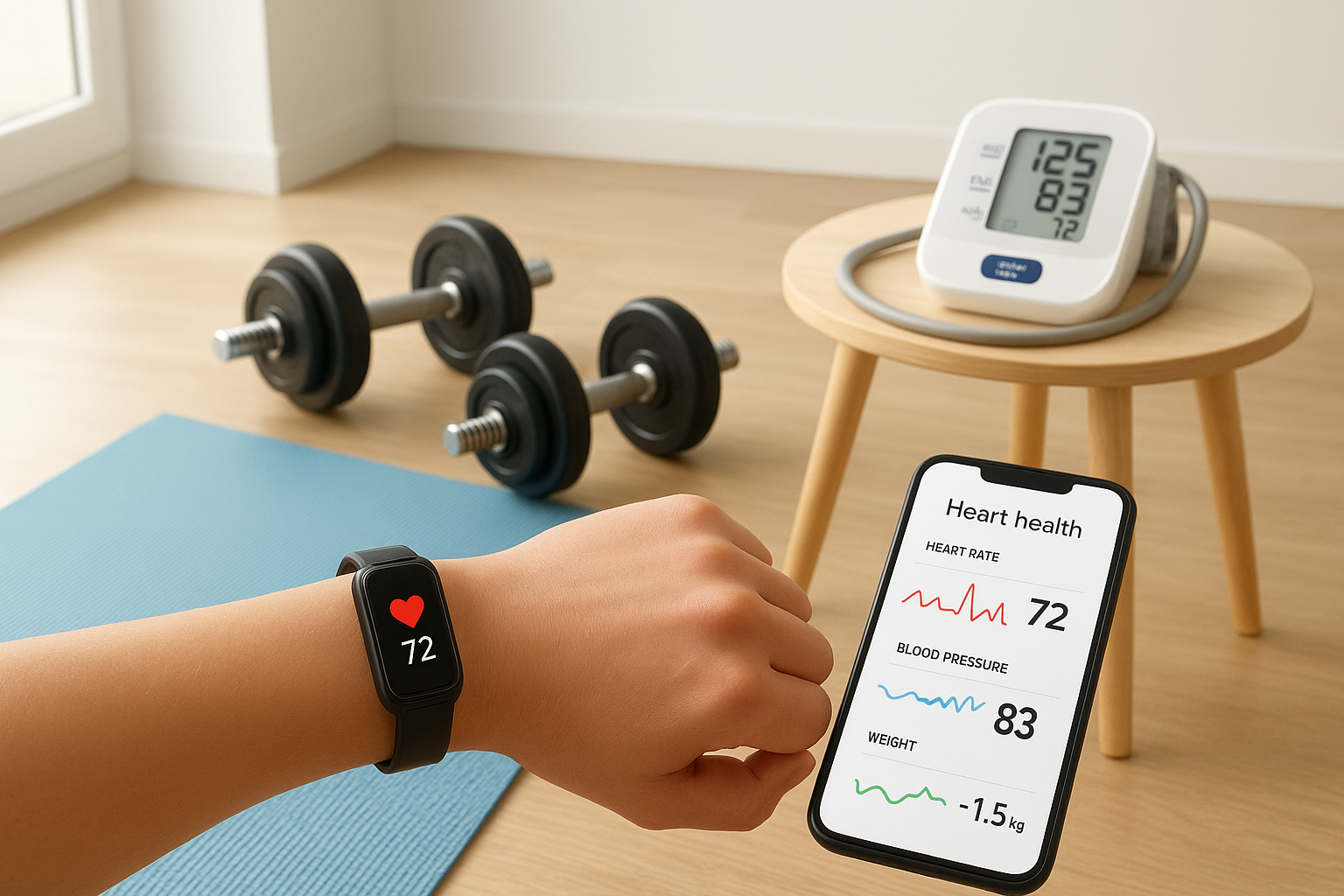
Building a personalised heart health dashboard at home is now possible with consumer tech. By combining a fitness tracker, a home blood pressure monitor, a smart scale and the right apps, you can track key cardiovascular markers and guide your home cardio training more safely. The goal is not to self‑diagnose, but to create clear, consistent data you can use to adjust workouts and have more informed conversations with your doctor.
Table of contents
Choosing a wearable for everyday heart tracking
A good starting point is a waterproof fitness tracker with reliable 24/7 heart rate monitoring and strong app support. Look for continuous heart‑rate, resting heart rate trends, workout tracking and sleep stages, all synced into an app that shows easy‑to‑read graphs. This helps you see how your heart responds to everyday stress and exercise. When buying on Amazon.co.uk, check for devices that sync with popular platforms like Apple Health, Google Fit or Fitbit, and read reviews on comfort and battery life. Aim to wear your tracker most of the day so your heart health dashboard is always up to date.
Adding a home blood pressure monitor
Next, integrate an upper arm blood pressure monitor designed for home use. This gives you systolic and diastolic values, plus heart rate, under resting conditions – crucial data that wearables alone cannot provide. Choose a cuff that fits your arm size and offers memory storage or Bluetooth syncing to an app. Take readings at the same time each day, seated, after a few minutes of quiet rest. Log the values in your health app or a spreadsheet so you can see weekly and monthly trends. Persistently high readings mean you should contact a healthcare professional before increasing the intensity of your cardio workouts.
Using a smart scale for cardio‑friendly metrics
A Bluetooth‑enabled smart bathroom scale adds body weight and often estimates of body fat percentage to your heart health picture. While single readings are not perfect, trends over time are very helpful. Gradual weight loss, combined with regular cardio, can improve blood pressure, cholesterol and resting heart rate. Choose a scale that syncs automatically to a mobile app so you do not have to enter values manually. Weigh yourself at the same time of day, ideally in the morning before breakfast, and track changes alongside your training notes. This gives your dashboard another objective measure of how your lifestyle is affecting your cardiovascular risk.
Connecting apps into a single heart health dashboard
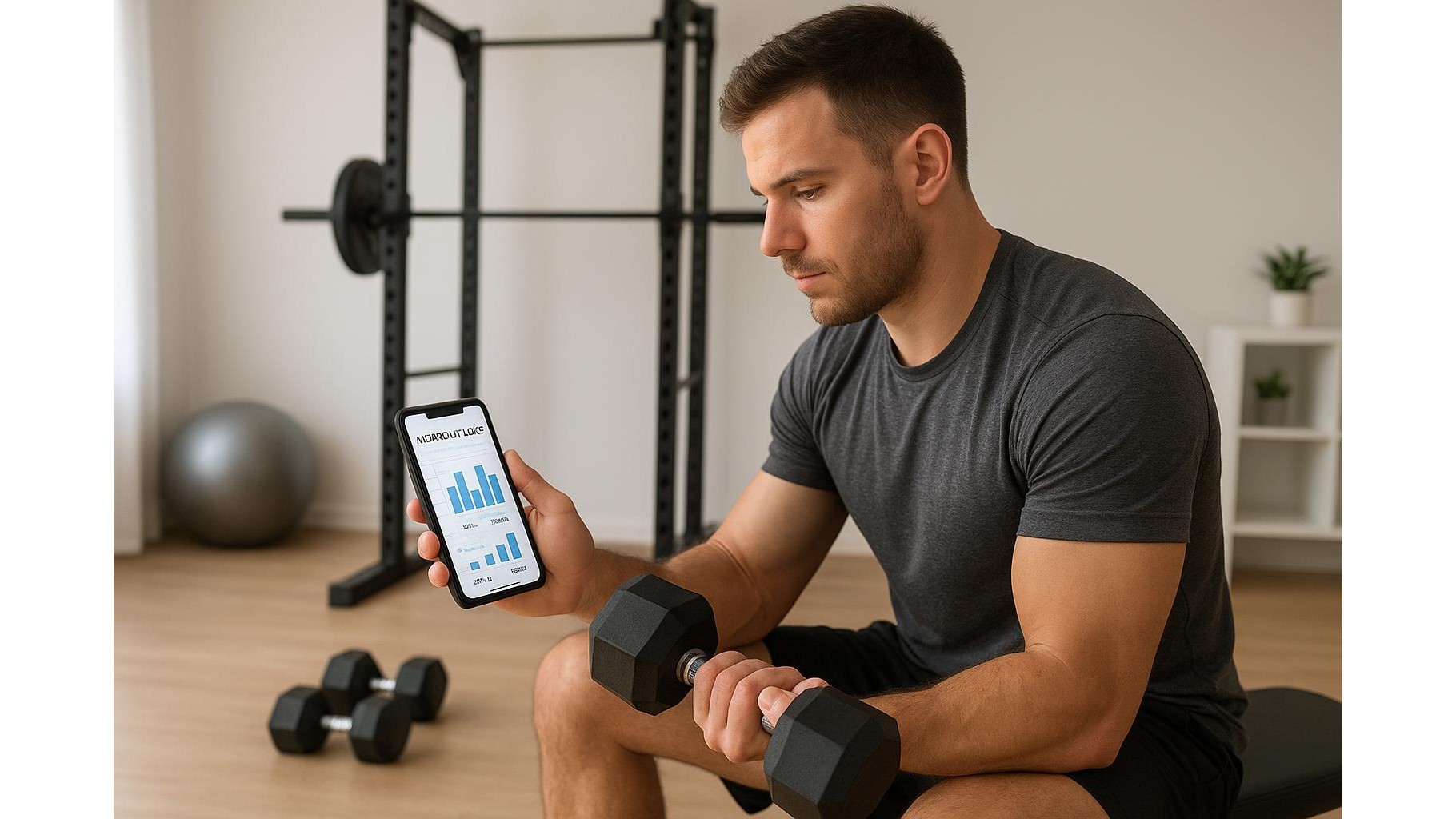
The real power comes from connecting devices and apps into one central dashboard. Use a hub app such as Apple Health, Google Fit or the manufacturer’s ecosystem to pull in steps, workouts, heart rate, blood pressure and weight. Set simple targets like minutes in your cardio heart rate zone per week, daily step counts and healthy blood pressure ranges (as agreed with your doctor). Many apps allow colour‑coded graphs and weekly summaries; review these every Sunday to see how your habits are trending. If you notice patterns – for example, higher resting heart rate on nights with poor sleep – adjust your routine and monitor the impact over the following weeks.
Guiding safe home cardio training with your data
Once your heart health dashboard is in place, use it to guide your home cardio sessions more safely. Start by identifying your typical resting heart rate and a comfortable training zone, usually light to moderate intensity if you are a beginner. During workouts, glance at your fitness tracker to avoid pushing too hard; you should be able to talk in short sentences during moderate exercise. After training, check how quickly your heart rate returns toward baseline – faster recovery usually indicates better fitness. Track how consistent cardio, combined with weight management and stress control, influences your blood pressure and resting heart rate over several months. Always involve a healthcare professional if numbers move outside recommended ranges or if you feel chest pain, dizziness or unusual shortness of breath.
By combining wearables, a home blood pressure monitor, a smart scale and integrated fitness apps, you can build a clear, data‑driven heart health dashboard without leaving your house. Consistent tracking helps you spot trends, personalise your cardio training and have better‑quality discussions with your doctor. Used wisely, this setup turns everyday numbers into meaningful insights, supporting safer, more effective home cardio workouts and long‑term cardiovascular health.