Building a consistent home workout routine is less about finding the perfect exercise plan and more about winning the small, daily battle to show up. Simple AI habit coaches – from chatbots to reminder apps – can help you plan, track and stick to your training without needing complex tech skills. Here is how to use them strategically so your home fitness stops being a short‑lived burst of motivation and becomes a long‑term habit.
Table of contents
Start with clear, realistic goals
Before you open any app or chatbot, define what a realistic home workout goal looks like for you. AI tools work best when your goals are specific: for example, “20 minutes of strength training at home, three times a week” is easier to track than “get fit”. Use a basic AI habit coach or chatbot to translate this into small, trackable actions: setting weekly targets, preferred workout days and backup times if you miss a session. Many apps can suggest progressive goals, gently increasing duration or intensity as you check off completed workouts, so your plan evolves without you needing to redesign it every week.
Use AI reminders and stacking to make workouts automatic
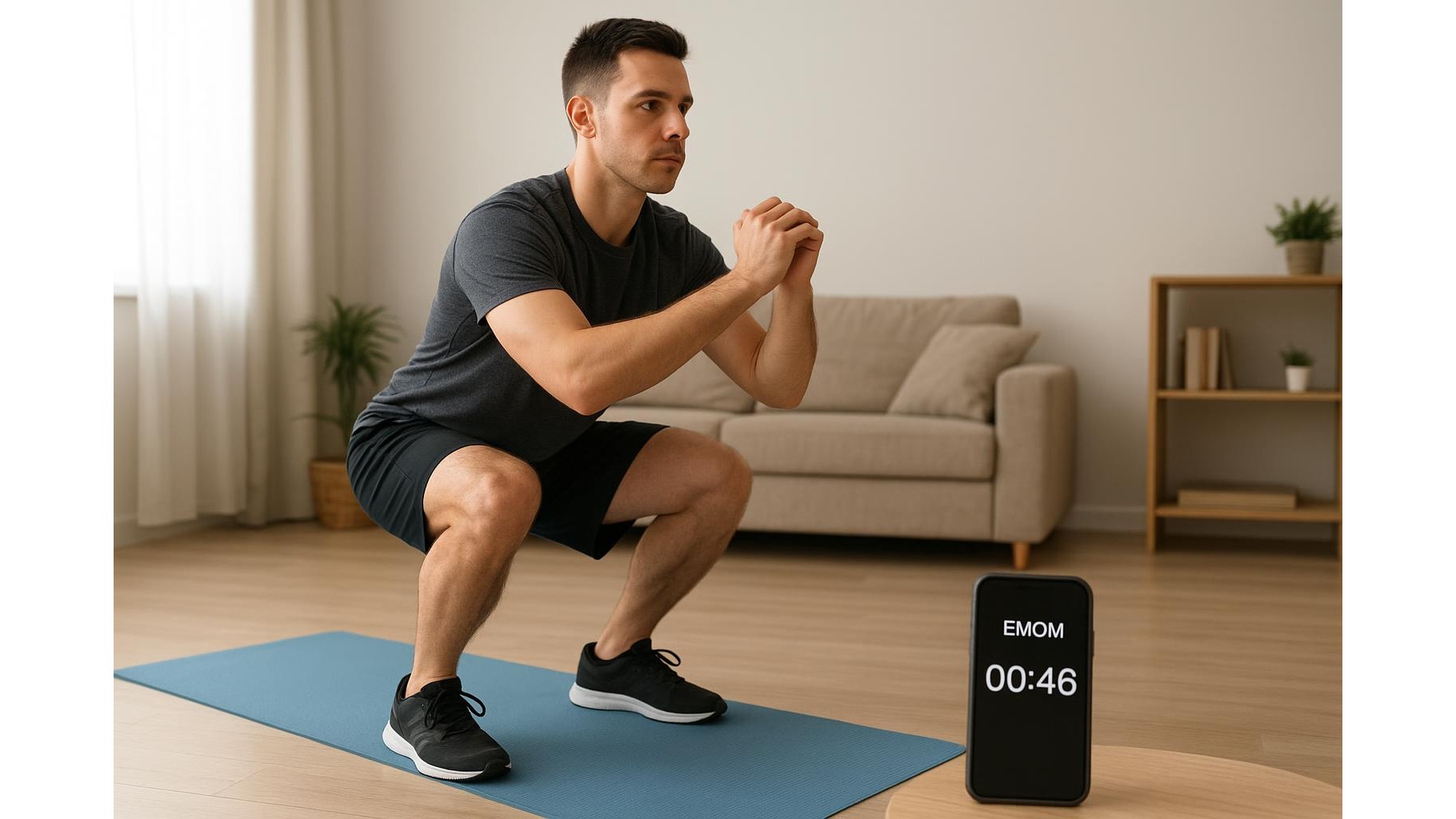
One of the biggest benefits of AI habit apps is smart reminders. Instead of generic alarms, you can set context‑aware notifications like “If I haven’t logged a workout by 7pm, remind me with a quick bodyweight routine suggestion.” Combine this with habit stacking: ask your AI coach to anchor your workout after something you already do daily, such as finishing work or making morning coffee. Over time, the app will “learn” your preferred times and can prompt you when you are most likely to follow through. The goal isn’t to rely on willpower but to make that short home session feel like an expected part of your day.
Let chatbots simplify planning and progression
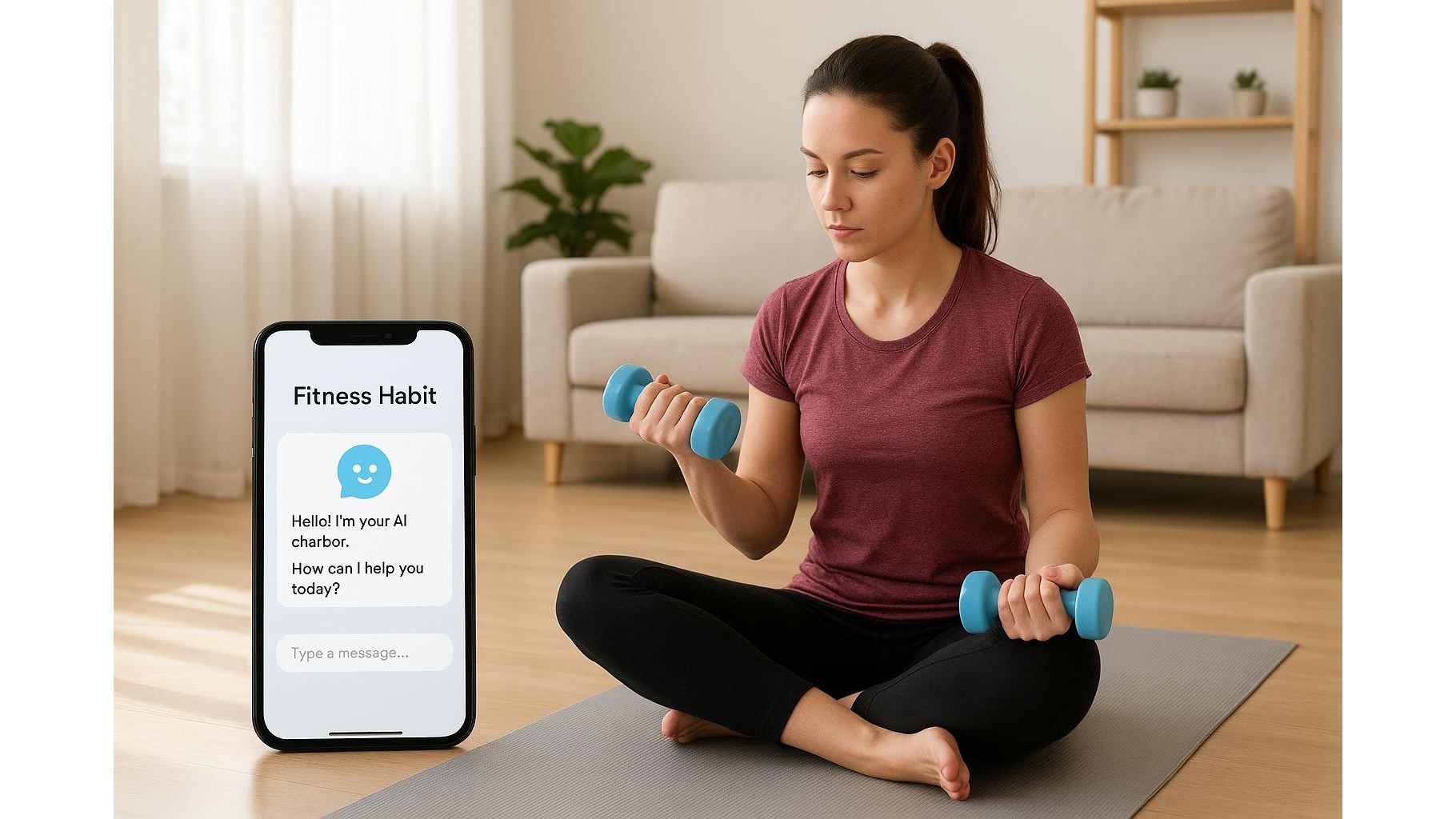
Planning is where many home routines fall apart. An AI fitness chatbot can remove friction by designing simple, equipment‑friendly workouts based on your schedule and experience level. You can ask for a 15‑minute full‑body plan for busy days, or a 30‑minute strength session when you have more time. As you log your sessions, the bot can suggest small changes: an extra set, slower tempo or a new exercise variation to keep you progressing without needing a human coach. Use the chatbot as your “planning brain” so that when workout time arrives, you already know exactly what to do and can focus on execution.
Track consistency and celebrate small wins
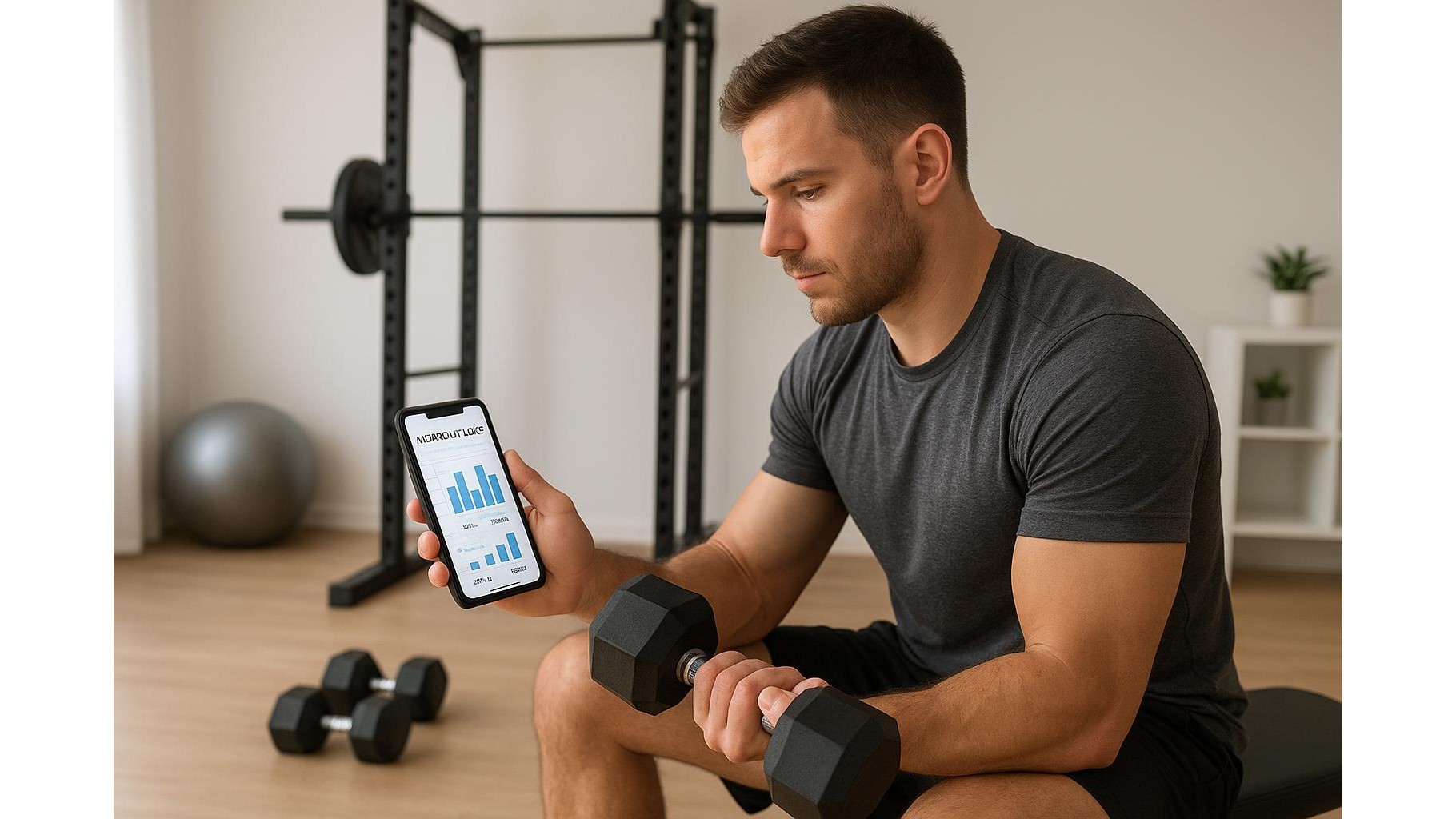
Basic AI habit coaches shine at tracking consistency and spotting patterns you might miss. Use streak counters, weekly summaries and visual calendars to see how often you actually train at home. Many apps will send tailored encouragement when you hit mini‑milestones – such as completing three weeks without missing a session – or gentle nudges when your streak breaks. Treat these as feedback, not judgment. Ask the AI what changed during off weeks (less sleep, more work stress, different workout times) and adjust your plan accordingly. Celebrating small wins keeps motivation alive during the slow, steady phase where real fitness improvements happen.
Combine AI with simple home equipment
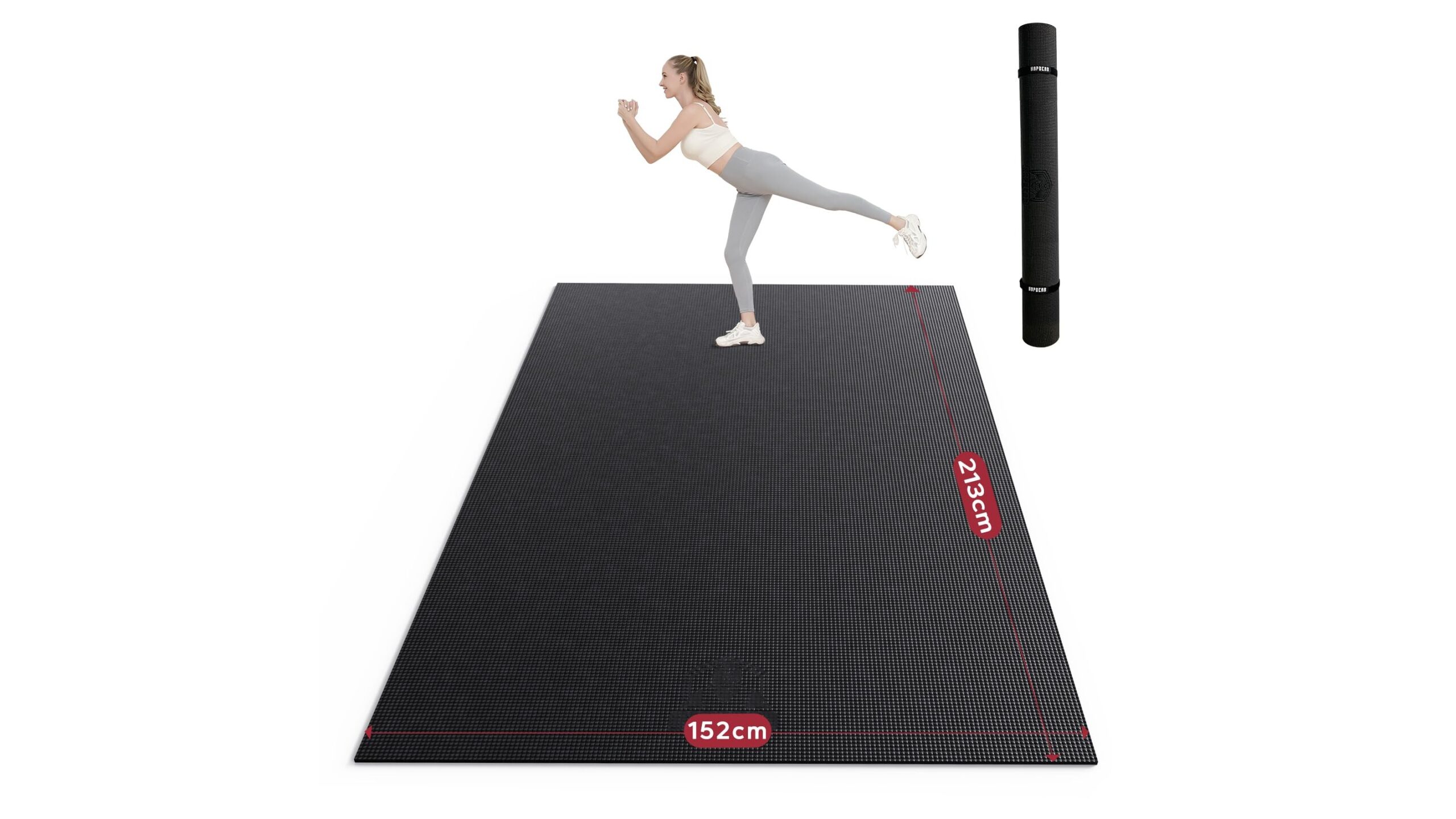
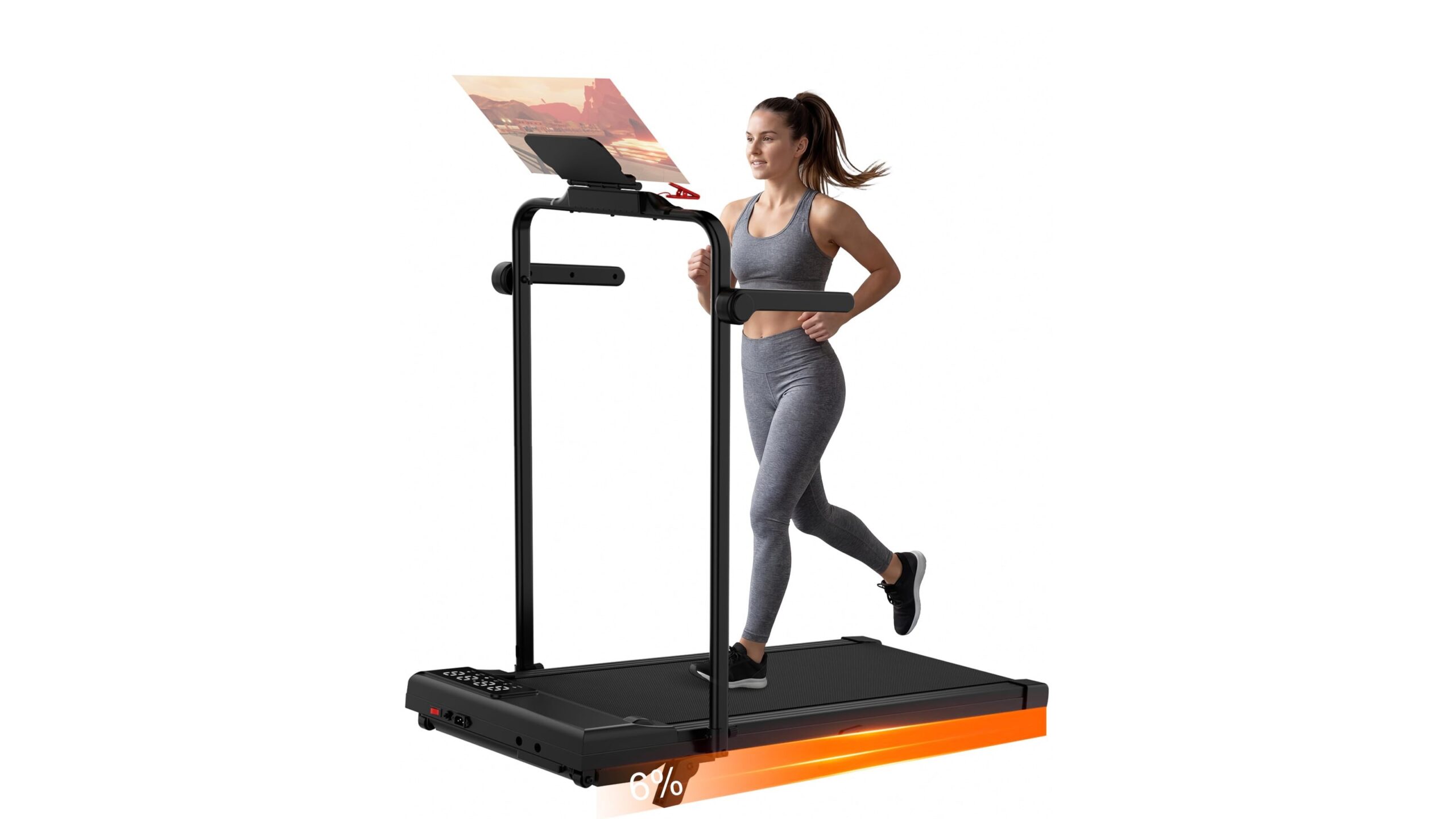
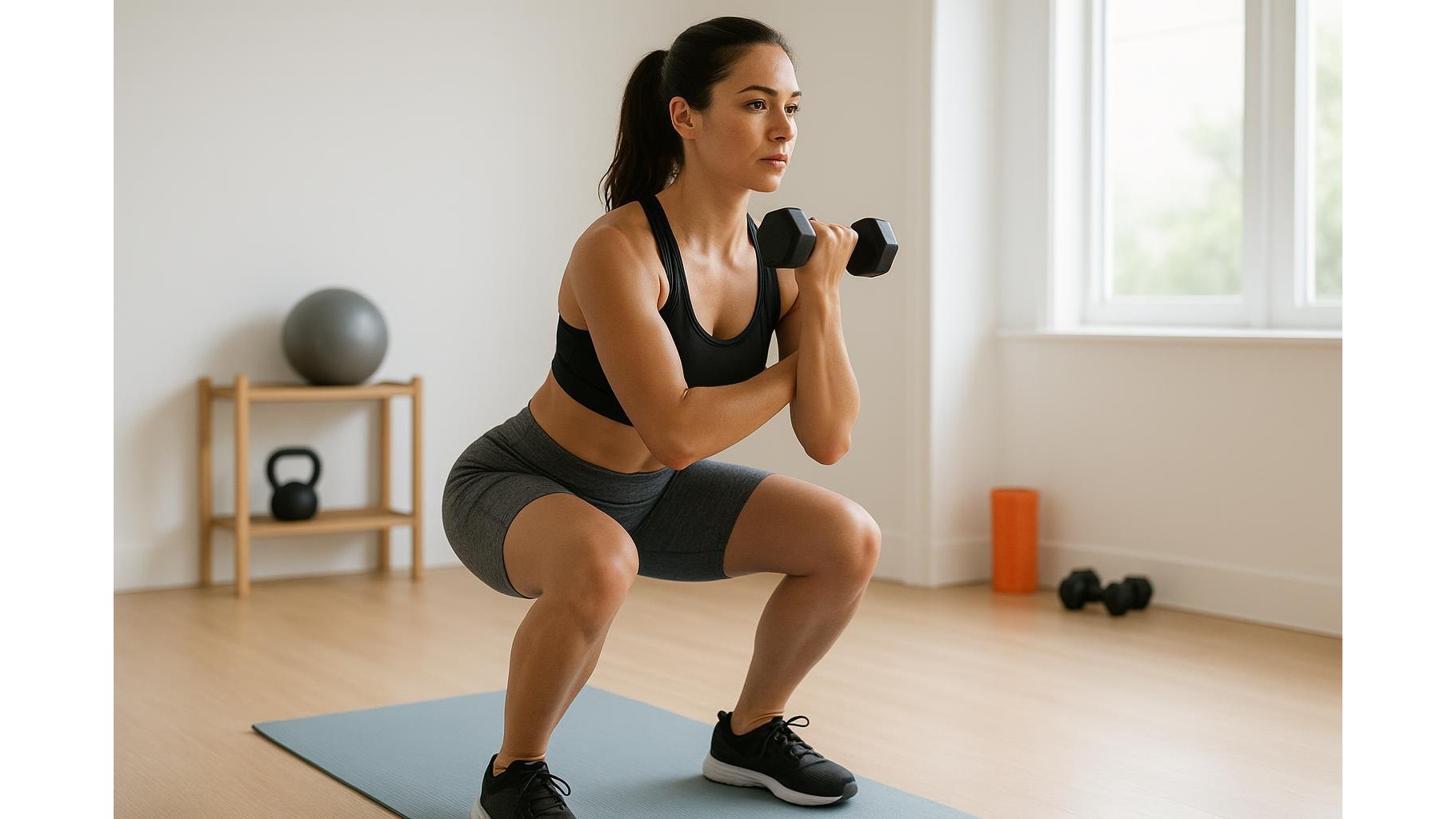
AI coaches are most effective when they pair with a few pieces of versatile home gym equipment. Even with only resistance bands, a yoga mat and a pair of adjustable dumbbells, an AI chatbot can generate dozens of full‑body routines. Use your habit app to tag workouts by equipment (“band only”, “bodyweight”, “dumbbells”), so on low‑energy days you can quickly ask for the simplest option that matches your available gear and time. This reduces decision fatigue and excuses. Over time, you will build a library of go‑to sessions that your AI coach can remix into new plans while keeping your routine interesting.
Adjust, review and stay flexible over the long term
Consistency does not mean rigidity. A good AI habit coach helps you adapt your home workout schedule as life changes. Review your training data every few weeks: ask the app when you most often skip workouts, which days feel easiest and which sessions you enjoy the most. Then tweak your plan – shifting workout times, shortening sessions, or changing focus from strength to mobility during stressful periods. By using AI not just for reminders but for ongoing reflection and adjustment, you build a routine that can survive busy seasons, minor injuries and motivation dips. The result is a sustainable, long‑term home fitness habit that feels tailored to you.
Over time, these simple AI tools become a quiet, reliable support system for your home workout routine. They help you clarify goals, remember sessions, plan smartly and learn from your own patterns. Used well, basic AI habit coaches do not replace discipline – they amplify it, making it easier to show up, week after week, until training at home feels like a natural part of who you are.