Turning your living room into a smart home gym is easier when your Apple Watch, Garmin or Fitbit becomes a personal coach. With the right settings and apps, these wearables can guide your strength workouts at home, timing sets and rest, counting reps and tracking progress so every session is structured instead of improvised.
Table of contents
Setting up Apple Watch for structured strength at home
The Apple Watch works best for home lifting when you customise the Workout app and pair it with a strength‑focused companion app. In the built‑in Workout app, choose Strength Training or Functional Strength Training and turn on Auto‑Pause so rest periods are captured when your heart rate drops. Third‑party apps like Strong, Fitbod or HeavySet on your iPhone can send guided workouts to your watch, letting you log sets, reps and load directly on your wrist while following structured programmes on your phone or Apple TV. Use haptic alerts to signal when your rest timer is over, so you never have to stare at a wall clock between sets of squats or presses.
Using Garmin wearables to build repeatable lifting sessions
Many Garmin watches, such as mid‑range Forerunner and higher‑end Fenix or Epix models, include a dedicated Strength activity with set and rep tracking. When you start a Strength activity, you can pre‑plan a workout in Garmin Connect on your phone—choosing exercises, sets, reps and rest durations—and send it to your watch as a structured workout. During your home gym session, the watch automatically detects reps for common movements and vibrates when it’s time to rest or lift again. You can manually edit rep counts on the watch if detection is off, ensuring accurate training logs. Over time, Garmin Connect graphs your volume and 1RM estimates so you can see whether your progressive overload strategy is working.
Turning a Fitbit into a simple strength‑training coach
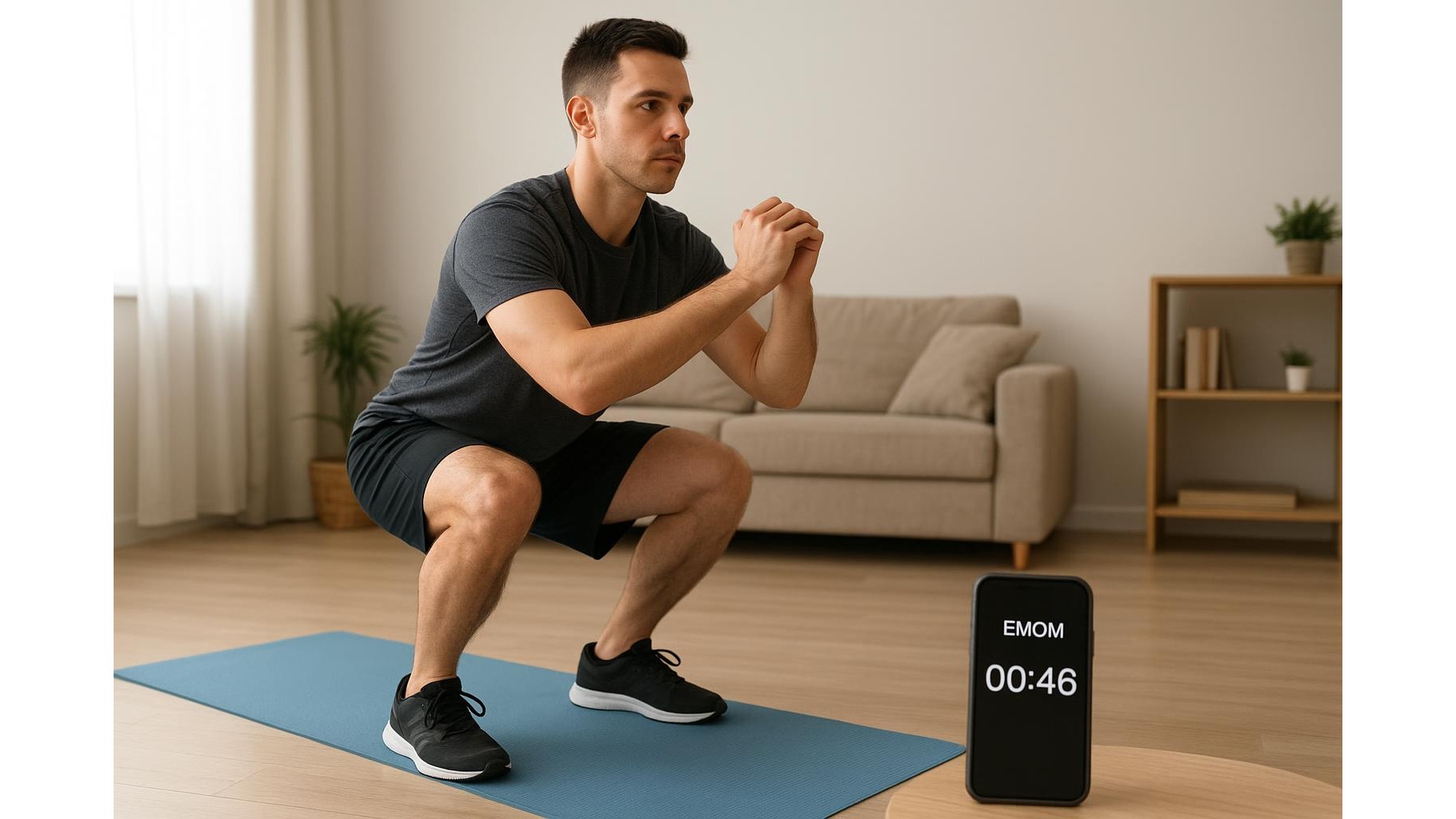
A Fitbit tracker is less feature‑rich for lifting than Apple or Garmin, but it still makes a solid home strength companion. Devices like the Fitbit Charge or Versa line offer Exercise modes where you can select Weights or Workout to track heart rate, calories and time under tension. In the Fitbit app, create interval workouts with work and rest segments that match your sets and recovery times—ideal for circuits or EMOM‑style home sessions. Combine that with Daily Readiness or heart‑rate zone feedback to see if you’re recovered enough for a heavy day. While you’ll usually log sets and reps manually in the app, Fitbit’s strengths are simplicity, easy‑to‑read metrics and gentle coaching prompts that encourage consistency.
Apps and workflows to track sets, reps and rest times
To get the most from your wearable, pair it with the right strength training apps and a clear workflow. On Apple Watch, apps like Strong or Fitbod let you pre‑build workouts, then tick off sets on your wrist while automatic rest timers vibrate when it’s time to lift again. On Garmin, use Garmin Connect to design structured strength workouts, then follow them step‑by‑step on the watch screen. With Fitbit, lean on the Interval Workout feature to create simple work/rest blocks that mimic your sets. In every case, aim to record three key variables: sets, reps and load, alongside rest duration. That way your watch history becomes a training diary you can actually use to adjust volume, intensity and frequency over weeks and months.
Coaching yourself: metrics that matter in home strength training
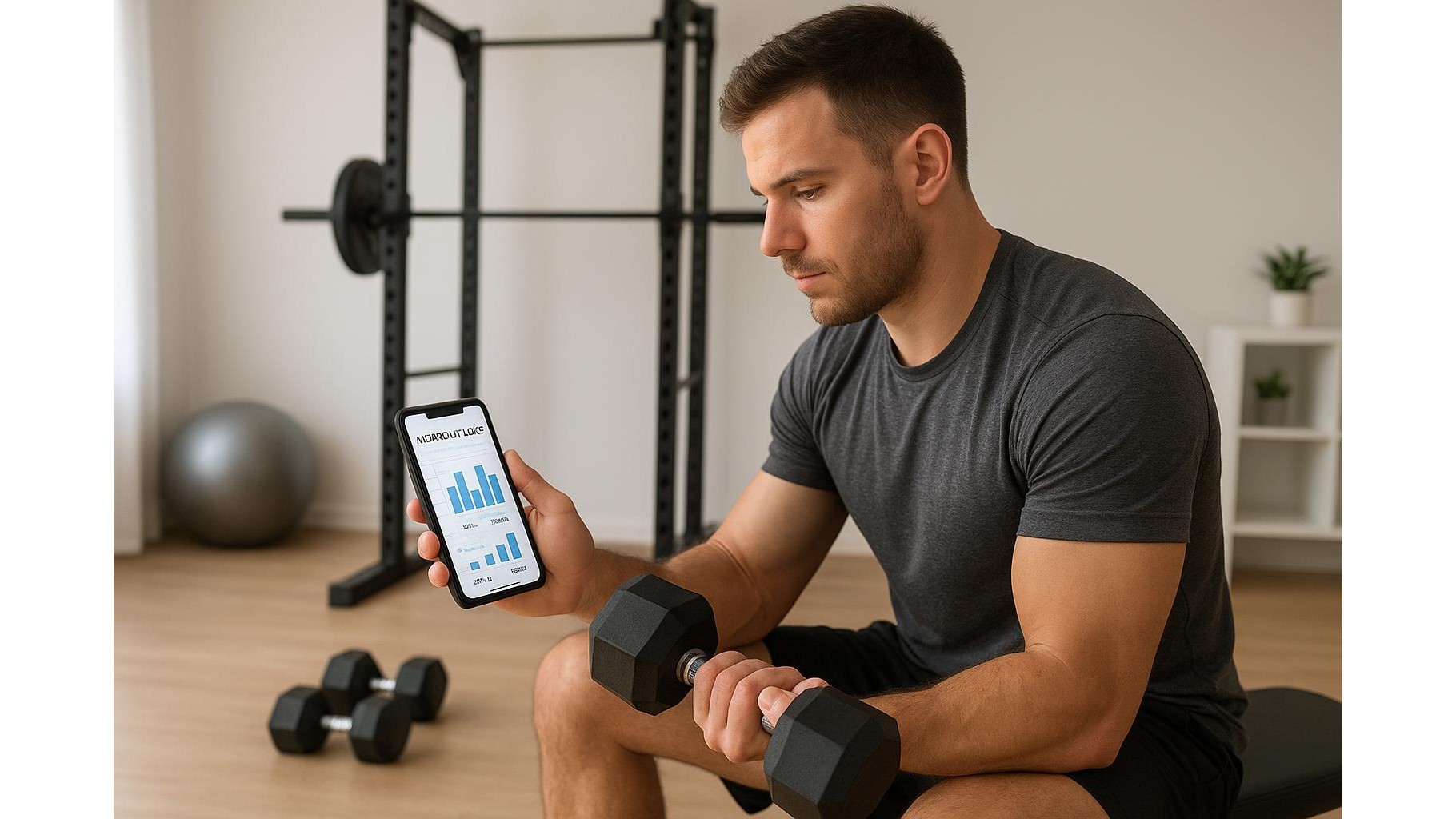
Wearables can’t feel the weight in your hands, but they can coach your home strength workouts by highlighting the right metrics. Use heart rate to gauge recovery between sets—letting it drop closer to baseline before heavy lifts, or keeping it elevated for conditioning‑style circuits. Track training volume (sets × reps × load per exercise) through your apps and look for gradual increases over time. Pay attention to session frequency per muscle group, aiming for at least two quality sessions per week. Finally, monitor sleep and overall recovery scores from your Apple Watch, Garmin or Fitbit to decide when to push and when to back off. By combining these metrics, your wearable becomes a data‑driven coach that makes your home gym training smarter, not just harder.
With a little setup, your Apple Watch, Garmin or Fitbit can transform basic home workouts into structured, progressive strength programmes. Choose the device and apps that match your style—Apple for deep app integration, Garmin for detailed workout structure, Fitbit for straightforward guidance—and commit to logging sets, reps, rest and load every session. Over time, those small habits turn your smartwatch into a reliable training partner that helps you lift better, recover smarter and reach your strength goals without leaving your home gym.