In a world of constant notifications, using your phone for training plans can quickly derail even the best workout. A simple e-reader like a Kindle can become a powerful, distraction-free workout guide in your home gym. With a glare-free screen, long battery life and zero social media apps, it’s the ideal device for storing training programs, exercise libraries and progress notes so you can stay focused on every rep.
Table of contents
Why your e-reader beats your phone in the home gym
Most modern e-readers offer a crisp, paper-like display that’s easy on the eyes, even under harsh garage lights or near a sunny window. Unlike a smartphone or tablet, a dedicated e-reader typically has no access to social media, games or messaging apps, so there’s far less temptation to check notifications between sets. Many models include adjustable backlighting, weeks-long battery life and lightweight designs that make them comfortable to hold or prop up near your rack. You get exactly what you need for training—your plan, your cues and your logs—without the digital noise.
Setting up your e-reader as a training hub
Start by creating a dedicated folder or collection for your workout programs. Convert your existing routines—whether from spreadsheets, coaching PDFs or apps—into simple PDF or ePub files and load them onto your e-reader via USB or wireless transfer. Organise them into subfolders like “Full Body”, “Strength”, “Conditioning” or “Mobility” so you can access the right plan in seconds. Use clear, consistent naming (for example, “4-Day Upper Lower – Phase 1”) to avoid confusion as you progress. This “training hub” turns your e-reader into a structured library of workouts you can rotate through for months without touching your phone.
Building an exercise library with cues and images
Next, create a personal exercise library that lives permanently on your e-reader. For each movement in your program—squats, deadlifts, presses, rows—build a page or small document with step-by-step technique cues, common mistakes and coaching tips. You can embed simple line drawings or low-contrast images to illustrate positions without clutter. Group exercises by pattern (hinge, squat, push, pull, core) so you can quickly flip between them during your session. Over time, this becomes your own mini coaching manual: when a lift feels off, you simply pause, open the relevant page, review your cues and immediately apply them to the next set.
Using your e-reader for logging and progression
Your e-reader can also become a powerful, low-tech training log. Some models allow basic note-taking or highlighting directly in documents, so you can record weights, reps and RPE alongside the workout. Alternatively, maintain a simple text-based training diary where each day has its own entry. Keep the format lightweight: date, session type, main lifts, accessories and a quick note on how you felt. This running log lets you track progression over weeks and months, check previous bests and note any tweaks that helped (like stance width or tempo). The absence of charts and notifications actually makes it easier to focus on the only metrics that matter: consistency and gradual improvement.
Practical tips for using an e-reader in your home gym
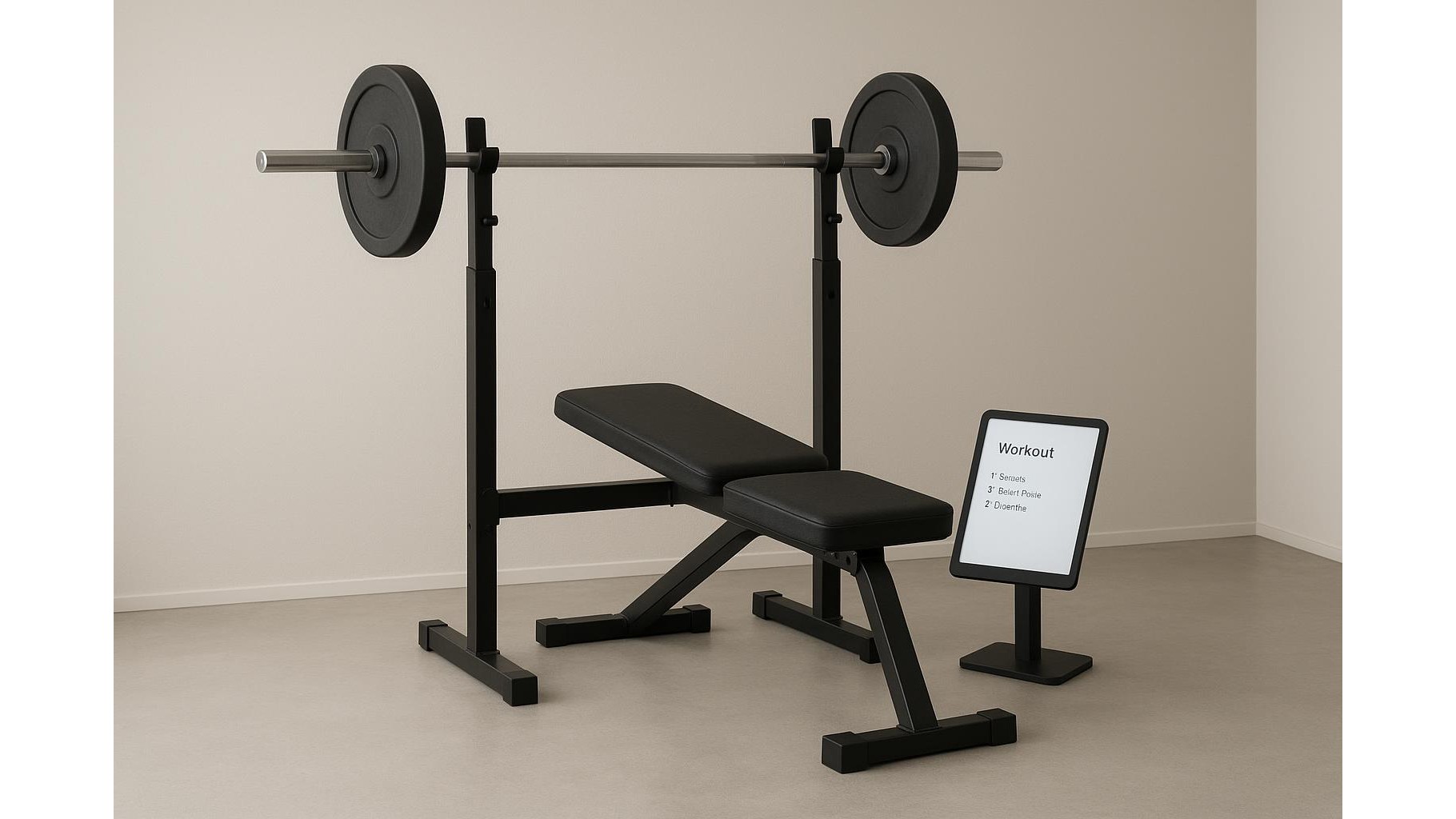
To make your e-reader truly gym-ready, think about positioning and protection. Use a simple stand, shelf or music stand to keep the screen at eye level for quick reference between sets. Consider a basic protective case and keep a small towel nearby to wipe away chalk or sweat. Before you train, open the exact program and pages you expect to use so there’s zero friction once you start the warm-up. Turn on airplane mode if your device supports wireless connectivity, and keep the brightness low but readable to maximise battery life. With this setup, your e-reader becomes a calm, focused command centre for your entire home workout.
The more you build your e-reader into your routine, the more it feels like a dedicated training companion rather than just a reading device. By storing structured programs, clear exercise cues and honest progress notes, you remove the biggest source of distraction—the smartphone—while gaining a reliable guide that’s always ready in your home gym. Set it up once, refine it as you go and let a simple, distraction-free screen support years of consistent, focused training.