Creating a smart home gym does not have to mean buying an expensive connected treadmill or mirror. With a basic voice assistant, a few smart plugs and some simple sensors, you can automate your workouts, keep yourself accountable and make training smoother and more fun. This guide shows how to build a simple, budget‑friendly setup using Alexa, Google Assistant or Siri, plus a couple of affordable accessories.
Table of contents
Choose your voice assistant as the workout hub
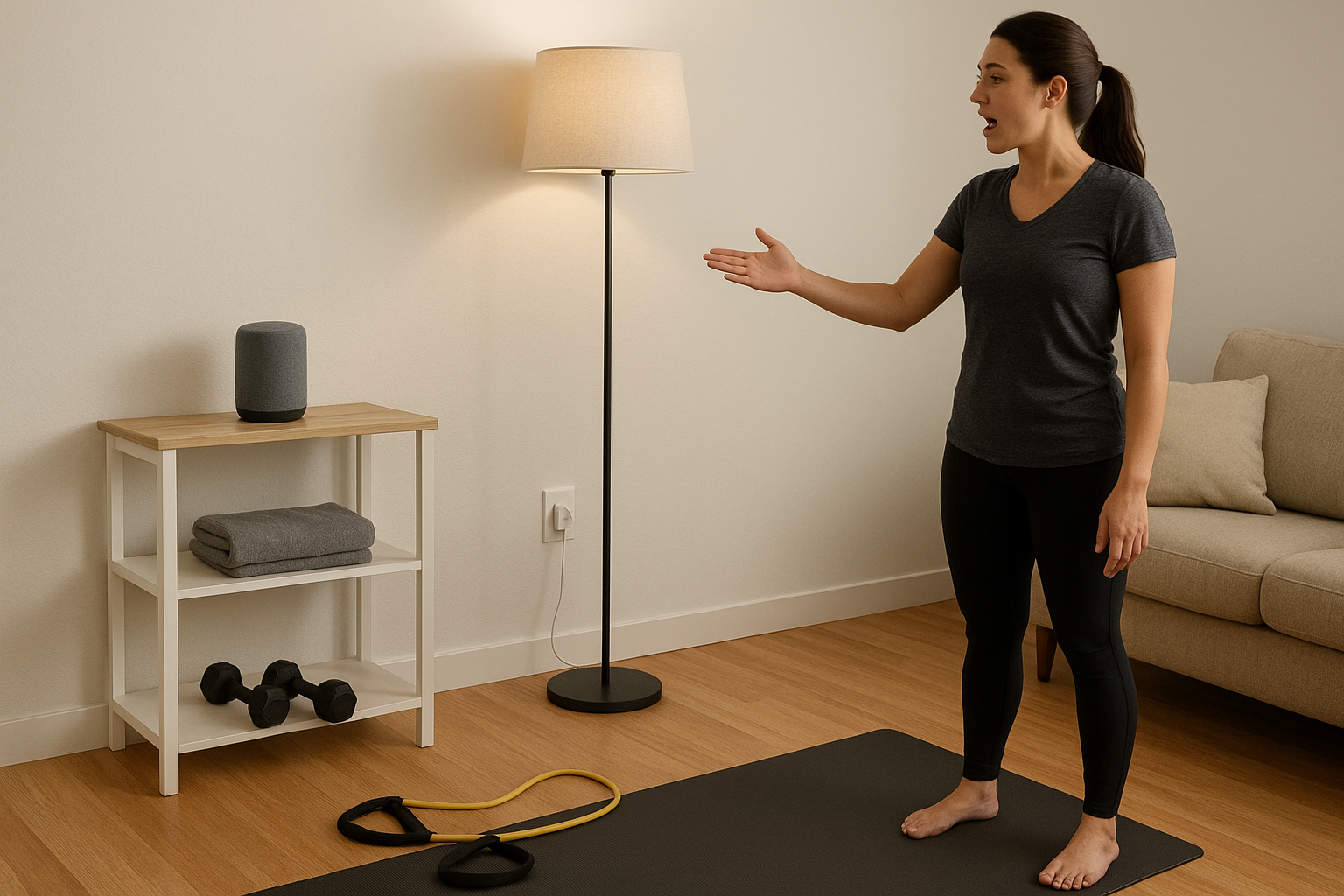
The core of a simple smart home gym is a voice assistant that can set timers, control devices and play music or workout videos. Any recent Amazon Echo, Google Nest speaker or Apple device with Siri can act as your hub. Place it where it can hear you over music and movement – for many people, that is a desk, shelf or TV unit in the workout area. Use voice routines such as “start workout” to launch a series of actions: start a warm‑up timer, play a playlist and turn on lights. This way you avoid fiddling with your phone in the middle of an exercise and keep your hands free.
Automate lights and equipment with smart plugs
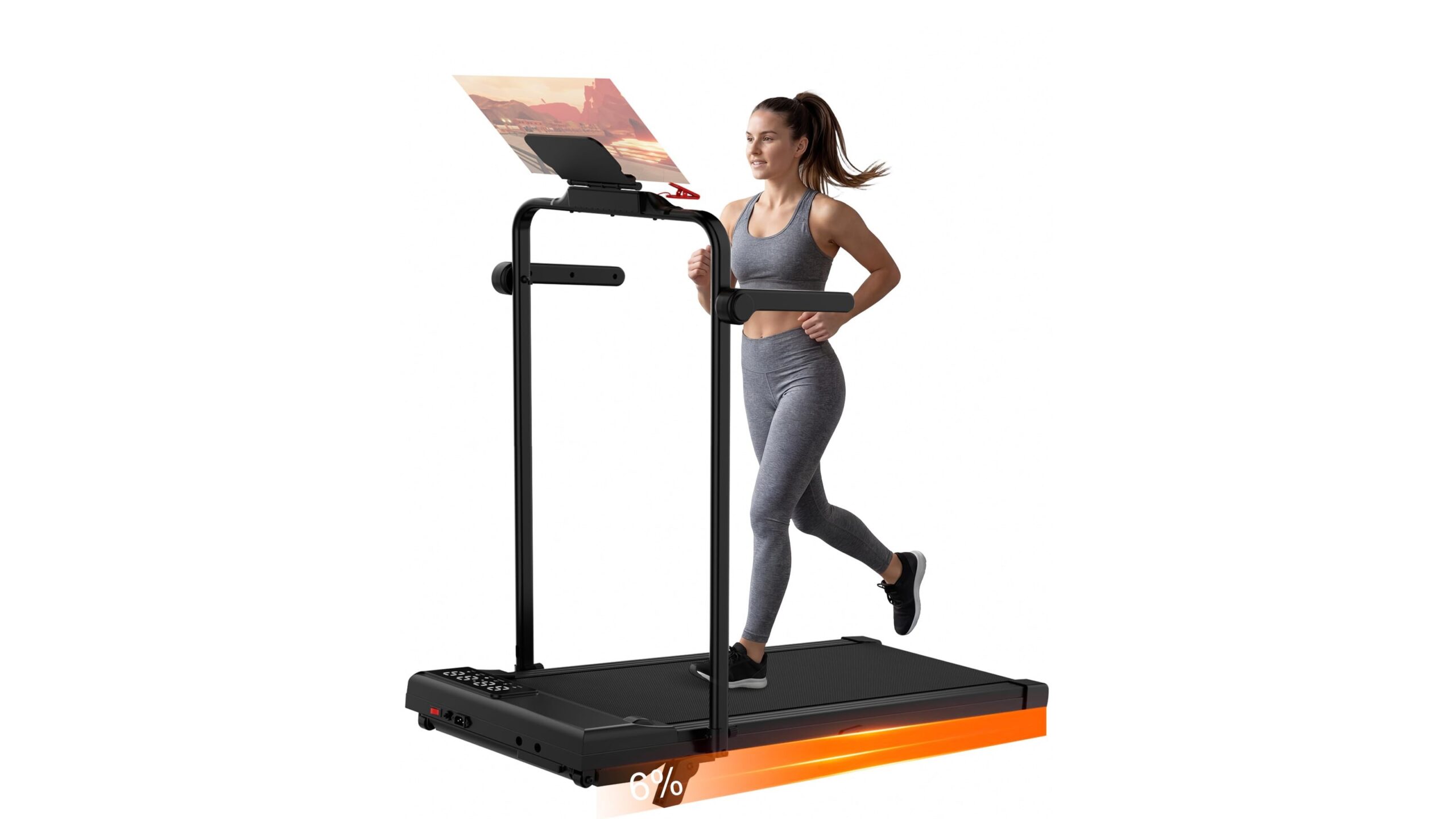
Smart plugs are the easiest way to make existing gear feel like smart gym equipment. Plug your floor lamp, fan, or even a basic treadmill into a Wi‑Fi smart plug that works with Alexa, Google Assistant or Siri. Then you can say things like “turn on gym lights” or “turn off the fan in 10 minutes” without walking across the room. Create time‑based automations so that your workout corner automatically lights up at your preferred training time, which can help you stay consistent. Because smart plugs are affordable and portable, you can start with one or two and expand as you refine your routine.
Use simple timers and routines to structure workouts
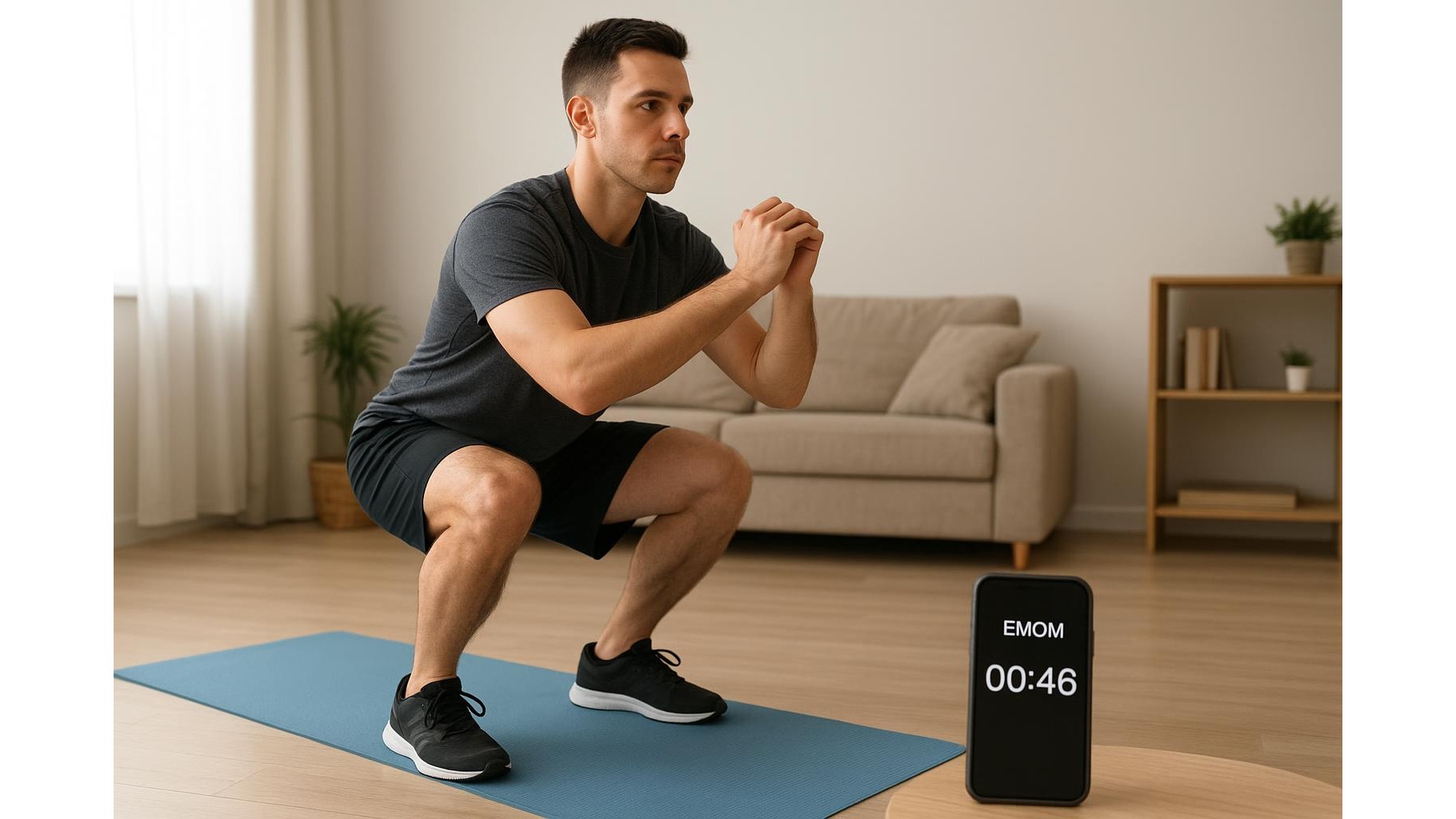
One of the most powerful features of any voice assistant is the ability to run timers and routines. Instead of counting seconds yourself, ask, “Set a 30‑second timer for squats” or “Repeat a 1‑minute on, 30‑seconds off timer five times.” You can also combine timers with other actions in a routine: when you say “HIIT session,” your assistant can start an interval timer, increase the speaker volume and switch on a fan via a smart plug. This structure makes home workouts feel more like coached sessions and reduces the mental load of planning every set and rest period.
Add basic sensors for accountability and comfort
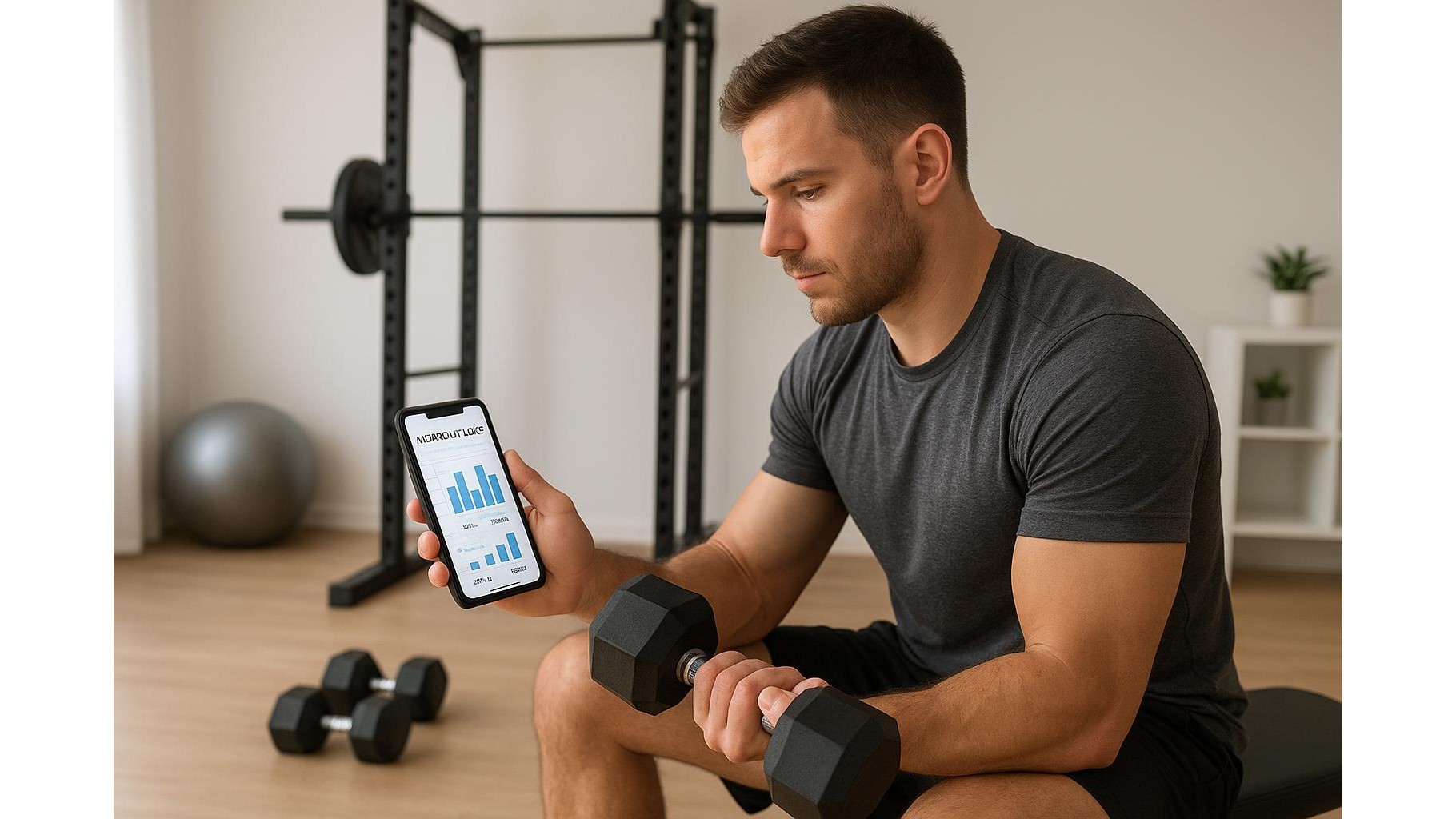
To enhance your home gym automation without high‑end hardware, consider a couple of basic sensors. A motion or presence sensor can be used to trigger lights or music when you enter the workout space, making it harder to back out of a planned session. Temperature and humidity sensors can tell your system when the room is getting too warm, prompting your assistant to switch on a fan or remind you to open a window. Even a simple heart rate monitor or step sensor paired with your phone can feed data to your chosen ecosystem, helping you track effort and stay within your desired training zone.
Keep everything simple, safe and budget‑friendly
When setting up a smart home gym, simplicity and safety matter more than flashy gear. Start with the basics: one voice assistant, a couple of smart plugs and a sensor or two. Make sure cables are secured and that any devices you control remotely are safe to switch on and off without supervision. Focus your automations on clear benefits: better lighting, reliable timers, motivating music and a comfortable environment. Over time, you can add more smart devices, but even this minimalist setup can dramatically improve your workout flow, helping you train more consistently and with less friction.
In summary, a powerful smart home gym does not require special machines or premium subscriptions. By combining a voice assistant such as Alexa, Google Assistant or Siri with smart plugs, basic sensors and well‑designed routines, you can automate key parts of your training and create a space that nudges you to move. Start small, refine what genuinely helps your workouts and build from there – your body and your future training habits will benefit from this simple, smart setup.