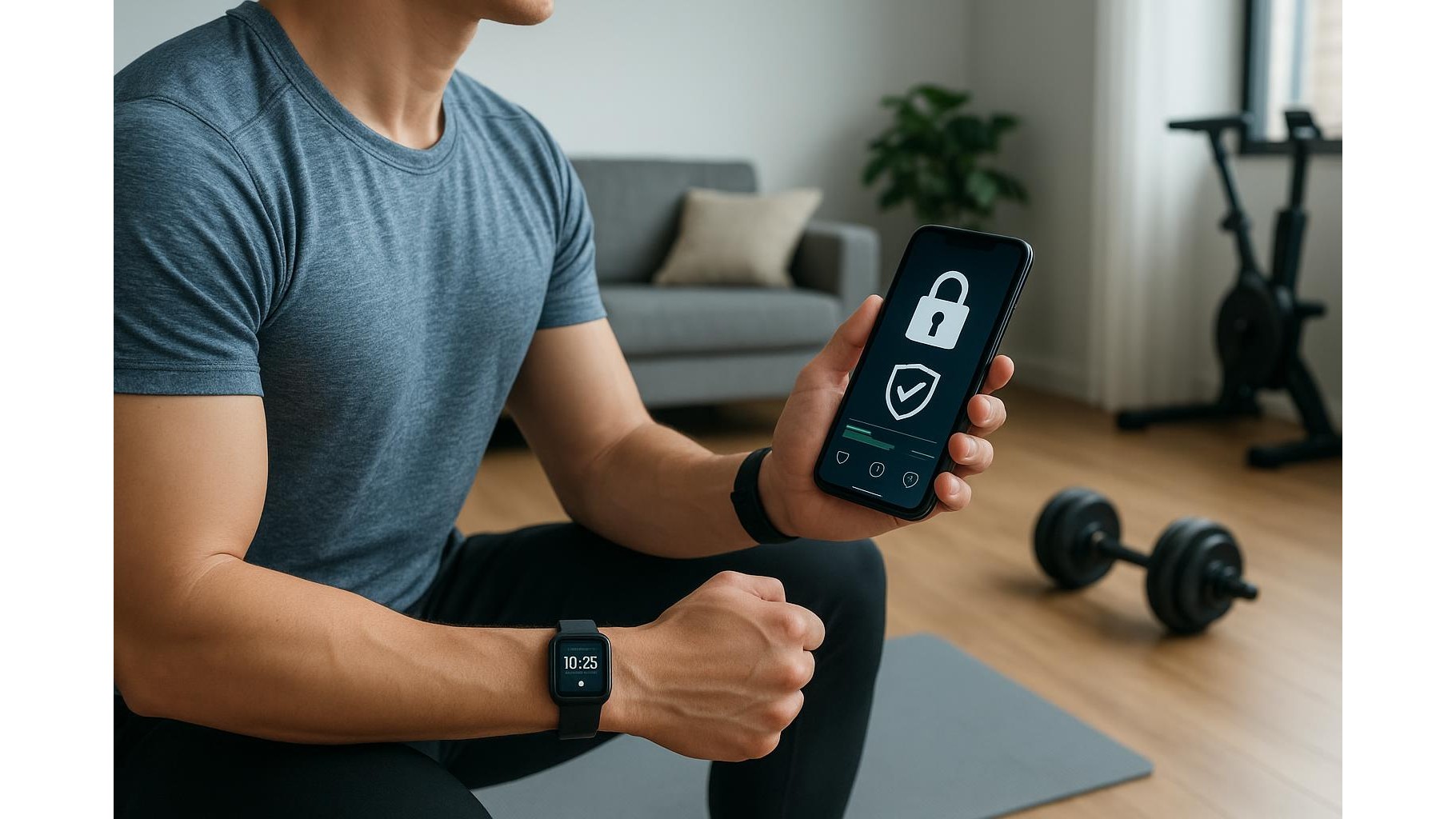
Connected fitness has turned our living rooms into smart gyms. From fitness trackers to workout apps that log every rep and heartbeat, we are generating a massive amount of health, location and training data. This data can improve your performance, but it can also expose sensitive information if you do not manage privacy settings, permissions and account security correctly. Here is how to protect your information while still enjoying your favourite home fitness technology.
Understand what your fitness devices really collect
Before strapping on a smartwatch or syncing a new workout app, take a moment to review exactly which personal data it collects. Most home fitness devices gather heart rate, sleep, step counts and sometimes GPS location to map runs or walks. Advanced trackers may monitor blood oxygen, stress levels and detailed workout metrics. In the app’s privacy policy and settings, look for how this data is used: is it only for analytics on your device, or is it shared with third parties for advertising, research or cross‑platform profiling? If you only train at home, you may not need constant location tracking at all, so consider disabling GPS and any unnecessary sensors when they are not essential to your routine.
Control app permissions and sharing between platforms
Most people connect their fitness apps to multiple platforms: cloud backups, social networks, nutrition trackers and even employer wellness programmes. Every connection is another potential window into your health data. Regularly review the list of third‑party apps that have access to your training history and revoke those you no longer use. On your phone, open the system settings and check permissions for location, Bluetooth, contacts and motion data, granting only what is strictly necessary. When an app asks to post your workouts automatically or share leaderboards publicly, opt for private or friends‑only modes. Limiting who can see your activity reduces the risk of exposing your daily schedule or home address through detailed workout maps.
Secure accounts with strong logins and privacy‑first profiles
Your privacy is only as strong as your account security. Start with unique, complex passwords for each fitness service and store them in a reputable password manager. Enable two‑factor authentication (2FA) wherever possible so that a stolen password alone cannot unlock your training and health history. When setting up profiles on workout platforms, minimise what you share: use a nickname instead of your full name, and avoid publishing your exact birth date, address or workplace. Many users unknowingly set their default profile visibility to public; dive into the app’s account section and switch to more restrictive options. A privacy‑aware profile keeps your home workout routine from becoming a source of personal data for strangers.
Protect data during syncing and cloud backups
Syncing your smartwatch or tracker to the cloud is convenient, but it also means your data leaves the safe environment of your home network. Check whether your chosen app supports end‑to‑end encryption or at least uses HTTPS for transfers. Avoid connecting to public Wi‑Fi networks when uploading new workout sessions; instead, sync over your secure home Wi‑Fi or mobile data. In settings, decide how long data should be kept—if the platform offers options to limit retention, choose shorter periods rather than indefinite storage. Consider exporting and deleting old workouts if you no longer need them. Having a clear view of where your data is stored and backed up helps you stay in control of years of training history.
Balance insights and privacy with mindful data choices
Home fitness technology promises better performance through analytics, but more data is not always better from a privacy perspective. Think carefully about which metrics you truly use. If you never look at advanced health statistics, switch those features off so they are not collected in the first place. Many apps let you turn off marketing cookies, personalised ads and data sharing for research—take a few minutes to opt out inside the privacy dashboard. When you upgrade devices or switch apps, remember to wipe the old wearable, delete unused accounts and remove stored payment details. Mindful choices about what you track and share mean you still benefit from guided workouts, progress charts and motivation, without giving away more of your personal life than necessary.
Build a safer long‑term home workout ecosystem
Staying fit at home with apps, smartwatches and trackers does not have to compromise your digital safety. By understanding what each tool collects, tightening permissions, applying strong account security, and managing how your workouts are synced and stored, you can build a private, secure fitness ecosystem. Treat your health, location and training data with the same care you give to your financial information: review settings regularly, remove what you no longer need and prefer services that are transparent about privacy. In doing so, you will keep the benefits of connected training while significantly reducing the risks to your personal data.