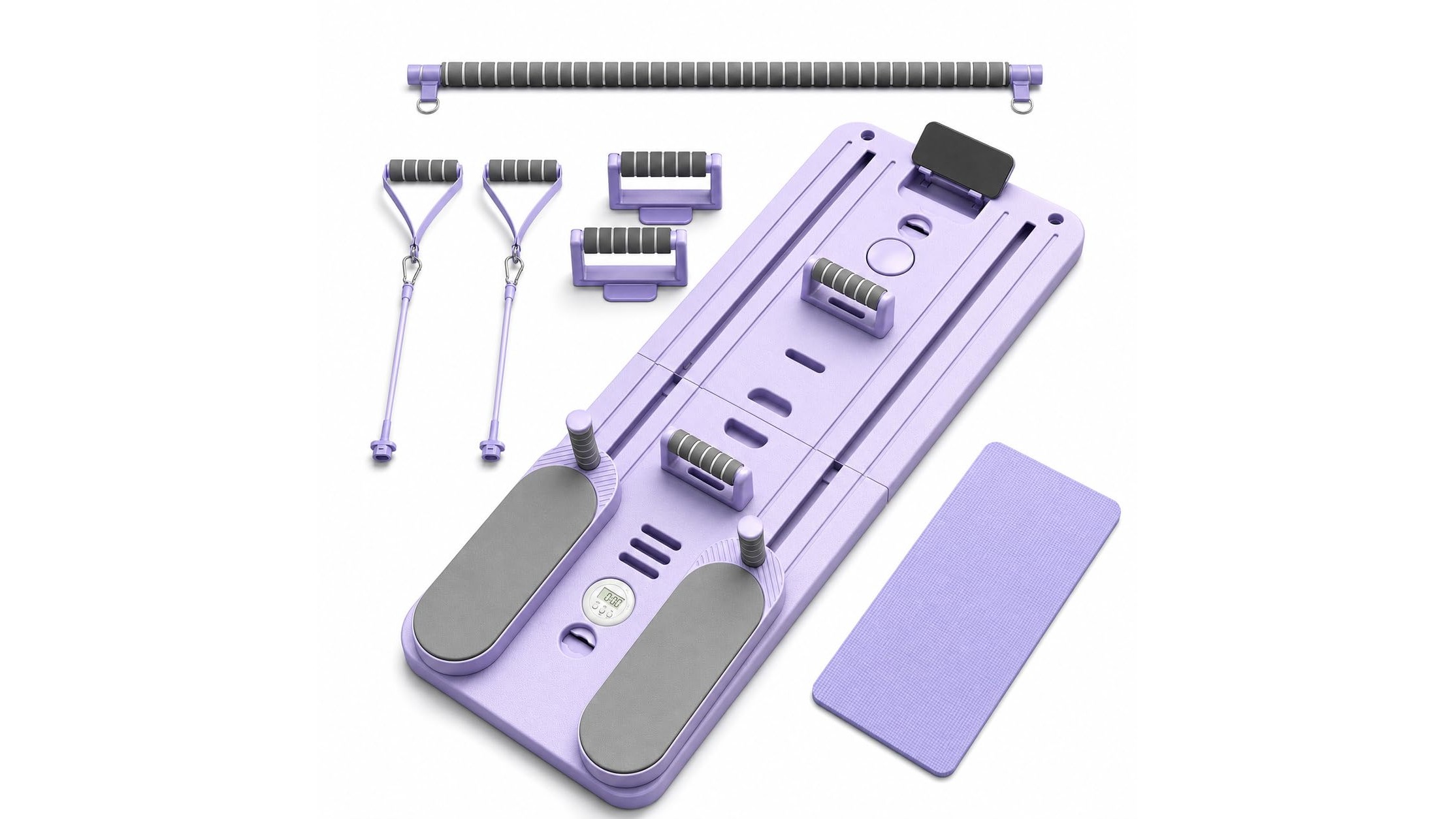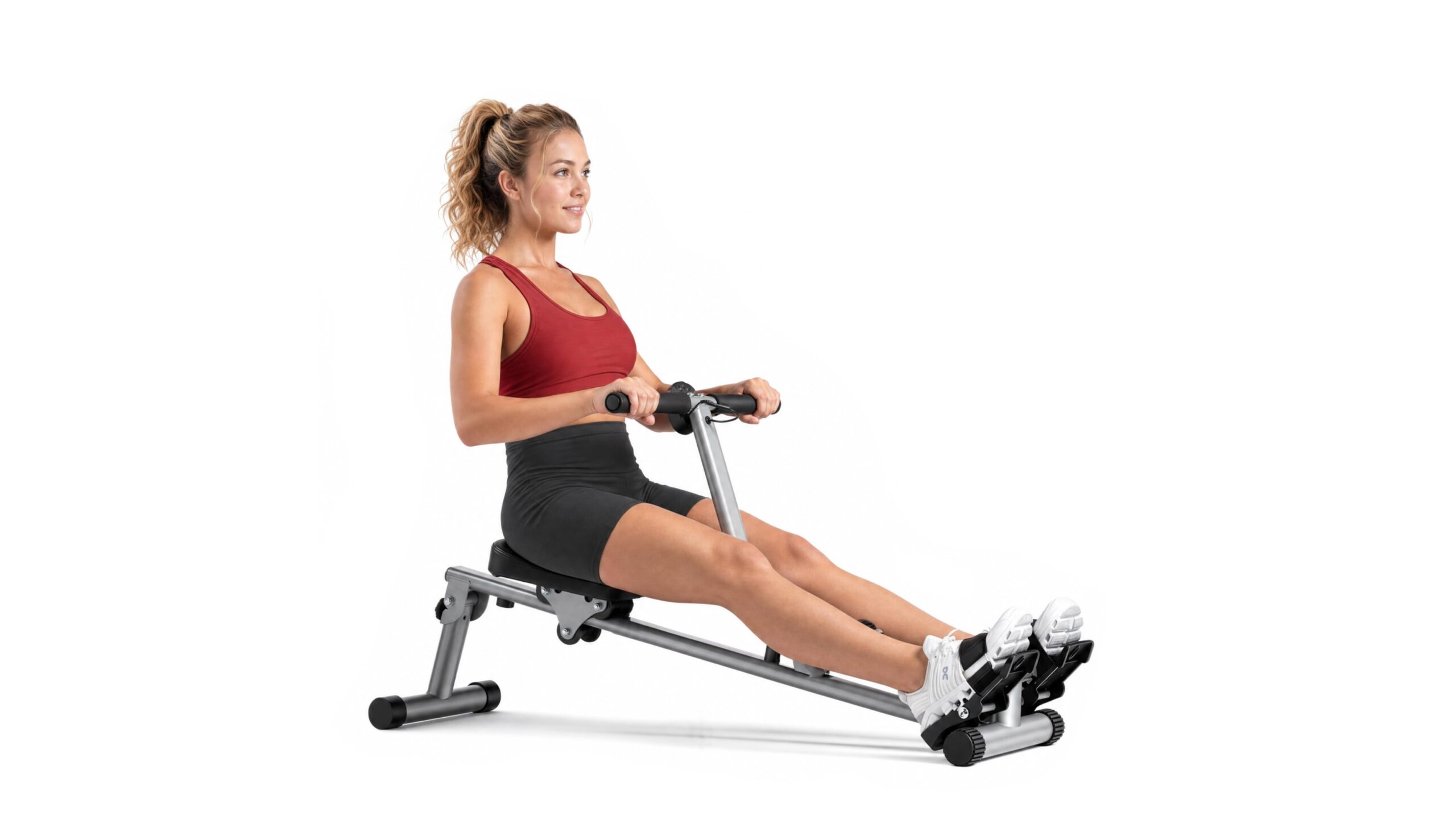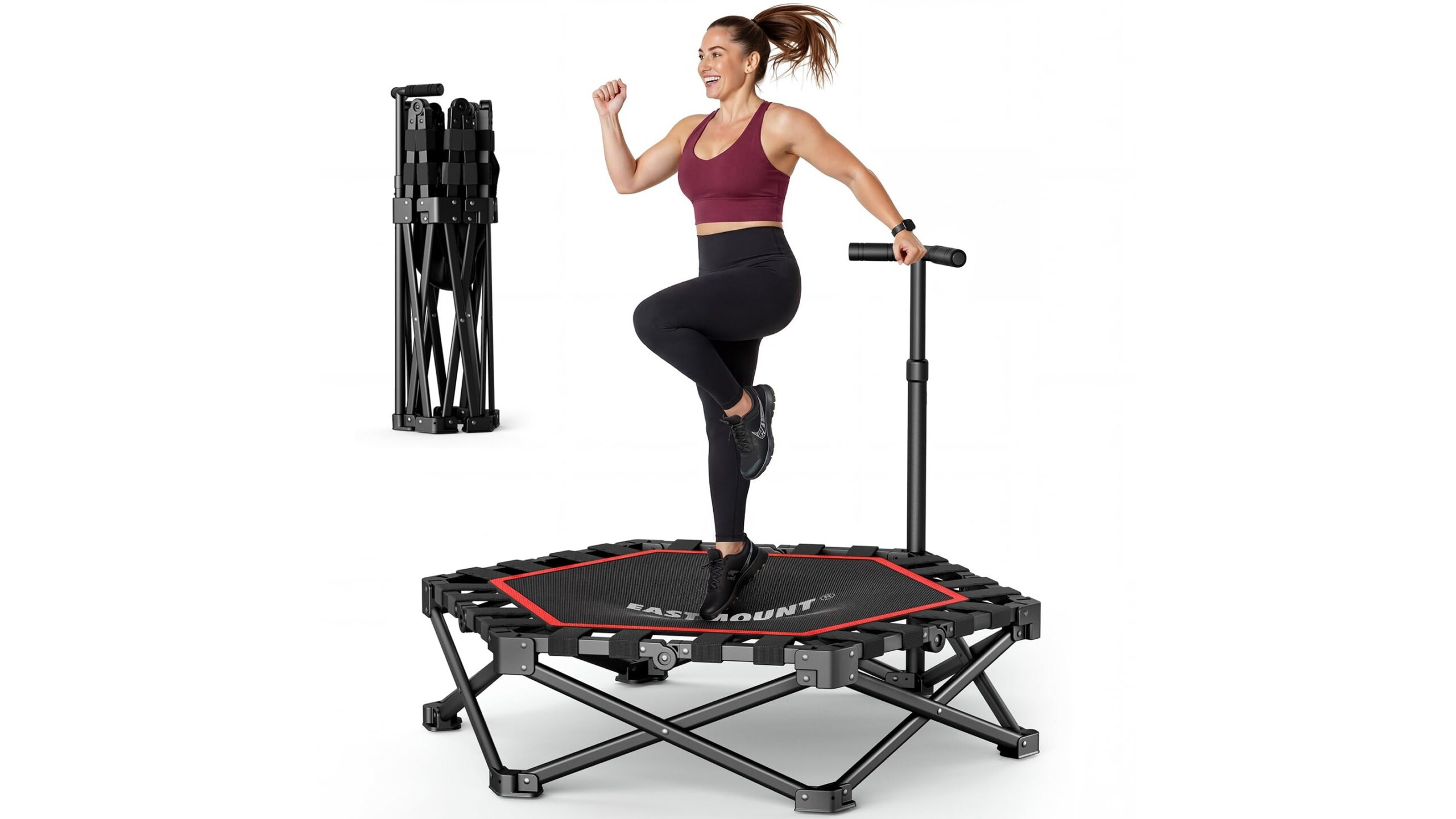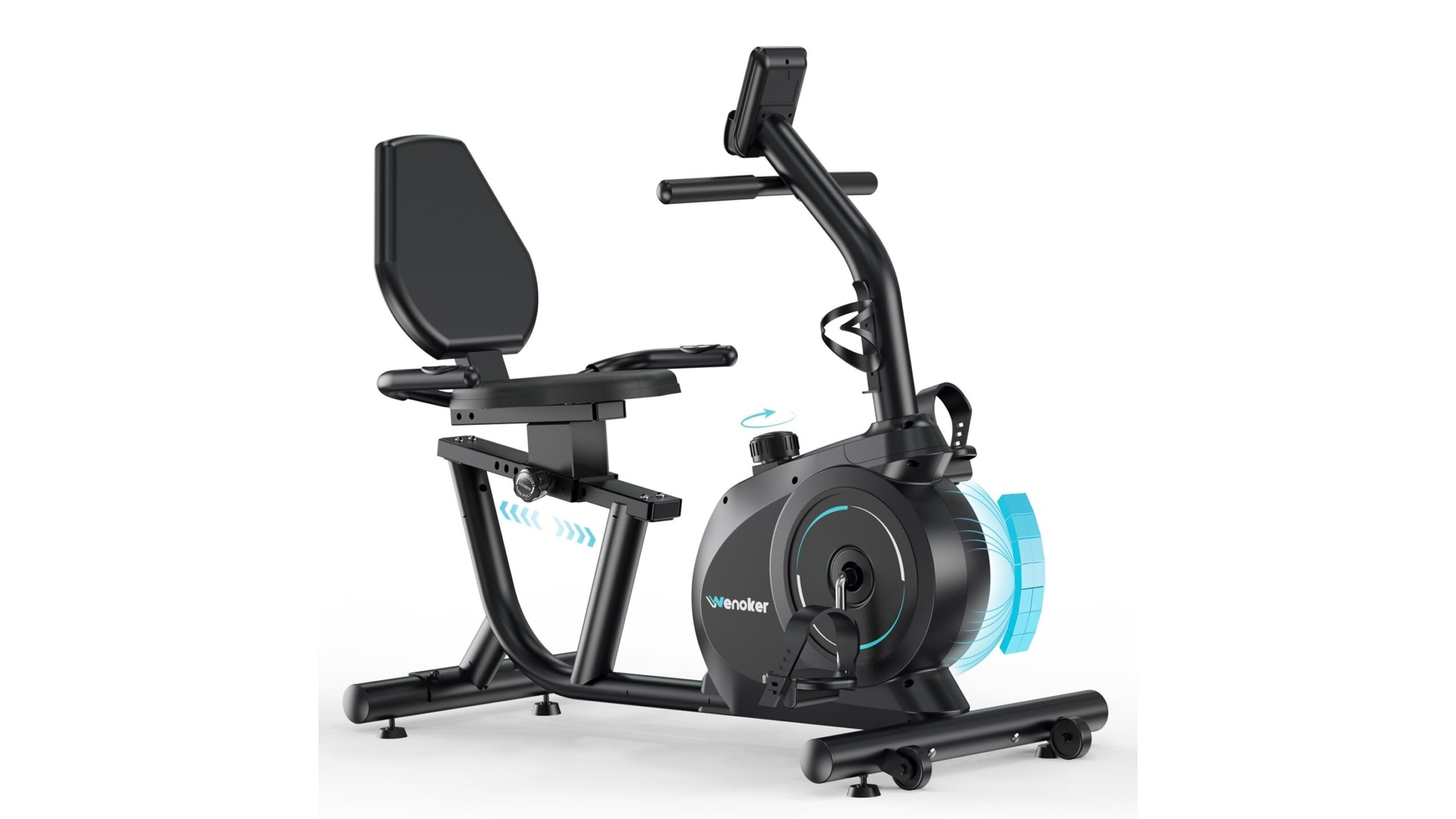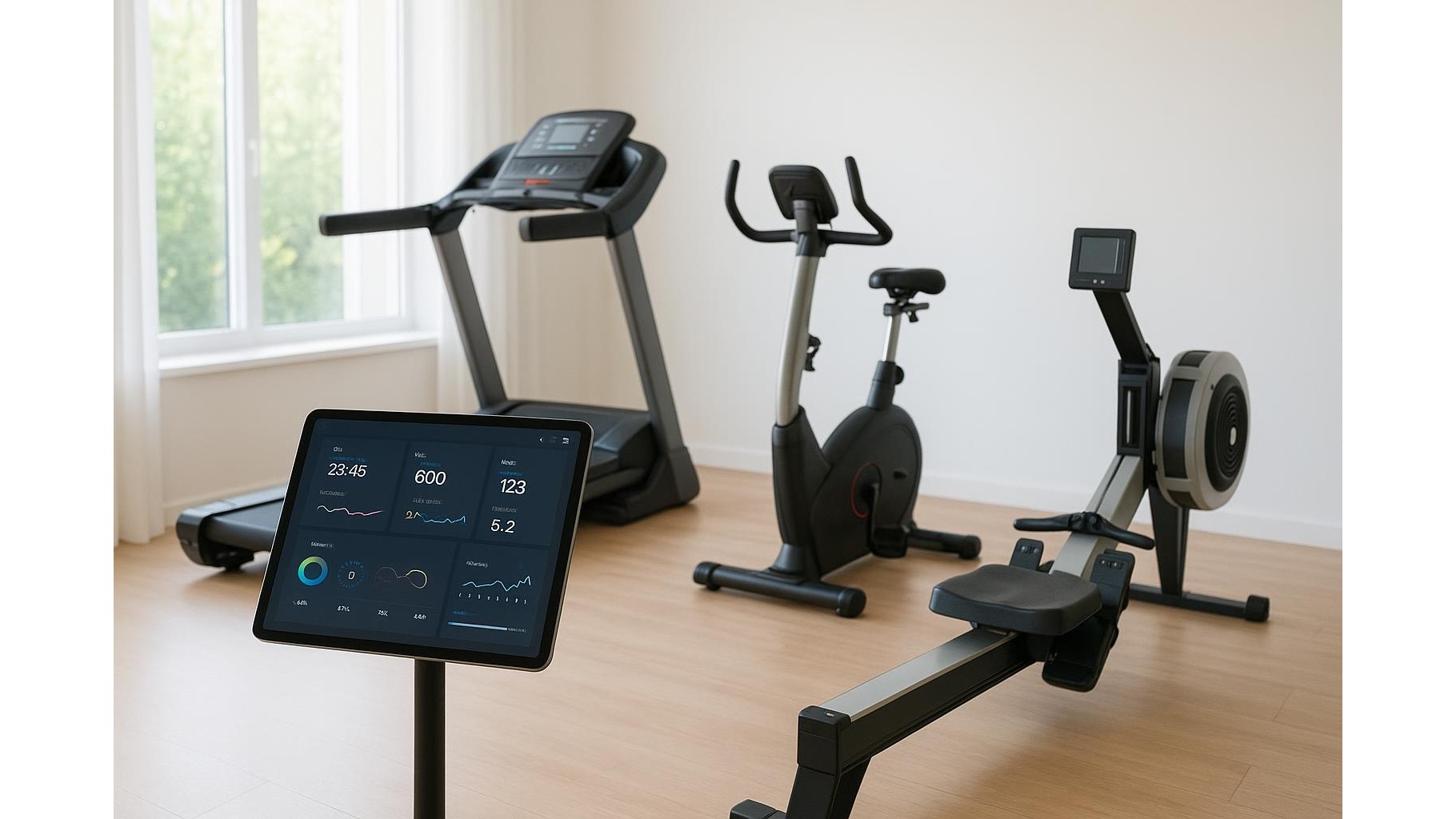
If you have a mix of home cardio machines – an exercise bike from one brand, a budget treadmill from another and maybe a compact rower – choosing the right fitness app can be confusing. Do you lock into a polished, brand-specific platform, or pick a more flexible, generic app that talks to everything via Bluetooth and sensors? This guide compares generic fitness apps and brand-specific fitness apps, and helps you decide which software ecosystem makes the most sense for your existing or future home gym.
Table of contents
What are generic vs brand-specific fitness apps?
Generic fitness apps are platforms designed to work with a wide range of home cardio machines and wearables, usually via Bluetooth, ANT+ or manual workout entry. They often connect to treadmills, exercise bikes, rowers, smart watches and chest straps from different manufacturers, giving you one hub for all your training data. Brand-specific apps, on the other hand, are built to pair tightly with a particular manufacturer’s hardware. Think of ecosystems that only unlock their best features when used with that brand’s bike or treadmill. They typically offer highly integrated features like automatic resistance control, machine-specific workouts and immersive studio-style classes tailored to the hardware.
Pros of universal apps for mixed home gyms
For most people with a non-matching setup, universal fitness apps provide more flexibility. A good generic app can log runs on your no-name treadmill, capture power data from a Bluetooth bike, and still track outdoor sessions using GPS. The main benefit is having a single dashboard for heart rate, pace, power and calories across all your activities, instead of juggling multiple brand apps. Many generic apps also integrate with popular wearables and heart-rate monitors, so you can keep consistent intensity zones regardless of which machine you’re on. If you ever upgrade or replace a piece of cardio equipment, your workout history and preferences stay in the same app, avoiding vendor lock-in and making it easier to grow your home gym over time.
Advantages of brand-locked platforms
Brand-specific fitness apps shine when you are happy to commit to one manufacturer’s ecosystem. Because the software is designed around their own bikes, rowers or treadmills, you often get tighter hardware integration: automatic incline changes to match virtual routes, resistance adjustments during interval sessions, or detailed machine diagnostics. The content side can also be stronger, with guided classes, leaderboards and structured training plans that use all the capabilities of the device. If you own a flagship connected bike or a high-end smart treadmill, the native app may be the only way to access premium features such as scenic rides, on-screen coaching and performance metrics that casual, generic apps don’t expose. The trade-off is that these advantages mostly apply to that one brand’s machines.
Compatibility checks before you subscribe
Before choosing any fitness app subscription, make a quick inventory of your cardio machines and sensors. Note which devices have Bluetooth or ANT+, and which only show basic metrics on a console. Then check the app’s compatibility list and help pages: does it support generic Bluetooth speed and cadence sensors, standard heart-rate belts, or only proprietary connections? Look for phrases like “works with most Bluetooth treadmills and bikes” rather than a narrow list of partner brands. Consider also how you prefer to train: if you split time between indoor cardio and outdoor running or cycling, ensure the app supports GPS tracking and can merge indoor and outdoor data in one training log. Finally, investigate export options (such as GPX or syncing to other platforms) so you can switch later without losing your workout history.
How to match the app to your training style
Your ideal app depends on how you use your home gym equipment. If motivation is your biggest challenge and you love high-energy studio sessions, a polished brand-specific platform with live or on-demand classes may keep you more engaged, even if it locks you to one machine. If, instead, you value data consistency, cross-training and long-term progress across running, cycling and rowing, a generic app that works with multiple devices will likely serve you better. Budget matters too: many brand ecosystems require higher, recurring subscription fees to unlock full features, while some universal apps offer free tiers or lower-cost plans. Think about who else uses your equipment as well; a flexible app that supports multiple user profiles and different devices can suit a whole household with diverse fitness goals.
Future-proofing your home cardio ecosystem
When you pick a fitness app, you are effectively choosing the centre of your home cardio ecosystem. To keep your setup future-proof, prioritise platforms with broad device support, regular updates and clear roadmaps for new integrations. Check whether the app can accommodate upgrades like adding a smart rower, switching to a different bike brand or introducing a new heart-rate monitor. If you think you might move house, share equipment or change training focus (for example, from weight loss to performance), a generic, widely compatible app offers more resilience than a tightly closed platform. The ideal approach for many users is a hybrid: rely on a universal app as your long-term training log and metrics hub, while selectively using the brand-specific app that came with your favourite machine for immersive workouts or special features.
Choosing between generic and brand-specific fitness apps comes down to how mixed your home gym equipment is today and how much you plan to change it tomorrow. A universal app delivers compatibility and continuity across different bikes, rowers and treadmills, while brand ecosystems offer deeper integration and premium content for a single machine. By mapping your devices, checking Bluetooth support and subscription costs, and thinking about your training style, you can build a software setup that keeps all your home cardio sessions in sync and supports your fitness goals for years to come.