Filming your home workouts is one of the easiest ways to check your form, track progress and share clips with an online coach. But if your phone camera keeps shaking, slipping or fogging up from sweat and humidity, your videos become useless. In this guide we’ll walk through how to choose stable tripods, smart wall mounts, protective lens covers and practical anti-fog tricks so your training footage stays clear and usable set after set.
Choosing the right tripod for home workout filming
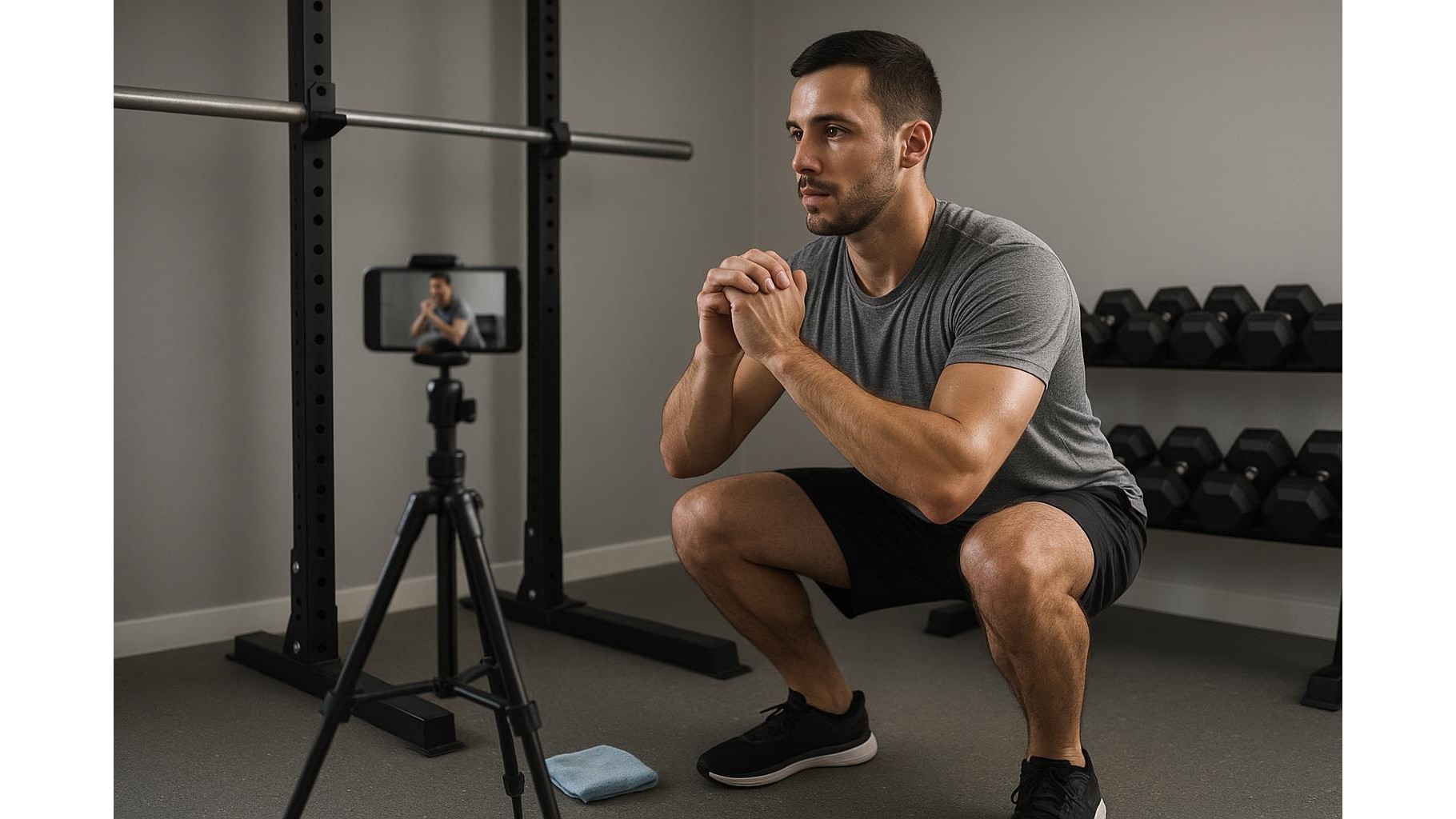
A good phone tripod is the foundation of stable workout footage. Look for a model with adjustable height so you can frame full-body movements like squats and deadlifts as well as close-up angles for bench or core work. Make sure the phone clamp is wide enough for your case and has a strong grip. A rubberised or non-slip foot design helps prevent wobbling on smooth floors. When you test a tripod, mimic your hardest set: jump, drop weights (safely) and see if the camera stays steady. Prioritise simple quick-release mechanisms so you can change angles quickly during supersets without losing time or focus.
Wall mounts and clamps for tight or busy home gyms
If your home gym is cramped, a compact wall mount or clamp-style holder can be better than a floor-standing tripod. These mounts attach to walls, racks or door frames and keep your phone out of the way of plates, dumbbells and resistance bands. Choose options with an adjustable ball head so you can tilt and rotate the phone to capture side or 45-degree angles coaches prefer for form checks. Clamp mounts with strong springs and rubber padding work well on squat racks or shelves, while permanent wall plates are ideal if you have a dedicated training corner. Think through your main lifting stations and fix one or two stable camera points to avoid constant repositioning.
Lens covers and basic protection against sweat and dust
Home gyms are hard on electronics: there’s sweat, chalk, rubber dust and sometimes outdoor dirt. A simple lens cover or slim protective case can protect your phone glass from scratches and smears. Choose a cover that doesn’t introduce heavy glare or distortion under LED lights. Keep a clean microfiber cloth near your rack and wipe the lens between heavy sets, especially for high-rep circuits where sweat and condensation can build up fast. Avoid using your training towel on the lens; detergent residue and rough fibres can leave streaks and micro-scratches that ruin long-term video clarity.
Anti-fog strategies for clear workout footage
Fogging becomes a problem when you train in a small, poorly ventilated room or garage. As your body heats up, humidity rises and your phone camera lens can mist over, especially if it’s been sitting in a cooler environment. Simple anti-fog solutions help a lot. First, improve airflow with a fan pointed past (not directly at) your phone to reduce moisture build-up. Second, warm the phone gradually in the room before you hit your toughest sets to minimise temperature shock. You can also use dedicated anti-fog sprays designed for lenses and follow the instructions carefully, applying a thin, even layer and buffing it with a microfiber cloth. Always test on a small area first to ensure there’s no residue that affects image sharpness.
Framing, stability and lighting for coach-friendly videos
Even the best mount is wasted if your framing and lighting are off. Position your tripod or wall mount so your full movement fits in frame, including head, feet and any barbell or kettlebell travel. For squats, a 45-degree angle from hip height gives a coach enough detail to judge depth and knee tracking. For pressing and pulling, side views are often best. Use your phone’s rear camera for higher quality and enable grid lines to keep horizons level. Stabilise the mount before every set: tighten all knobs and quickly tap the phone to check for wobble. For lighting, aim for even, front or side light; avoid strong backlight from windows that turns you into a silhouette. Small adjustments here turn your setup from casual clips into genuinely useful coaching footage.
Clear, stable home workout videos don’t require studio gear, just smart choices. A solid tripod or wall mount keeps your phone safe and your framing consistent, protective lens covers guard against sweat and dust, and simple anti-fog techniques prevent misty, unusable clips. Combine these tools with thoughtful positioning and lighting and you’ll have reliable training footage your future self – and any online coach – can actually analyse and use to improve your performance.