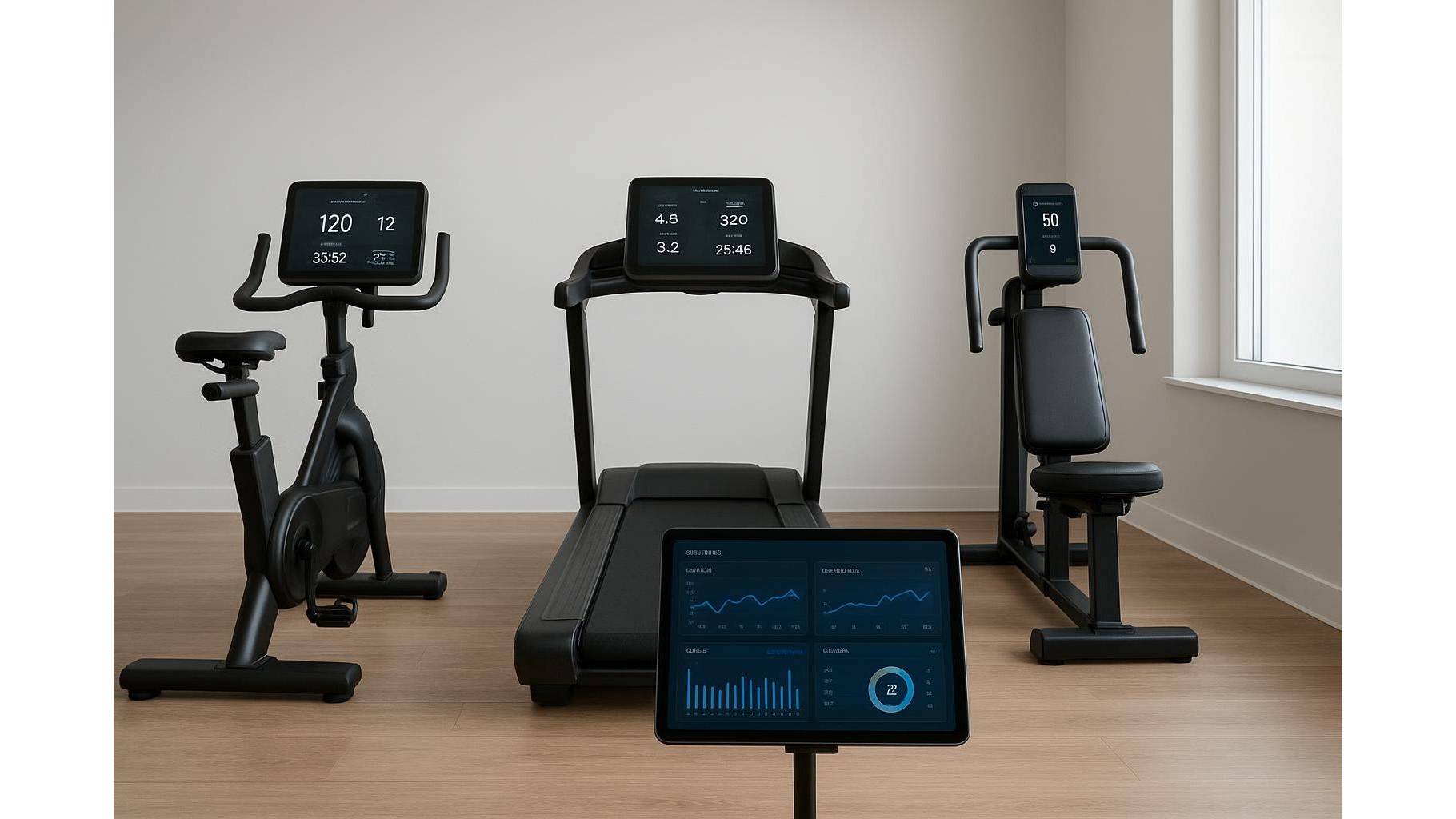
Connecting all your home gym equipment into one digital ecosystem can turn scattered workouts into a clear, motivating training plan. By linking your smart bike, treadmill and strength devices to a central fitness app, you get a single dashboard showing your progress across cardio and strength. This guide explains how the main apps work, which features your machines need, and practical steps to see all your home workout data in one place.
Check the connectivity of your home cardio and strength machines
Before choosing a central app, you need to understand how your equipment connects. Modern smart bikes, treadmills and strength machines typically use Bluetooth, sometimes Wi‑Fi, and may support standards like Bluetooth FTMS, ANT+ or custom protocols. Look in the product manual or settings for terms such as “Bluetooth FTMS”, “Fitness App”, “Sensor”, “Power”, “Cadence” or “Heart Rate”. Older machines without built‑in connectivity can still join your ecosystem if you add external sensors like cadence pods, speed sensors or heart rate straps that transmit via Bluetooth or ANT+. The key is that each machine can send workout metrics (speed, incline, power, reps, weight, heart rate) to a phone, tablet or smart TV running your chosen app.
Choose a central fitness app for your home ecosystem
The next step is selecting a central fitness app that can read data from multiple devices and present it in one dashboard. Popular options include training platforms (for example apps that track structured cycling and running workouts), connected fitness ecosystems that combine workouts, programs and recovery, and general health dashboards that aggregate data from different services on your phone. When you evaluate an app, check if it supports both cardio and strength tracking, whether it can import workouts from specialized cycling or running apps, and if it offers export to broader platforms like phone health dashboards. A good central app lets you log rides, runs, rows and lifting sessions in the same timeline, analyse training load and recovery, and compare progress over weeks and months.
Connect your smart bike and treadmill for unified cardio tracking
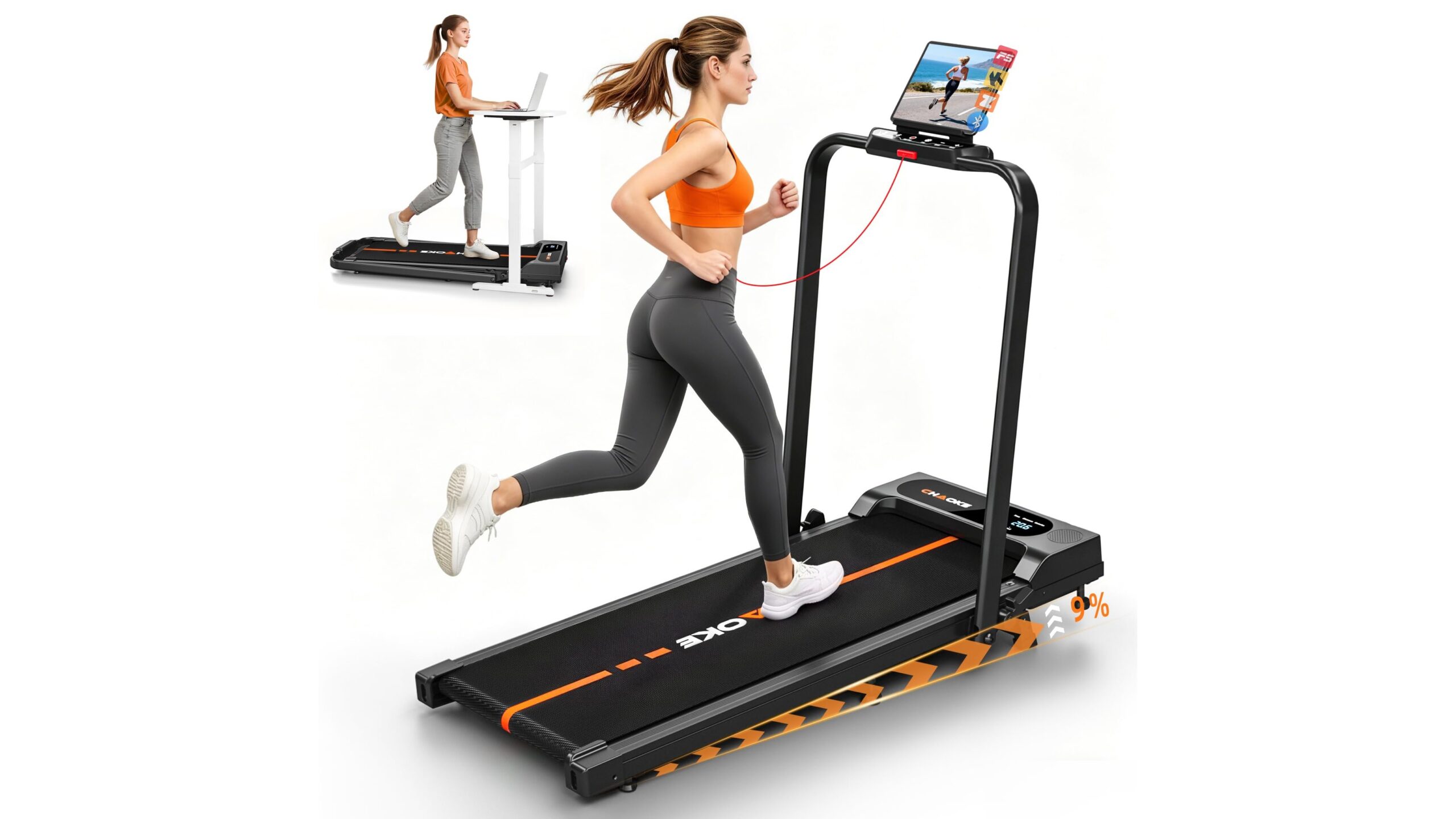
Once you have chosen your central platform, start by pairing your smart exercise bike and treadmill. On most devices, you open the settings menu on the console, activate Bluetooth, then search for the machine inside your fitness app. The app will usually list it as a bike, treadmill or generic fitness device. After pairing, complete a short test workout to confirm that speed, distance, power and heart rate appear correctly in the app. Some cardio apps can also synchronise structured workouts, so your smart bike or treadmill automatically adjusts resistance or incline based on your training plan. To keep your ecosystem reliable, pair each machine with a single primary device (typically your phone or tablet) and avoid connecting to multiple apps simultaneously, which can cause dropped signals or duplicate workouts.
Integrate strength devices and manual workouts into the same dashboard
Cardio connections are usually straightforward, but strength training often needs a different approach. Some smart strength machines and adjustable dumbbells have Bluetooth and companion apps that automatically track sets, reps and weight. When they synchronise with your central fitness app or with your phone’s health platform, your lifting sessions appear alongside your cardio workouts. If your strength equipment is not connected, you can still centralise data by logging workouts manually. Many apps let you build custom exercises, save favourite routines and track volume over time. Focus on recording key metrics such as total sets, reps, load and perceived effort. This ensures your dashboard reflects your overall training load, not just your rides and runs, helping you balance intensity and recovery.
Build routines and monitor progress across the whole home gym
With your equipment connected, you can start designing training routines that move seamlessly between bike, treadmill and strength work. Use your central app to schedule weekly blocks that combine interval rides, steady‑state runs and full‑body strength sessions. Over time, review trends in total training time, cardio intensity, strength volume and recovery metrics. Many platforms highlight patterns such as overtraining, missed workouts or improved consistency, allowing you to adjust your plan. Set practical goals like increasing weekly active minutes, raising average cycling power, or adding sets to core lifts. Because all your data lives in one dashboard, it becomes easier to see which sessions drive progress and which can be reduced or replaced.
By treating your home gym as a single connected system, you turn individual machines into a coordinated training environment. Checking connectivity, choosing a central fitness app and carefully pairing each device lets you consolidate cardio and strength data into one clear dashboard. Whether your goal is general health, endurance performance or building strength, having every workout in one place makes it simpler to plan sessions, track progress and stay motivated over the long term.