Building a consistent home workout routine is easier when you can quietly track your progress without bulky gadgets. Compact wearables like fitness rings, clip-on pedometers and minimalist fitness bands give you data on steps, heart rate and sleep without getting in the way of your training. Below we look at which metrics actually matter for home athletes and how three discreet devices can fit into your everyday routine.
Table of contents
Why discreet wearables work so well in a home gym
For home athletes, the best wearable fitness trackers are the ones you forget you are wearing. Rings, tiny pedometers and slim bands don’t snag on resistance bands, kettlebells or pull-up bars, and they are comfortable enough for all‑day wear. This makes metrics like step count, heart rate and sleep tracking more accurate because you are not constantly taking the device off. Discreet form factors are also ideal if you work from home and want health data without announcing your fitness habits on every video call.
Smart fitness rings: 24/7 health data on your finger
If you want serious health monitoring in a tiny package, a smart ring is hard to beat. The Smart Ring for Women & Men -100+ Sports Modes, Fitness Tracker with Heart Monitor, Sleep Tracker, Step Counter packs heart rate, SpO2, sleep stages and basic activity tracking into a sleek stainless-steel design that weighs just 3.6 g. With 5ATM water resistance, you can keep it on through sweaty strength sessions, yoga flows and even showers. For home workouts, the useful metrics are your resting heart rate trend, overnight sleep quality and steps or active minutes during the day. The ring’s app pulls these together so you can see whether your recovery matches your training load and adjust your next session accordingly.
Simple clip-on pedometers for step-focused home athletes
If you mainly care about daily steps and gentle movement, a minimalist step counter can be enough. The Flintronic Mini 3D Walking Pedometer clips onto your waistband or hangs from a lanyard and focuses purely on step tracking with a clear display. Its 3D sensor counts up to 99,999 steps and ignores very short bursts under five steps to reduce false readings. For home users, this is perfect for setting a simple target like 8,000–10,000 steps including walking breaks between sets, trips up and down the stairs and outdoor walks. Because there are no complex menus or notifications, it’s also ideal for older family members or anyone who wants motivation to move without a full smartwatch.
Minimalist fitness bands for all‑round home training
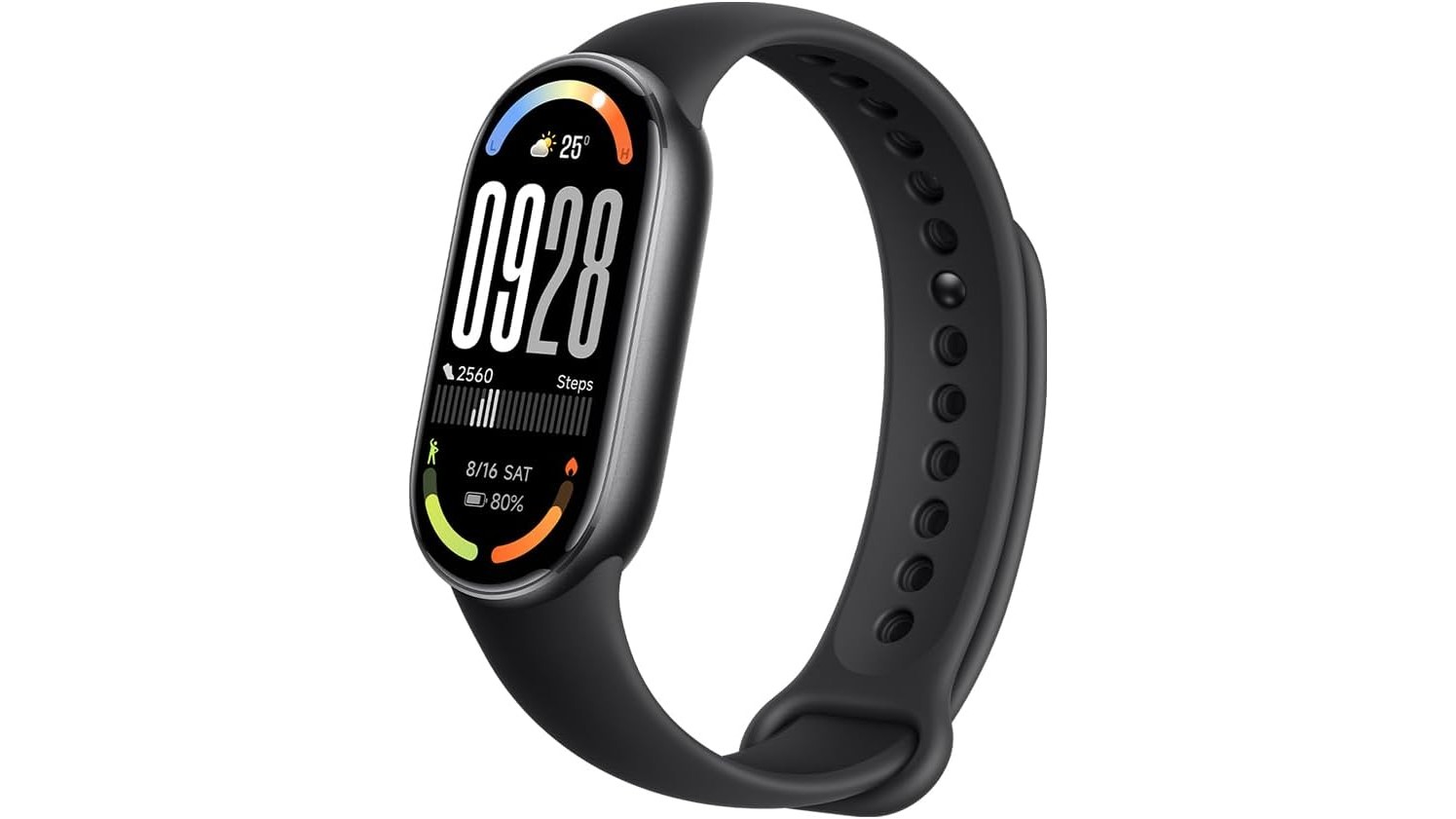
When you want a balance of activity tracking, sleep monitoring and sport modes but still prefer something small, a slim band is a great option. The XIAOMI Smart Band 10 Fitness Tracker offers a bright 1.72″ AMOLED display in a narrow profile, with up to 21 days of battery life and 150+ sports modes. For home workouts this means you can log strength sessions, yoga, HIIT or indoor cycling and still wear the band comfortably all day. Continuous heart rate monitoring and improved sleep reports help you gauge whether you are recovering from demanding sessions like heavy lifting or kettlebell complexes. Combined with step tracking, you can use the band as a central hub to keep an eye on both training and general movement.
Which metrics actually matter for home workouts?
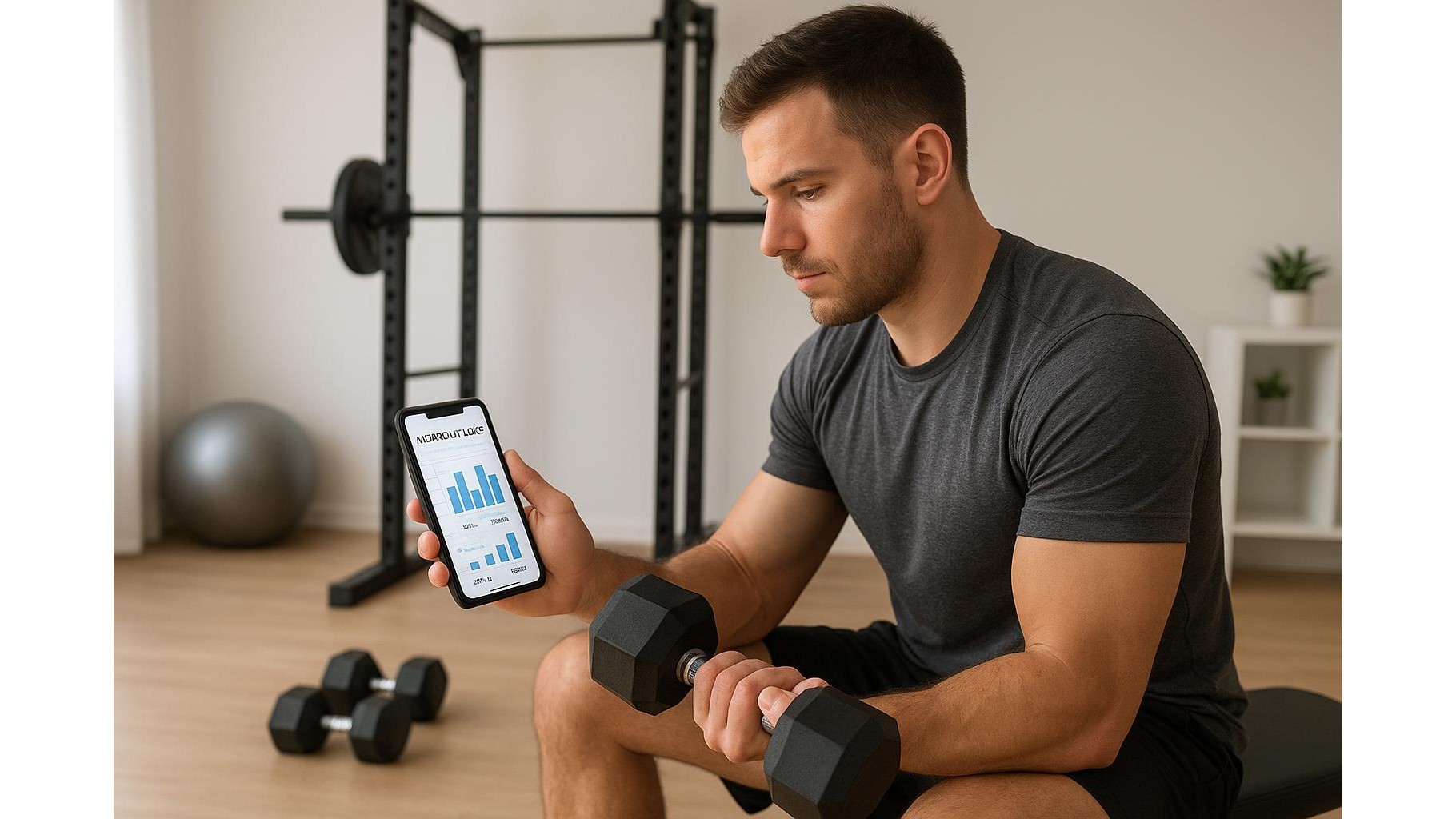
With so many data points available, it’s important to focus on the metrics that drive results at home. For most people, the essentials are: daily step count (to avoid long sedentary periods), heart rate during cardio sessions (to hit easy, moderate or hard zones), and sleep quality (to support muscle recovery and energy). For strength training, you can also use heart rate and perceived exertion to avoid overdoing high‑intensity circuits. Rings like the UouNeaCo smart ring and bands like the Xiaomi Smart Band 10 give you a solid view of recovery through resting heart rate trends and sleep. Simpler tools such as the Flintronic pedometer keep you accountable to baseline activity goals even on rest days.
How to use discreet trackers day to day in your home gym routine
To get real benefit from these discreet wearables, build a simple routine around them. In the morning, quickly review sleep and resting heart rate on your ring or band to decide whether to push or keep your session lighter. During the day, let your pedometer or band nudge you to hit your step goal by walking between remote meetings or adding a 10‑minute walk before dinner. When you train, use heart rate and sport modes to log workouts, then compare weekly trends in steps, active minutes and sleep. Because products like the Smart Ring for Women & Men, the Flintronic Mini 3D Walking Pedometer and the XIAOMI Smart Band 10 are so small and comfortable, they make this kind of continuous, low‑friction monitoring easy to sustain long term.
Discreet fitness rings, clip‑on pedometers and minimalist fitness bands can quietly transform your home workout routine by giving you the right data without distraction. Focus on core metrics like steps, heart rate and sleep, and choose the form factor that best fits your lifestyle: a ring for 24/7 subtle tracking, a tiny pedometer for pure step goals, or a slim band for full‑featured monitoring. Used consistently, these compact devices help you train smarter, recover better and stay active throughout the day without adding bulk to your home gym setup.