Training with dumbbells at home can be incredibly effective, but without guidance it’s easy to repeat the same moves, stall your progress, or lose motivation. Strength training apps now act like a pocket coach, helping you build structured routines, follow clear video demonstrations, and track progression over weeks and months. Below, we’ll look at the most useful features to look for, how to match an app to your level, and a smart physical companion tool – the Stack 52 Dumbbell Exercise Cards – that works brilliantly alongside any digital program.
Table of contents
What a good strength training app should do
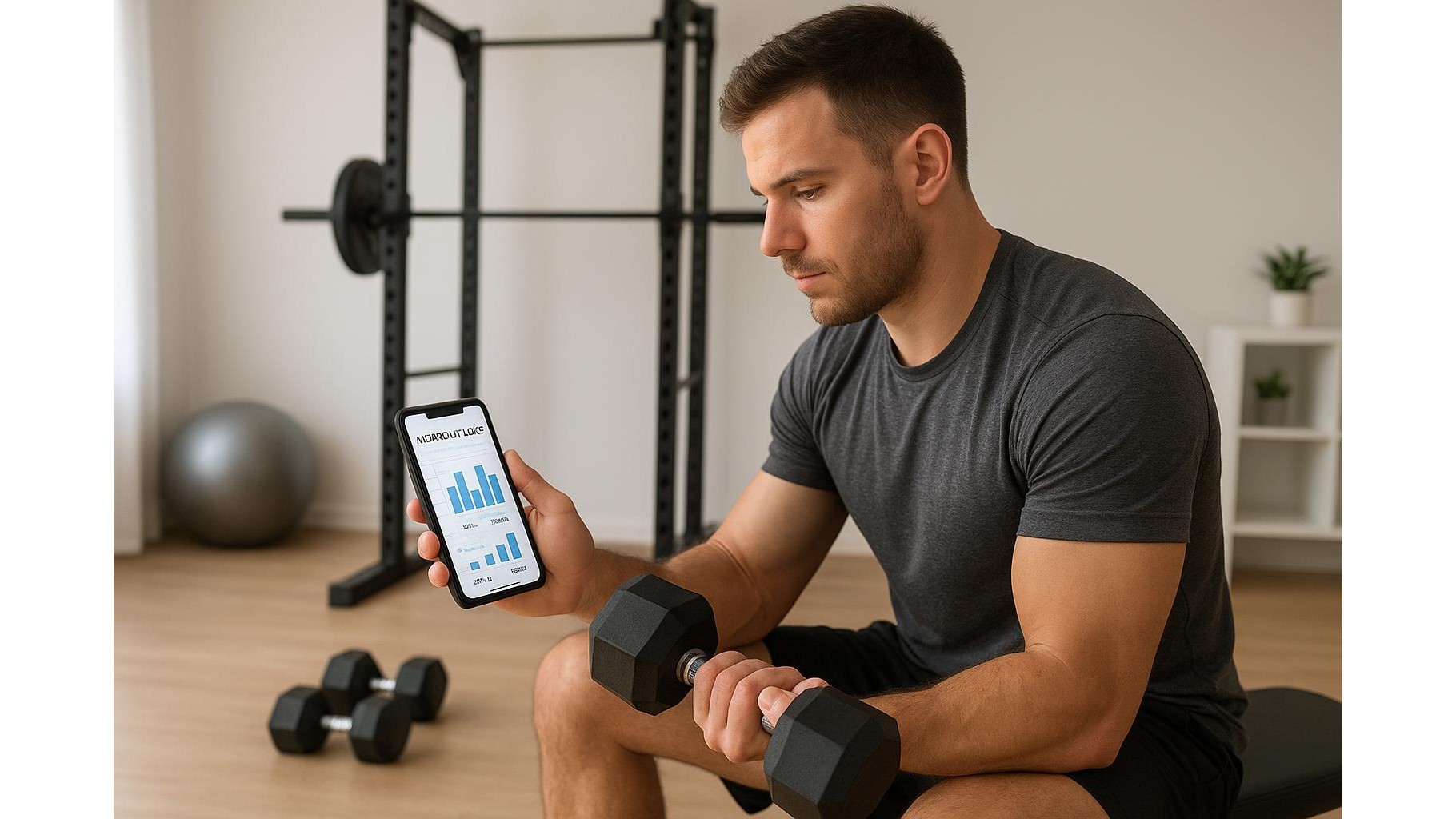
A quality home strength training app should cover three core needs: exercise instruction, workout structure, and progress tracking. Look for apps with high‑quality video demos that clearly show dumbbell technique from multiple angles, plus written cues so you know how each rep should feel. A routine builder is essential: the best apps let you select goals like hypertrophy, fat loss or general fitness, choose how many days you can train, and then generate progressive plans using only dumbbells. Finally, tracking tools – such as logging weight, sets, reps and perceived effort – allow you to see when to increase load, adjust volume, or add rest, which is crucial for continued muscle and strength gains.
App features that matter for home dumbbell users
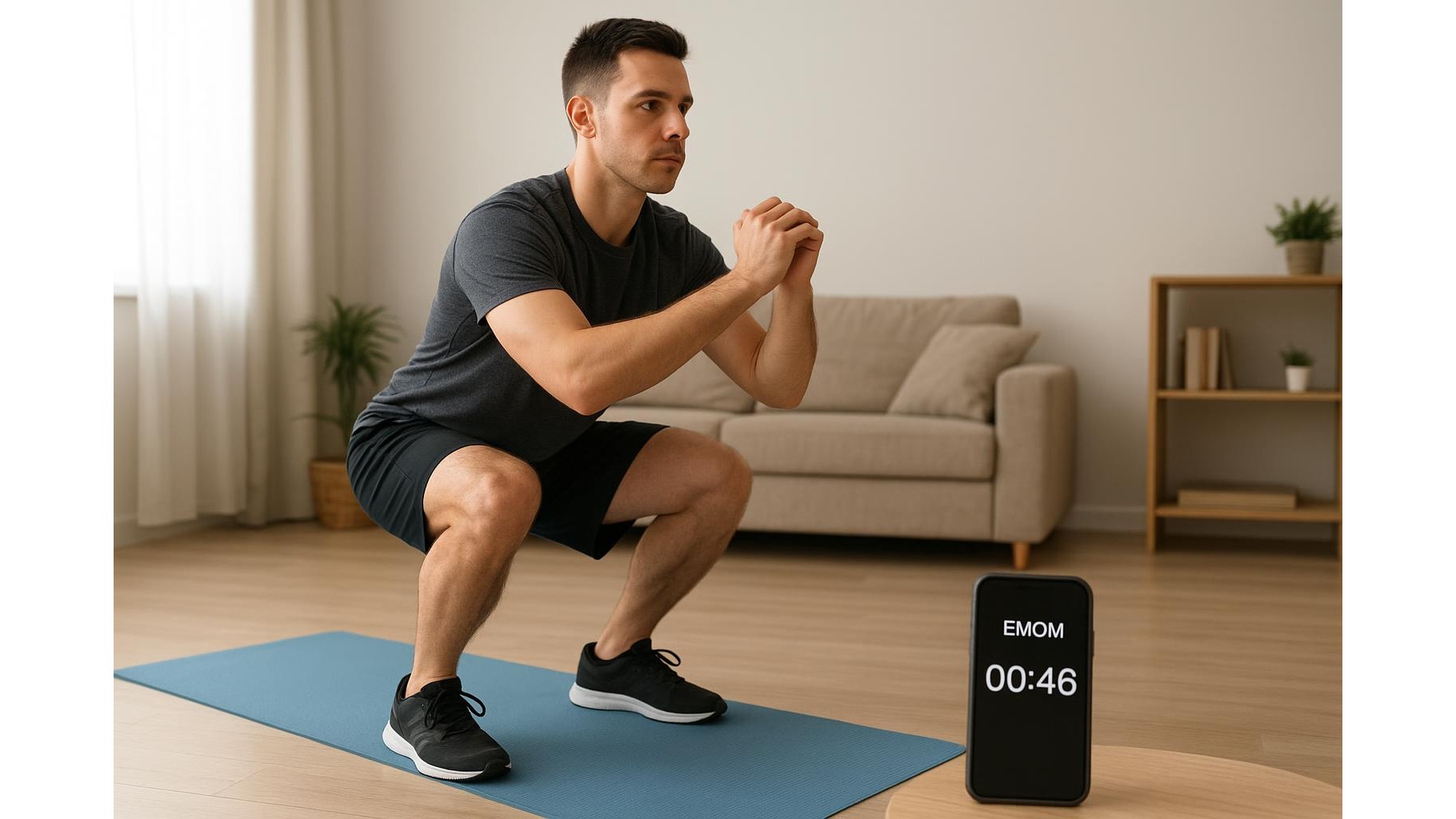
For home dumbbell workouts, certain features are especially valuable. Filter options for equipment (select “dumbbells only”) stop you wasting time on barbell or machine exercises you can’t do at home. Timers for intervals and rest periods keep your pace consistent, which is important for both hypertrophy and conditioning. Many apps also include built‑in warm‑up templates and mobility flows, cutting your guesswork before lifting. Offline downloads or low‑data modes are helpful if you train in a garage or basement with weak Wi‑Fi. Finally, look for habit‑building elements like streak counters, calendar views and reminders; these make it easier to maintain a regular training schedule, which matters more than any single “perfect” workout.
Combining digital apps with physical guidance cards
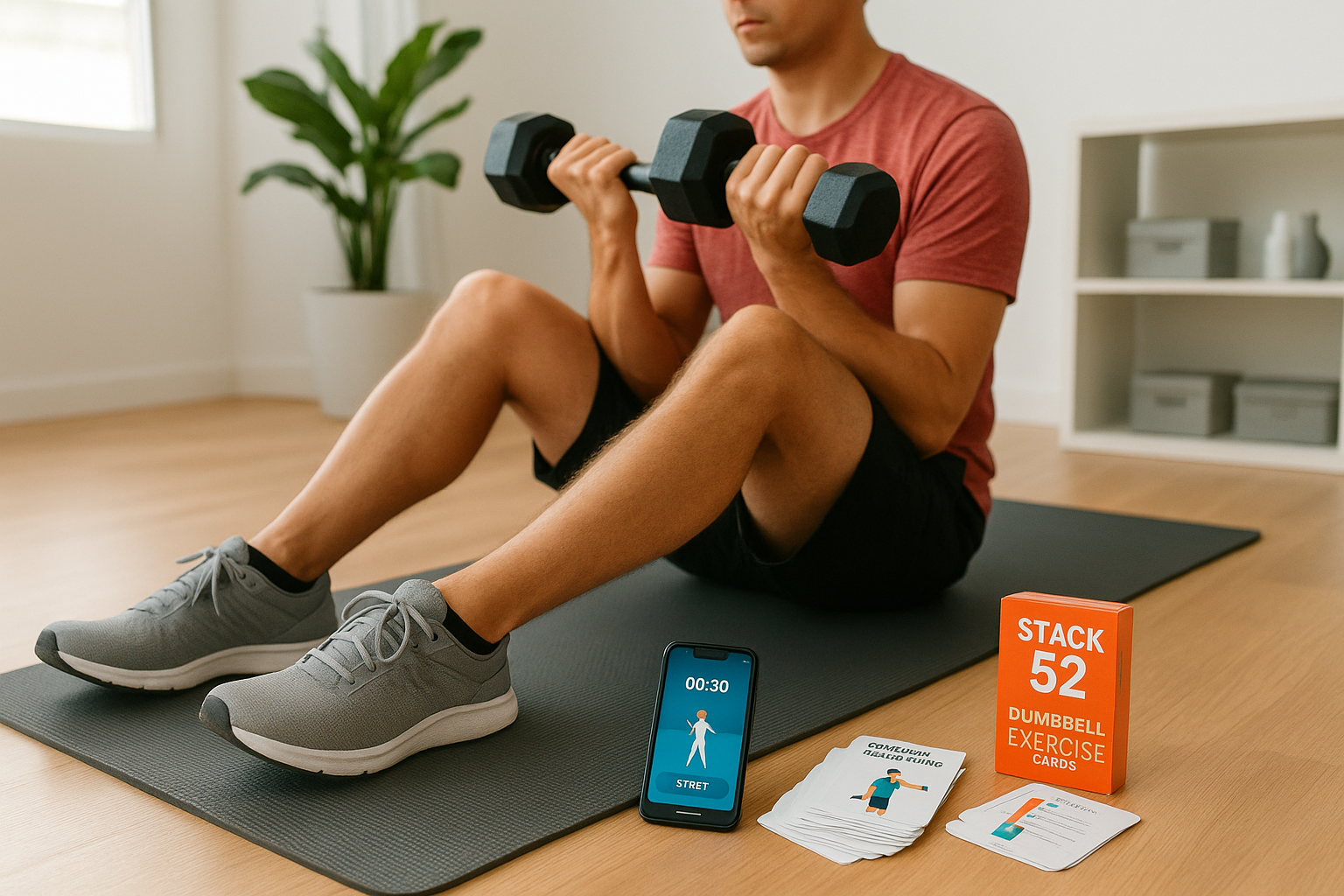
Even with a great app, having a quick, physical reference for dumbbell exercise ideas can keep your sessions fresh. The Stack 52 Dumbbell Exercise Cards are a compact deck covering 52 of the most effective dumbbell moves, sorted by muscle group and difficulty. Each card shows a clear diagram and written description, and you can scan a QR code for a short video demo, making them an excellent complement to any app lacking in‑depth instruction for certain exercises. Because no bench or extra equipment is required, they are ideal if your home gym is limited to just a few pairs of dumbbells. Shuffle the cards to create a quick finisher or plug new movements into your app‑generated program whenever you feel your routine becoming stale.
Gamifying workouts for motivation and variety
One of the biggest reasons people abandon strength training apps is boredom. The Stack 52 system turns dumbbell training into a game: you can create challenges like “draw five cards and complete three rounds” or play competitive formats such as Fit Poker, where players bet with exercises instead of chips. This gamified approach meshes perfectly with progress‑oriented apps that log reps and sets but may feel repetitive on their own. By rotating through 52 different exercises across legs, chest, shoulders, back, arms, core, cardio and full‑body categories, you automatically introduce variation in movement patterns and loading angles – a proven way to stimulate new adaptation while keeping sessions mentally engaging.
Choosing the right app for your level and goals
To choose the best strength training app for your needs, start by assessing your level. Beginners should prioritise apps with thorough exercise libraries, simple full‑body templates and strong technique coaching; pairing them with tools like the Stack 52 Dumbbell Exercise Cards can reinforce learning through visual cues. Intermediates benefit from apps offering progressive overload features, custom split routines and performance analytics so you can target specific muscle groups with your dumbbells. Advanced lifters may want deeper data, such as volume and intensity charts, plus the freedom to build highly customised plans. In all cases, ensure the app fits your schedule, supports your dumbbell‑only setup, and offers enough structure to move you steadily toward your goals.
Used together, a well‑chosen strength training app and a versatile tool like Stack 52 Dumbbell Exercise Cards can turn a basic set of dumbbells into a complete home gym system. The app provides progression, logging and overall program design, while the cards supply instant exercise ideas, video‑backed technique support and playful challenges to keep motivation high. Focus on consistency, gradually increase your loads, and use these tools to remove guesswork from your sessions. With the right guidance at your fingertips, your living room can become a highly effective space for building strength, muscle and long‑term fitness.