When you train in a home gym, it is easy to obsess over sets, reps and workout apps while completely overlooking the other half of progress: sleep and recovery. The right free sleep and breathing apps can help you wind down after late‑night sessions, calm your nervous system and track how well you actually recover between workouts – all without adding extra cost to your fitness setup.
Table of contents
Why sleep and breathing matter for home workout recovery
Consistent quality sleep is arguably the most powerful recovery tool you have. During deep sleep, your body repairs muscle tissue, regulates hormones and consolidates motor learning from your home workouts. Poor sleep, on the other hand, increases injury risk and makes every session feel harder than it should. Guided breathing exercises can shift you from a wired, post‑workout state into a calmer, parasympathetic mode where recovery happens. Free sleep and breathing apps bring these tools into your pocket, offering timers, soothing soundscapes and structured routines so you can recover smarter, not just train harder.
Top free breathing apps to calm post‑workout stress
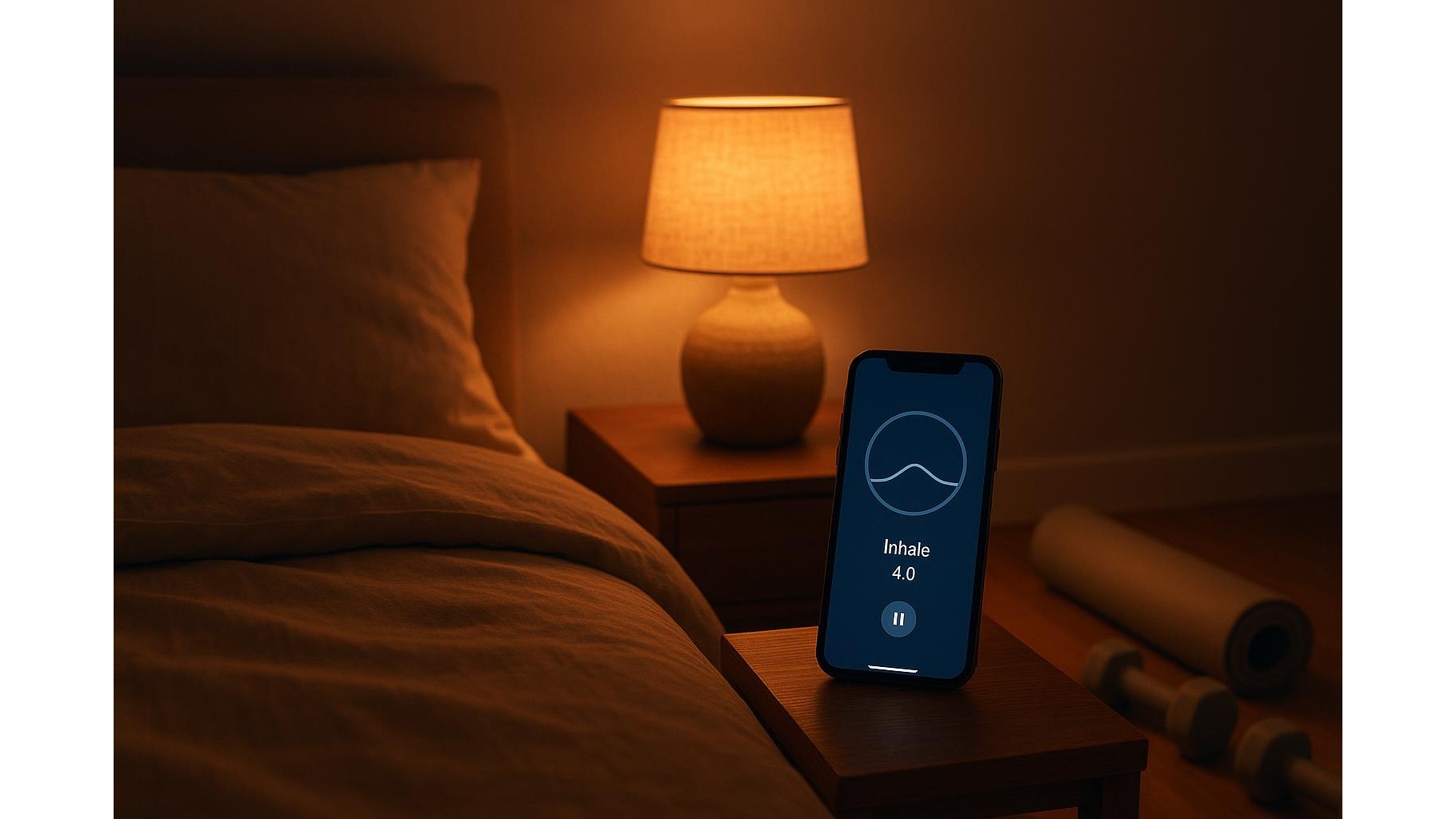
After a tough home workout, your heart rate and adrenaline stay elevated, especially if you train after work. Free breathing apps guide you through simple protocols that down‑regulate your nervous system in just a few minutes. Look for apps that offer box breathing, 4‑7‑8 breathing or coherent breathing with visual cues and gentle sounds. These techniques reduce perceived stress, lower heart rate and can even improve sleep latency – how fast you fall asleep. Many apps also include short ‘pre‑sleep wind‑down’ sessions, which are ideal to use right after an evening workout or while you stretch on the living‑room floor, turning your cool‑down into a complete recovery ritual.
Free sleep tracking apps to monitor recovery trends
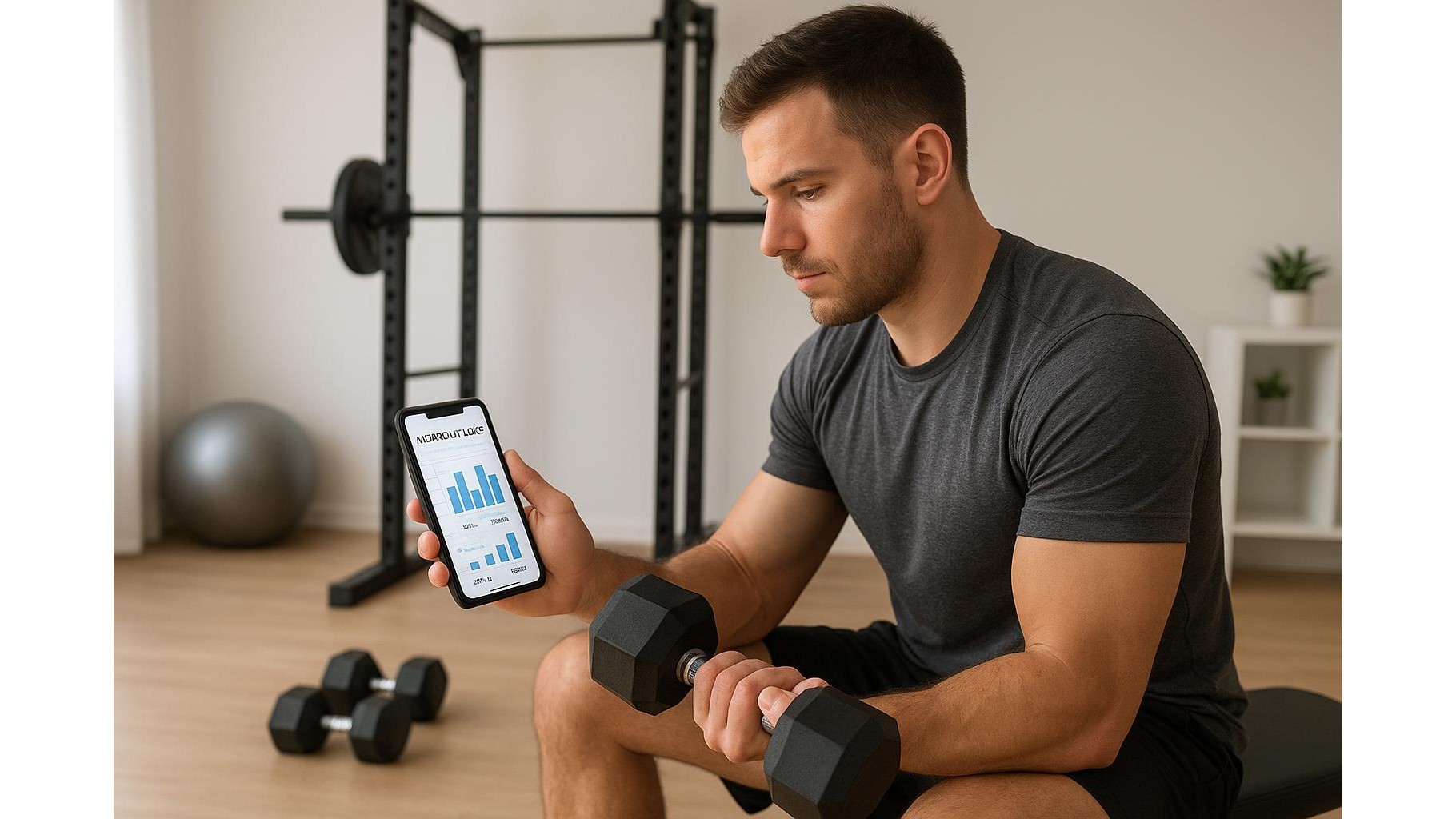
While wearables add precision, standalone sleep tracking apps can still provide valuable insights for home trainees. They typically use your phone’s microphone and motion sensors to estimate sleep duration, interruptions and general sleep quality. Over time you can see whether late‑night workouts, caffeine, or screen time are hurting your recovery. Some apps also score your sleep debt and suggest ideal bedtimes based on your typical schedule. The goal is not to obsess over every metric, but to spot patterns: do you perform better in your garage gym after 7–8 hours of high‑quality sleep? Does your mood and strength dip when your sleep efficiency drops below a certain threshold? Free apps give you this data so you can adjust training volume and intensity accordingly.
Relaxation and soundscape apps to build a pre‑sleep routine
Beyond strict tracking, relaxation‑focused apps offer soundscapes, ambient music, white noise and guided body scans that help you transition from workout mode to rest mode. For home trainees who share space with family, neighbours or street noise, a consistent audio backdrop can make it much easier to fall – and stay – asleep. Many free apps let you combine gentle breathing timers with calming sounds or short meditation sessions, creating a simple ritual: finish your workout, dim the lights, do five minutes of guided breathing, then let a soundscape run as you drift off. Over time, this routine becomes a cue to your brain that it’s time to recover, supporting muscle growth, fat loss and better performance in your next session.
How to integrate these apps into your home workout routine
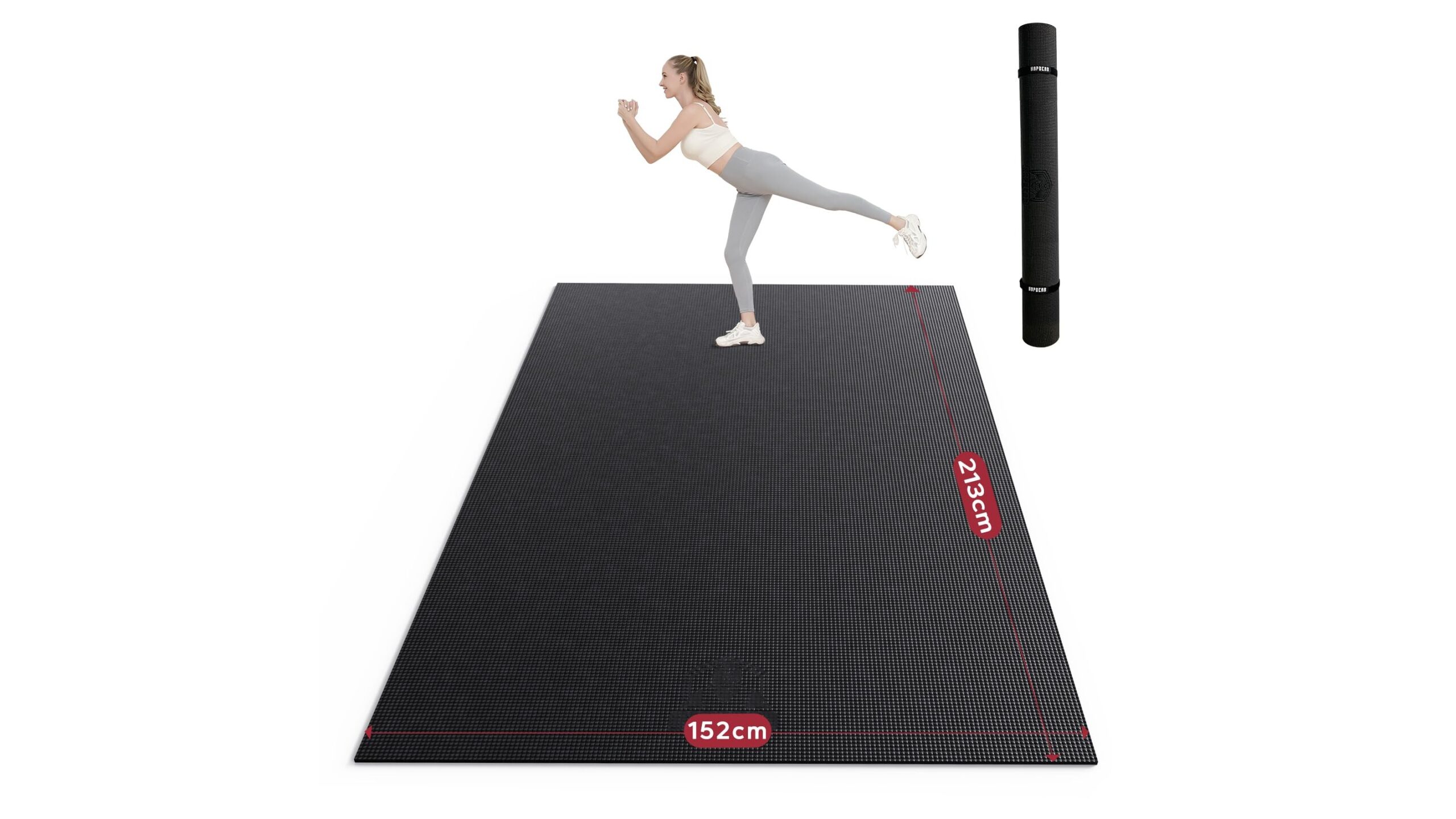
The key to getting value from free sleep and breathing apps is consistency rather than complexity. Start by pairing a short breathing session with every workout: two to five minutes after your last set, sitting or lying on your mat. Next, choose one simple pre‑sleep routine you can follow most nights, such as 10 minutes of breathing plus a relaxing soundscape. Finally, review your sleep tracking data weekly, not nightly, and adjust your training: schedule harder sessions on days after solid sleep, and keep lighter technique work for when you are more fatigued. Used this way, these apps become low‑friction tools that make your home training plan more sustainable and enjoyable.
For home gym athletes, recovery is the missing piece that turns effort into results. Free sleep, breathing and relaxation apps won’t replace smart programming or good nutrition, but they dramatically improve your ability to wind down and recharge between sessions. By building a simple routine that combines guided breathing, calming audio and basic sleep tracking, you can show up to each home workout fresher, stronger and more focused – without spending anything beyond the time it takes to press play.