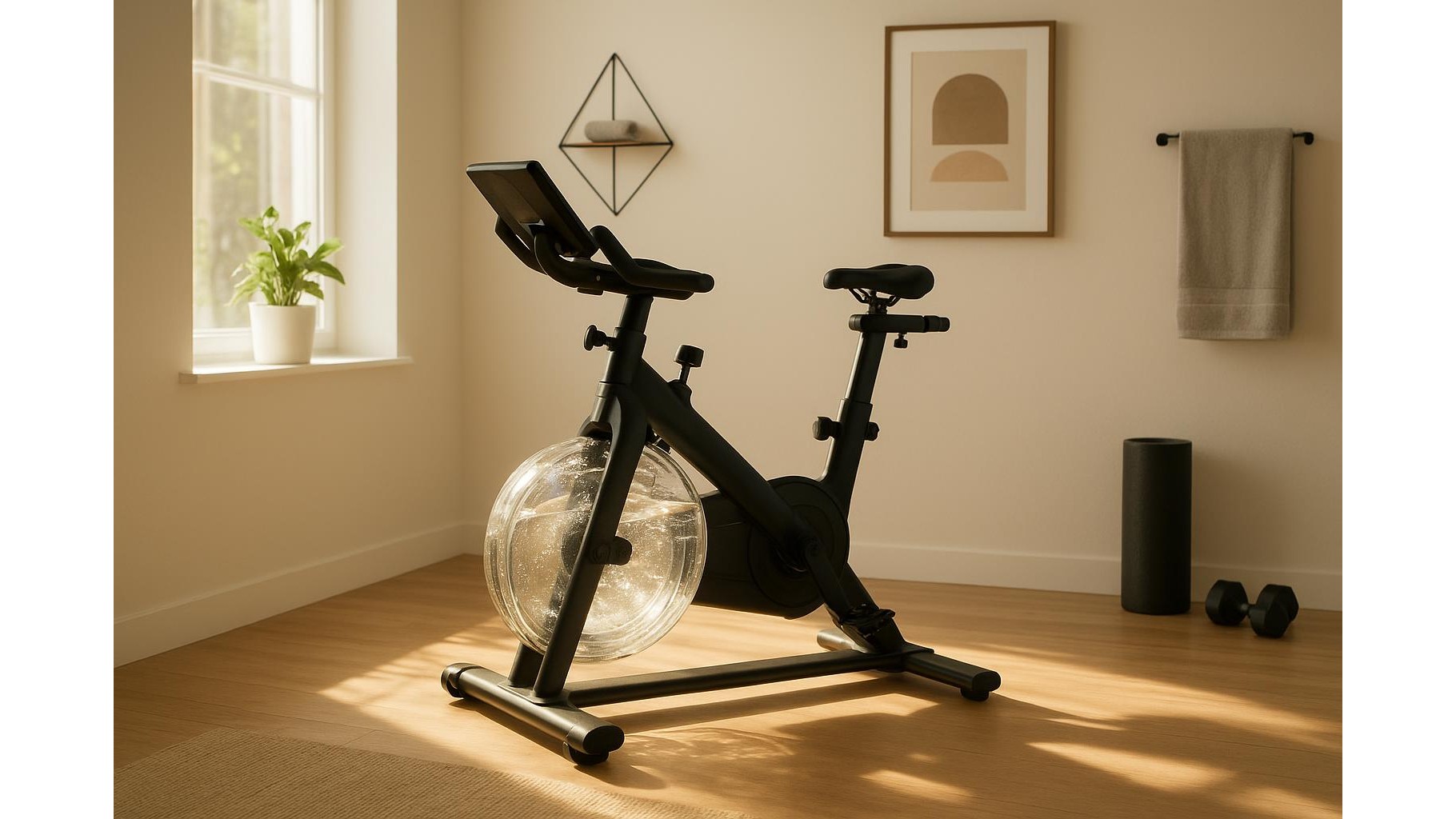
Water-resistance indoor bikes are a niche alternative to the classic magnetic or friction spin bike. Instead of a heavy flywheel with magnets or pads, these models use a water tank and paddles to create resistance, aiming to mimic the smooth pull and sound of riding through water. For home riders, they promise a more immersive, low-impact workout and a distinctive feel. This article explores how water-resistance spin bikes work, their pros and cons, and which type of home user will genuinely benefit from choosing one over a traditional design.
How water-resistance spin bikes actually work
In a water-resistance exercise bike, the flywheel is replaced (or combined) with a sealed water tank that contains paddles or blades. As you pedal, these paddles move through the water, and the drag from the water generates resistance. The harder and faster you pedal, the more resistance you feel – there is a strong element of progressive resistance, very similar to a water rowing machine. On some hybrid models, the tank is positioned at the front to maintain a spin-bike silhouette, while others take inspiration from rowers with a more visible, horizontal tank. Unlike magnetic bikes, where you turn a knob to move magnets closer to the flywheel, here the primary variable is your own effort, sometimes combined with adjustable water levels to fine-tune the base resistance.
Key advantages: feel, sound and training experience
The main appeal of indoor bikes with water resistance is their natural, fluid feel. The resistance curve is very smooth, without the small steps or jumps you can get on some budget magnetic systems. Many riders enjoy the subtle whooshing sound of water, which can be more pleasant than the mechanical hum of friction pads. Because resistance scales with cadence, these bikes reward strong sprint efforts but remain gentle when you pedal slowly, which is helpful for low-impact recovery rides. Another benefit is that there are no friction pads wearing down a metal flywheel, so there is less dust and typically no pad replacement. For home users focused on endurance, tempo rides and immersive sessions with music or virtual classes, the overall feel can be very engaging.
Drawbacks versus magnetic or friction systems
Despite the appeal, water-resistance spin bikes have notable trade-offs. First, they are usually heavier due to the filled tank, which can make moving the bike around a flat more challenging. Second, while the sound of water is pleasant to many, it is not silent; if you need an ultra-quiet bike for a shared flat or late-night sessions, a high-quality magnetic model will typically be less audible. Water tanks also introduce the risk of leaks if seals degrade or if the bike is mishandled. Unlike magnetic bikes, you do not get precise, repeatable resistance levels shown on a console; resistance is more organic and based on cadence and water volume, which can be a limitation for riders who like exact, power-based interval structures or want to match specific coach-prescribed wattages.
Maintenance and care for water-resistance bikes
Owning a water-resistance exercise bike involves a different type of maintenance routine compared with traditional spin bikes. The water in the tank must be kept clean and free from algae or cloudiness. This is usually achieved with water purification tablets supplied by the manufacturer, added every few months depending on usage and guidance. You will also need to check the water level occasionally, especially if you want to adjust the base resistance by adding or removing water. The tank should not be exposed to extreme temperatures or direct sunlight for long periods, as this can affect the seals and clarity of the water. Beyond the tank, you still have standard tasks: checking bolts, lubricating the chain or drive system if required, and inspecting the frame for corrosion. While this is not particularly demanding, it is more involved than the almost zero-maintenance experience of a premium magnetic bike.
Who water-resistance spin bikes are really best for
Water-resistance bikes are best suited to home riders who value feel and immersion over pure data precision. If you enjoy steady-state cardio, long endurance rides and moderate-intensity intervals, the smooth, progressive drag feels very intuitive. Recreational cyclists, cross-trainers and those who already love water rowers will often appreciate the similar sensation and calming sound. These bikes also make sense if you share your fitness space with others who like varied workouts, as the resistance naturally scales with effort, making them approachable for different fitness levels. However, if you are a competitive cyclist, triathlete or data-driven rider aiming to follow strict power-based training plans, a high-end magnetic resistance smart bike with power measurement and structured ERG workouts will usually be a better match than a water-based system.
In summary, water-resistance spin bikes for home use fill a specific but appealing niche. They trade some of the precision and silence of magnetic systems for a more organic, water-like feel and a distinctive acoustic atmosphere. Maintenance is straightforward but different, revolving around water treatment and tank care rather than pad replacement. For riders who prioritize comfort, low-impact cardio and an engaging, almost meditative workout experience, they can be an excellent choice. For those chasing performance metrics, race preparation and integrated smart training, a conventional magnetic indoor bike will still be the more practical and versatile option.