Creating a small home cardio corner is one of the smartest ways to stay active indoors, especially if you live in a flat or share space with others. Two of the most popular options are the minimalist walking pad and the traditional classic treadmill. Both can help you hit your daily step goal and support weight management, but they differ a lot in footprint, noise, workout intensity and safety. Understanding these differences will help you choose the right tool so your home gym feels motivating instead of cramped.
Table of contents
Space and storage in small homes
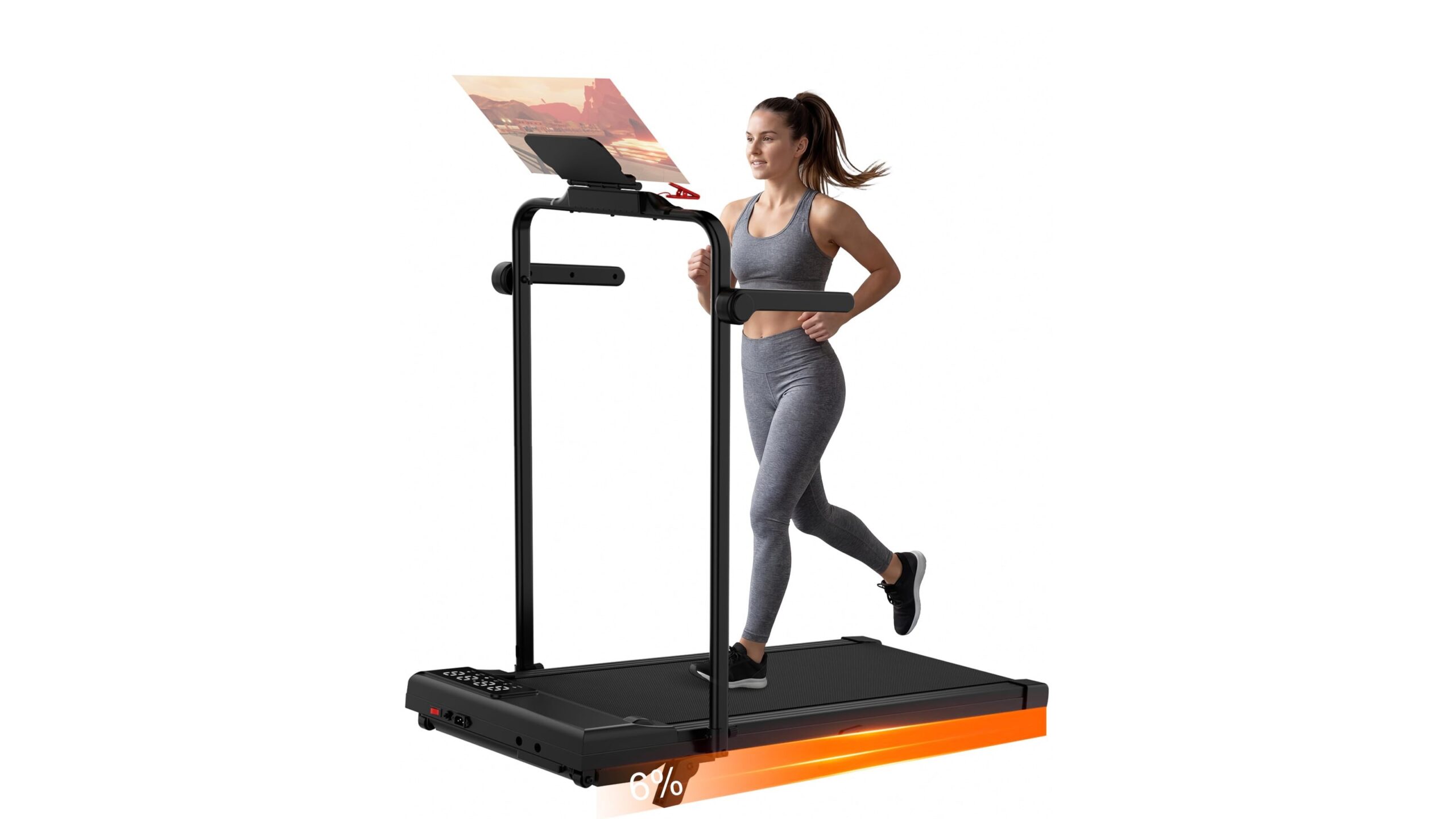
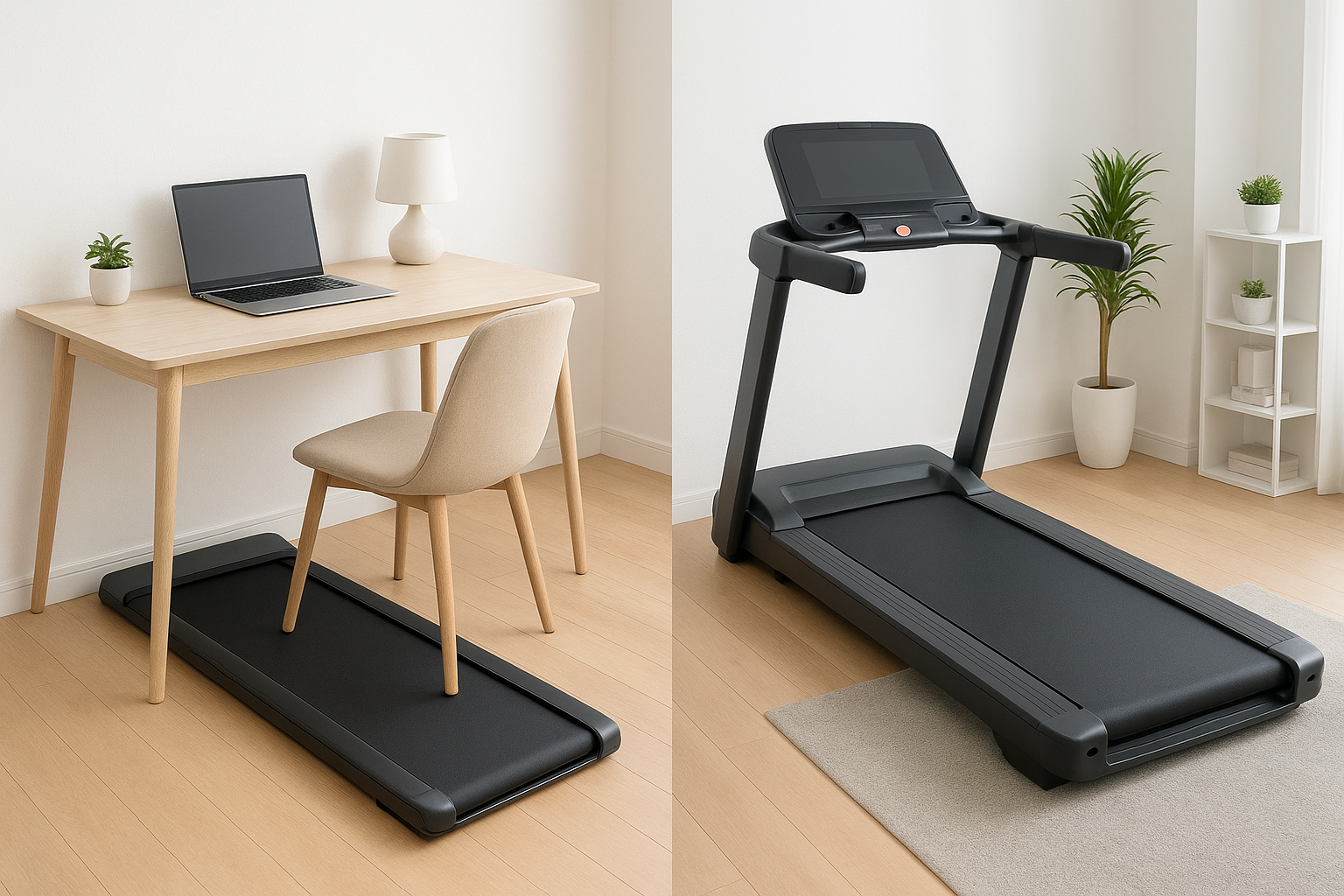
If you are battling for every square metre, a walking pad is usually the easier win. Most models are low‑profile, often less than 13–15 cm high, and can slide under a bed, sofa or even stand behind a door. Many walking pads weigh noticeably less than classic treadmills, so moving them around a studio flat is manageable for most people. Classic treadmills, even folding ones, demand more permanent real estate. Their longer running decks and full uprights with console and handrails make them harder to hide when guests arrive. If your “gym” is basically a corner of the living room or bedroom, the space efficiency of a walking pad is a major advantage.
Noise levels and neighbour‑friendly cardio
Noise is crucial if you live in a flat with thin walls or work from home. A walking pad typically runs at lower speeds and has a simpler motor, so overall noise is often limited to a gentle hum plus your footsteps. Used on a mat, it is usually acceptable for early‑morning or late‑night sessions. A classic treadmill can be significantly louder because of higher top speeds, stronger motors and the impact of running strides. That said, many modern treadmills now include cushioning systems and quieter motors to reduce vibration. For people with sensitive neighbours below, low‑speed walking on a pad will almost always be more neighbour‑friendly than interval runs on a full‑size treadmill.
Workout intensity and training goals
Your fitness goals should strongly influence your choice. Walking pads are ideal for low‑intensity steady‑state cardio, step accumulation and light activity while watching TV or working at a standing desk. Most cap their speed well below running pace and may not include incline options, so they are not designed for serious run training. A classic treadmill supports a much wider range of workouts: from brisk walking and power hiking on incline to tempo runs, intervals and even hill repeats on higher‑end models. If you are training for 5K–marathon events or want to build speed and VO2 max indoors, a full treadmill is far superior. For general health, NEAT (non‑exercise activity) and gentle weight‑loss efforts, a walking pad is often enough.
Safety, comfort and usability
Safety features differ markedly. Walking pads usually have a shorter deck and often lack side rails and a full console. This minimalist design keeps them compact but can feel less secure for those with balance issues, older adults or complete beginners. The shorter belt can also be problematic if you have a long stride, even at walking speeds. In contrast, a classic treadmill provides handrails, a larger running surface, safety key and more stable frame, improving confidence at higher speeds. On the other hand, the lower step‑up height of many walking pads and their gentle speeds can make them more accessible if you have joint limitations and simply want comfortable, supported walking without the intimidation of a big machine.
Who should choose walking pad vs classic treadmill?
Choosing between a walking pad and a classic treadmill comes down to priorities. Opt for a walking pad if you live in a very small home, want something that can be stored away quickly, and mainly care about increasing daily steps and staying lightly active while working or relaxing. It is also a budget‑friendlier, less intimidating option for beginners. Choose a classic treadmill if you have clear performance goals, need to run indoors regardless of weather, or want structured workouts with incline, speed presets and detailed metrics. In a dedicated home gym space, a treadmill becomes a durable cardiovascular anchor around which you can build strength and mobility training.
In summary, both walking pads and classic treadmills can be excellent allies for staying active indoors, but they serve slightly different users. A walking pad shines in tiny flats and mixed‑use rooms where portability, low noise and convenience matter more than performance. A classic treadmill is better if you have the room and want full‑spectrum cardio from gentle walks to hard runs. Clarify your goals, measure your available space and be honest about how you will actually use the machine. The best choice is the one that fits seamlessly into your daily routine and keeps you moving consistently all year round.