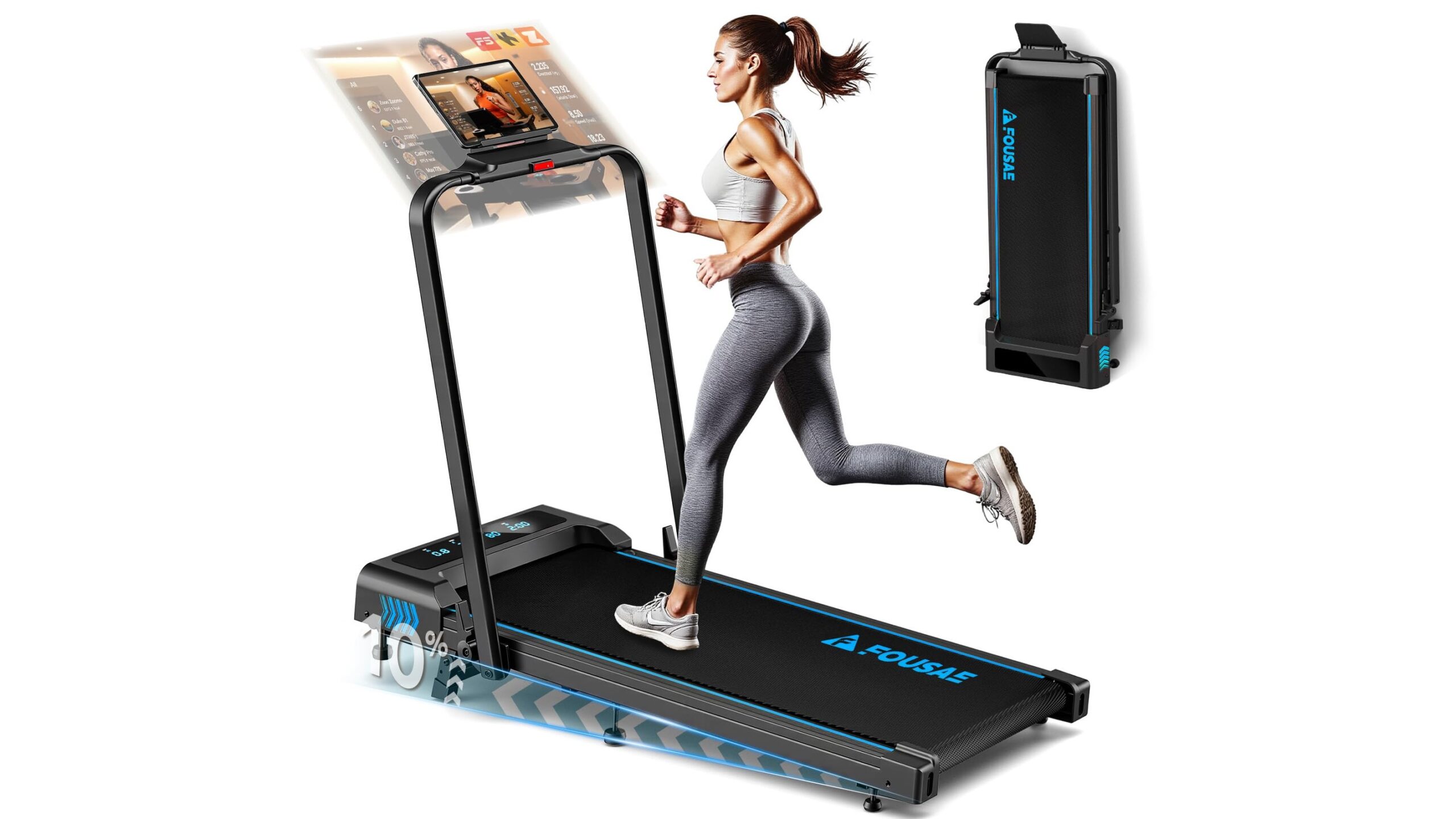
If you are building a home gym or simply trying to move more during the day, you have probably seen both slim walking pads and bulkier classic treadmills. On paper they seem similar: a moving belt that lets you walk or run indoors. In reality, they offer very different experiences in terms of space, noise, training options and how easily they fit into everyday life. This guide compares the two so you can choose the cardio tool that truly matches your habits rather than gathering dust in a corner.
Footprint and storage: how much space do you really have?
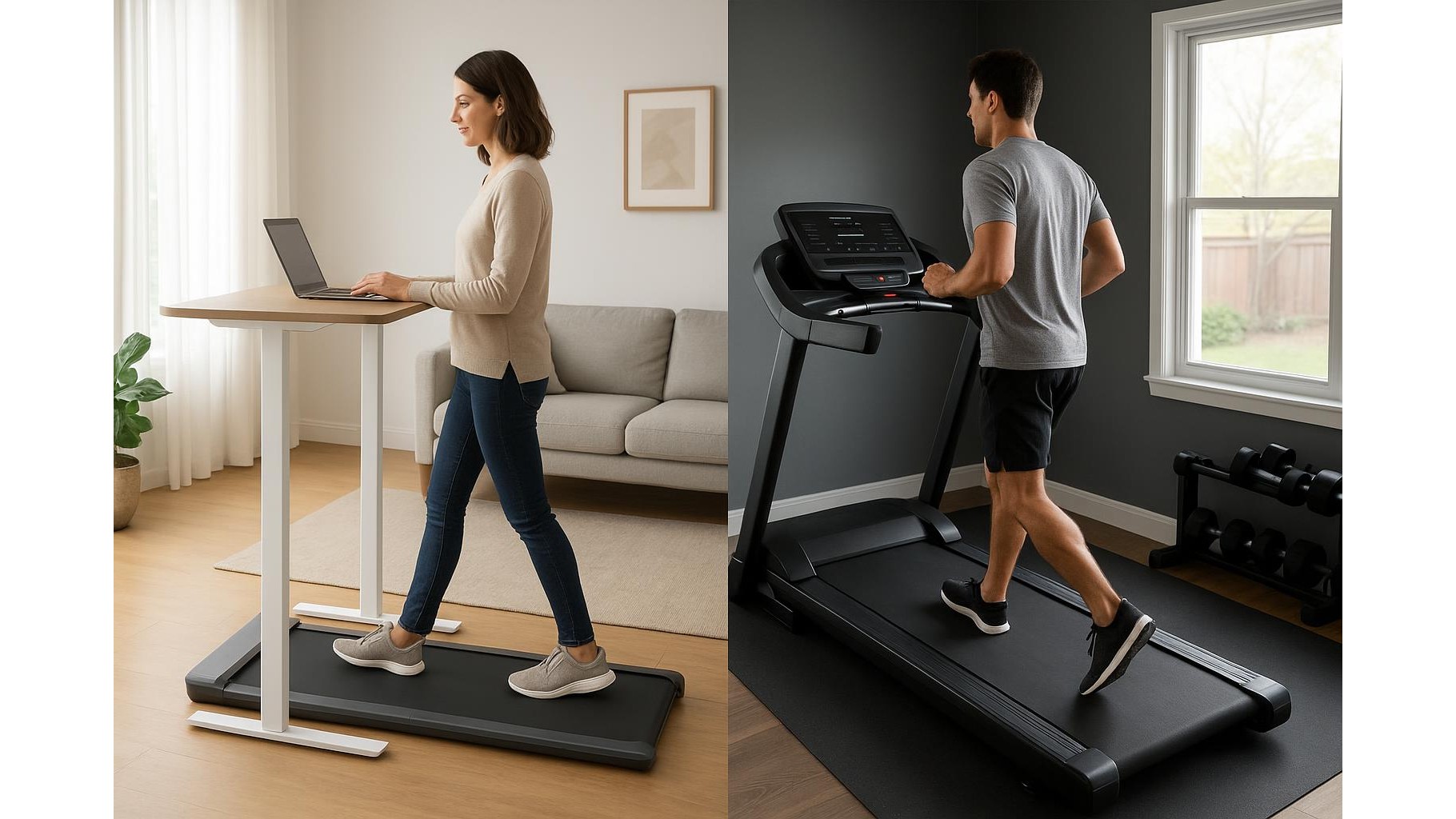
Space is the first big deciding factor. A walking pad is designed to be slim, low-profile and usually foldable. Most models are only a few centimetres high and can slide under a bed, sofa or be stored vertically behind a door. This makes them ideal for small flats, studios and shared spaces where you need to clear the floor quickly after use. A classic treadmill, even a folding one, generally has a larger deck, solid frame and full console. It often becomes a semi-permanent piece of furniture. That is not necessarily bad: if you have a spare room or a dedicated home gym, a bigger treadmill can feel more stable and safer at higher speeds. But if you live in a compact city flat, the ability to hide a walking pad out of sight may be the difference between actually using your cardio tool daily or leaving it folded forever.
Noise and everyday usability at home
When you share walls with neighbours or work from home, noise levels really matter. Walking pads typically use smaller motors optimised for low to moderate speeds. Combined with a lighter frame, this often means quieter operation, especially at gentle walking pace. This makes walking pads a strong choice for late-evening walks, calls on mute, or apartments with sensitive neighbours. Classic treadmills use more powerful motors capable of running speeds and incline. At low speeds they can be reasonably quiet, but once you add faster running and heavier foot strikes, the noise and vibration increase. If you mostly plan brisk walks or light jogs, both tools can work; but for regular running workouts you will need to accept more sound and possibly invest in floor protection mats to reduce vibrations.
Training possibilities: from desk walking to serious running
The biggest practical difference is in the type of training each machine allows. A walking pad is ideal for low-intensity, steady cardio: think NEAT (non-exercise activity thermogenesis), steps during the workday or easy recovery walks. Many people pair a walking pad with a standing desk, walking slowly while answering emails or watching TV. However, speed is limited and most walking pads are not designed for running or heavy interval sessions. A classic treadmill usually offers higher speeds, incline settings, preset workouts and better shock absorption. If your goals include structured cardio training, 5K or 10K preparation, interval work or hill simulations, a traditional treadmill is hard to beat. You also get a more natural running stride thanks to the longer deck, which matters if you are tall or have a long stride length.
Comfort, safety and user experience
Comfort and safety are often overlooked but crucial. A walking pad has a shorter belt and usually no side handrails. This minimalist design is fine for confident walkers, but can feel insecure for older users, beginners or anyone with balance issues. On the other hand, the low height makes stepping on and off very easy and reduces the fear of falling from a higher platform. Classic treadmills generally offer handrails, a larger running surface, clearer speed controls and safety keys that stop the belt if you stumble. The cushioning is usually better, helpful for joint comfort during longer workouts. The trade-off is that the machine feels more imposing and may be intimidating for some users. When choosing, consider who will use it: if several family members with different needs share the machine, the extra stability and safety features of a treadmill can be a major plus.
Who should choose a walking pad and who needs a treadmill?
Your lifestyle and goals should guide your choice. A walking pad fits people who want to increase daily steps, move more while working, or stay active in a very small space. If you mainly walk, rarely run and care a lot about discreet, easy storage, a walking pad is likely the better investment. A classic treadmill is the right pick if you see cardio as structured training: you do or plan to do regular runs, intervals or incline walks, and you have a dedicated corner or room for your equipment. It also serves better for households with multiple users and different fitness levels. In some cases, the ideal solution may even be a mix: a walking pad for weekday desk use and gym or outdoor sessions for intense runs.
In summary, both walking pads and classic treadmills can transform your home cardio routine, but they solve slightly different problems. Walking pads excel in compact spaces, quiet operation and everyday movement, making it easier to weave more steps into your routine. Traditional treadmills shine when you want performance-oriented training, running capability and robust safety features. Start from your actual habits, not your ideal self: if you are realistically going to walk while working or watching series, choose a walking pad; if you are committed to structured workouts and running goals, a classic treadmill will serve you better over time.