When every square metre counts, a bulky rower can feel impossible to justify. That’s where under‑bed rowing machines come in: ultra‑slim, stowable models that slide under a bed or stand discreetly in a corner, yet still deliver a full‑body workout. In this guide we’ll look at how to choose a low‑profile rowing machine for studio flats and shared homes, focusing on footprint, storage height, noise levels, resistance type and comfort. We’ll also highlight three compact options available on Amazon.co.uk to help you narrow down your search.
Measuring your space: length, height and storage options
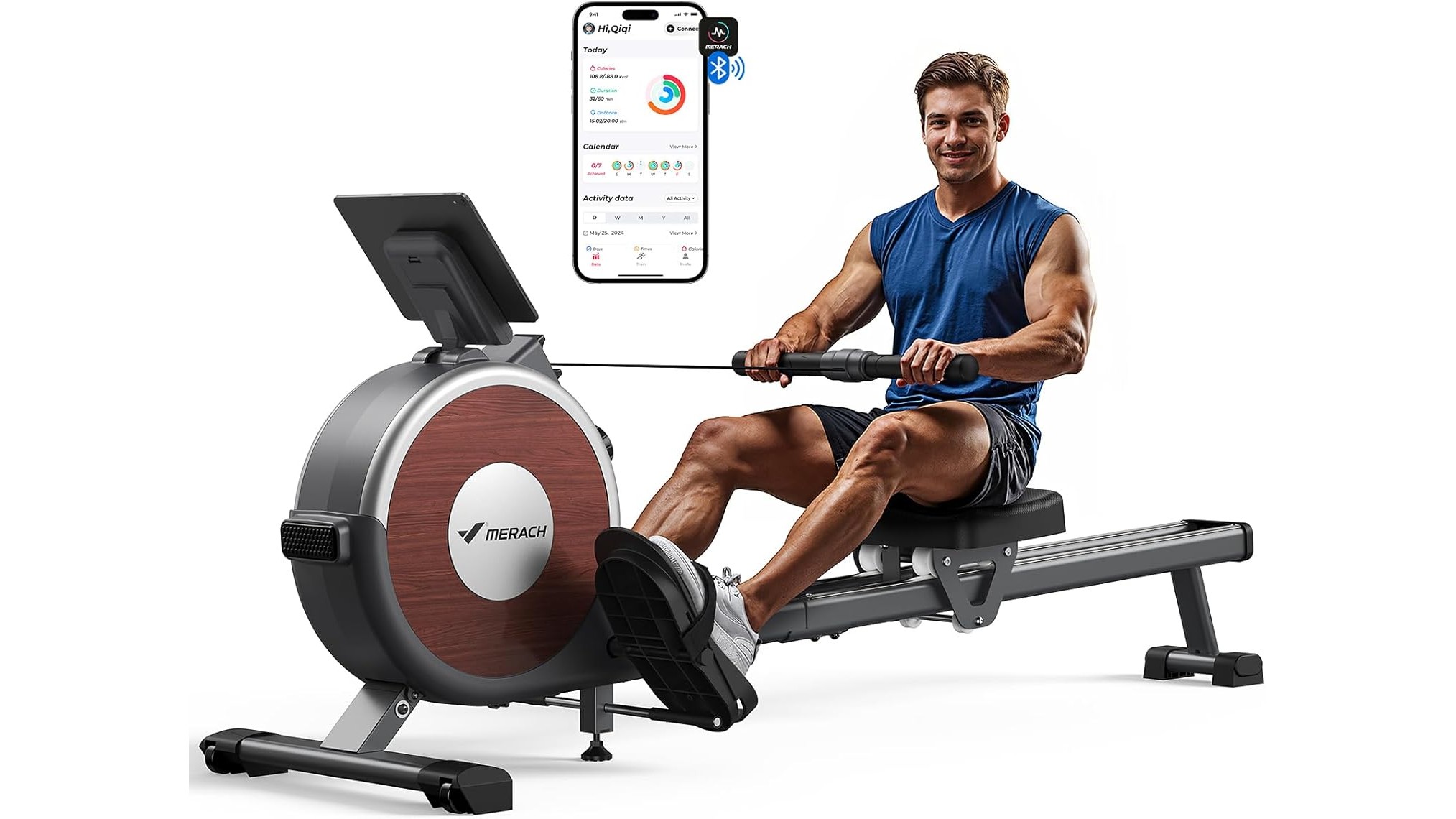
Before you fall in love with a machine, grab a tape measure. A typical full‑size rower needs around 2–2.3 m of length in use, but some compact frames and folding rails reduce this. Models like the MERACH Rowing Machine for Home Gym and VEVOR Magnetic Rowing Machine use a slim, elongated profile that can be wheeled upright into a corner after your session. If you truly want an under‑bed rower, check the folded or stored height against the clearance under your bed or sofa; many users in small flats simply stand the rower vertically against a wall to reclaim floor space. Pay attention to maximum user height and rail length too: taller users (around 1.85 m and above) should make sure the slide accommodates a full leg extension without their knees locking at the front.
Noise levels: training quietly in shared homes
For flat‑shares and late‑night workouts, quiet rowing machines are essential. Magnetic systems like the MERACH Rowing Machine for Home Gym and VEVOR Magnetic Rowing Machine use a frictionless flywheel to keep sound down; VEVOR quotes operation under 50 dB, making it suitable for use while housemates sleep next door. Users of the MERACH note it is “almost silent”, ideal for garages under bedrooms or thin‑walled apartments. Hydraulic models such as the Sunny Health & Fitness Compact Adjustable Rowing Machine are also naturally quiet because resistance is created in self‑contained pistons rather than open air or water. To further protect neighbours, add a rubber mat under the rail to absorb vibration and prevent the frame tapping against hard floors.
Choosing resistance: magnetic vs hydraulic for compact setups
The two most common resistance types in low‑profile home rowers are magnetic and hydraulic. Magnetic rowers, like the MERACH and VEVOR, use a flywheel and magnets to offer smooth pull and simple adjustment. On the MERACH you get 16 resistance levels via a dial, with users commenting favourably on its surprising strength even for heavier, stronger rowers. The VEVOR also offers 16 levels, giving enough range for gentle rehab work through to tougher intervals. Hydraulic rowers, such as the ultra‑light Sunny Health & Fitness Compact Adjustable Rowing Machine, rely on 12 levels of adjustable hydraulic pistons. They often have a much smaller frame and lighter weight, which helps with under‑bed storage and portability, but the stroke can feel slightly different and may heat up over very long sessions. For most city‑dwelling beginners to intermediates, either system will deliver effective cardio and full‑body conditioning in a tiny footprint.
Comfort and ergonomics in a small package
Compact does not have to mean uncomfortable. When comparing under‑bed rowing machines, look at the seat padding, handle shape and footplate design. The MERACH rower uses an ergonomic seat and upgraded double rails for stability up to 158 kg, avoiding the flex you sometimes feel on single‑rail budget models. Real‑world users praise its smooth glide, though those with very large shoe sizes mention their toes slightly overhanging the adjustable footplates. The VEVOR rower focuses on a cushioned seat, ergonomic handles and a smooth pulley system, designed to keep the stroke motion even and joint‑friendly. Sunny’s compact hydraulic rower features a padded seat and pivoting foot pedals with straps, which is particularly helpful if you share the machine with family members of different sizes. Whatever you buy, ensure the rail is long enough and the handle path doesn’t force you to hunch your shoulders at the finish of each stroke.
Tech features, apps and budget considerations
Even low‑profile machines now come with connected fitness options that can make small‑space training more engaging. The MERACH Rowing Machine for Home Gym includes free access to the MERACH app and is compatible with Kinomap, so you can row along scenic routes while tracking metrics such as distance, time, calories, stroke rate and heart rate. The VEVOR Magnetic Rowing Machine connects via Bluetooth 5.2 to virtual training platforms for immersive sessions and progress tracking. The Sunny Health & Fitness Compact Adjustable Rowing Machine syncs with the SunnyFit app, unlocking over 1,000 training videos and global routes; it also has an integrated device holder for your phone. In terms of price, these under‑bed‑friendly models sit in the mid‑budget range, yet offer enough resistance levels and load capacity to serve most home athletes for years.
For tiny homes and shared spaces, an under‑bed rowing machine is a smart way to secure full‑body cardio without surrendering your living room. Measure your available space carefully, consider noise and resistance type, and prioritise comfort features like a supportive seat and secure footplates. Compact magnetic options such as the MERACH and VEVOR rowers balance quiet performance with app connectivity, while the lightweight Sunny hydraulic rower excels in portability and simple storage. With the right low‑profile rower, you can build a powerful home workout routine that disappears neatly out of sight between sessions.