When you are trying to build a home gym in a tight space, compact cardio tools like the under-desk bike and the mini stepper become very attractive. Both promise low‑impact movement, a small footprint and the chance to burn extra calories at home. Yet they feel very different to use and fit into daily life in different ways. This guide compares under‑desk bikes and mini steppers in terms of calorie burn, joint impact, noise, usability while working and who each option is best for.
Table of contents
How an under-desk bike works in a home office
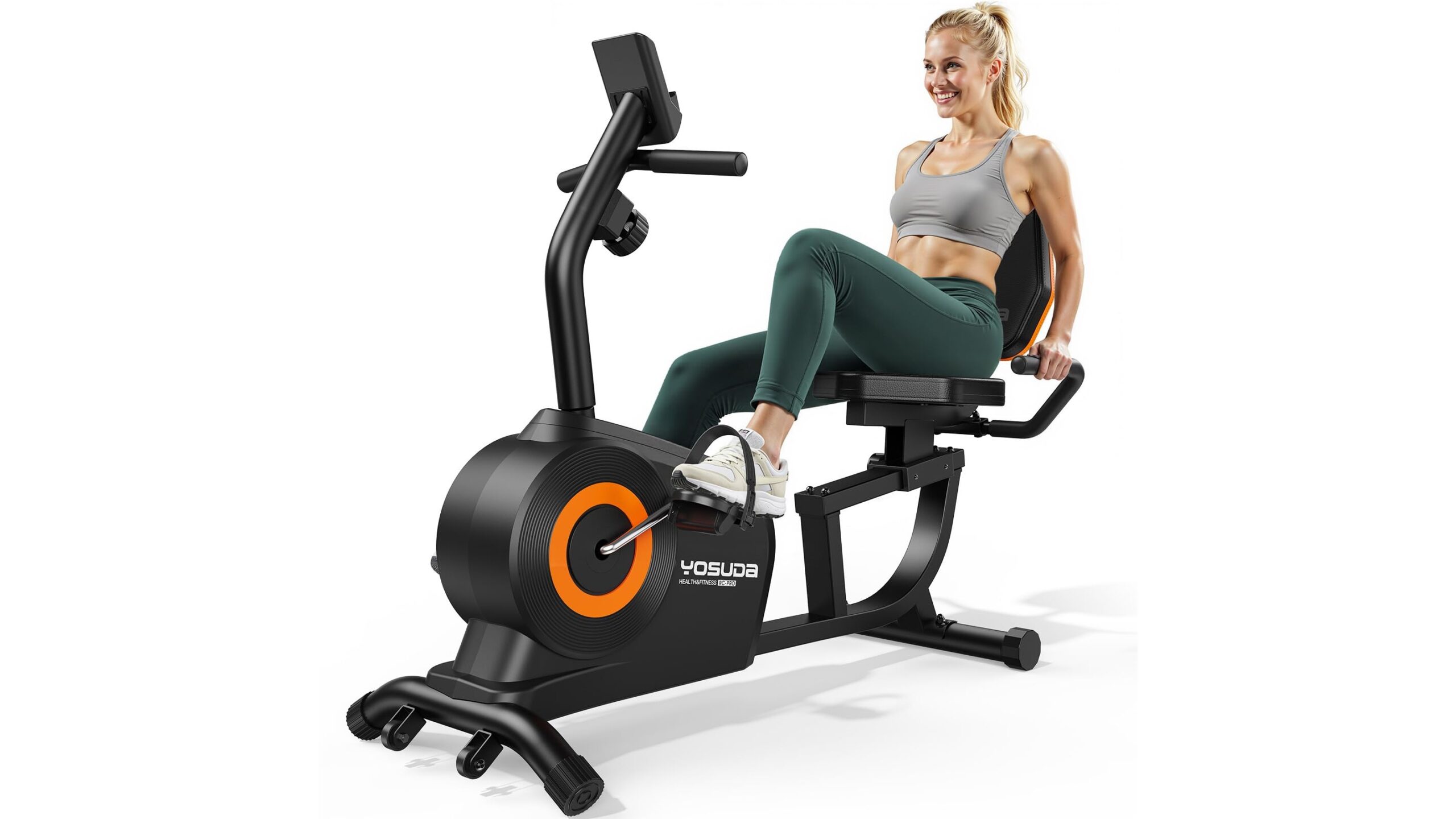
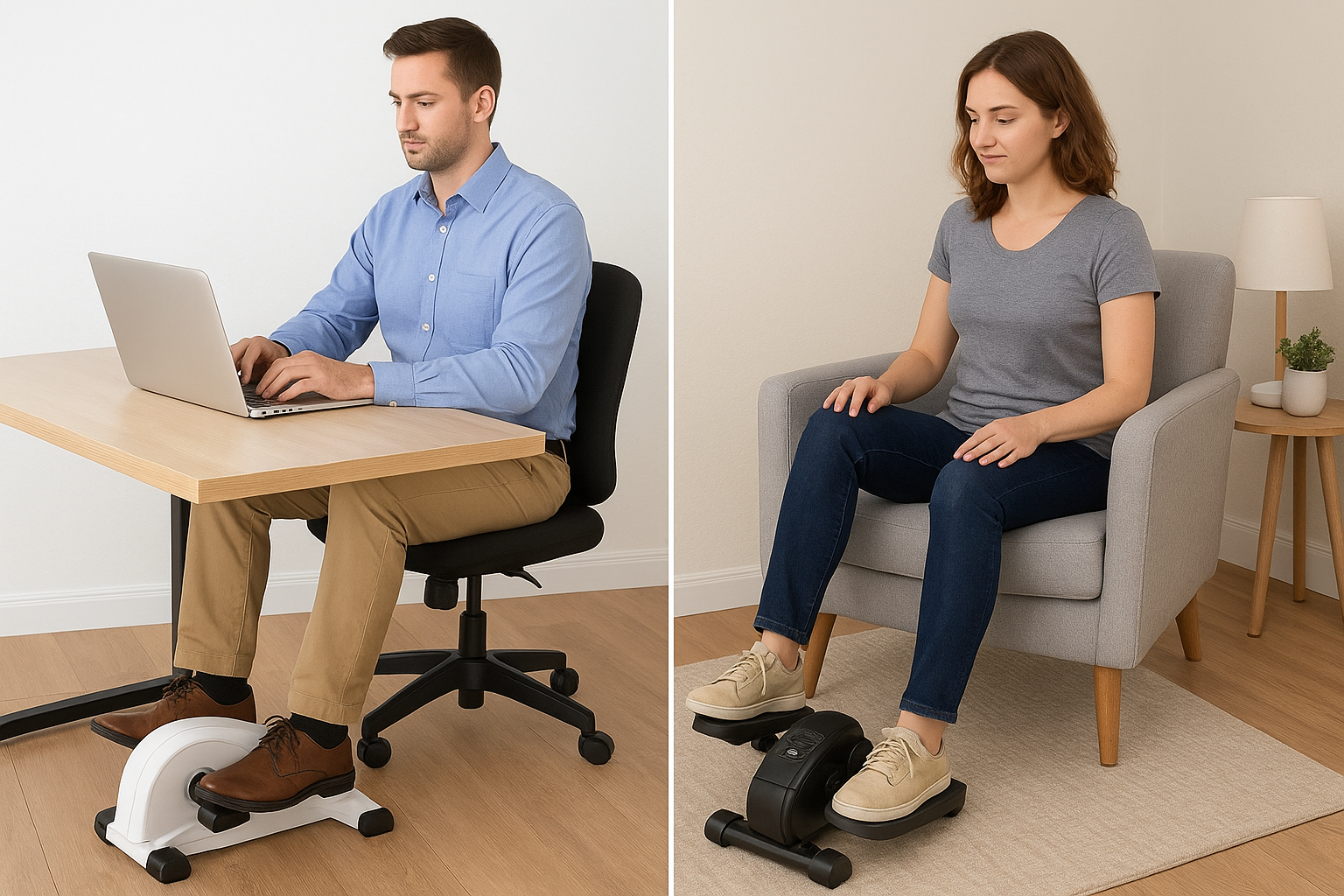
An under-desk exercise bike is a compact set of pedals you place under your desk or in front of a chair. You sit in a normal chair and pedal as if you were on a very low stationary bike. Many models include adjustable magnetic resistance, a simple display showing time, distance and estimated calories, and non‑slip feet. Because your upper body can stay relatively still, an under‑desk bike is easier to use during computer work, reading or video calls. The smooth pedalling motion is gentle on the knees and hips, making it suitable for beginners, older adults and anyone returning from injury who needs low‑impact cardio.
How a mini stepper feels for compact cardio
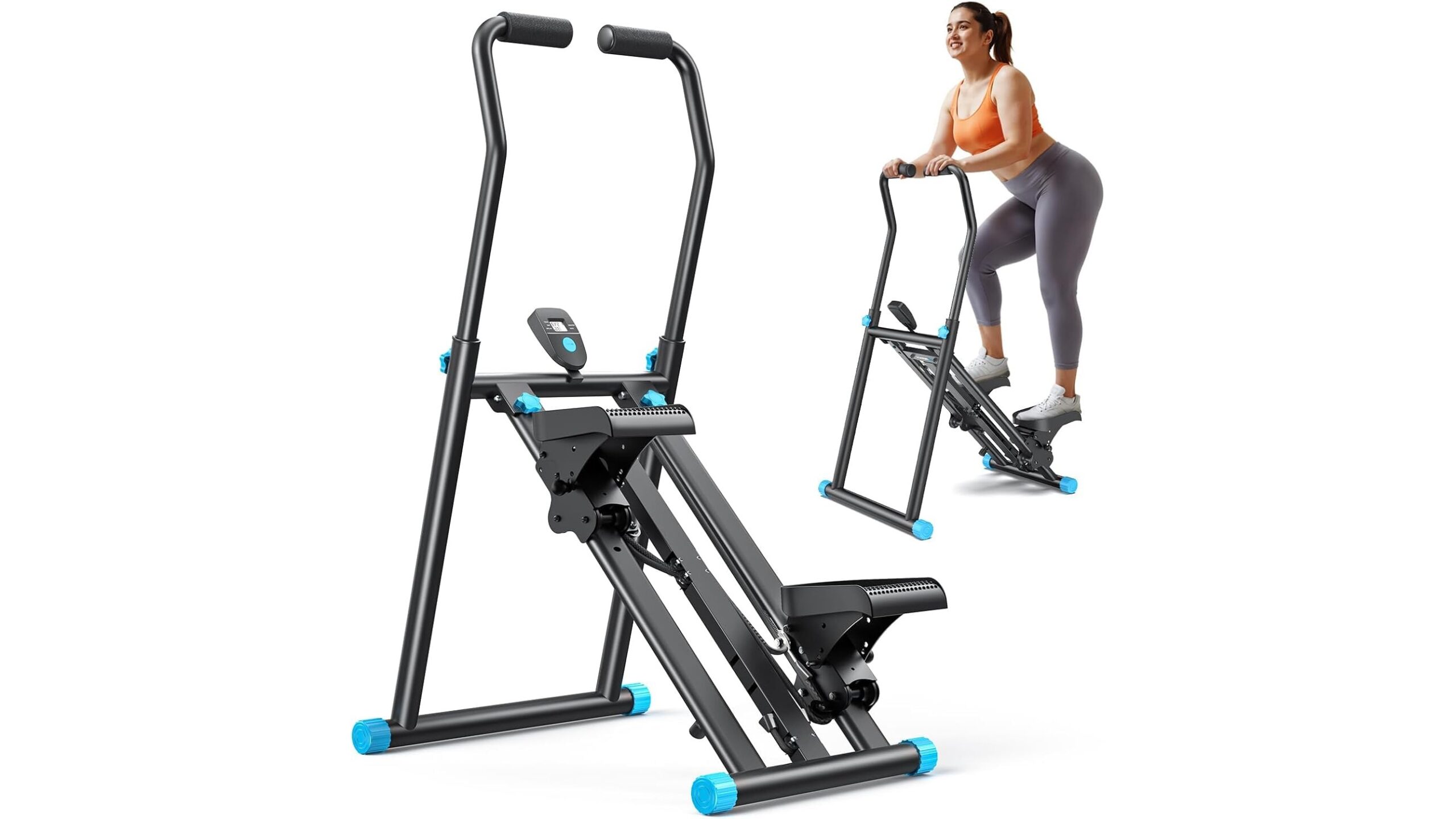
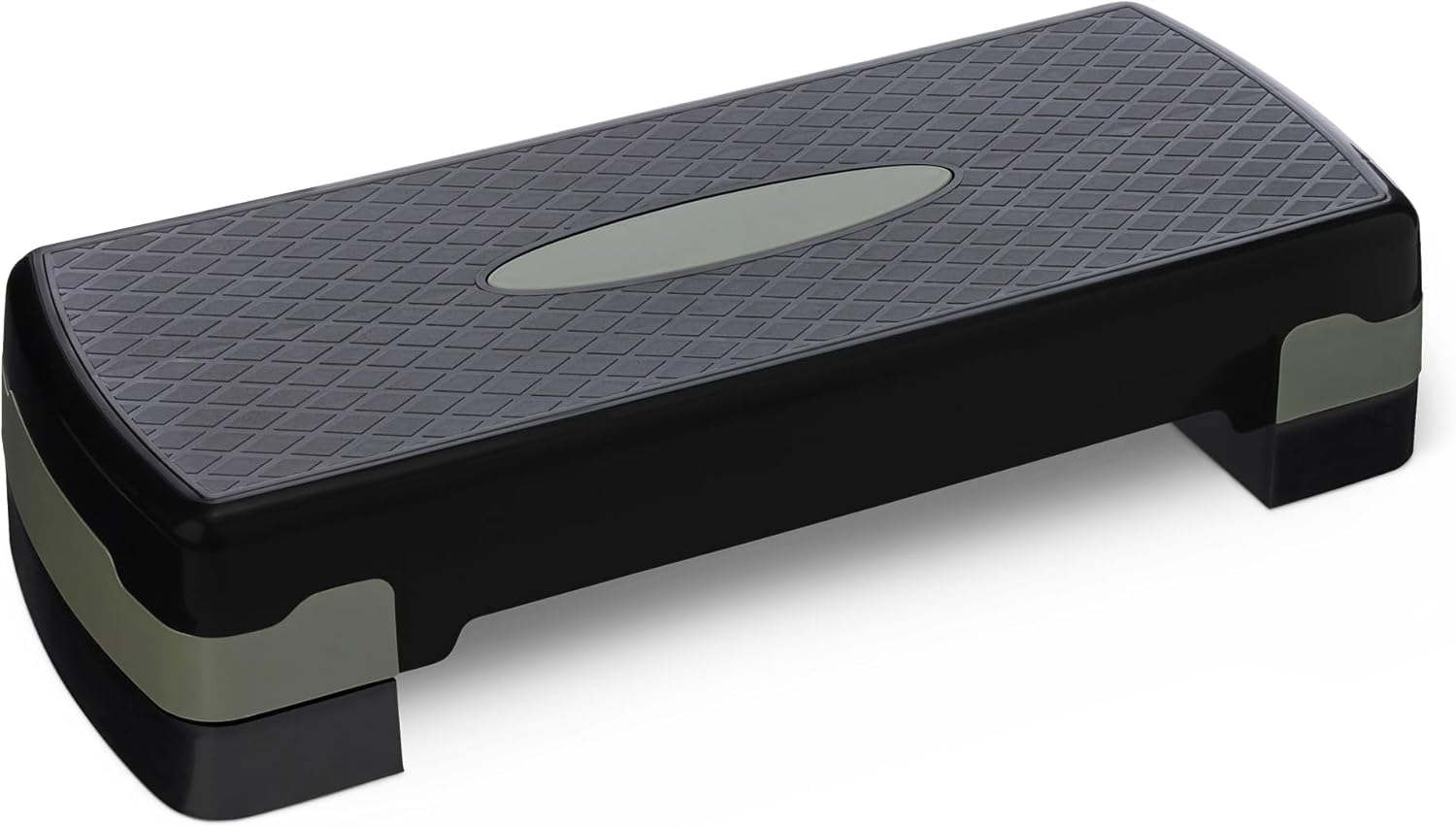
A mini stepper is a small platform with two independent footplates that move up and down, simulating stair climbing. Some models add removable resistance bands for a light upper‑body workout. Unlike an under‑desk bike, a mini stepper requires you to stand, so your core and glutes work harder to stabilise you. The stepping action loads the quads, calves and glutes in a way that feels closer to climbing stairs or hiking. This makes mini steppers a great option for people who want a more intense lower‑body burn in very short sessions, but it is harder to combine with desk tasks or long periods of focused knowledge work.
Calorie burn and workout intensity compared
Both tools count as low-impact cardio, but the way you use them changes how many calories you burn. An under‑desk bike tends to encourage longer, steady‑state sessions at a moderate pace. You might pedal lightly for 60–90 minutes while working, adding a few hundred extra calories of expenditure over the day without feeling like you did a workout. A mini stepper usually feels more intense: even 10–20 minutes of continuous stepping can raise your heart rate and create a strong muscle burn in the legs. For many users this leads to shorter but more vigorous sessions. In practice, if you will actually pedal for long periods, the under‑desk bike can match or beat the stepper in daily calorie burn; if you prefer short, tough bursts, the mini stepper will likely feel more effective.
Impact on joints, posture and noise level
Under‑desk bikes offer a very joint‑friendly workout. The seated pedalling motion is circular and smooth, minimising impact on the ankles, knees and hips. This makes them a good match for users with joint sensitivity, higher body weight or those needing gentle rehabilitation movement. They are also typically quieter than steppers, especially models with magnetic resistance, which is important for shared flats or late‑night use. Mini steppers, while still low‑impact compared with running, load the knees and ankles more due to the repeated up‑and‑down action and your full body weight on the pedals. Many people love this for bone and muscle strength, but some may feel discomfort if they have existing joint issues. Mechanically, steppers can be a bit noisier, with audible squeaks or thumps if not maintained or placed on a good mat.
Working while moving: multitasking potential
If you want to combine exercise with productivity, the under‑desk bike clearly has the advantage. You can pedal at an easy pace while typing, attending virtual meetings or answering emails with minimal disturbance to your posture or concentration. Most people adapt quickly so that pedalling becomes almost automatic background movement. In contrast, a mini stepper demands your full attention. Because you are standing and balancing, it is not practical to use at a desk for extended periods, and screen‑based tasks feel awkward or unsafe. This makes the mini stepper a better fit for dedicated short workout breaks between tasks, rather than something you use continuously through the workday.
Who should choose an under-desk bike vs a mini stepper?
An under-desk exercise bike is ideal if your main goal is to reduce sedentary time and quietly increase daily movement while you work or study. It suits beginners, office workers, older adults and anyone needing gentle, low‑impact cardio that will not disturb housemates. A mini stepper is better for users who want time‑efficient, more intense lower‑body workouts in a tiny space, and who are happy to set aside specific blocks of time for exercise. It can be a strong choice for people looking to strengthen legs and glutes, or to mimic stair climbing when they do not have room for a full stair machine. Ultimately, many home gym owners benefit from starting with the tool that matches their lifestyle: choose the under‑desk bike if you value all‑day movement and quiet operation, and the mini stepper if you crave short, powerful sessions that feel like a real workout.
In summary, both the under-desk bike and the mini stepper are smart, space‑saving options for home cardio. The bike excels for long, low‑impact sessions that blend into your workday, while the stepper offers more intensity in less time for dedicated workouts. Think honestly about your joints, your schedule and how you prefer to move: if you want subtle, background activity, the under‑desk bike will likely work best; if you enjoy a stronger leg burn and do not mind setting aside separate workout time, the mini stepper may be the compact cardio tool that keeps you motivated at home.