Setting up a home cardio corner often comes down to a key decision: invest in a smart bike trainer or choose a classic exercise bike. Both options can deliver effective workouts, but they differ in space needs, noise levels, connectivity, and training feel. Understanding these differences will help you pick the best solution for your fitness goals, whether you are a beginner, keen cyclist, or casual user.
Table of contents
Space and storage in a home gym
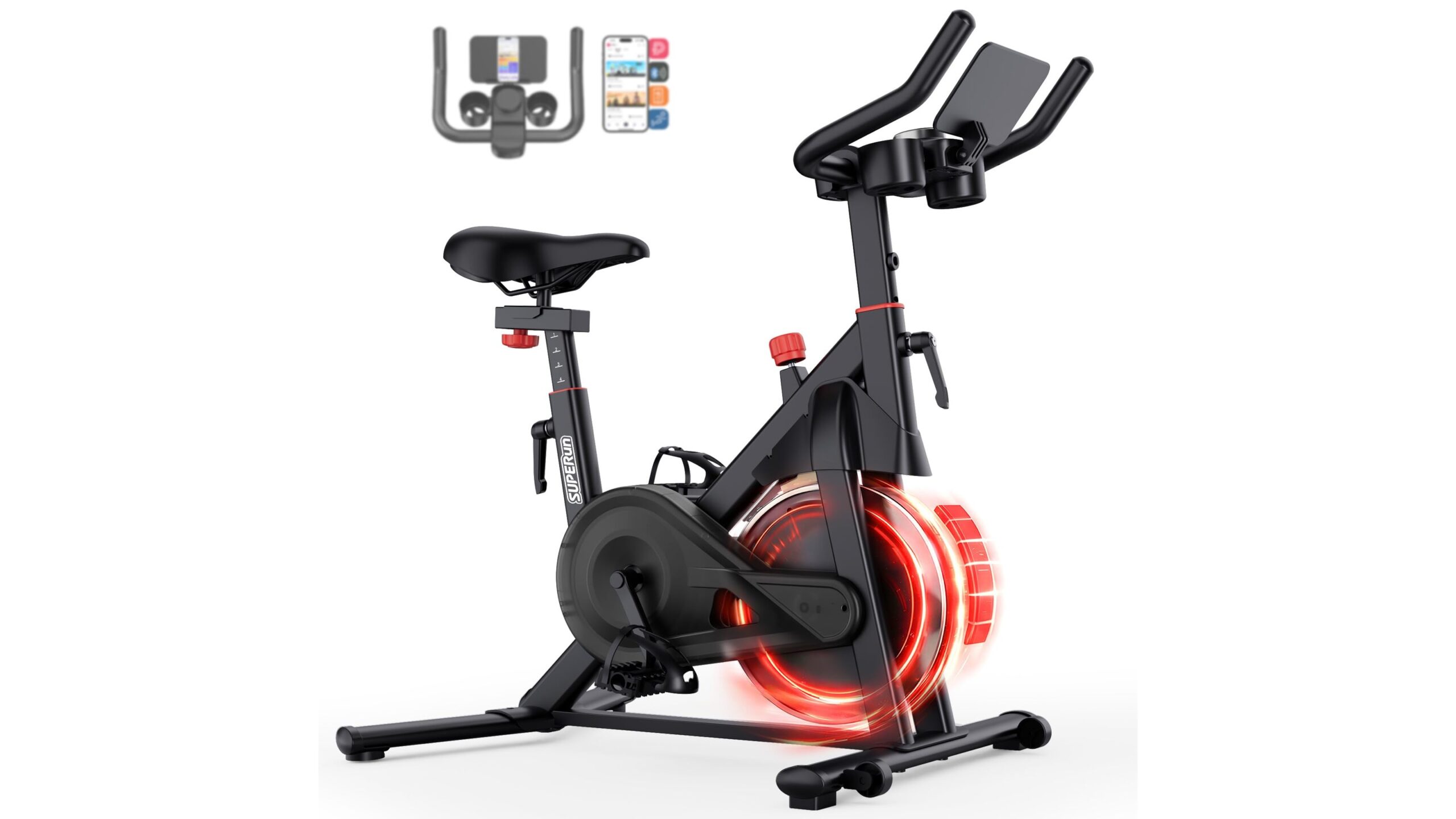
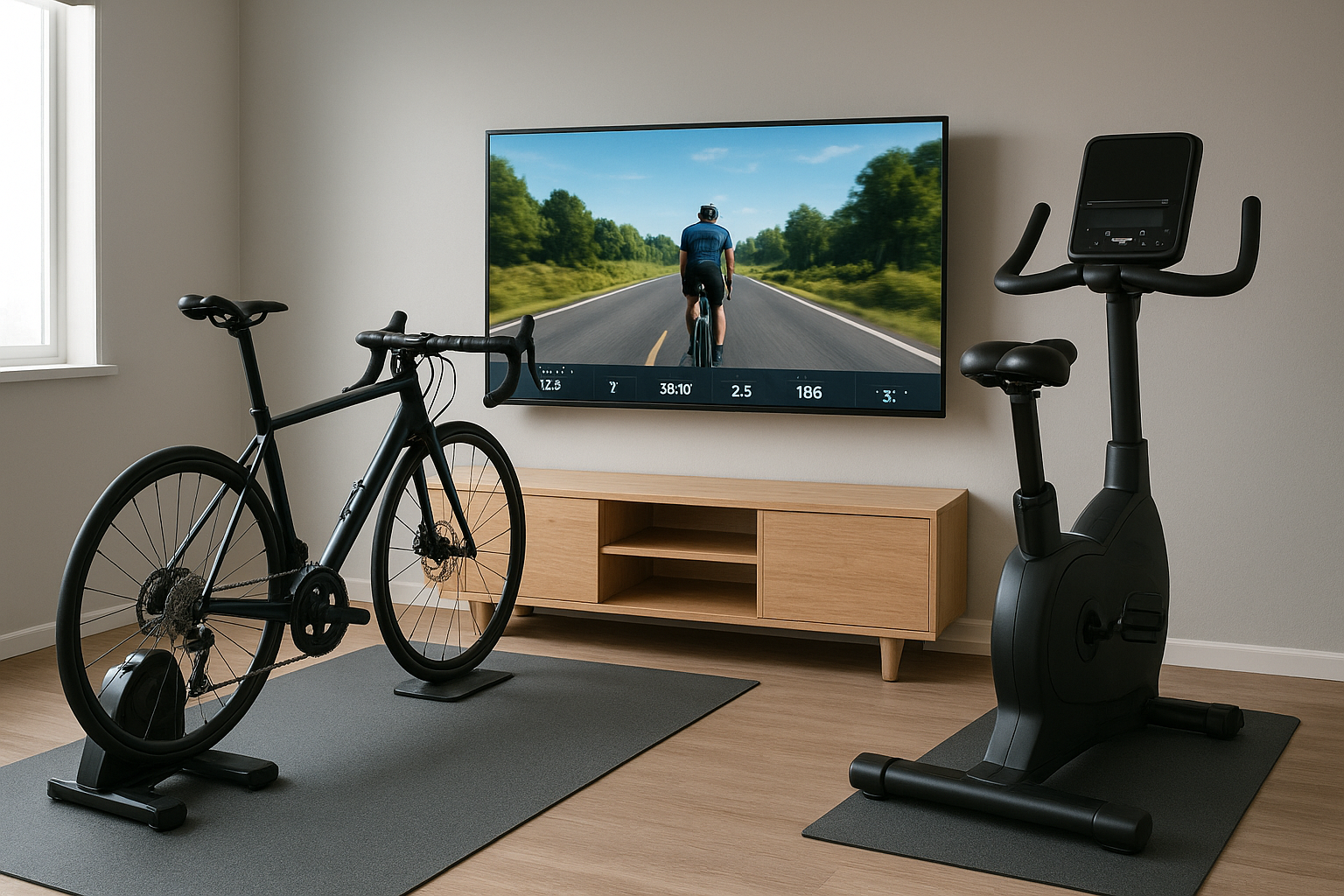
Space is often the first constraint when planning a home gym. A smart bike trainer uses your existing road or gravel bike, locking the rear wheel or axle into a compact unit. When not in use, you can fold the trainer and store both bike and trainer vertically, making it ideal for small flats or shared spaces. A classic exercise bike is a dedicated, single piece of cardio equipment. It usually has a larger footprint, and although some models include wheels for easy movement, they are designed to remain assembled and visible. If you already own a quality bike and need a compact solution, a smart trainer generally wins on footprint and flexibility.
Noise levels and home-friendly operation
Noise is crucial if you live in an apartment, train early in the morning, or share space with family. Modern smart trainers are designed to be relatively quiet, especially direct-drive models where you remove the rear wheel and mount the bike onto a cassette. The hum comes mostly from your drivetrain rather than the trainer itself. Classic exercise bikes vary more: models that use magnetic resistance can be very quiet, but cheaper friction-resistance bikes may squeak and generate more noise when you increase intensity. If silent operation is your top priority, a good magnetic-resistance exercise bike or a mid-range direct-drive smart trainer is the safest home-friendly choice.
Connectivity, apps, and structured training
Where smart bike trainers really shine is in connectivity and structured training. They typically connect via Bluetooth or ANT+ to platforms like Zwift, TrainerRoad, or Wahoo SYSTM, automatically adjusting resistance to match virtual climbs or interval plans. This makes each workout guided and engaging, ideal for cyclists following a specific training plan or anyone who needs extra motivation. In contrast, many classic exercise bikes offer simple console-based programs with manual resistance changes. Some premium models now sync with apps and provide virtual rides, but they still rarely match the precision of a smart trainer paired with your own bike. If you want data-driven, fully integrated workouts, the smart trainer ecosystem offers the richest experience.
Realistic ride feel and performance focus
For performance-focused riders, the realistic feel of the workout matters. Because a smart trainer uses your actual bike, the geometry, contact points, and shifting feel just like riding outdoors. Direct-drive trainers can simulate gradients and inertia, giving a smooth, natural pedalling sensation that helps maintain proper technique and power development. A classic exercise bike is optimised more for general fitness comfort: a fixed frame, adjustable seat and handlebars, and often a wider saddle for casual use. The ride feel is usually less dynamic, but perfectly adequate for steady-state cardio and calorie burning. If your goal is to improve outdoor cycling performance, a smart trainer offers a clear advantage in specificity and realism.
Who should choose which: beginners, cyclists, and casual users
Choosing between a smart bike trainer and a classic exercise bike depends on who you are and how you plan to train. Beginners who just want simple, low-impact cardio may find a classic exercise bike more intuitive: you hop on, press start, and pedal, with no need to own or maintain a separate bike. Cyclists who ride outdoors will benefit more from a smart trainer, turning their home into a focused training lab that mirrors real rides and supports advanced metrics. Casual home users who share equipment with family might lean toward an exercise bike, as it adjusts easily to different users and does not require bike fitting. Ultimately, the best choice is the one that fits your space, noise constraints, budget, and long-term training ambitions.
Both smart bike trainers and classic exercise bikes can anchor an effective home cardio setup. Smart trainers excel in connectivity, realism, and performance-focused training, particularly if you already ride outdoors. Exercise bikes provide simplicity, all-in-one convenience, and broad accessibility for every member of the household. Evaluate how much space you have, how quiet you need your workouts to be, and whether you crave structured, app-based training or straightforward pedalling. Matching the equipment to your lifestyle will ensure your home gym keeps you consistent, motivated, and progressing toward your fitness goals.