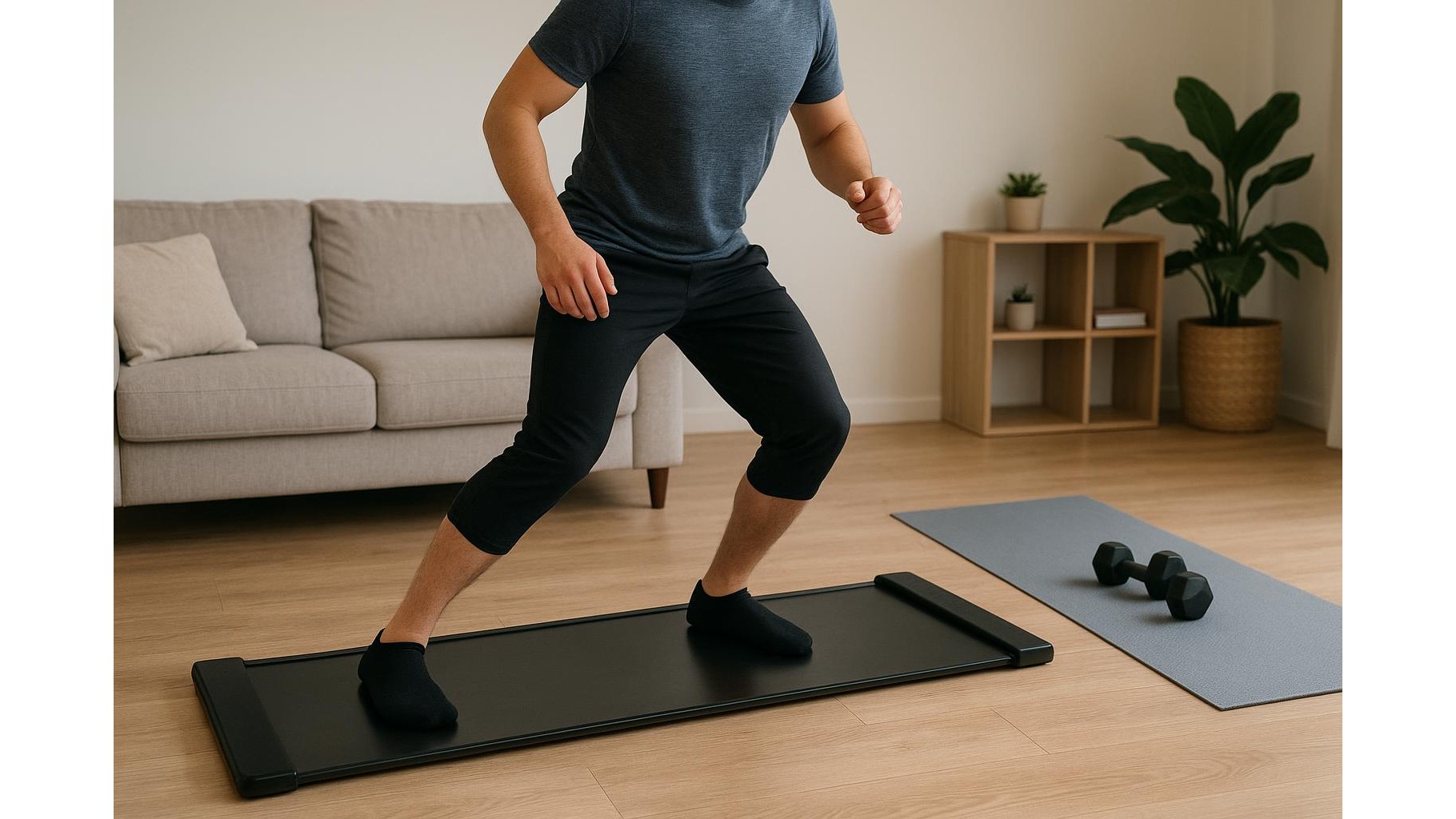
Slide boards are a clever way to add lateral cardio to your home gym without sacrificing much space or stressing your joints. By simulating ice skating or speed skating, they challenge the glutes, adductors and stabilising muscles while keeping impact minimal. For apartment dwellers or anyone training in a shared space, choosing a quiet, low‑impact slide board is essential so you can move freely without annoying neighbours or housemates.
Table of contents
What makes a slide board good for home use
A good home slide board should balance length, surface quality and noise control. Longer boards (around 180–230 cm) give you room for full, powerful lateral pushes, especially if you are tall or more advanced, while shorter options suit beginners and tight spaces. Look for a smooth, durable sliding surface paired with included booties or shoe covers so you glide easily without scratching the board. Non‑slip backing on the underside helps keep the board stable on hard floors and reduces noise and vibration transfer, which is key in flats.
How to choose the right length and surface
When comparing slide boards, assess your available space and your training goals. If you mainly want light cardio and glute activation, a compact board around 150–180 cm will often be enough and easier to store under a bed or behind a sofa. For more athletic lateral work, hockey‑style conditioning or explosive pushes, a longer board is preferable so you do not feel cramped. The surface should be slick but not fragile: high‑gloss plastic or coated composite materials work well when paired with the right booties. Avoid boards that feel grainy or “sticky”; they can increase joint stress and make movements jerky instead of smooth.
Keeping things quiet in an apartment
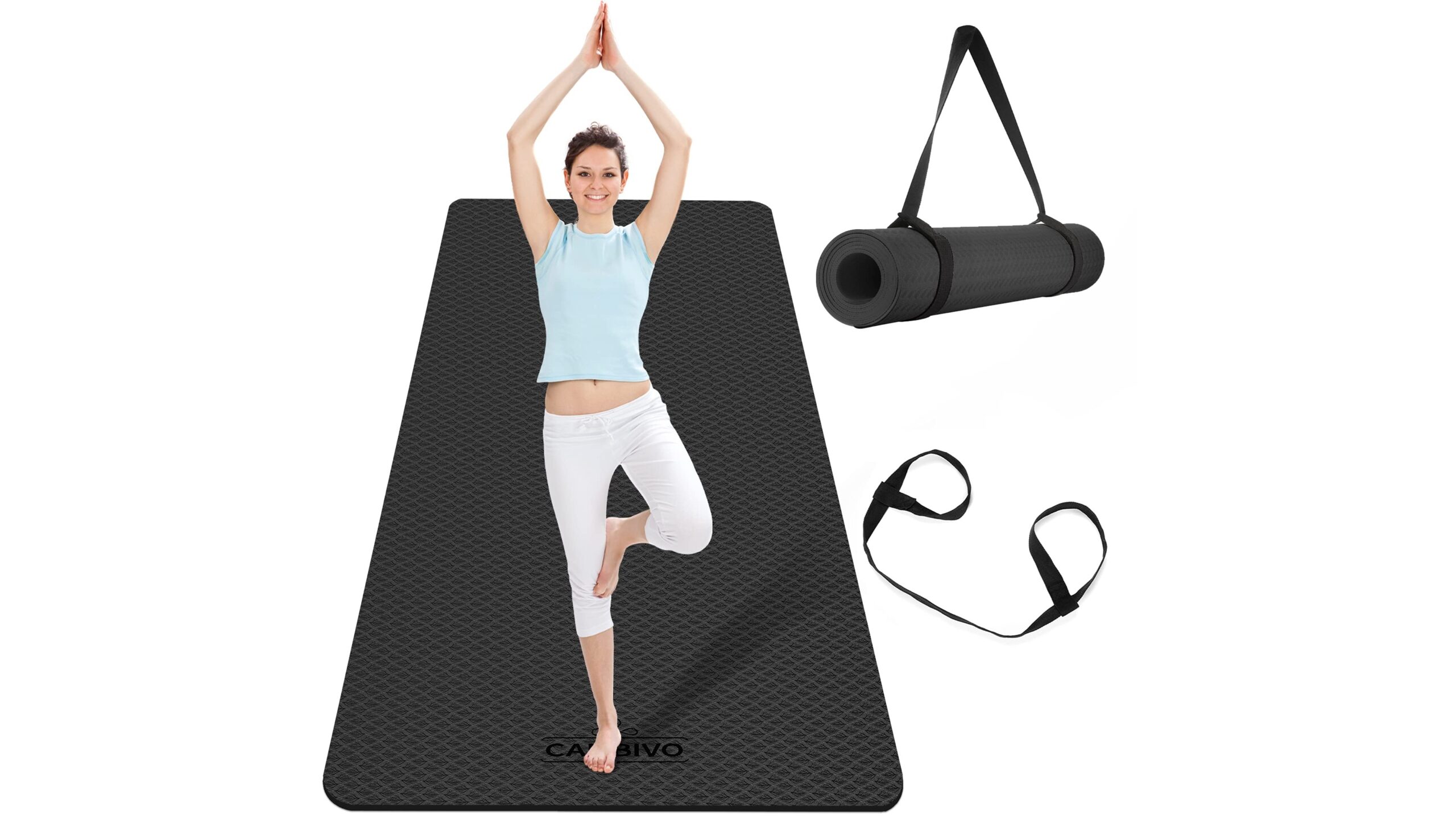
To keep noise levels low, focus on both the board and your set‑up. Choose a model with anti‑slip rubber or foam backing so it does not rattle against hard floors. Placing a thin exercise mat or rug underneath the slide board can further absorb vibration and protect parquet or laminate. Train in soft‑soled shoes or use the supplied booties over socks to reduce friction noise. Finally, control your movement: smooth, controlled pushes and soft landings at each end are not only better for your joints, they are also much quieter than aggressive, “slamming” changes of direction.
Starter workouts for glutes and adductors
Begin with short, focused sessions to build strength in the glutes, adductors and core. A simple routine could be: 4 x 20–30 seconds of steady lateral slides with 30–40 seconds rest, keeping hips low and chest up. Follow with 2–3 sets of lateral lunge slides, where one foot stays near the centre and the other glides out and back, emphasising control. You can add tempo variations, such as 10 seconds slow / 10 seconds fast, to build cardio conditioning without increasing joint impact. Always finish with a cool‑down of hip, groin and hamstring stretches to maintain mobility.
Progressions and variations to keep training engaging
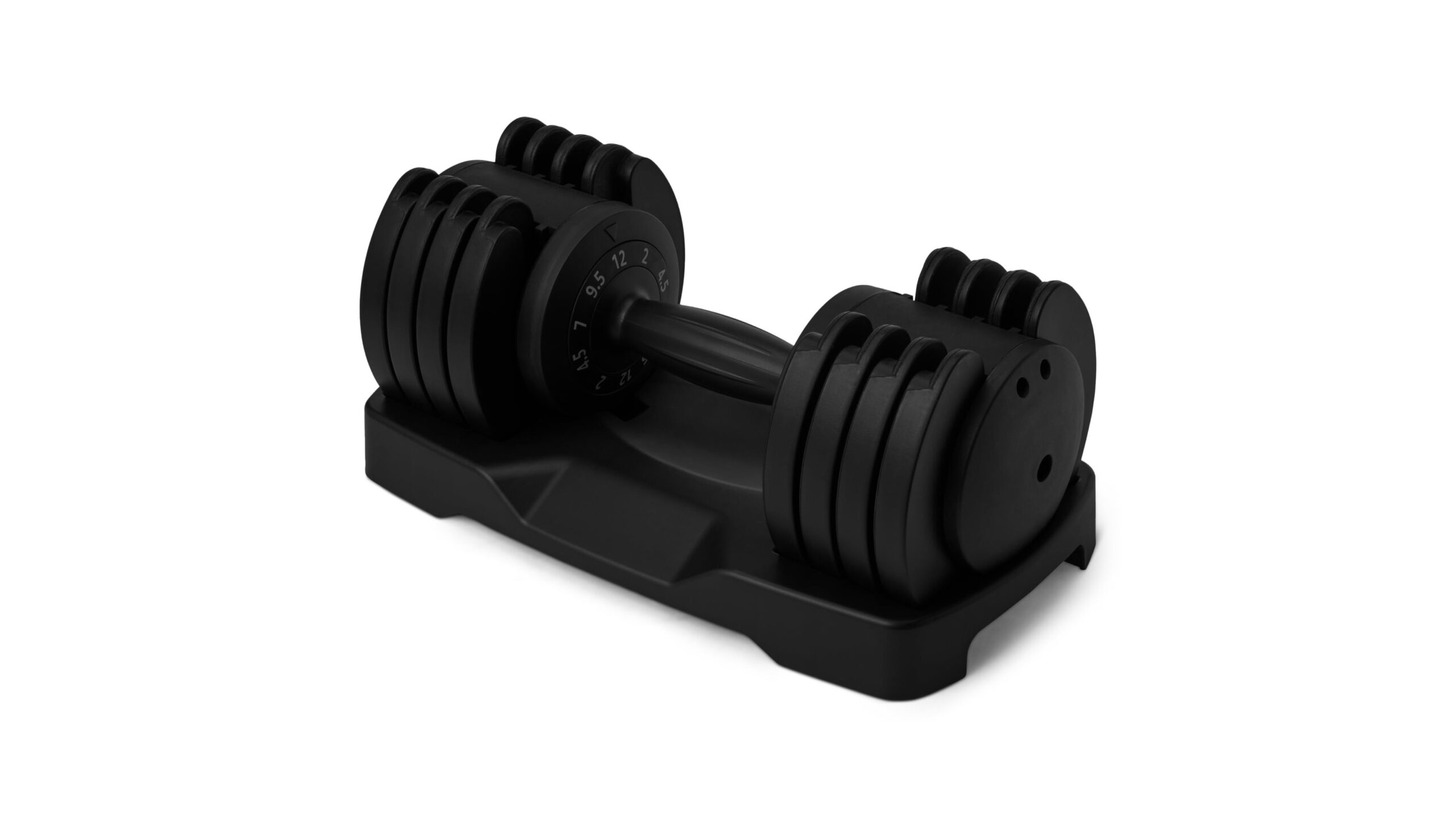
Once you are comfortable on the slide board, you can introduce progressions to keep your workouts challenging and fun. Try interval formats like 30 seconds of fast skating‑style slides followed by 30 seconds of slower, deeper slides to torch the lower body. Add upper‑body work by holding a light dumbbell or resistance band for rows or presses as you move laterally. Single‑leg balance drills, where you stabilise on one leg while the other glides in and out, dramatically increase core and hip engagement. Because slide boards are so space‑efficient and low‑impact, they integrate easily with strength circuits for a balanced home routine.
In summary, a well‑chosen slide board offers quiet, low‑impact lateral cardio that fits easily into a small home gym or apartment. Prioritise the right length for your stride, a smooth yet durable surface and good noise control through backing and floor protection. Start with simple glute‑ and adductor‑focused drills, then layer in intervals and balance work as you gain confidence. With consistent use, a slide board can become a compact, joint‑friendly cornerstone of your home fitness setup.