Choosing between a home rowing machine and an indoor exercise bike can be tricky. Both offer low‑impact cardio workouts, help protect your joints, and fit well into a compact home gym. The right choice depends on your body, your fitness level, and whether you prioritise comfort, posture, calorie burn, or full‑body strength.
Table of contents
Joint impact and comfort
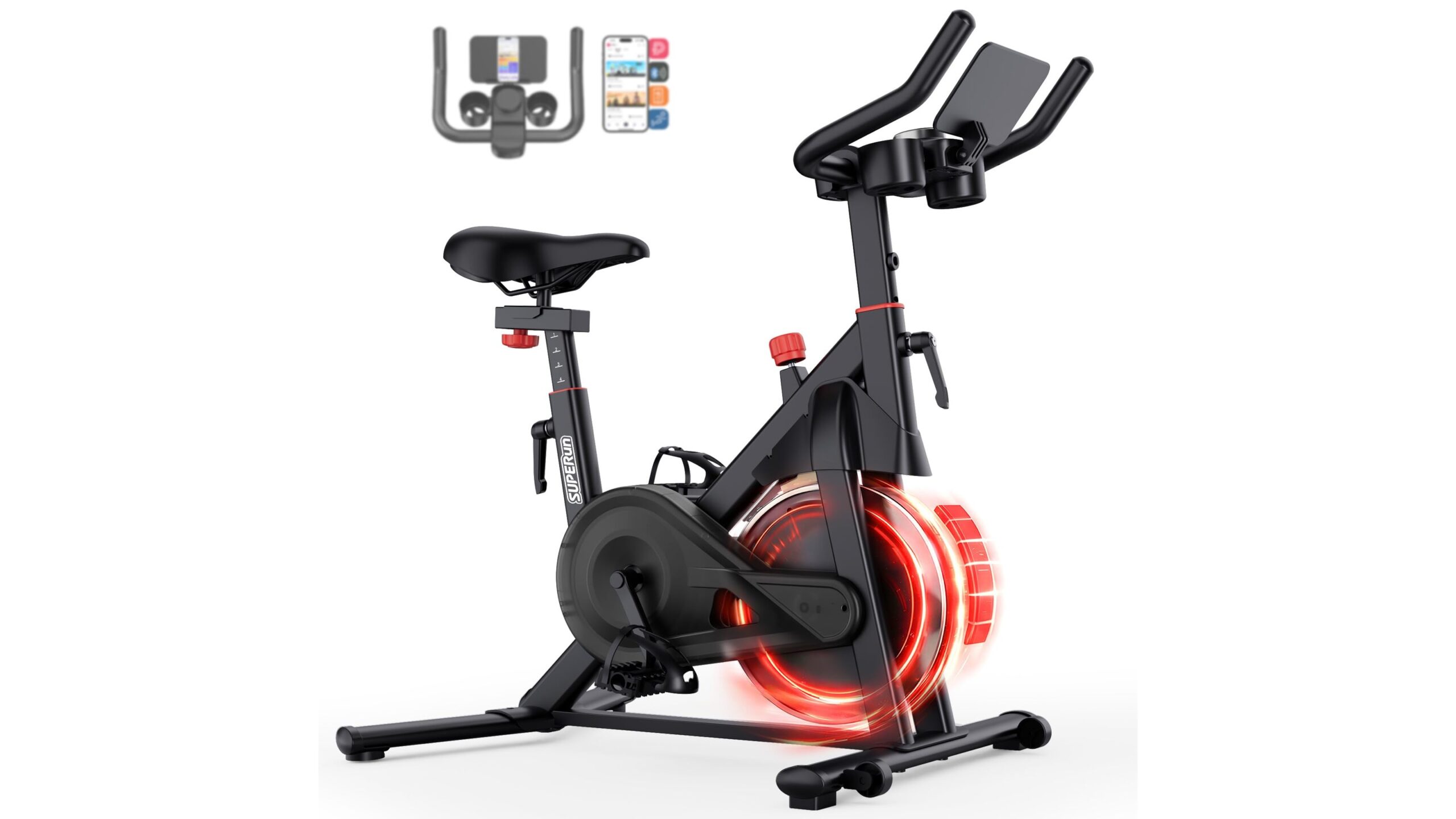
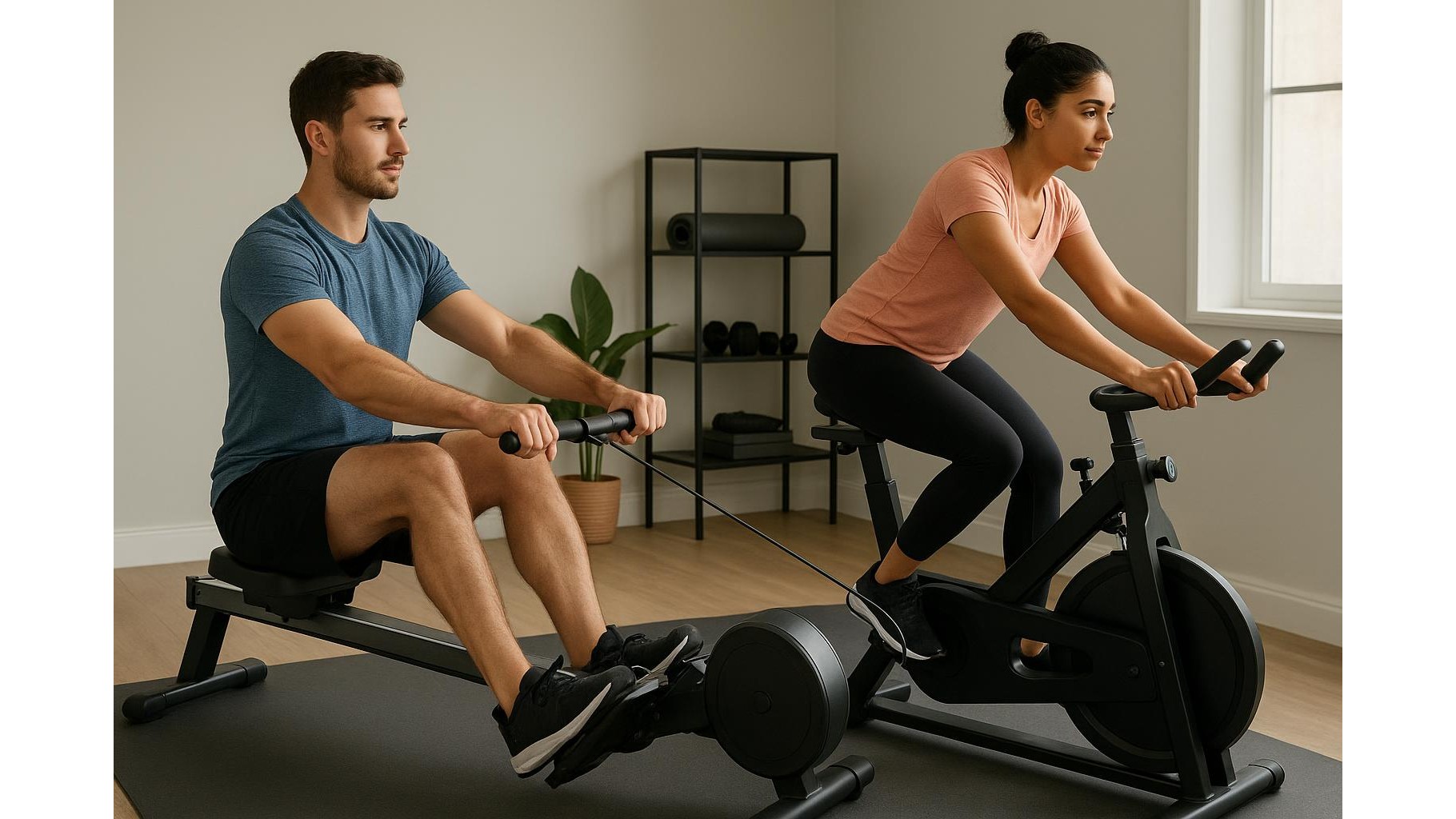
Both rowing and cycling are considered low‑impact, but they stress your joints in different ways. Indoor bikes generally feel very kind to the knees and ankles, especially if you adjust the saddle height correctly and keep resistance moderate. Rowing machines load the knees, hips and lower back more because of the repeated bending and extension. When performed with good technique, rowing can still be gentle, but anyone with a history of lower back pain may prefer an exercise bike for longer sessions. If you have sensitive knees, a bike with a smooth, heavy flywheel and multiple resistance levels is often the safest starting point.
Calorie burn and training intensity
A quality rowing machine typically recruits more muscle groups at once, so it can deliver a higher calorie burn per minute at similar effort. Rowing works the legs, core, back and arms, making it ideal for shorter, intense interval sessions. An indoor bike is excellent for longer, steady‑state rides that are easier to sustain for 30–60 minutes while watching TV or following a class. If your main goal is weight loss, both machines are effective as long as you can train consistently. People who enjoy pushing hard for 15–20 minutes often gravitate towards rowing, while those who prefer longer, more relaxed sessions usually stick with cycling.
Posture, muscles worked and back health
Posture is a key difference between rowing vs cycling. Rowing encourages an upright torso with a strong posterior chain (glutes, hamstrings, back) and teaches you to engage the core with every stroke. That can improve everyday posture if you already know or learn the correct form. Bikes, on the other hand, often keep you in a flexed, forward‑leaning position. This is comfortable for most users but may aggravate existing neck or shoulder tension if you hunch over the handlebars. If you work at a desk all day and want to offset rounded shoulders, rowing has a slight edge. However, cyclists can improve posture by raising the handlebars and engaging the core instead of collapsing through the spine.
Who benefits most from rowing at home
Home rowing machines suit users who want a full‑body workout in limited time and space. They are ideal for building cardio fitness while also improving muscular endurance in the back, legs and arms. Rowing is a strong option for people training for team sports, functional fitness or those who enjoy structured intervals like 500 m repeats. It also appeals to users who like a quiet, rhythmical movement that challenges coordination. However, beginners must invest a little time in learning correct technique to avoid overloading the lower back. If you are generally healthy, enjoy technical movements and want maximum muscle activation from one piece of equipment, rowing is a great choice.
Who benefits most from indoor cycling
Indoor bikes are the go‑to option for many beginners and users with joint concerns because of their predictable, low‑impact motion. They are especially friendly for those with knee, hip or ankle issues, older adults, and anyone returning to exercise after a break. Cycling feels very natural, requires almost no technique learning, and makes it easy to follow along with online spin classes or use built‑in training programs. If your goals are general cardiovascular health, weight control and stress reduction, an exercise bike is hard to beat. You can ride while watching films or reading, which increases the chances you will actually stick to your routine.
In summary, both rowing machines and indoor bikes can be excellent additions to a home gym, with low impact on the joints and strong cardio benefits. Rowing delivers a more intense full‑body challenge and can improve posture, but demands more technique and may not suit sensitive backs. Indoor cycling is simpler, often more comfortable for beginners, and highly joint‑friendly, making it ideal for long, steady workouts. Choose the machine that best matches your goals, your joint history and, most importantly, the style of training you are most likely to enjoy consistently.