
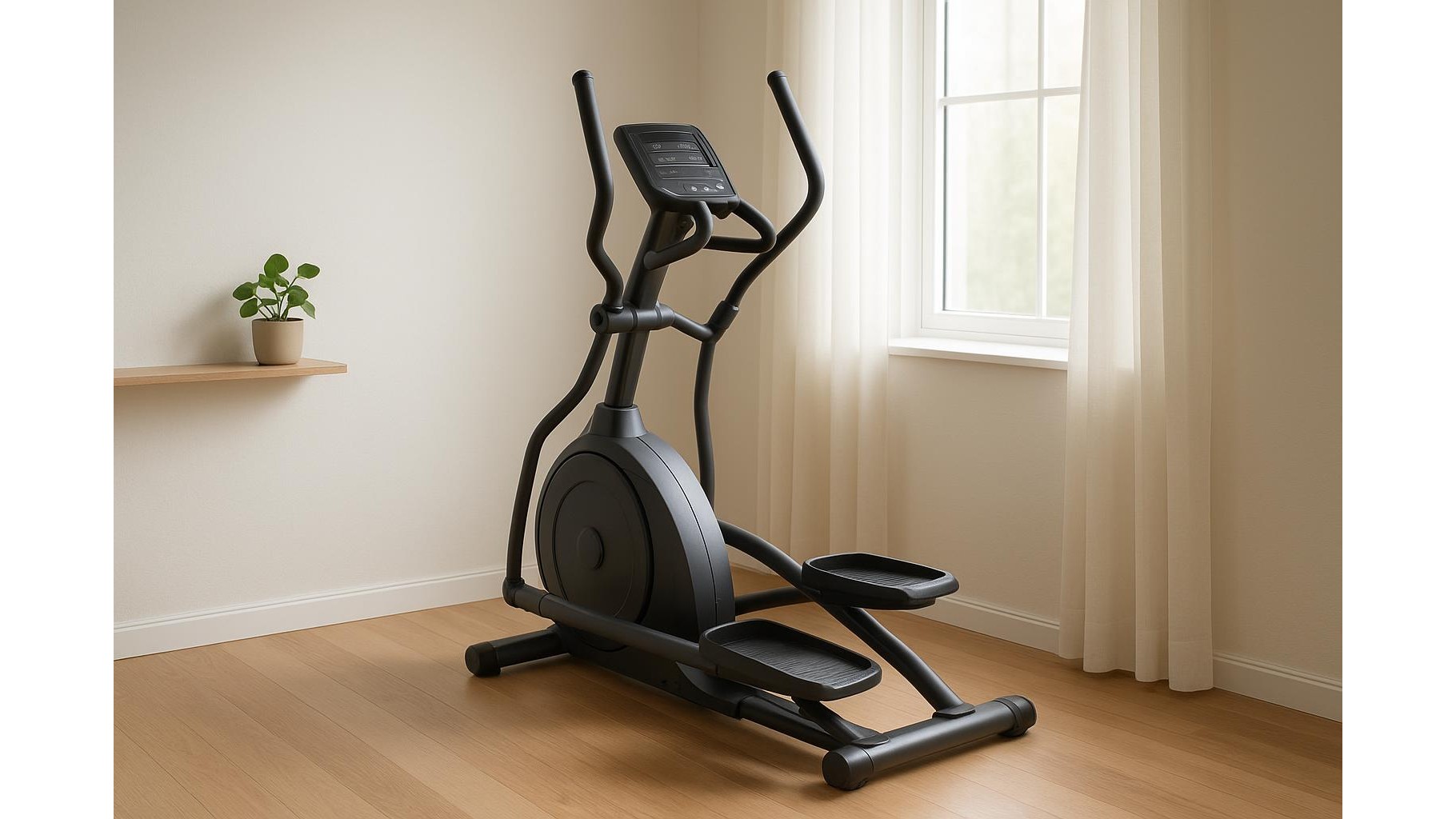
Buying a refurbished elliptical trainer can be a smart way to build your home gym without blowing the budget. Yet second-hand cardio equipment hides potential problems: worn bearings, noisy drives, dodgy consoles or weak frames can turn a bargain into a headache. This guide gives you a practical checklist to evaluate refurbished ellipticals for home use, helping you understand what to inspect and which questions to ask before you click “Buy now”.
Check frame integrity and overall build
The first thing to inspect on any refurbished elliptical is the frame. Look for a heavy-duty, welded steel frame with a stable base and wide rear supports, as this usually means better durability and less wobble at higher speeds. Examine product photos and descriptions for signs of rust, bent tubing, cracks around welds or excessive touch-up paint, which can indicate past damage. Ask the seller whether the frame has been structurally inspected and whether any parts have been replaced. A good refurbished model should feel solid and stable, even for heavier users, and list a clear max user weight that matches your needs.
Inspect the drive system, bearings and resistance
On a second-hand elliptical, the drive system and bearings are often where wear hides. Look for a model that highlights a heavy flywheel (for smoother motion) and a magnetic resistance system, which tends to be quieter and more durable than friction-based designs. Ask whether the bearings in the crank and pivot points have been checked, lubricated or replaced. Uneven resistance, sudden jumps in difficulty, or slipping pedals often indicate worn components. A properly refurbished machine should offer a wide range of resistance levels and a fluid, consistent stride without jerks or dead spots.
Confirm electronics, console and heart-rate functions
The console is usually the first thing to fail on cheap cardio gear, so it deserves attention on a refurbished elliptical. Check that the display clearly shows speed, time, distance, calories and resistance level, and that all buttons and programs work. If the elliptical includes heart-rate sensors or Bluetooth connectivity, confirm that these functions have been tested after refurbishment. Replacement power adapters, damaged cables or missing sensors can be costly. Ideally, the seller will provide photos of the console turned on, plus a list of which electronic parts were inspected or replaced during the refurbish process.
Evaluate stride length, ergonomics and noise level
Even if a second-hand elliptical is mechanically sound, it must still fit your body and your home. Look for the stride length in the specifications; around 16–20 inches is typical for most adults. Too short a stride can feel choppy and uncomfortable. Check the pedal spacing and handgrip positions for a natural stance that does not force your hips or shoulders. Since this is for home use, consider noise levels: magnetic resistance and belt-drive systems usually run quieter than chain drives. User reviews often mention squeaks or rattles, so read them carefully. For flats and shared spaces, a quiet, smooth elliptical is worth paying a bit more for.
Warranty, return policy and what “refurbished” really means
The label refurbished can mean anything from a deep clean to a complete mechanical overhaul. Before buying, ask the seller exactly what their refurbishment process includes: do they replace worn parts or just repair obvious faults? A reliable seller should offer at least a limited warranty and a clear return policy, even on second-hand machines. Confirm who handles after-sales support and how spare parts are sourced. If the refurbished elliptical has been serviced by an authorised technician, that is a strong plus. Combining a transparent refurbish process with a reasonable warranty gives you far more confidence that your second-hand elliptical will last in your home gym.
Choosing a refurbished elliptical trainer for home use is all about informed inspection. Focus on a solid frame, a smooth drive system with healthy bearings, fully functioning electronics and a stride that fits your body, while keeping noise low enough for your living space. Finally, demand clarity on the refurbishment process, warranty and returns. By following this practical checklist, you can turn second-hand cardio into a reliable, budget-friendly centrepiece of your home gym.









