Choosing between a recumbent bike and an upright bike is one of the most important decisions when building a home gym. Both offer low‑impact cardio, but they feel very different on your back, hips and knees, and they suit different goals and spaces. Below we compare comfort, back support, calorie burn, footprint and who should pick each style for home cardio.
Table of contents
Recumbent bike: comfort and back support at home
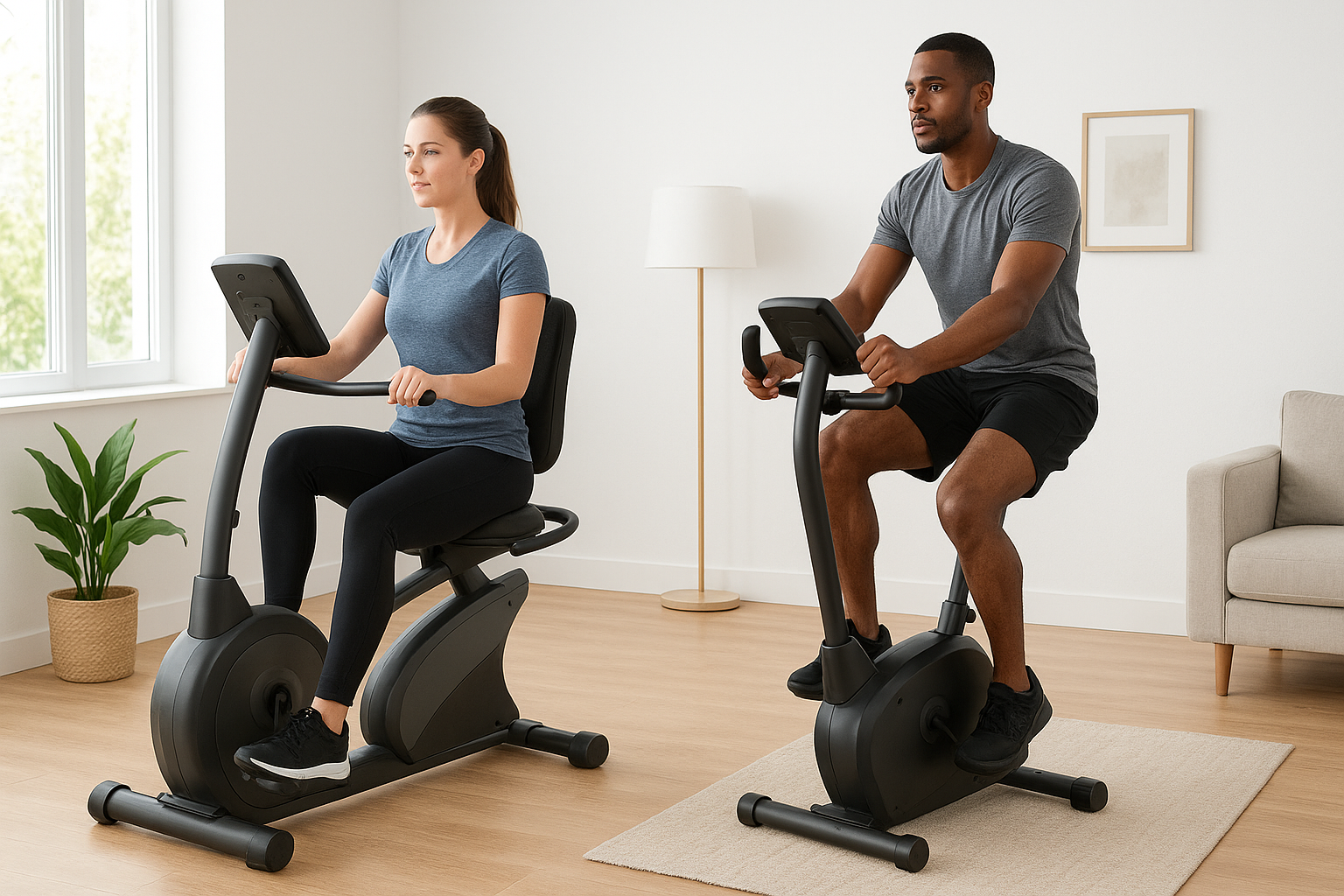
A good example of a home recumbent is the Sportstech ES600 Recumbent Exercise Bike. With its reclined seat and large backrest, a recumbent bike supports the lumbar spine and encourages a relaxed hip angle. This position reduces load on the lower back and knees, making it ideal for seniors, beginners and anyone returning from injury. Many models include step‑through frames, so you do not have to swing a leg high over the bike. The trade‑off is that recumbents are longer and take more floor space, but for pure comfort and stable, low‑impact cardio, they are hard to beat.
Upright bike: compact design and higher intensity
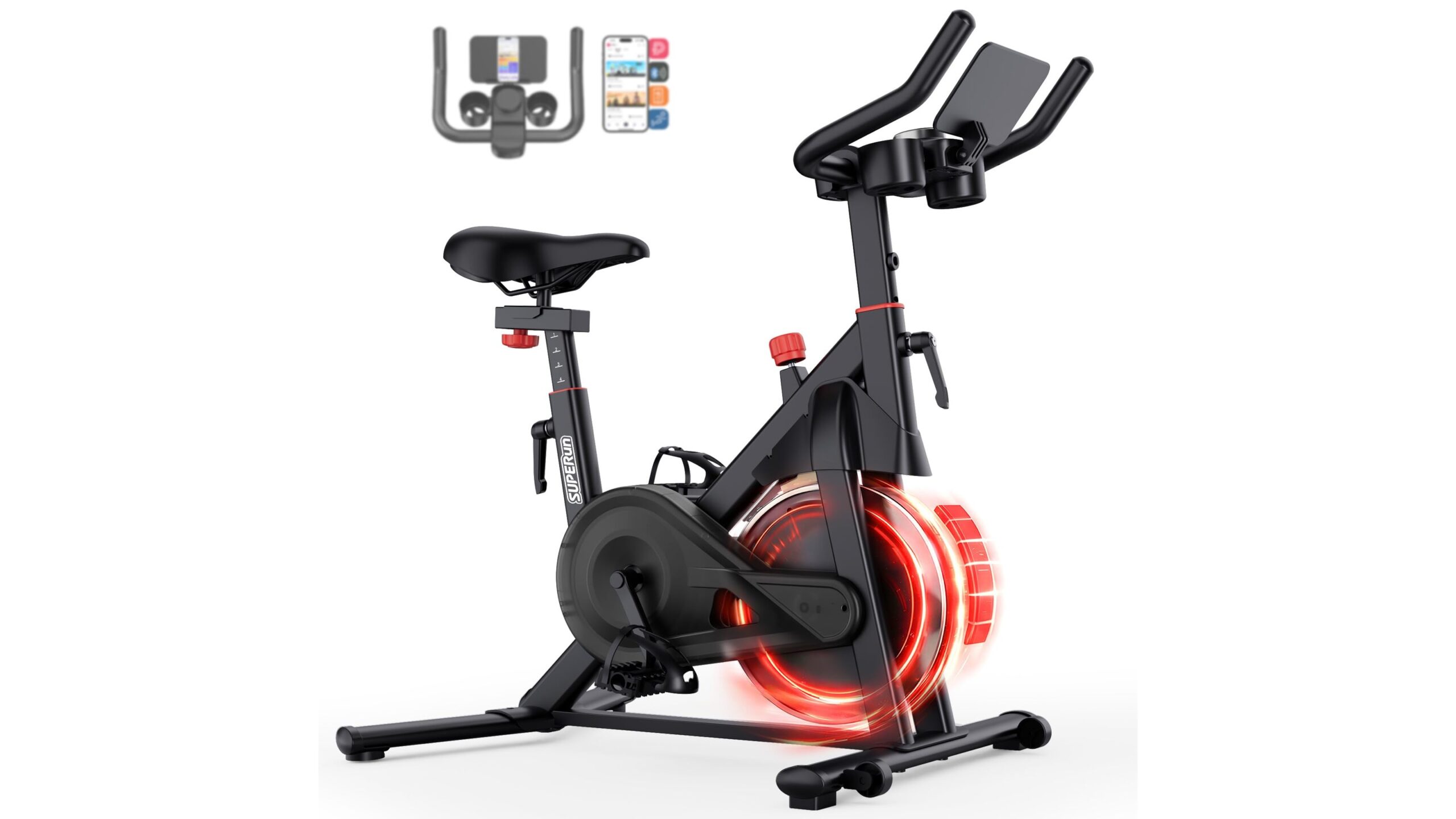
An upright example for home use is the JLL JF100 Upright Exercise Bike. An upright bike places you in a position similar to a regular road bike, with the torso leaning slightly forward over the handlebars. This encourages more muscle recruitment from the core and upper body and makes it easier to perform high‑intensity intervals. Uprights are usually more compact than recumbents, fitting into small corners or next to a desk, and many foldaway models can be stored in a wardrobe. However, the more aggressive posture can feel uncomfortable over time for people with sensitive backs or tight hips.
Back comfort, posture and joint stress
For pure back comfort, recumbent bikes generally win. The supported, semi‑reclined posture reduces spinal loading and discourages slouching, so long sessions feel easier. People with chronic lower‑back pain, sciatica or limited mobility often find recumbents far more tolerable. Upright bikes can still be comfortable if the saddle height and handlebar reach are correctly adjusted, but they place more demand on the lumbar and thoracic spine. On the other hand, athletes and cyclists may prefer this more “sport‑specific” posture to maintain cycling technique and strengthen postural muscles.
Calorie burn, performance and training goals
When resistance and cadence are matched, calorie burn on a recumbent vs an upright bike is broadly similar. The real difference comes from how hard you are willing and able to work. Upright bikes lend themselves better to HIIT, sprints and standing climbs, which can drive heart rate higher and burn more calories in less time. Recumbent bikes encourage steady‑state cardio workouts that are easier to sustain for longer durations, which is excellent for building aerobic base and consistency. If your main goal is joint‑friendly daily movement and weight management, a recumbent is often more sustainable. If you want time‑efficient, high‑intensity sessions and cycling‑specific fitness, an upright has the edge.
Space, noise and usability in a home gym
For small flats or multifunctional rooms, upright bikes are usually easier to accommodate thanks to their smaller footprint and lighter weight. They can often be tilted and rolled into a corner after use. Recumbent bikes are longer and heavier, so you must dedicate a fixed area of your home gym. Both formats are generally quiet when using magnetic resistance, making them suitable for early‑morning or late‑night workouts. Look for features such as adjustable seats, clear consoles and transport wheels in both categories to maximise usability at home.
Who should choose recumbent vs upright for home cardio?
Choose a recumbent bike if you prioritise back comfort, have mobility or balance issues, or simply prefer a more relaxed riding position for longer, low‑impact sessions. The Sportstech ES600 Recumbent Exercise Bike is a good fit for this profile. Opt for an upright bike like the JLL JF100 Upright Exercise Bike if your goals include higher‑intensity intervals, cycling‑specific training and saving space in a compact home gym. Ultimately, the best choice is the one you will use consistently while keeping your back, joints and schedule happy.
In summary, both recumbent and upright exercise bikes deliver effective home cardio, but they suit different bodies, goals and homes. Recumbents shine for comfort, back support and long, easy rides; uprights excel for intensity, performance and small spaces. Consider your back health, fitness targets and available room, then pick the style that makes it easiest to ride regularly—because consistency is the true key to results.