Living in an apartment or family home often means every decibel counts. Choosing between a quiet magnetic spin bike and a traditional friction resistance spin bike can make the difference between smooth 6 a.m. cardio and angry messages from neighbours. This guide breaks down noise, maintenance, resistance feel, price and suitability for shared spaces, so you can confidently pick the right home cardio ride.
Table of contents
Noise: the key factor for apartment riders
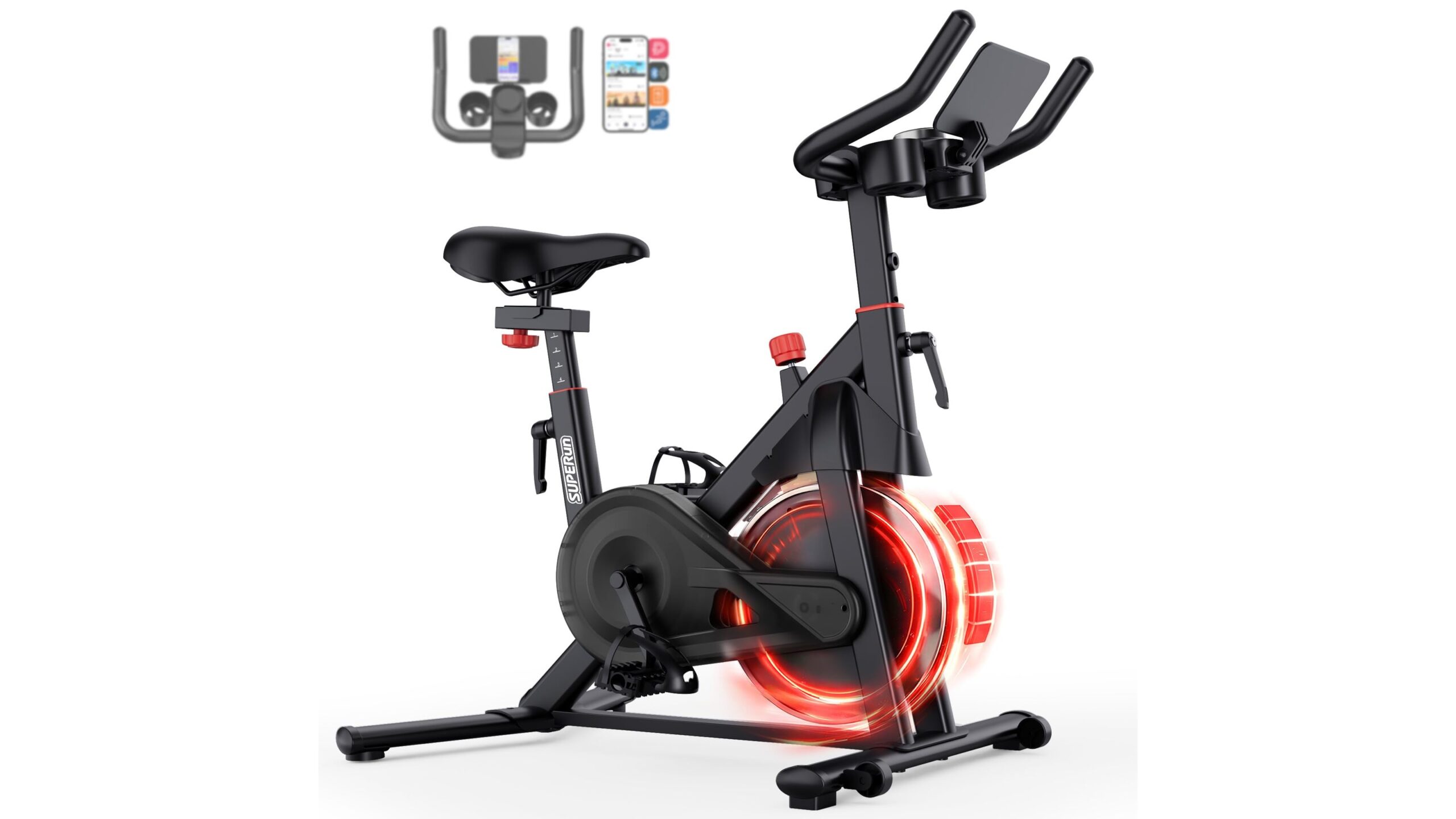
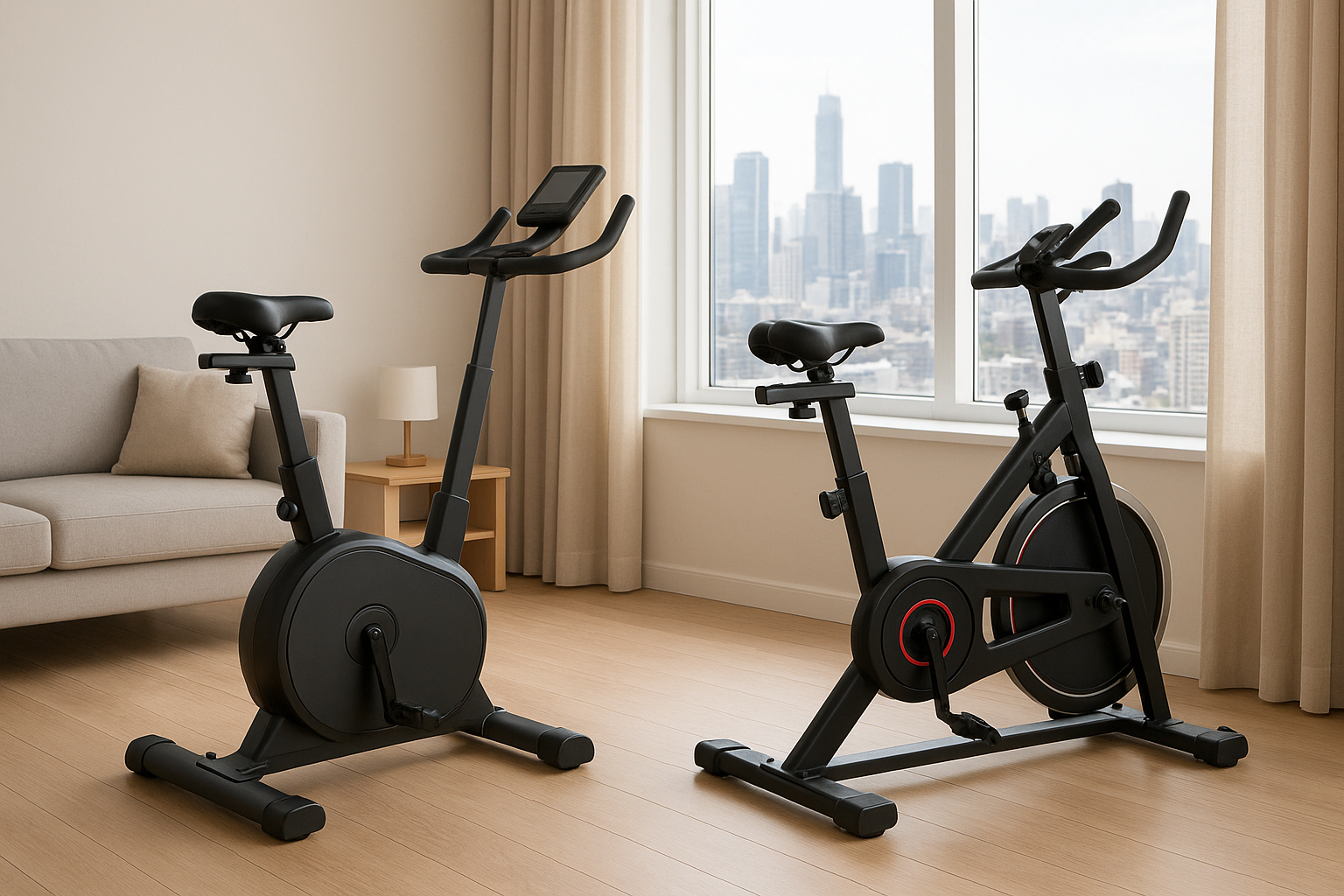
When you live in a flat with thin walls or kids sleeping in the next room, noise level becomes your top priority. Magnetic spin bikes use magnets positioned near the flywheel to create resistance without physical contact, so there is almost no friction and very little sound beyond the soft hum of the flywheel and your drivetrain. This makes them ideal for early‑morning or late‑night workouts in a shared building. Friction spin bikes, on the other hand, rely on felt or leather brake pads that press directly onto the flywheel. As those pads drag, they generate more sound as well as occasional squeaks, especially as they wear. If you need ultra‑quiet performance for a small apartment, magnetic resistance usually wins easily.
[Piol_placeholder type=”cta” id=”telegram”/]
Maintenance and durability over time
Beyond silence, maintenance is a big separator between magnetic and friction systems. Because magnets never touch the flywheel, there is minimal wear and tear, so magnetic bikes tend to be lower‑maintenance and more consistent over time. You don’t have pads to replace, and there is less risk of debris or sweat degrading moving parts. By contrast, friction resistance spin bikes rely on physical pads that gradually wear down. You’ll eventually need to replace them, re‑tune tension and sometimes address rubbing or uneven resistance. In a busy household where you want your bike to “just work” whenever you have 30 minutes free, magnetic resistance is often the more convenient, durable choice.
Resistance feel and training style
Some riders still prefer the road‑like feel of friction resistance. The direct contact with the flywheel can create a slightly grittier sensation that mimics climbing on an outdoor bike, with resistance increasing linearly as you turn the knob. This can be especially appealing if you enjoy heavy climbs and short, intense intervals. Magnetic spin bikes provide an ultra‑smooth and often more controlled resistance curve, which can feel more “polished” and predictable. Many models also offer precise resistance levels, making it simpler to follow structured training or app‑based classes. For high‑intensity interval training in a flat, magnetic systems are usually more practical, while purists who love a raw, outdoor‑style feel may lean toward friction.
Price, value and what you really pay for
Historically, friction spin bikes have been the budget‑friendly option. The braking system is simpler and cheaper to manufacture, which often means a lower upfront cost. However, that saving can be offset over time by the cost of replacement pads and the hassle of more frequent adjustments. Magnetic resistance bikes tend to sit at a higher price point because the technology and components are more advanced, but the long‑term value is strong: lower maintenance, quieter operation and often a more modern console or connectivity features. For an apartment gym where you plan to ride several times per week, paying a bit more for magnetic resistance can be a smart long‑term investment.
Which system suits apartments and family homes best?
For most people in shared apartments or family homes, a magnetic spin bike is the safer all‑round choice. Its near‑silent operation protects your relationships with neighbours and sleeping children, and its low‑maintenance design fits busy lifestyles. If you are extremely price‑sensitive, don’t train at odd hours and actually enjoy a slightly louder, rawer ride, a friction bike can still serve you well, especially in a better‑insulated home or a dedicated room. Think about when you ride, who shares your space and how much time you’re willing to spend maintaining your gear before deciding.
In summary, magnetic resistance spin bikes are generally best for apartments and noise‑sensitive households thanks to their quiet, low‑maintenance performance and smooth feel, while friction resistance bikes offer a cheaper entry point and a more classic ride feel at the expense of extra sound and upkeep. Evaluate your schedule, space, neighbours and training style, then choose the resistance system that lets you train consistently without disrupting the people around you.