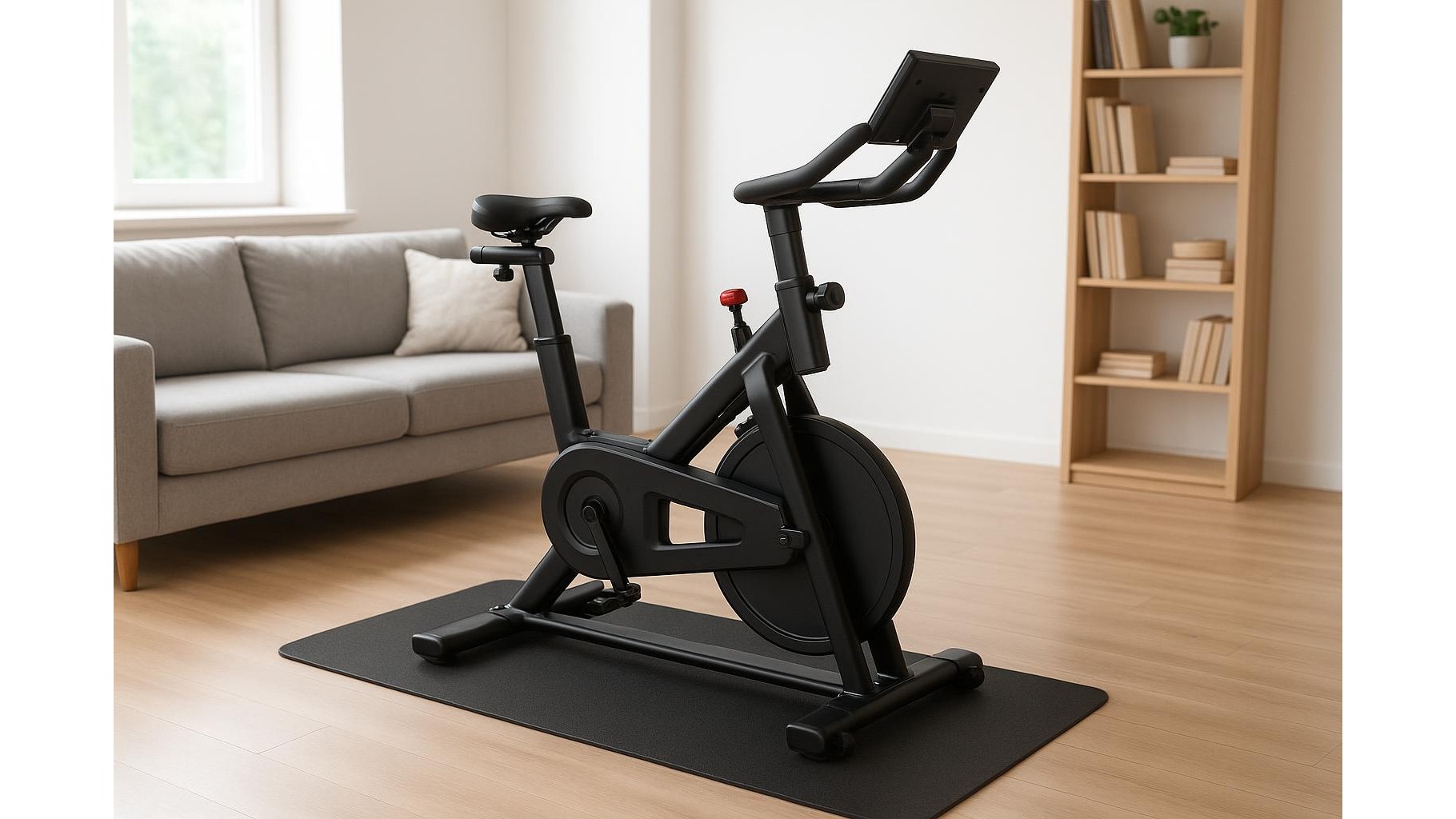
Living in a flat or shared house doesn’t mean giving up intense cardio. It just means you need a quiet compact spin bike that won’t rattle the neighbours’ ceiling or dominate the living room. Choosing the right model is less about flashy tech and more about smart details: belt drive vs chain, magnetic resistance, frame stability, and how easily it tucks away in a corner. This guide walks you through a practical checklist so you can ride hard at home without shaking the walls.
Why flywheel weight matters for smooth, quiet rides
The flywheel is the heavy disc at the front of a spin bike that stores momentum and keeps your pedal stroke fluid. For shared homes, you want a flywheel that’s heavy enough to feel smooth but not so heavy that moving the bike becomes a nightmare. As a rule of thumb, look for a flywheel in the 6–15 kg range on compact bikes. Lighter than that can feel choppy and may create more vibration at higher cadences; much heavier adds bulk and makes the bike harder to roll away. A well-designed compact flywheel combined with magnetic resistance will give you a quiet, road‑like feel without the noisy friction pads that can squeak and grind over time.
Belt drive vs chain: which is better for apartments?
The drive system is a critical factor in noise level. Traditional bikes use a chain drive, which delivers a familiar outdoor-bike feel but can click, rattle, and require regular lubrication. For apartments and shared houses, a belt drive is usually the better choice. A quality poly-v belt runs quietly, doesn’t need oil, and avoids the metal-on-metal chatter that can travel through walls and floors. Combined with magnetic resistance, a belt-driven spin bike is almost silent, so your housemates will hear more of your playlist than your pedals. When scanning product descriptions, explicitly look for terms like “belt drive”, “low-noise”, and “magnetic resistance” rather than generic “quiet” claims.
Adjustable geometry for shared users and comfort
In a shared home, your spin bike will likely have more than one user, so adjustability is key. Prioritise models with both vertical and horizontal saddle adjustment, as well as a height-adjustable handlebar, to accommodate different body sizes. This isn’t just about comfort; a misaligned position can increase joint strain and make you pedal unevenly, which can add vibration and noise. Check that adjustment posts lock firmly without wobble, and that the base has leveling feet so you can stabilise the bike on slightly uneven floors. A stable, well‑fitted bike reduces creaks and knocks, making your sessions quieter and more sustainable over the long term.
Compact footprint and smart storage for small spaces
In a flat or house-share, floor space is premium. Look for a compact spin bike with a small footprint that can park behind a sofa or in a bedroom corner. Key features include front transport wheels for easy rolling, a slim frame, and a base length that doesn’t block walkways. Some bikes are designed to tip and store against a wall when not in use, which can be ideal if you need to reclaim living space quickly. Consider the total weight of the bike: a heavier frame is often more stable and quiet, but it must still be manageable for you to move on your own. Check dimensions in the product description against your room and doorway sizes before you buy.
Noise-control extras: mats, floors, and realistic expectations
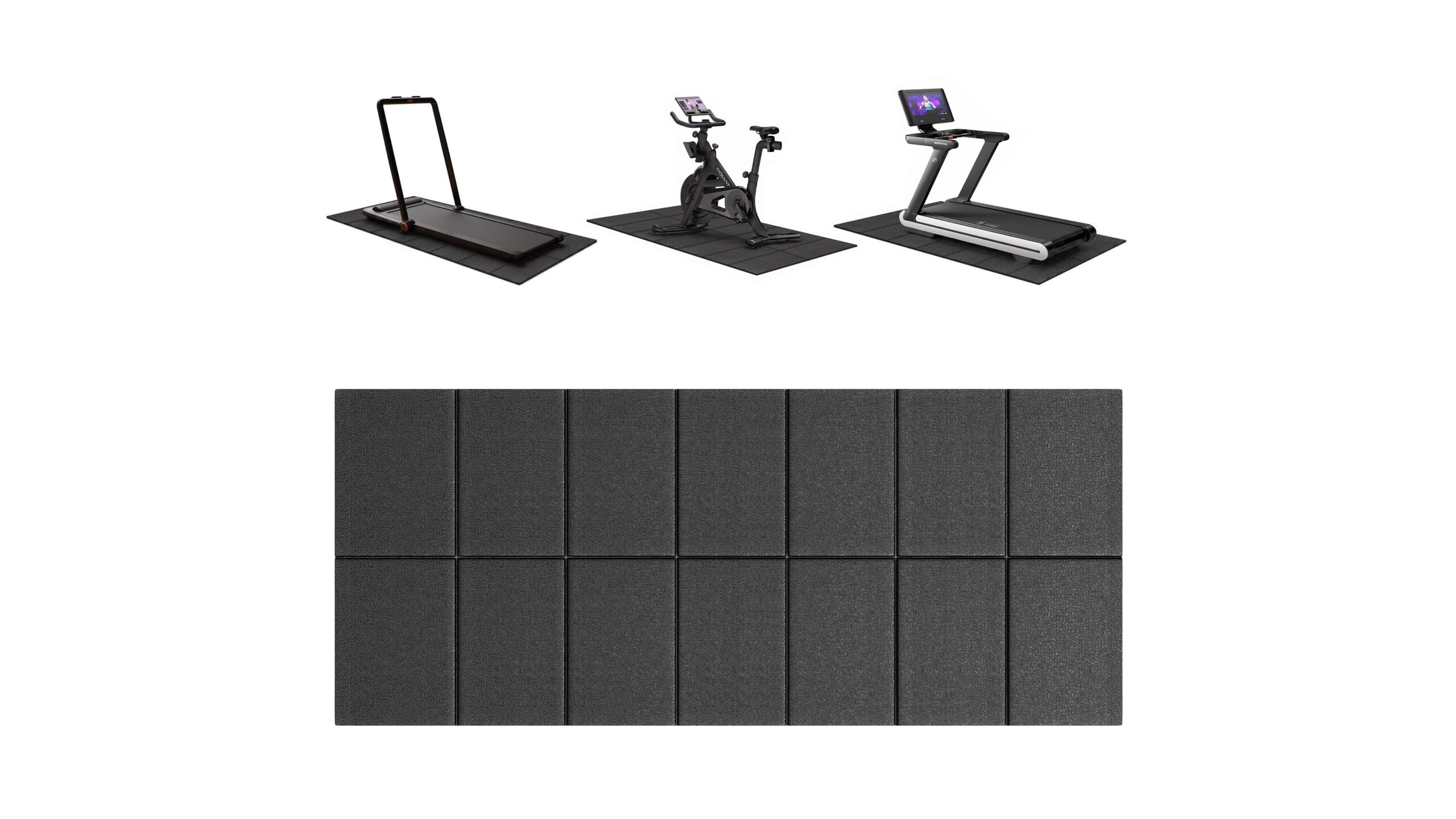
Even the best low-noise spin bike can transmit vibrations through thin floors. Plan to pair your bike with a thick equipment mat to dampen noise and protect your flooring. If you have downstairs neighbours, place the bike on an interior wall rather than directly over someone’s bedroom, and avoid riding at maximum intensity late at night or early morning. Listen for creaks or rattles: often they can be fixed with a quick bolt check or a dab of grease on contact points. Finally, remember that “silent” is marketing shorthand; the realistic goal is a very quiet, low-vibration setup that keeps both your fitness routine and your housemates happy.
Choosing a quiet compact spin bike for a shared home is all about matching your space and lifestyle to the right specs. Focus on a smooth belt drive, magnetic resistance, sensible flywheel weight, robust adjustability, and a footprint that fits your room. Add a good floor mat and some basic setup care, and you’ll have a near‑silent training partner that lets you push your limits without shaking the walls or the relationships in your building.