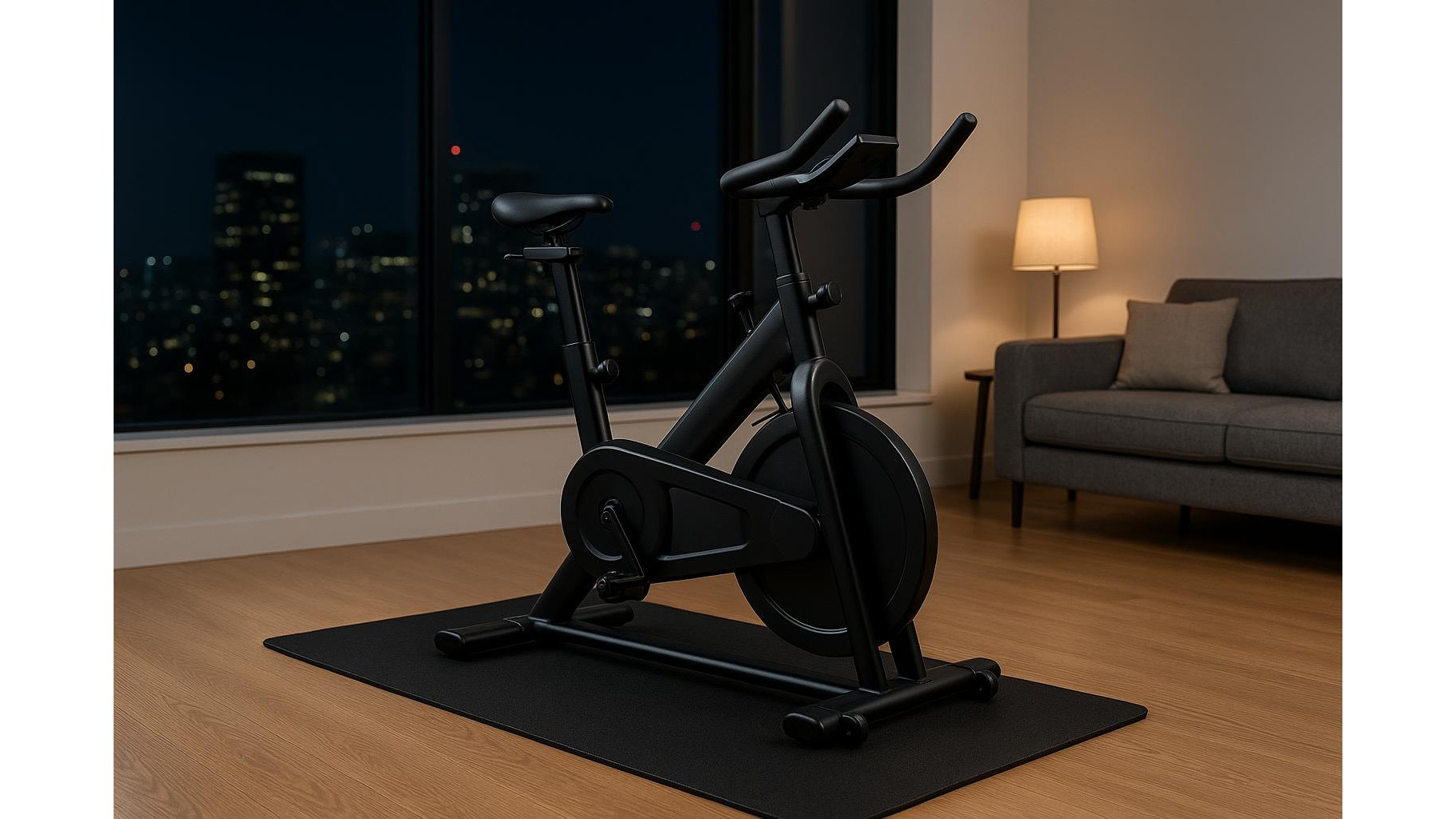
Living in an upstairs flat does not mean giving up intense cardio. It does mean choosing a quiet spin bike that will not shake the ceiling below at 11 p.m. The real secret is not just picking any indoor cycle, but understanding how belt‑drive systems, magnetic resistance, flywheel design, frame stiffness and floor protection work together to keep vibration and noise under control during late‑night rides.
Table of contents
Why belt‑drive spin bikes are best for apartments
The first decision for an upstairs apartment is the drive system. A belt‑drive spin bike uses a reinforced rubber or poly‑V belt instead of a chain to connect the pedals to the flywheel. Compared with chain drive, belts run far quieter, need almost no lubrication and create fewer vibration spikes that can pass into the floor. Belts also deliver a smoother feel when you accelerate or stand out of the saddle, which is ideal when you want to train hard without clattering noises. When comparing models, look for wording like “belt drive”, “poly‑V belt” or “maintenance‑free belt” in the spec sheet, and avoid bikes described as having a traditional chain, which tend to click and rattle more over time.
Magnetic resistance and flywheel weight for low noise
Resistance type makes an enormous difference to sound levels. Magnetic resistance uses magnets that move closer or further from the flywheel, so there is no physical contact and almost no noise apart from the whirr of the wheel. In contrast, friction pads press directly on the flywheel and can squeak as they wear. For late‑night sessions, choose a bike with a clearly stated magnetic resistance system and a broad resistance range. Flywheel weight also matters: a heavier flywheel (typically 13–18 kg on compact home models) spins more smoothly and produces less choppy vibration. However, extremely heavy commercial flywheels can transmit more mass into the floor when you sprint, so for apartments a well‑balanced mid‑weight flywheel is usually the best compromise between smoothness and structural impact.
Frame design, stability and vibration control
A stiff frame that does not flex excessively is essential for minimising both noise and vibration transfer downstairs. Look for bikes with a steel frame, a solid central spine and wide front and rear stabilisers. Adjustable levelling feet at each corner help you eliminate rocking on slightly uneven floors, which is a common cause of thudding noises during standing climbs. A higher max user weight rating typically indicates a stronger structure that will feel more planted when you ride out of the saddle. Compact dimensions can also help in flats, keeping the bike’s centre of gravity tight and stable so it does not sway side to side. Even details like welded joints, integrated handlebar posts and minimal plastic covers reduce the chances of rattles developing over time.
Floor protection and noise‑reduction accessories
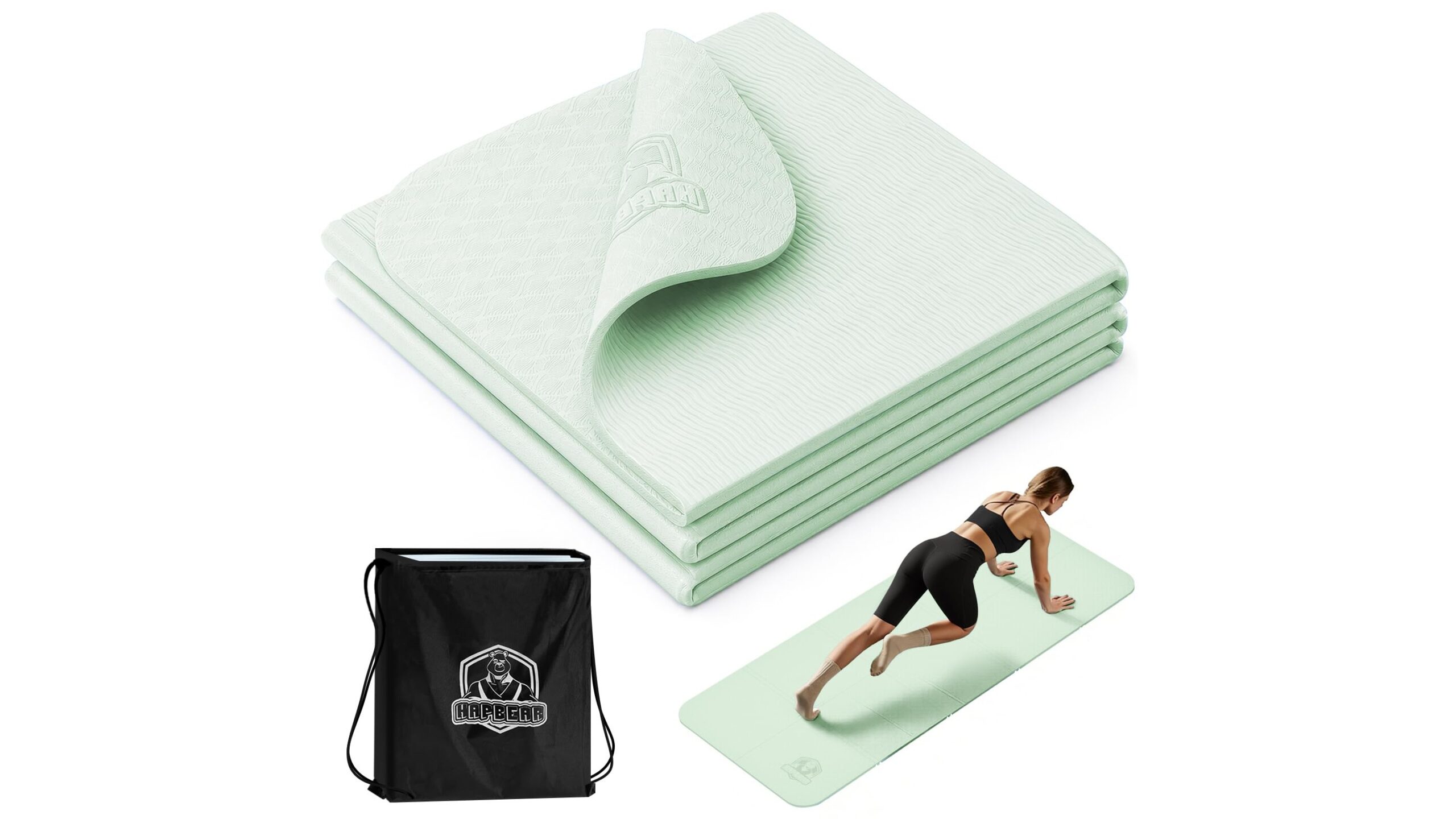
Even the quietest spin bike needs proper floor protection in an upstairs apartment. A thick exercise mat under the bike absorbs both sound and vibration before they reach the floor structure. High‑density rubber or EVA mats work best; thin yoga mats compress too easily. If you have hard floors, consider adding a layer of acoustic underlay or puzzle‑style rubber tiles beneath the main mat to increase damping. Soft, grippy surfaces also help keep the bike from creeping during intense intervals, which prevents the scraping noises that can travel through joists. Simple extras like silicone pedal straps and secure bottle cages can remove small rattles, while keeping the bike well‑maintained and all bolts tightened ensures it stays as quiet on month twelve as it was on day one.
Setup tips and riding habits for late‑night cardio
Quiet equipment is only half of the equation; how you set up and use your spin bike matters just as much. Position the bike away from shared walls, ideally over a supporting wall rather than a light partition, and perpendicular rather than parallel to floor joists if possible. Ride with a smooth pedal stroke instead of stamping on the pedals, and avoid repeatedly dropping hard into the saddle, which can cause dull thuds. Use headphones instead of external speakers to keep your training audio neighbour‑friendly. Plan your hardest sprints earlier in the evening and keep late‑night rides more steady‑state if your building has particularly thin floors. With a belt‑drive, magnetic‑resistance bike correctly installed on a quality mat, most of the residual noise will be air movement and your own breathing—far less intrusive than a treadmill or rower in the same space.
For upstairs apartment dwellers, the right quiet belt‑drive spin bike can deliver serious late‑night cardio without disturbing anyone below. By focusing on a belt drive, magnetic resistance, a stable steel frame, smart floor protection and considerate setup, you build a neighbour‑friendly training space that feels as smooth as a studio class but sounds barely louder than a fan. Choose carefully, install it thoughtfully and you can enjoy year‑round home cycling freedom, even in a compact flat.