Setting up a home gym often starts with a big question: should you buy one premium cardio machine or invest in two budget options? With limited space, a finite budget and possibly a family sharing the same room, choosing wisely matters more than chasing the flashiest gear. In this article, you’ll find a practical way to weigh cost, durability, versatility and user needs so you can invest in the right cardio setup for your goals.
Clarify your cardio goals and training style
Before comparing price tags, get clear on what you really want from your cardio training. Are you focused on fat loss, endurance, HIIT or staying active while working from home? A single high-end machine like a premium treadmill or rower often shines when you follow one main training style and want top performance, smooth resistance and accurate metrics. If, instead, you enjoy switching between steady-state cardio and lighter sessions, two simpler machines (for example an entry-level exercise bike plus a compact elliptical) can provide variety without overloading your budget. Match your purchase to the workouts you can realistically maintain three to five times a week, not to a fantasy routine.
Space, noise and family needs in a shared home
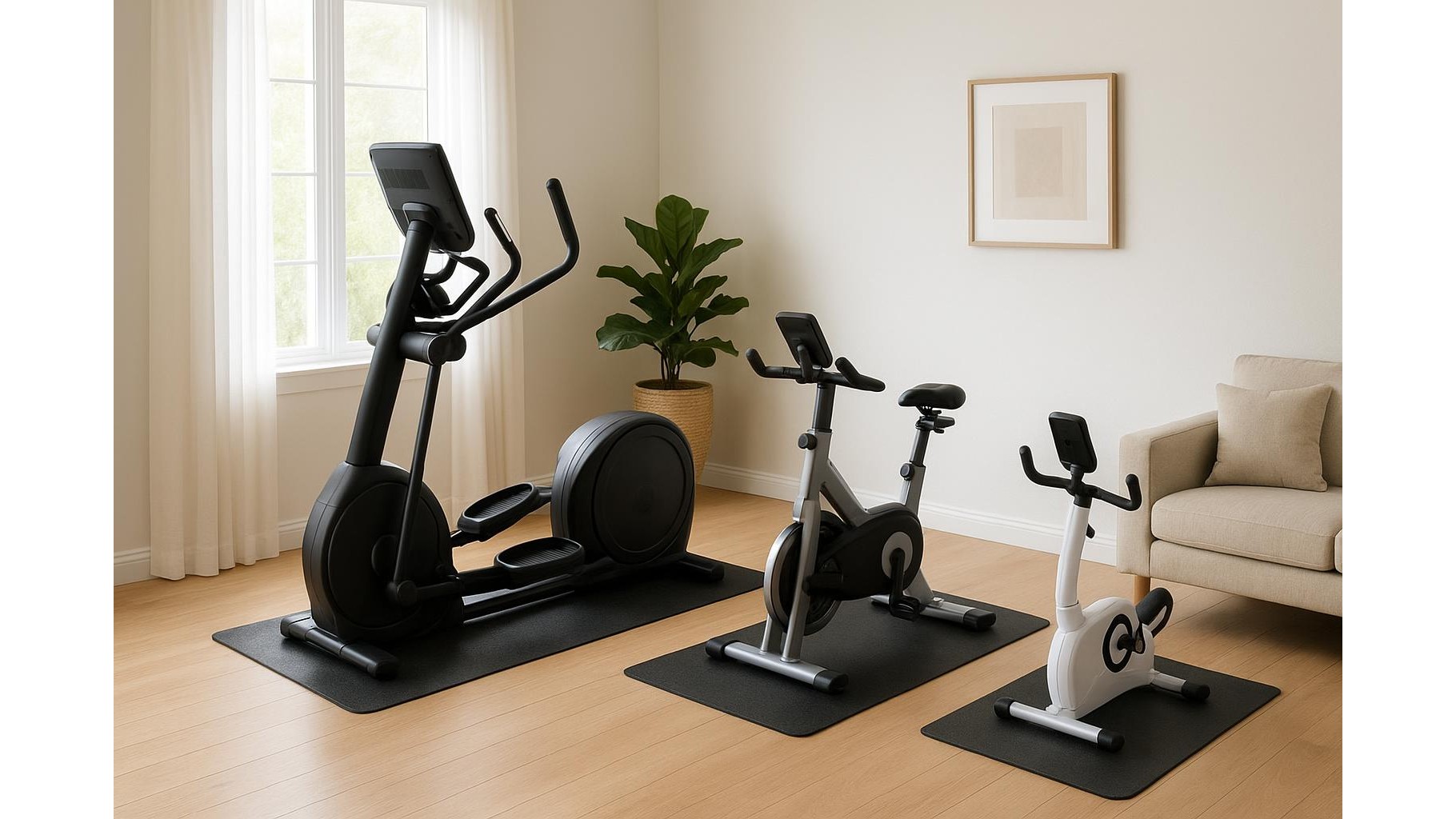
Space and household dynamics are often more limiting than budget. A heavy, premium treadmill or large rowing machine may dominate a small room and create noise and vibration issues, especially in flats. Two budget-friendly devices can sometimes be folded or rolled away, making them easier to share in a multi-purpose living area. Also consider who will use them: if your partner prefers low-impact cycling while you like rowing, two lower-cost machines may keep both of you active. On the other hand, families who train at different times might benefit from one robust, quiet machine that is comfortable and safe for all users, with adjustable settings and a higher maximum user weight.
Durability, warranty and the real cost over time
A key advantage of a premium cardio machine is durability. Higher-quality components, better belts, bearings and frames usually mean smoother motion and fewer breakdowns. That matters if you plan to log many hours of cardio each week. Two inexpensive devices might look like a bargain but can wear out faster, especially under heavy use, effectively doubling your long-term cost as you repair or replace them. Always check warranty terms, available spare parts and user reviews about reliability. If dozens of owners report squeaks, wobbles and electronics failing within a year, paying more up front for a better-built machine could be a smarter, calmer choice.
Versatility, motivation and training experience
Another way to decide is to think about versatility and how each option will keep you motivated. A single high-end machine often includes advanced features such as programmable workouts, smooth variable resistance, performance tracking and sometimes integration with training apps. This can turn your sessions into structured, progressive workouts that directly support goals like running a 10K or improving rowing splits. Two budget machines typically offer simpler consoles and fewer metrics but more diversity in movement patterns, which can reduce boredom and joint overuse. If you struggle with consistency, variety may matter more than technology. If you are goal-driven and love data, investing in one serious machine that feels great to use might be the key to staying consistent.
Budgeting, upgrade paths and buying strategy
Your budget should be seen across a two- to five-year window, not just as a single purchase. If funds are tight now but you know you’ll upgrade later, buying one solid mid-range machine and leaving room for a second device in the future can be wise. Alternatively, you might choose two modest machines to test which style of cardio you truly enjoy before committing to a flagship model. Remember to include extras in your calculation: floor mats, potential delivery costs and any app subscriptions. An honest look at your finances and how often you realistically train will prevent both overbuying and underinvesting in your home gym.
Ultimately, choosing between one premium cardio machine and two budget options comes down to aligning your purchase with space, family needs and training style. If you prioritise durability, performance and a rich training experience, a single high-quality device is often the better long-term investment. If variety, flexibility and sharing the home gym with others matter more, two simpler machines can deliver excellent value. Take the time to assess your goals, measure your space and think about how you’ll actually train—then invest with confidence in a setup that supports consistent, enjoyable cardio at home.