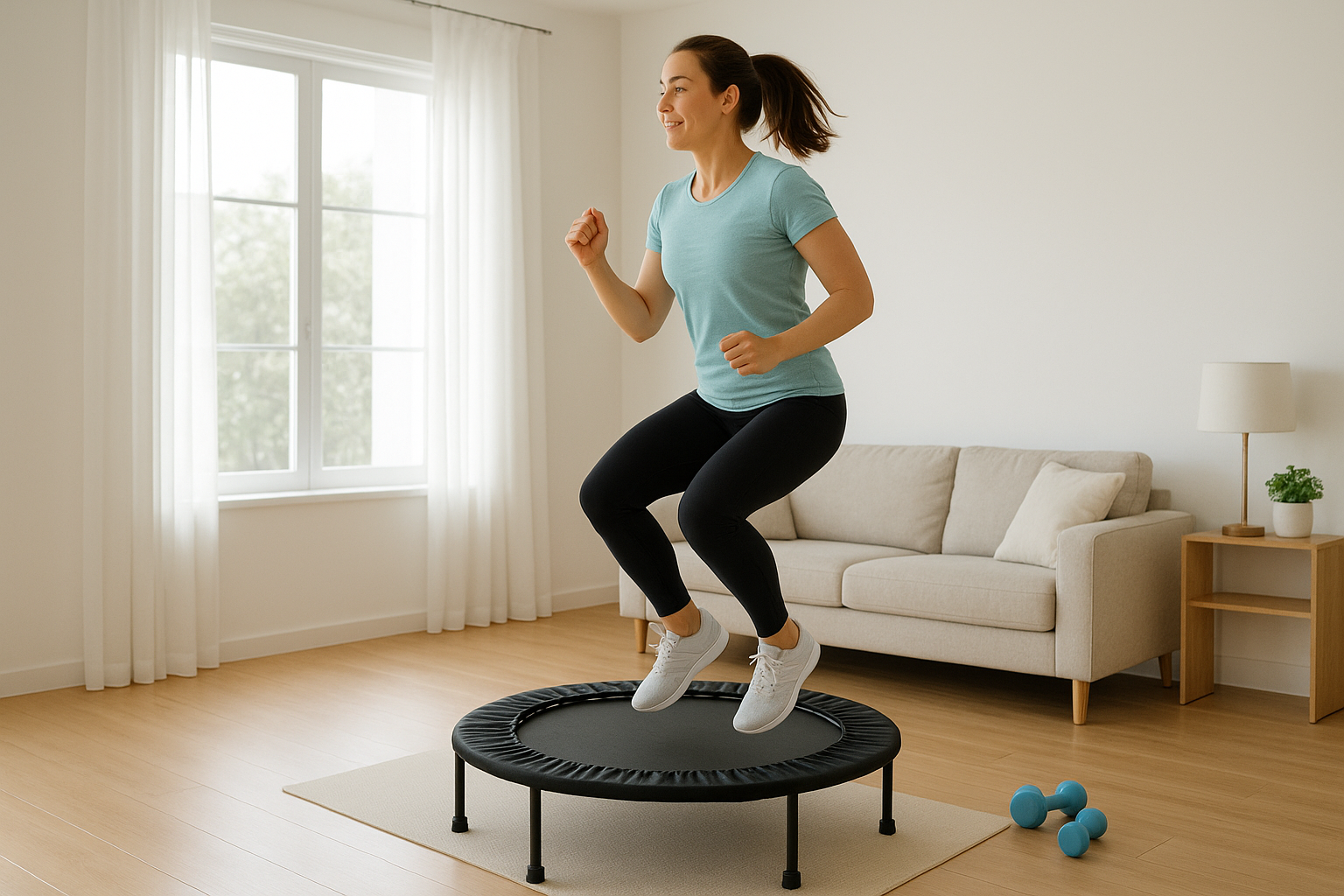
Mini trampoline cardio, also known as rebounding, is one of the most effective ways to get a low-impact, joint‑friendly workout in a small home space. Using a rebounder at home can boost your heart rate, improve balance and coordination, and add a surprising amount of fun to your fitness routine. Whether you live in a small flat or are building a compact home gym, a mini trampoline offers a quiet, space‑saving solution for cardio workouts that feel more like play than exercise.
Table of contents
What is mini trampoline cardio and who is it for?
Mini trampoline cardio involves performing simple aerobic moves on a compact fitness rebounder instead of on the floor. Because the mat absorbs much of the impact, it is ideal for people who want to protect their knees, hips, and back while still getting their heart rate up. Rebounding can work for beginners, older adults, and experienced exercisers looking for a cross‑training option. Short sessions of 10–20 minutes fit easily into a busy day and can be done in a small living room, bedroom, or dedicated home gym corner.
Main benefits of using a rebounder at home
Regular rebounder workouts offer several science‑backed benefits. The gentle bounce helps improve cardiovascular fitness while placing less stress on your joints than running or high‑impact aerobics. The unstable surface challenges your core stability and balance, engaging deep muscles around the spine and hips. Many people also find that rebounding improves coordination and posture because you must control each landing. In addition, the rhythmic bouncing can support lymphatic circulation, helping your body flush fluid and reduce that heavy, sluggish feeling after long periods of sitting. Mentally, the playful nature of bouncing can reduce stress and make cardio feel more enjoyable and sustainable.
Safety tips and setup in small spaces
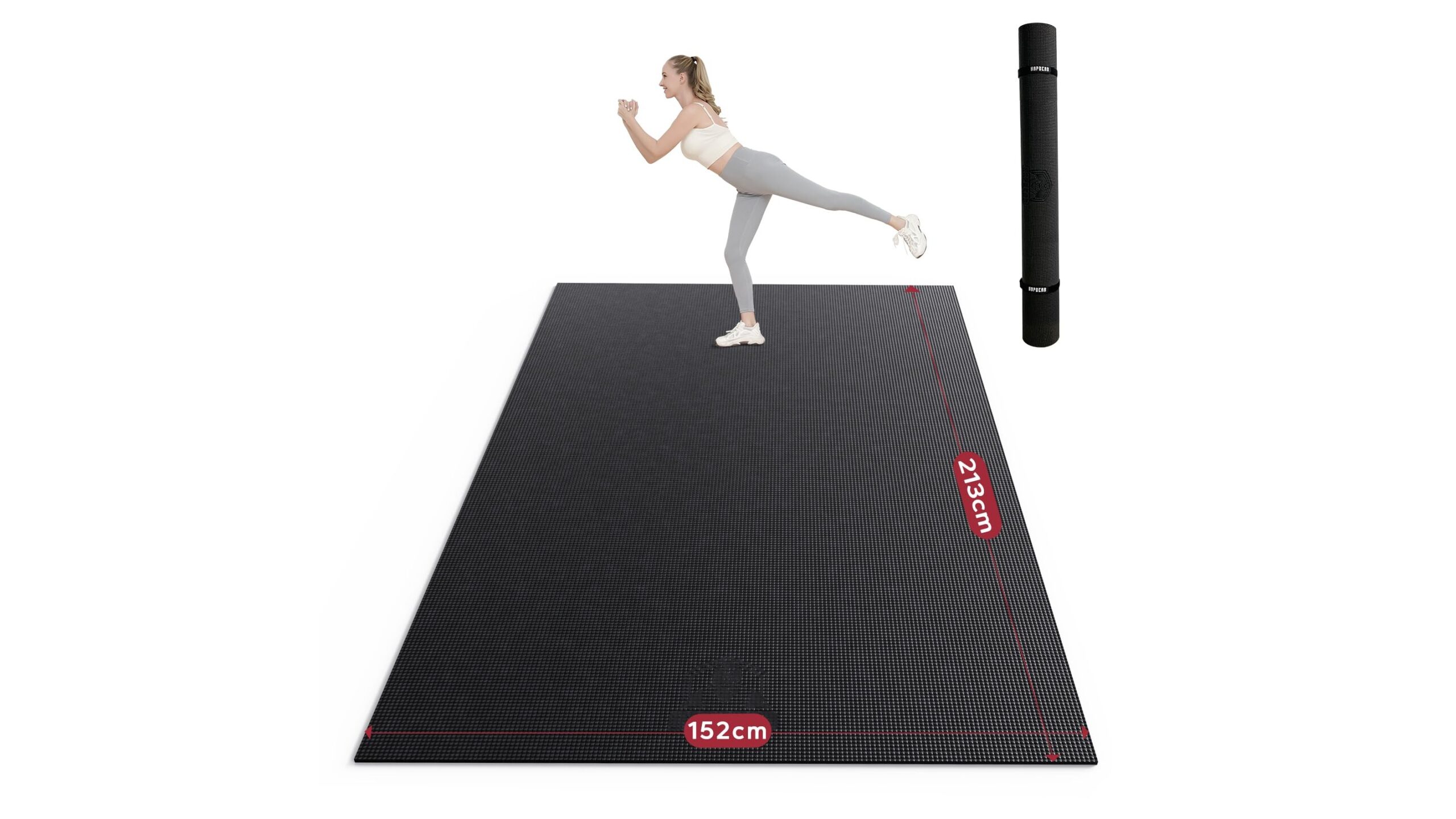
To enjoy mini trampoline cardio safely at home, start by choosing a clear space with enough headroom so you can bounce without hitting the ceiling or light fixtures. Place your rebounder on a flat, non‑slip surface; if you have hard floors, consider using a mat underneath to protect both the floor and the trampoline’s feet, and to reduce noise for neighbours. Always step onto the centre of the mat and hold a stable point (such as a wall or sturdy chair) when you are new. Begin with a gentle bounce where your feet stay in light contact with the mat rather than trying to jump high. Wear supportive trainers with good grip, and avoid using a rebounder if you have uncontrolled balance issues or recent joint injuries without first consulting a health professional.
Beginner mini trampoline cardio routine
A simple beginner rebounder workout can be done in about 15 minutes and adapted to most fitness levels. Start with 2 minutes of basic health bounce: stand tall, engage your core, and perform a soft bounce while keeping your feet close to the mat. Follow with 2 minutes of marching on the spot, gently lifting your knees. Then try 1 minute of side‑to‑side steps, followed by 1 minute of heel digs (alternating heels forward onto the mat). Rest for 30–60 seconds, then repeat the sequence once or twice more. Finish with 2 minutes of slow bouncing and upper‑body stretches while standing on the rebounder. Focus on smooth breathing and controlled movement rather than speed. Over time you can add intervals of faster bouncing, light jogs, or simple arm movements to increase intensity while staying low‑impact.
How to progress your home rebounder workouts
As you get comfortable with mini trampoline cardio, you can progress in several ways without sacrificing joint comfort. Increase your total time to 20–30 minutes by adding more intervals of basic bounce, jogging, or side steps. You can also introduce light hand weights for upper‑body involvement, or add moves like jumping jacks and scissors at a moderate height. To further challenge your balance, try single‑leg bounces and gentle twists, always keeping your core braced and your gaze forward. Another option is to combine your rebounder session with bodyweight exercises off the trampoline, such as squats, push‑ups, and planks, creating a compact full‑body home workout without needing large machines.
Choosing the right rebounder for your home gym
When selecting a mini trampoline for home, look for a sturdy frame, non‑slip feet, and a weight rating that fits your needs. Many people prefer bungee‑cord rebounders for a quieter and softer bounce, which is especially useful in flats where you want to reduce noise for neighbours. Spring‑based models can offer a firmer feel and are often more budget‑friendly. If you are new to rebounding or worry about stability, consider a rebounder with a removable support bar so you can hold on while you build confidence. Foldable designs are helpful if you have a very small space and need to store your trampoline under a bed or behind a sofa between workouts. Whatever model you choose, prioritise build quality and safety features over flashy extras to ensure long‑term, reliable use in your home gym.
In summary, mini trampoline cardio offers a fun, space‑efficient way to improve your fitness with low‑impact movement that is kind to your joints. With a good‑quality rebounder, a safe setup, and simple beginner routines, you can turn even a small room into an effective cardio zone. By starting gently, listening to your body, and gradually progressing your sessions, rebounding can become a sustainable and enjoyable part of your home workout routine, helping you build endurance, balance, and strength without leaving the house.