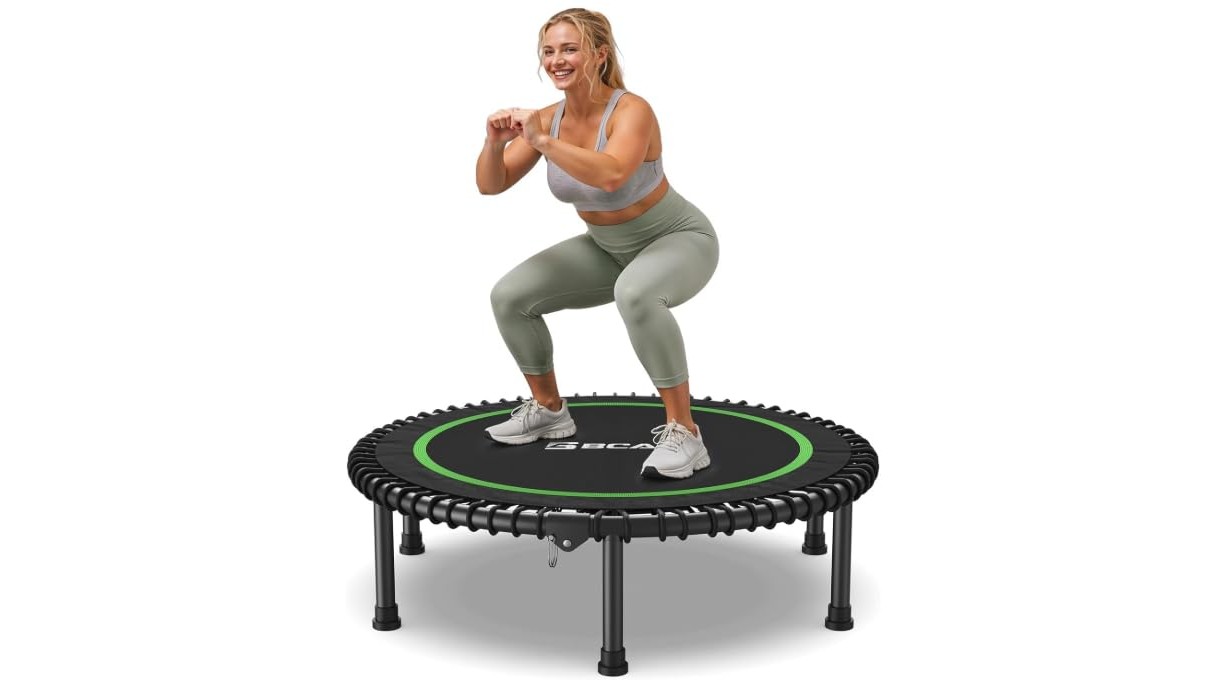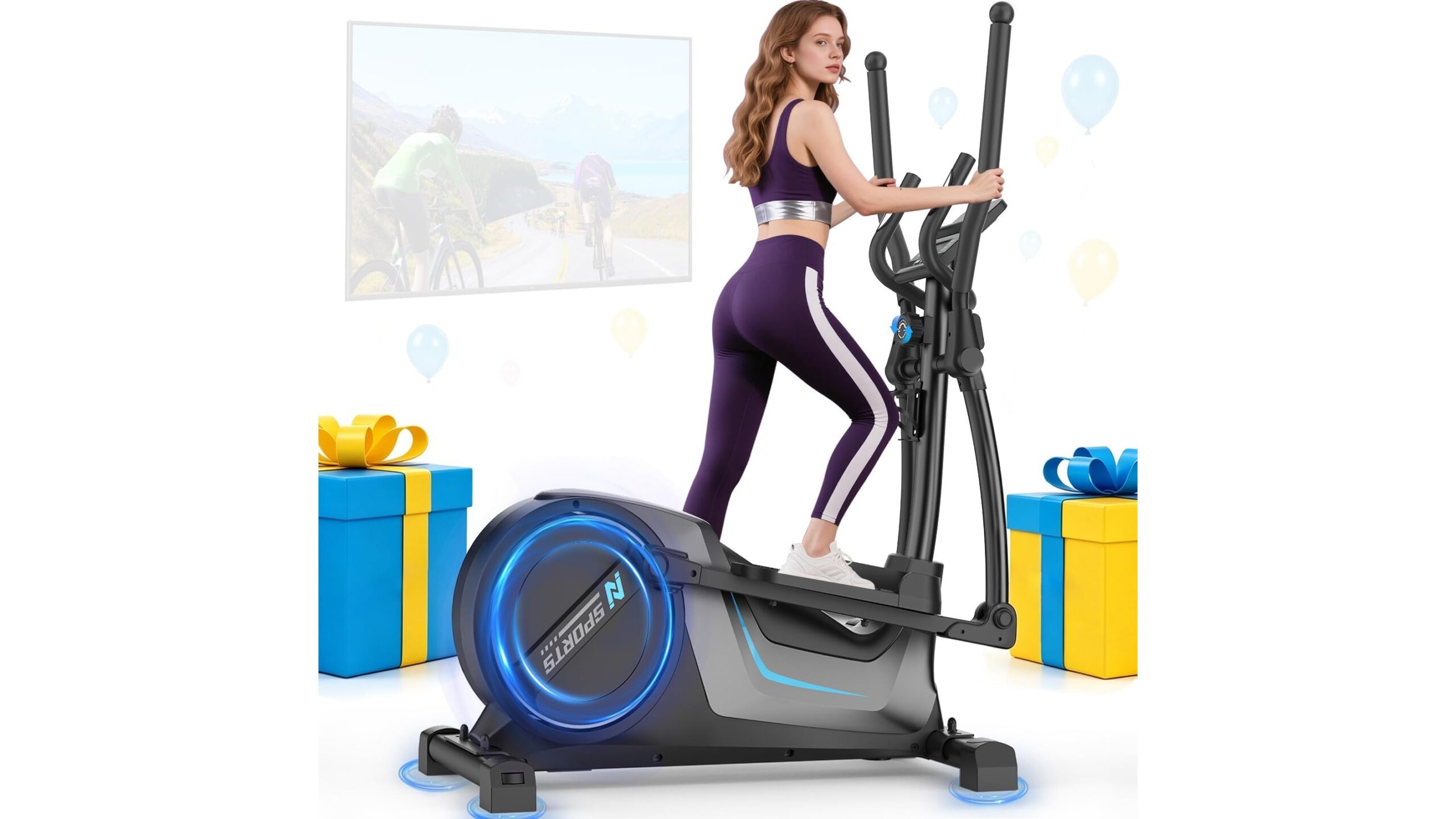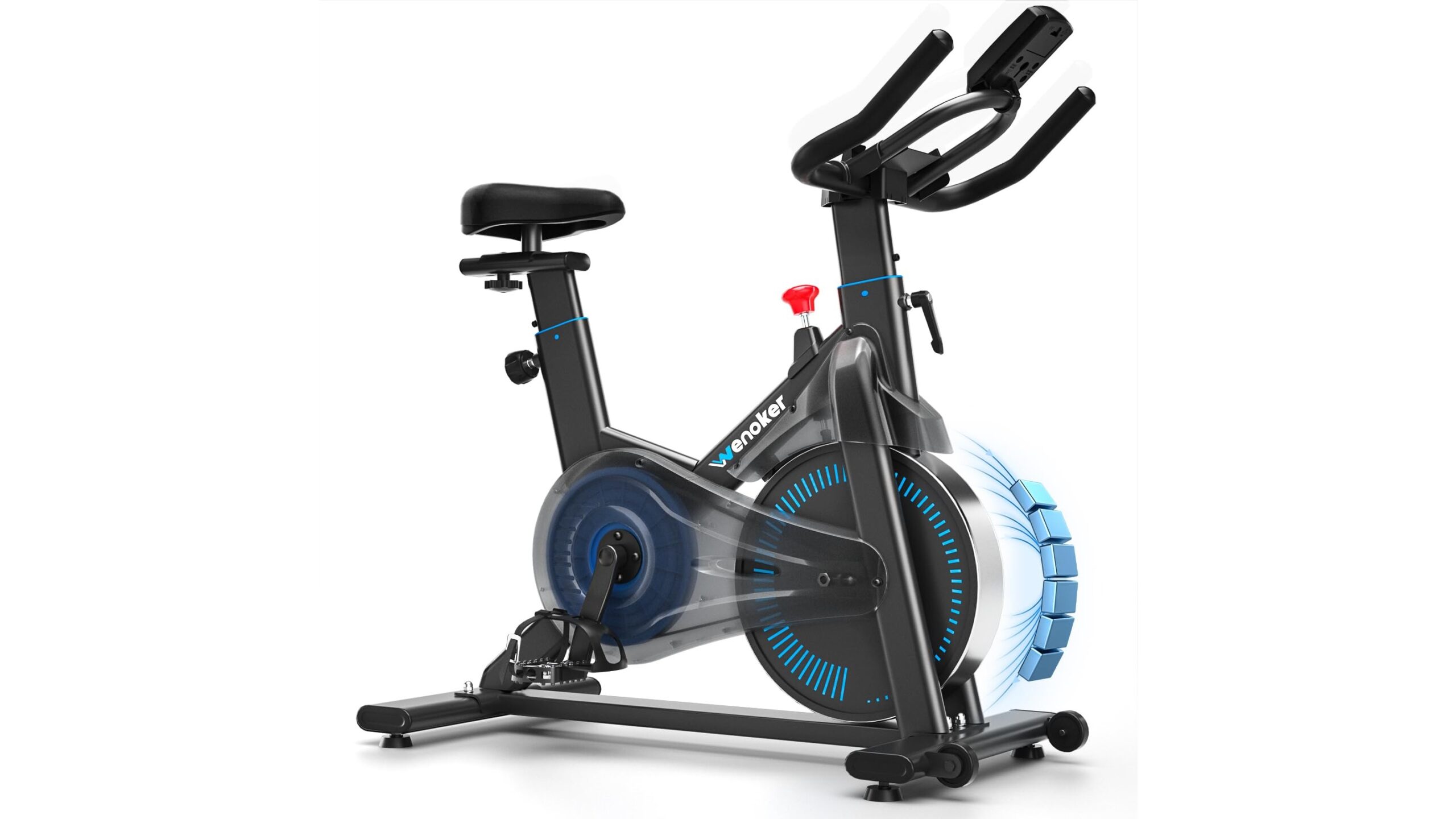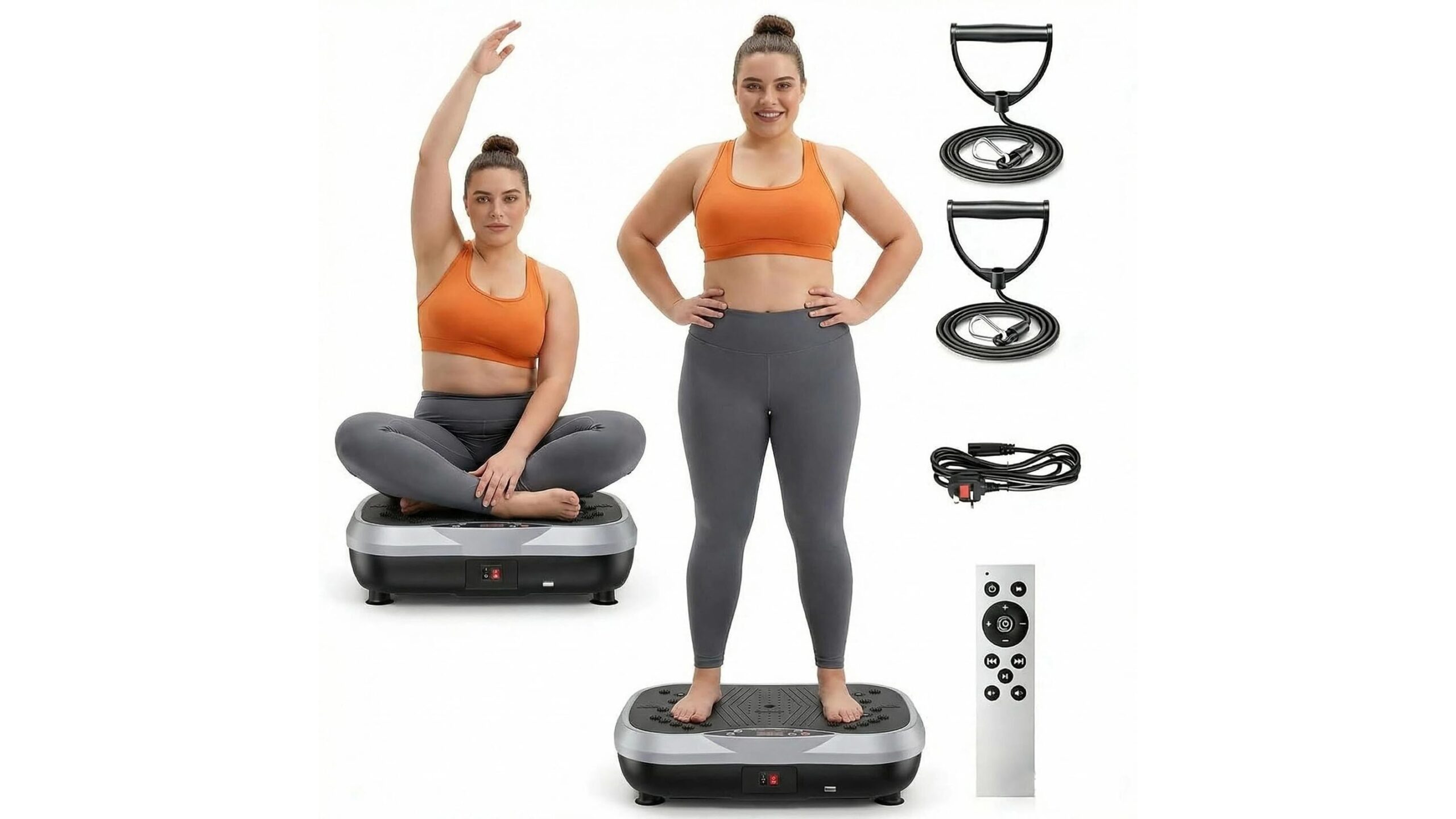
When you only have a tiny corner for your home gym, choosing the right low-impact cardio machine really matters. Two of the most space-saving options are the classic mini stepper and the newer compact lateral trainer. Both promise joint‑friendly movement and a decent calorie burn, but they feel very different in use and don’t suit the same bodies or goals. Here’s how they compare on impact, muscles, noise, and practicality in a small flat.
How mini steppers and lateral trainers actually move
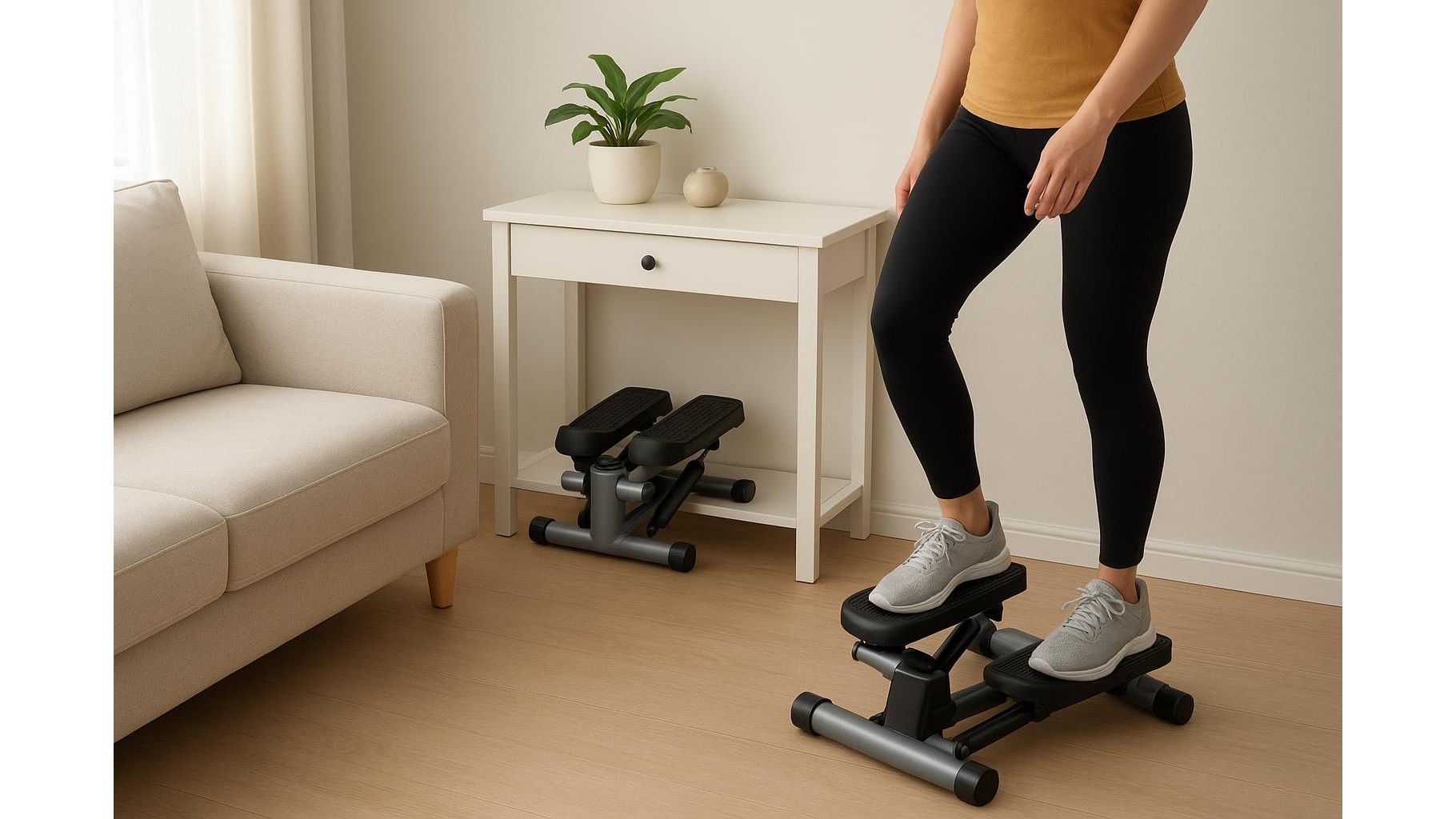
A traditional mini stepper uses a simple up‑and‑down stepping motion that mimics climbing stairs. Many models add basic resistance via hydraulic pistons and sometimes include resistance bands for the upper body. In contrast, a compact lateral trainer shifts your feet in a side‑to‑side or slightly diagonal pattern designed to activate the hips and glutes more intensely while keeping your feet planted on the pedals. The movement is more like a low‑profile elliptical than a stair climber, which some users find more natural and smoother on the knees. If you’re used to walking stairs or climbing, a mini stepper will feel familiar; if you prefer gliding rather than stepping, a lateral trainer will seem more intuitive.
Joint impact and comfort for sensitive knees and hips
Both categories are marketed as low-impact cardio, but they don’t feel identical on the joints. Mini steppers involve repeated partial knee flexion and extension, which can stress the knees if the resistance is set too high or your technique collapses (heels lifting, knees caving inward). The upside is that you can keep steps very short and slow for a controlled, gentle workout. Compact lateral trainers generally keep the knees in a more fixed, gliding trajectory with no impact at heel strike because your feet never leave the pedals. This can feel kinder for people with knee pain or those recovering from high‑impact sports, while the lateral shift challenges hip stabilisers. If you have sensitive knees but reasonably strong hips, the lateral trainer usually wins on comfort.
Calorie burn, muscle focus and training effect
On paper, both machines can deliver similar calorie burn in a 20–30 minute session, depending on your weight and intensity. Mini steppers place a big emphasis on the calves and quadriceps, with some contribution from the glutes, especially if you keep your heels down and hinge slightly forward. They can be surprisingly tough for short intervals. Compact lateral trainers shift the focus toward the glutes, outer thighs and hip stabilisers, often feeling more like targeted lower‑body sculpting than pure cardio. Because your feet remain planted, it’s easier to maintain moderate intensity for longer sessions, which may suit beginners or those prioritising endurance and joint‑friendly fat loss over maximal burn per minute.
Space, portability and noise in a small home corner
For tight spaces, both are clear winners over treadmills or full‑size ellipticals. A basic mini stepper is typically very compact and light enough to carry with one hand, so it can slide under a bed or into a wardrobe after use. Many lateral trainers are slightly bulkier due to the wider pedal track but still footprint‑friendly and low‑profile enough to live beside a sofa or desk. Noise levels are similar: both rely on mechanical resistance that can produce a soft swooshing or hydraulic sound rather than loud motor noise. Well‑maintained units stay quiet enough for flats and late‑night sessions, though cheaper steppers can squeak over time. If absolute minimal footprint and easy storage are your top priorities, the mini stepper has a small edge; if you can spare a little extra width, the lateral trainer offers more varied movement.
Which body types and goals each machine suits best
Choosing between a mini stepper and a compact lateral trainer comes down to your joints, current fitness and aesthetic goals. Taller or heavier users often feel more stable on lateral trainers because the stance is wider and the motion smoother, especially for longer sessions. Those with history of knee issues or who dislike repetitive stair‑climbing typically prefer the gliding feel of lateral training. Mini steppers can be ideal for shorter users, people focused on strengthening calves and quads, or anyone wanting a tough, interval‑style workout that fits literally anywhere. If you’re new to exercise or returning after a break, the lateral trainer’s continuous, less choppy motion may be easier to stick with. Power walkers and stair lovers will likely feel at home on a mini stepper from day one.
In summary, both mini steppers and compact lateral trainers deliver effective low-impact home cardio in a very small space. Mini steppers are ultra‑compact, intense and stair‑like, great for quick calorie‑burning intervals and lower‑body strength in micro apartments. Compact lateral trainers trade a little extra footprint for smoother motion, more glute and hip activation and often better comfort for sensitive knees. Consider your joint history, how long you want to train per session and where the machine will live; match these to the movement pattern you actually enjoy. The best choice is the one that feels good on your body and fits seamlessly into that spare corner you’ll turn into your new home cardio zone.