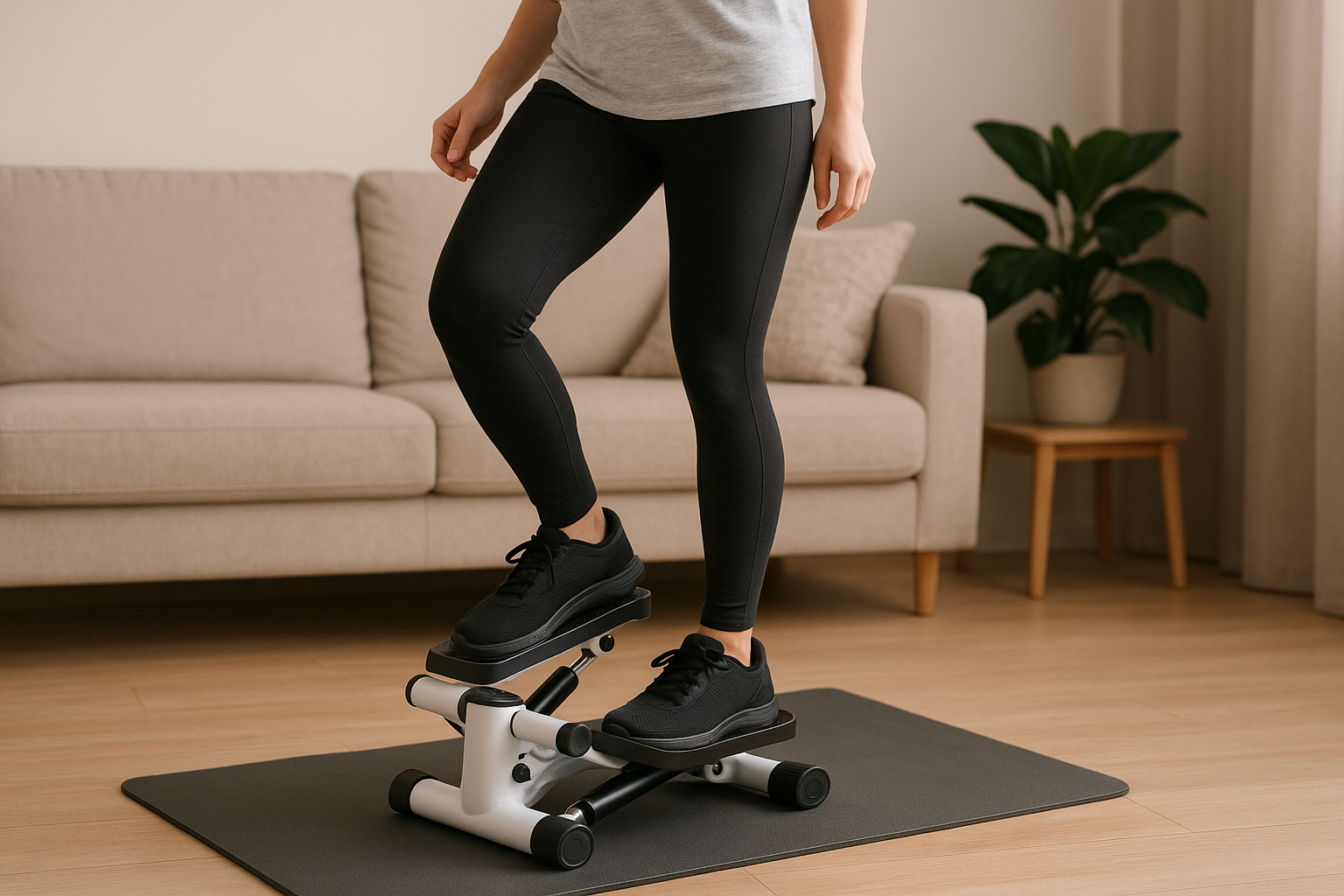
Mini ski steppers are a smart solution if you want gentle but effective low-impact cardio without sacrificing floor space. These compact machines simulate a skiing or gliding motion, targeting glutes, thighs and calves while being kinder to your joints than running or jumping. Before you click “buy now”, it’s worth understanding how resistance, noise level and overall footprint can change your daily workout experience in a home gym setting.
Table of contents
Benefits of mini ski steppers for home use
A ski-style mini stepper offers a surprisingly effective workout in a very small package. The gliding motion tends to feel smoother than traditional up‑and‑down steppers, which can be more comfortable for knees and hips. Because most models are fully manual, you can jump on for a quick 10‑minute session without any setup. They are also easy to move between rooms or tuck under a desk, making them ideal for small flats or hybrid workspaces. For beginners or those returning from injury, the low-impact movement lets you elevate your heart rate without harsh impact, while still engaging stabilising muscles in your core and lower body.
[p][/p]
Resistance systems and workout intensity
When choosing a mini ski stepper, the resistance system is one of the most important features. Many compact steppers use hydraulic pistons to create tension, offering a simple mechanism with a natural-feeling push and pull. Others rely on friction‑based systems where you adjust tension manually with a dial. Look for models that allow you to fine‑tune resistance so you can alternate between light recovery days and more demanding cardio intervals. An adjustable range is especially useful if multiple family members will share the same machine. Also consider heat build‑up: better quality hydraulics dissipate heat more efficiently, helping to maintain consistent resistance over longer sessions.
Noise levels and home‑friendly operation
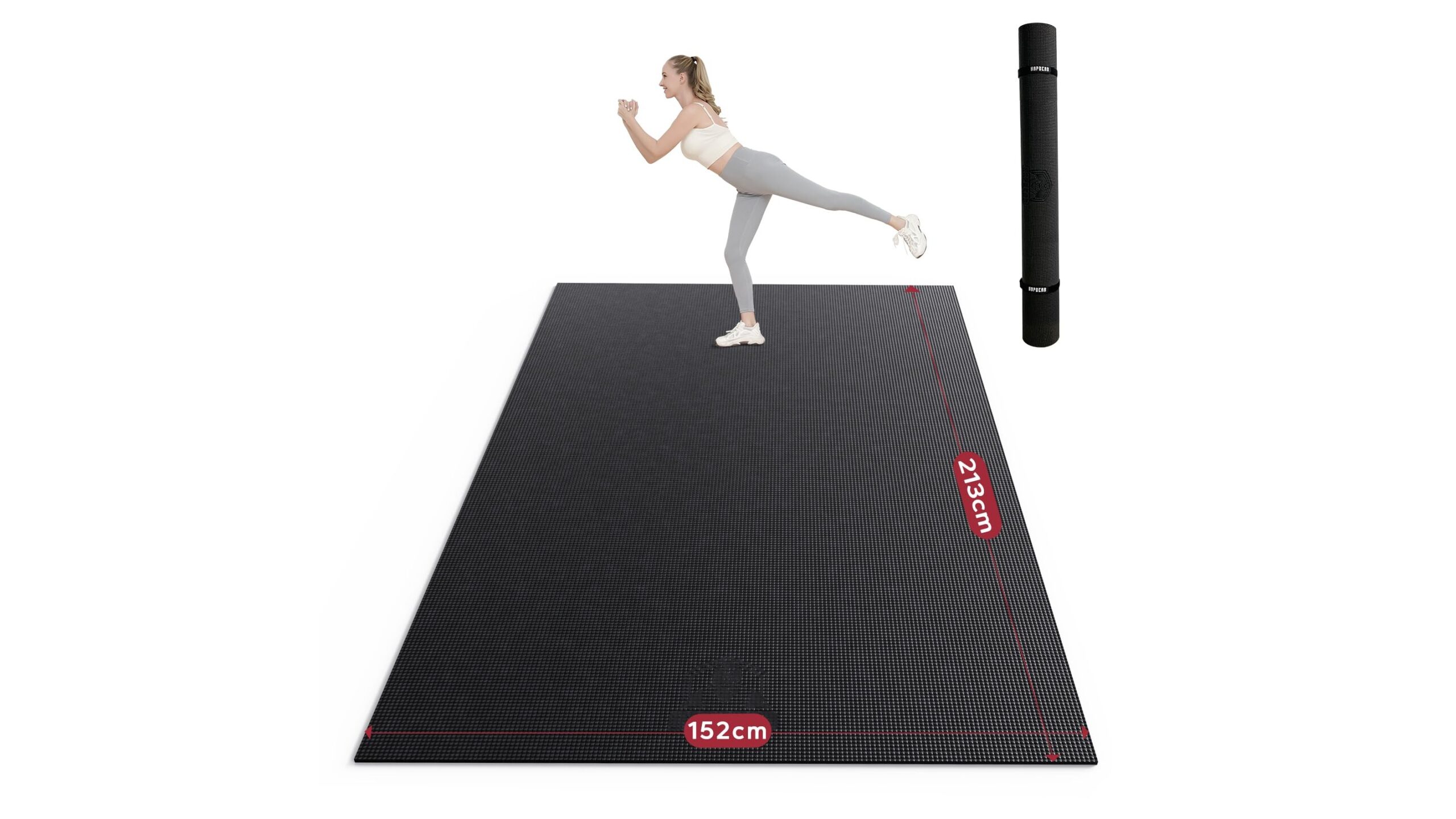
In a flat or shared house, noise can make or break your relationship with a mini stepper. Basic ski steppers often operate quietly thanks to simple mechanics, but cheaper builds can squeak or clunk over time. Check for features like rubberised footplates, non‑slip base pads and smooth pivot points, which all help reduce vibration and noise transfer into the floor. If you plan to work out early in the morning or late at night, prioritise a design marketed as quiet and pair it with an exercise mat to dampen sound. A quieter machine will blend into your daily routine without disturbing neighbours or family members in adjacent rooms.
Footprint, portability and storage
One of the biggest advantages of a mini ski stepper is its compact footprint. Before you buy, measure the floor area where you plan to use it and compare that with the product dimensions, including the extra space your body will need when moving. Many stepper frames are designed to be lightweight and easy to carry between rooms, so you can store the unit in a cupboard or under a bed when not in use. Look for built‑in carry handles or a slim, low profile that slides neatly into tight spaces. If you have limited home gym real estate, choosing a truly compact model will ensure your stepper complements your environment instead of cluttering it.
Comfort, stability and usability features
For consistent use, a mini ski stepper must feel stable and comfortable. Wide, textured footplates help you maintain secure footing, while a stable base prevents the unit from rocking during more vigorous sessions. Some models integrate resistance bands or cords for upper‑body engagement, allowing a more complete workout without needing extra equipment. An easy‑to‑read display is another plus, tracking time, step count and estimated calories to keep you motivated and accountable. Consider weight capacity too: a higher maximum user weight typically signals a sturdier overall build. The more confident you feel on the machine, the more likely you are to incorporate it into your daily routine.
Price, build quality and value for money
Budget mini ski steppers can be tempting, but it’s worth balancing price against build quality and expected lifespan. Cheaper units may lack smooth resistance adjustments, use thinner materials or wear out more quickly with regular use. Mid‑range models often strike a better balance, offering sturdier frames, quieter motion and more reliable hydraulics while still remaining affordable for a home gym. Check user feedback for comments about durability over several months, especially regarding leaks in pistons or loose components. In the long run, investing a little more up front in a robust, low‑maintenance stepper usually delivers better value for money and a more enjoyable cardio experience.
Choosing the right mini ski stepper comes down to understanding how resistance, noise, footprint and comfort will fit your lifestyle and space. A compact, quiet and adjustable model can provide highly effective low-impact home cardio without requiring a dedicated gym room or complex setup. By focusing on stability, ease of use and build quality as well as price, you can find a stepper that encourages consistent movement, supports your fitness goals and integrates seamlessly into your everyday home routine.