Building a home gym around a compact, manual flywheel spin bike is one of the smartest ways to train hard in a small space. Unlike app‑driven smart bikes, these models rely on a simple mechanical resistance system, offering low maintenance, quiet operation and a smooth ride that is ideal for interval training. Understanding how flywheel weight, frame design, noise levels and ergonomics work together will help you pick a bike that actually supports your workouts instead of gathering dust.
Key features of manual flywheel spin bikes
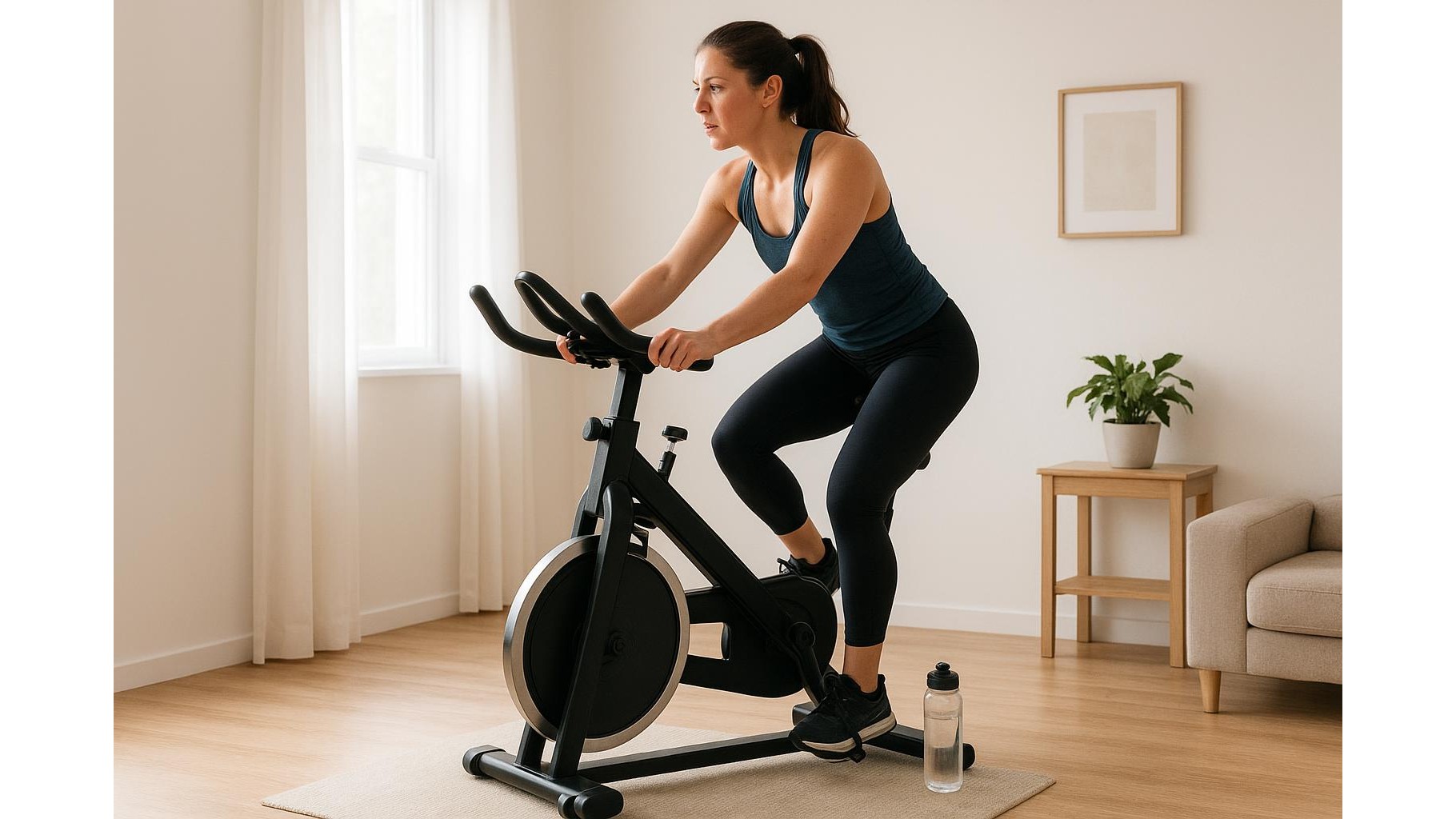
The heart of any manual-resistance spin bike is its flywheel. Heavier flywheels (typically 13–20 kg) provide a smoother, more road‑like feel and help maintain momentum during fast intervals, while lighter ones make the bike easier to move and better suited to very compact spaces. Look for a belt-drive system rather than a chain: belts are quieter and require virtually no maintenance. Manual resistance is usually controlled with a simple knob that tightens pads or magnets against the flywheel; make sure the range is wide enough to go from light spinning to heavy climbs. A stable steel frame, adjustable levelling feet and transport wheels are also essential for safe, comfortable riding at high intensity.
Adjustability, comfort and ergonomics at home
For home spin bikes, ergonomics can make or break your purchase. You need a frame that allows both vertical and horizontal saddle adjustment so that different members of the household can ride in a joint‑friendly position. Handlebars should also adjust easily and offer multiple grip positions for sprints and climbs. Check that pedal cranks are sturdy and that the bike accepts standard toe‑cage or SPD‑compatible pedals if you plan to use cycling shoes. A compact footprint is important in smaller flats, but do not sacrifice stability: a slightly longer base often means less wobble during standing efforts. For noise‑sensitive environments, prefer a belt drive and closed flywheel design, which help keep sound levels low during early‑morning or late‑night sessions.
Low maintenance and durability considerations
One of the main advantages of a manual flywheel spin bike is its low maintenance. With no motor and minimal electronics, there is less to go wrong. Magnetic resistance systems are nearly silent and the magnets do not touch the flywheel, so there is very little wear. If the bike uses felt or leather pads, you may eventually need to replace them, but this is a simple and inexpensive job. Look for a durable steel frame with a generous maximum user weight, as this is a good indicator of build quality. Protective covers around the flywheel and drive train keep sweat and dust out of moving parts, extending lifespan in a busy home gym.
How to choose the right compact bike for intervals
When your main goal is interval training, prioritise models that allow quick resistance changes with a single turn of the knob and a strong, responsive flywheel. A compact bike should still offer a stable base and enough flywheel weight to keep pedalling smooth during high‑cadence efforts. Pay attention to the distance between pedals (Q‑factor); a narrower stance usually feels more natural and reduces knee strain. An integrated tablet or phone holder can be useful for following workouts, but do not be distracted by screens if the fundamentals – frame rigidity, adjustment options and resistance range – are weak. Read user reviews carefully for comments on noise level, as this is critical if you share walls with neighbours.
Example interval sessions for manual spin bikes
Once your home spin bike is set up, you can structure effective sessions using only perceived effort and cadence, without needing advanced electronics. A simple beginner workout: after 5 minutes of easy pedalling, alternate 1 minute of hard effort (heavy resistance, fast legs) with 2 minutes easy spinning, repeated 8–10 times, then cool down for 5 minutes. For a more advanced session, try 4 x 4‑minute intervals at a hard but sustainable effort, with 3 minutes easy between each, keeping the flywheel spinning smoothly. You can also use short 20–30 second sprints with light‑to‑moderate resistance to work on power, focusing on maintaining form in and out of the saddle. These compact interval workouts fit easily into busy days and make the most of a simple, reliable bike.
Choosing a manual flywheel spin bike for home is about balancing compact size, smooth resistance, low noise and ergonomic adjustability. By focusing on flywheel weight, drive type, frame stability and comfort, you can create a small but powerful cardio corner that supports structured interval training without the complexity or upkeep of high‑tech machines. Invest in a well‑built, low‑maintenance model and you will have a versatile training tool ready for everything from gentle recovery rides to intense, time‑efficient workouts.