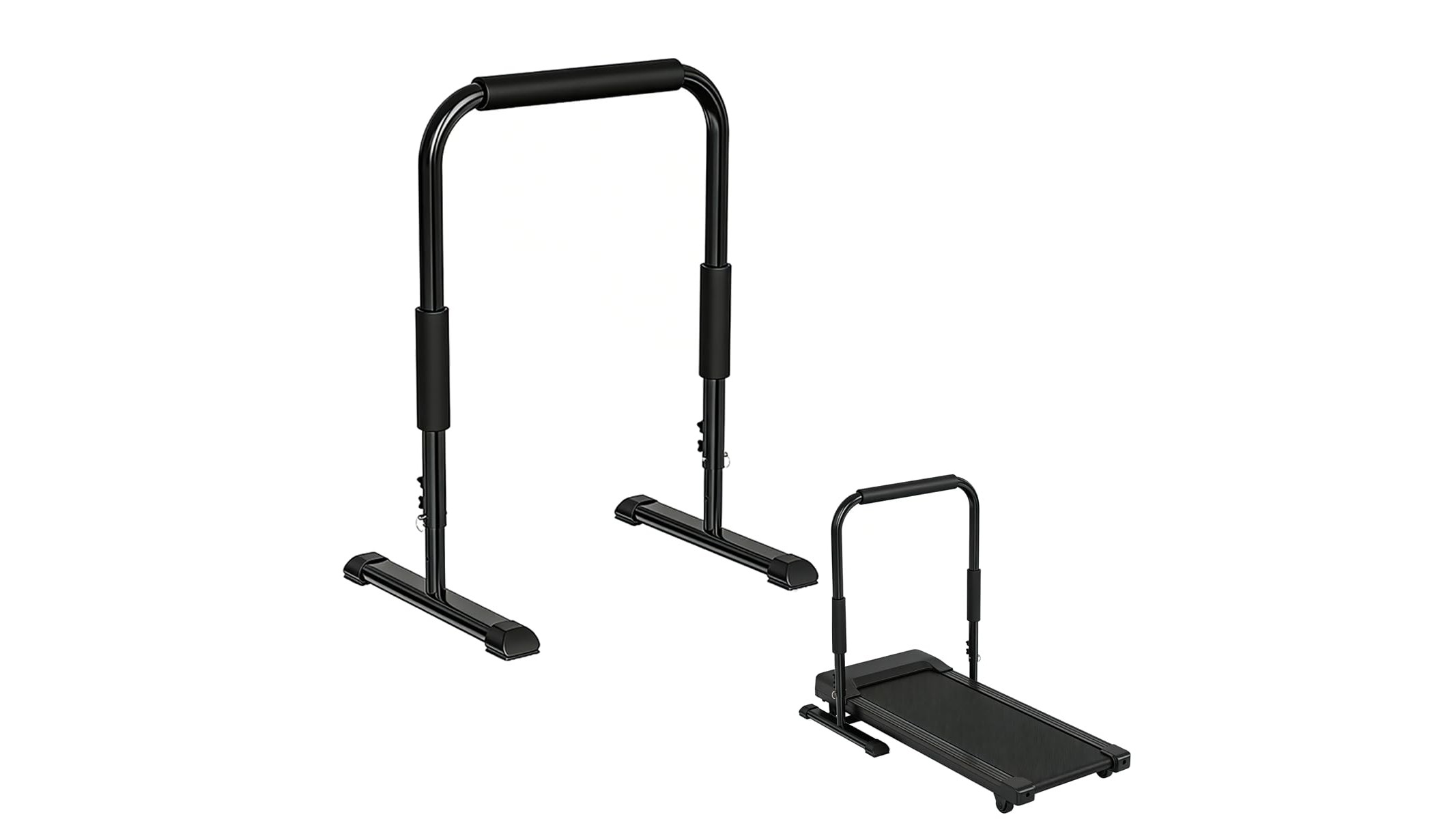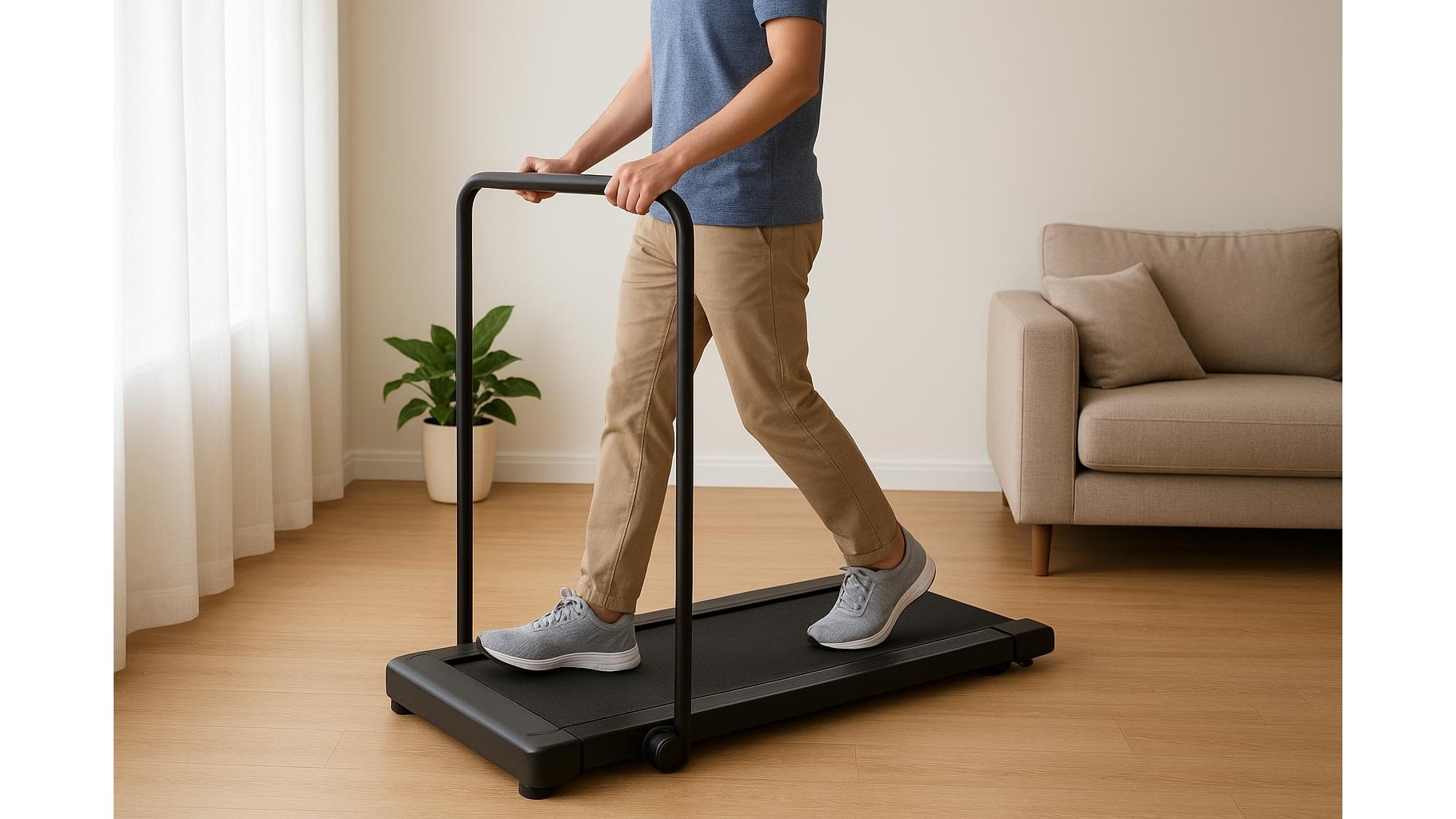
Magnetic walking treadmills are a smart answer for anyone who wants gentle, daily cardio at home without the noise, maintenance and bulk of a motorised machine. Instead of a powered belt, these compact walkers use a magnetic resistance system to control how easily the belt turns under your feet. The result is a quiet, low‑impact workout that feels natural, scales with your effort and fits easily into even the smallest home gym corner.
Table of contents
What is a magnetic walking treadmill and how does it work?
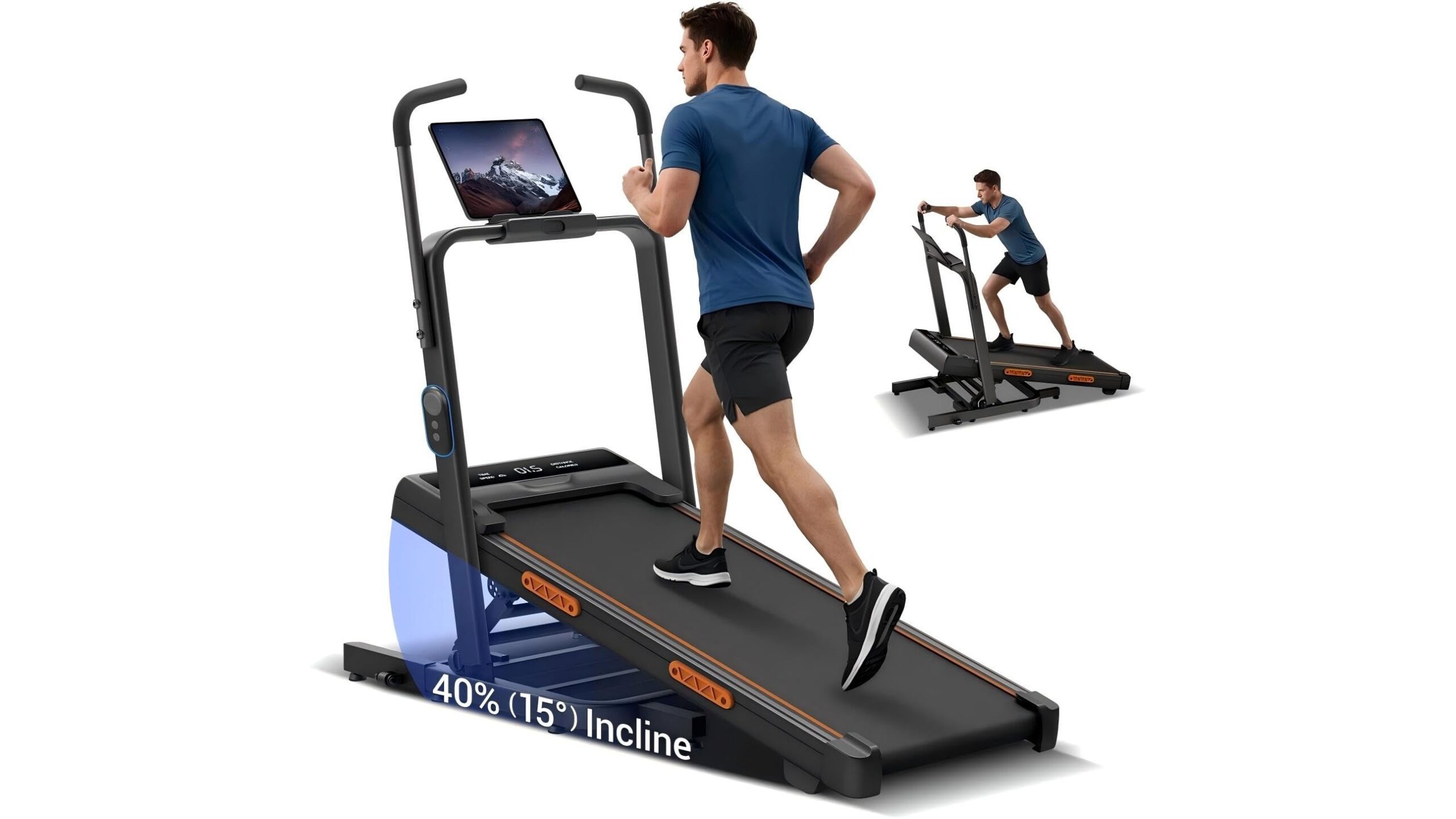
A magnetic walking treadmill is a non-motorised machine where your own steps move the belt. Under the deck, a flywheel and magnets create adjustable resistance. When you set a higher level, the magnets sit closer to the flywheel, making the belt harder to push and giving your muscles a deeper workout. Lower levels let the belt glide more easily for gentle rehab or warm‑ups. Because there is no motor, there is no need for power sockets, complex electronics or regular servicing, making this one of the most ultra-low-maintenance ways to add cardio to your home.
Key benefits for everyday, low-impact home cardio
The main advantage of a magnetic walking treadmill for home use is how accessible it is. Speeds are entirely self‑paced, so the belt only moves as fast as you walk. That makes it ideal for steady-state cardio, daily step goals and active recovery days. With no motor noise, it is quiet enough for early‑morning or late‑night sessions in shared apartments. The lack of electronics also means less that can break over time, and most models are comparatively lightweight, often under 30 kg, which helps if you need to move or store the treadmill after use.
Who benefits most from magnetic walking treadmills?
Magnetic walking treadmills particularly suit beginners, older adults, people returning from injury and anyone who prefers low-impact cardio over running. The smooth, controlled belt motion encourages shorter strides and better posture, helping reduce joint stress on knees, hips and ankles. They are also a good match if you work from home and want to accumulate movement throughout the day: you can hop on for 5–10 minute bouts between calls without having to programme a console or wait for a motor to ramp up. If you already lift weights, a magnetic walker doubles as a warm‑up and cool‑down tool that does not exhaust you before strength sessions.
Understanding and using resistance settings effectively
Unlike motorised treadmills where you tap speed buttons, a magnetic walking treadmill usually has a dial or lever to adjust resistance levels. At low settings, the belt turns with minimal effort, which is ideal for rehab, beginners and long, easy walks. Dialling the resistance up forces you to push harder through each step, engaging the glutes, hamstrings and calves more intensely and raising your heart rate without needing to jog. For everyday use, it is wise to start at a low or medium level, focus on smooth, upright walking for 10–20 minutes, then gradually increase resistance as your fitness improves. Because there is no preset top speed, always prioritise control and a comfortable stride over trying to move the belt too fast.
Practical tips for choosing and using one at home
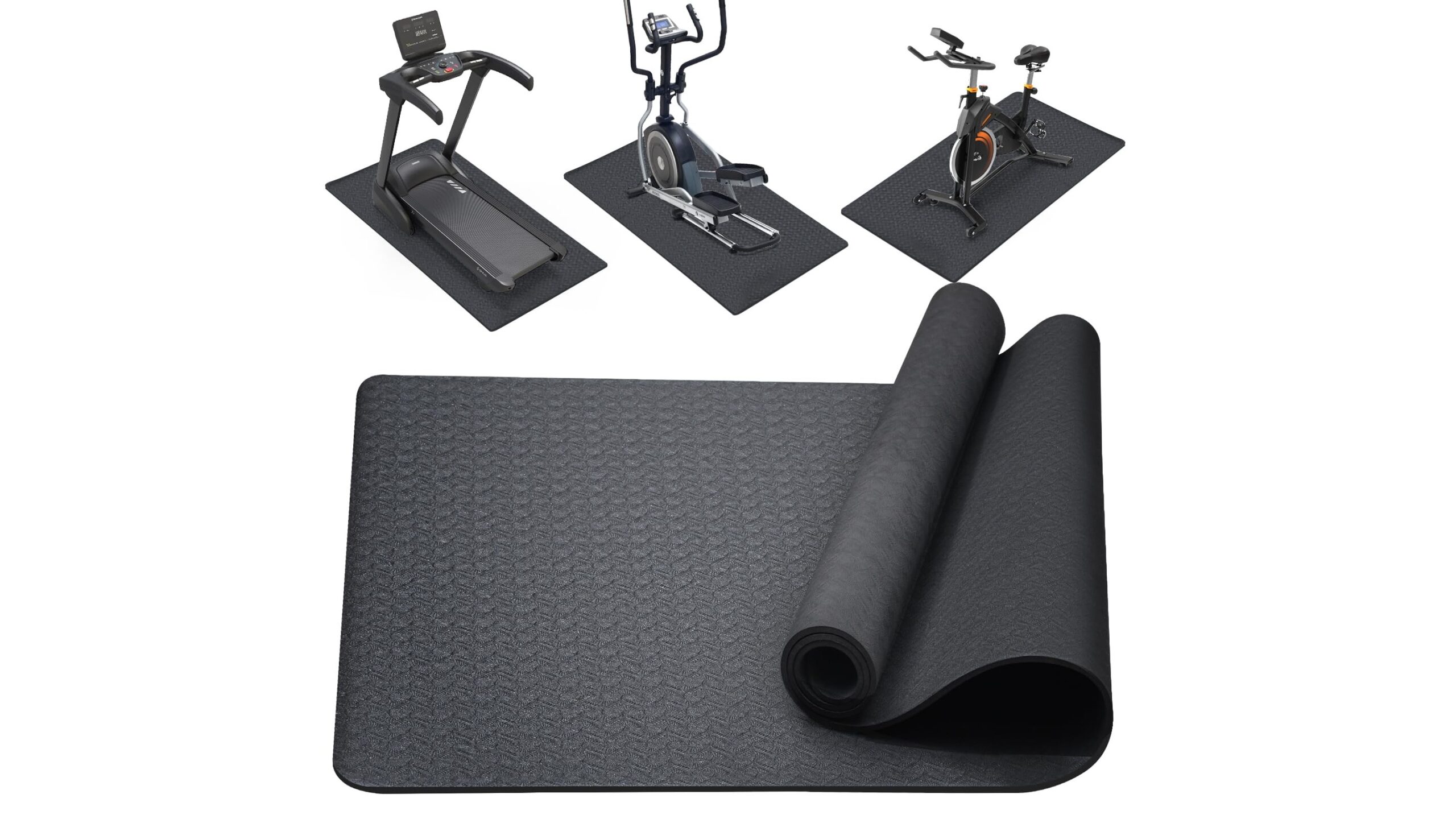
When comparing magnetic walking treadmills, check the maximum user weight, belt length and overall footprint so it fits both your body and your space. A longer belt gives more comfort if you have a naturally long stride, while a sturdy frame reduces wobble during brisk walks. Foldable frames and transport wheels are useful if you plan to store the treadmill vertically after use. At home, position it on a flat, stable surface with a bit of clearance behind the deck, and consider a protective mat to dampen vibration. Build the habit by scheduling short, daily sessions: for example, 15 minutes at light resistance after breakfast and 10 minutes at medium resistance in the evening is enough to accumulate meaningful low‑impact cardio across the week.
Are magnetic walking treadmills right for your home gym?
If you want slow, steady home cardio that is easy on the joints, quiet, and genuinely low‑maintenance, a non-motorised magnetic walking treadmill is hard to beat. You supply the power with your own steps, while the magnetic system adds just enough resistance to keep your heart rate elevated without forcing you to run. For many people—especially beginners, busy professionals and older exercisers—it is a sustainable way to move more every day, complement strength training and stay consistent with cardio without leaving the house.