If you want joint-friendly, steady-state cardio without disturbing family or neighbours, a low-noise recumbent bike for home is a smart choice. With a reclined position, back support and smooth magnetic resistance, these bikes are ideal for long, easy cardio sessions, rehab or active recovery. The key is knowing which features really matter for quiet performance, comfort and long-term usability in a home gym.
Table of contents
Why recumbent bikes are ideal for long, easy cardio
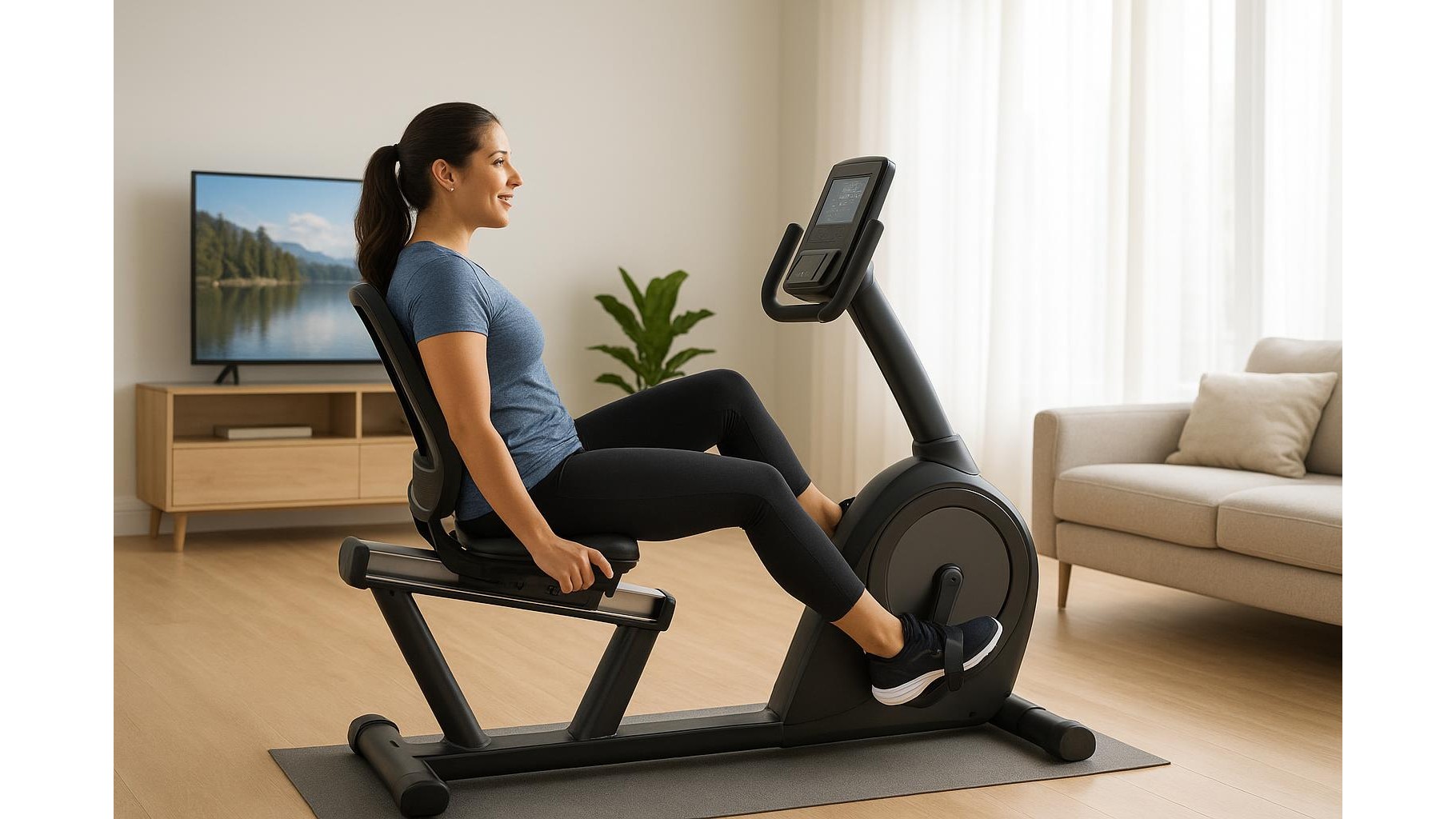
A recumbent exercise bike places you in a reclined position with the pedals out in front, reducing load on hips, knees and lower back. This makes it easier to maintain low-intensity steady-state cardio for 30–60 minutes or more, perfect for building aerobic base and supporting weight management. Compared with upright bikes, recumbents typically offer a larger seat and backrest, encouraging good posture and reducing numbness or saddle discomfort. For home use, they are especially popular with beginners, older users and anyone managing joint issues who still wants consistent cardio training.
Noise levels: what really makes a bike quiet?
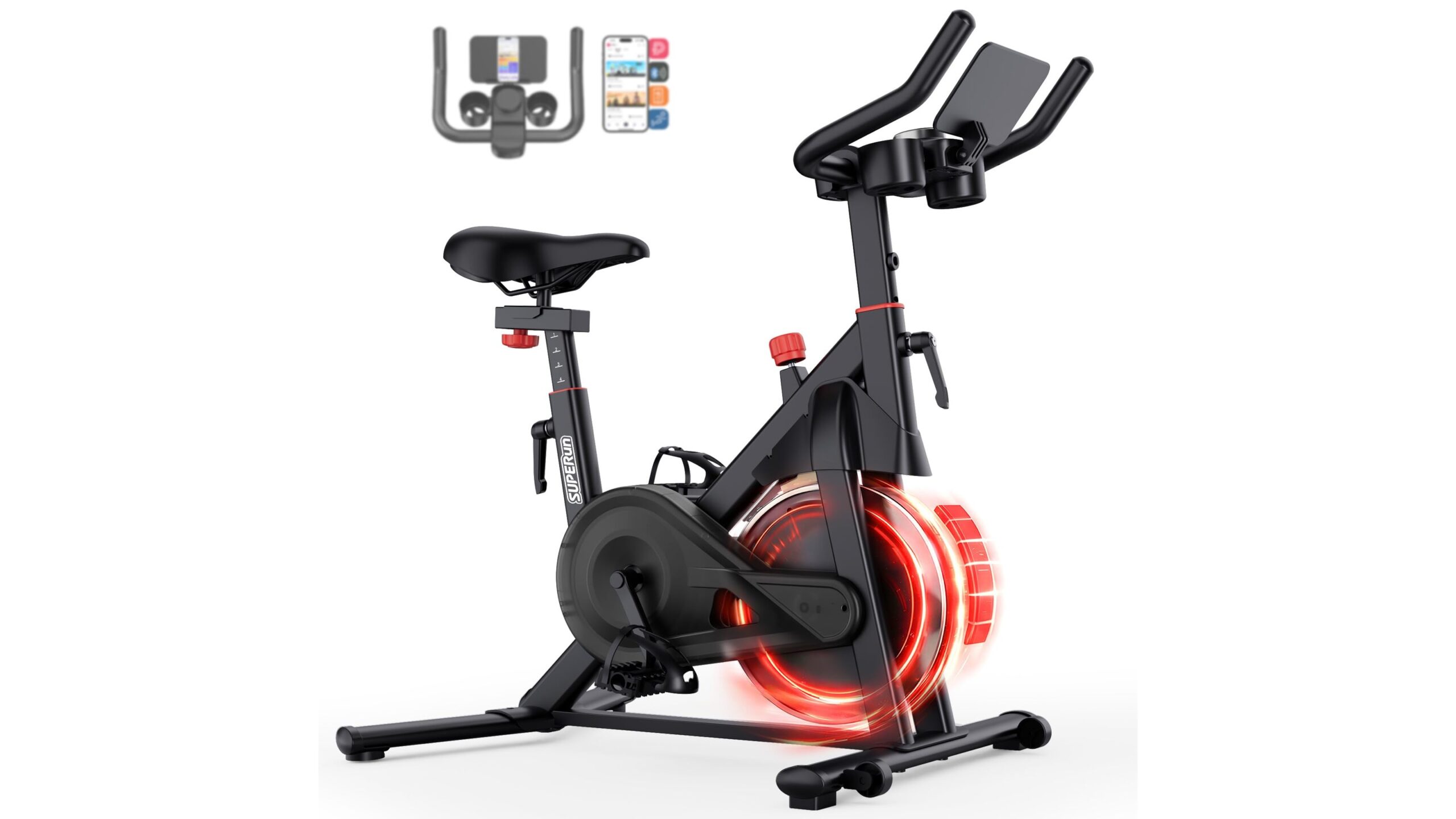
The quietest home recumbent bikes use a magnetic resistance system and a belt drive. Magnetic resistance means there is no physical contact on the flywheel, so there is minimal friction and almost no rubbing or squeaking. A belt drive further cuts mechanical noise compared to chains. In practice, a good low-noise recumbent will let you watch TV at normal volume or train early in the morning without waking others. When choosing a model, look for terms like “magnetic resistance”, “belt drive” and user reviews that mention low noise levels at moderate to high resistance.
Comfort and adjustability for different body types
To get the best out of a recumbent bike for home use, comfort and fit are critical. Check that the seat slides smoothly on a rail so you can adjust the leg reach to avoid over-extending or over-bending the knees. A wide, padded seat and a supportive backrest help you stay comfortable during longer rides. Ideally, the seat height and back angle should be easily adjustable, especially if multiple family members will use the bike. Handlebars positioned at the sides of the seat improve stability and confidence for beginners or older users. A stable, heavy frame will also reduce wobble and rattling, indirectly lowering noise.
Console features and training feedback
Even for easy cardio, a clear console makes a big difference to motivation. Look for a display that shows speed, time, distance, calories and heart rate (usually via hand pulse sensors). Pre-set programs can guide you through intervals or rolling hills on days when you do not want to think about structure. Some home recumbent exercise bikes offer Bluetooth connectivity to sync with fitness apps, but for many users a simple, backlit screen that is easy to read in low light is enough. Quick-access buttons for resistance levels are useful when you want to adjust effort quietly without clicking through complicated menus.
Space, portability and home-gym integration
Before buying, consider how a recumbent bike will fit into your home. Measure the floor space and allow room to get on and off safely. Many low-noise models have transport wheels at the front so you can tilt and roll the bike after your workout. This is especially handy in small flats where the bike shares space with a living room or office. Rubber mats under the bike help protect floors and further dampen vibration noise. Choose a design that visually fits your home gym or living area so that you are more likely to keep it set up and use it regularly for those longer, easy rides.
How to match a low-noise recumbent bike to your goals
When selecting a low-noise recumbent bike for home, start from your training goals. If you mainly want long, easy cardio while watching TV, prioritise quiet magnetic resistance, a comfortable seat and simple controls over advanced app features. If you share the bike with others or plan to progress your fitness, ensure there are enough resistance levels to keep workouts challenging over time. Think about who will use it: those with joint pain or in rehab may value ultra-smooth pedalling and a very low step-through frame; fitter users may need heavier flywheels and more robust builds. By aligning noise level, comfort, adjustability and console features with your needs, you can choose a recumbent bike that becomes a reliable, low-impact cardio staple in your home gym.
In summary, the best low-noise recumbent bikes for home combine quiet magnetic resistance, ergonomic seating, good adjustability and a clear console in a stable frame. Focus on how the bike will feel and sound during 30–60 minute sessions, not just on specs. With the right model, you can enjoy joint-friendly, steady-state cardio whenever you like, without disturbing the rest of the household and while building a sustainable, enjoyable fitness habit.