Building effective home cardio doesn’t have to mean pounding your knees on the spot or jumping endlessly. With smart planning, you can create low-impact home cardio circuits that are gentle on your joints yet tough on your lungs and muscles. By using simple tools like an aerobic step, a vibration plate, light weights and smart pacing, you can keep impact down while keeping intensity high.
Table of contents
Why low-impact doesn’t mean low-intensity
Low-impact training simply means minimising stress on your joints – especially ankles, knees and hips – not avoiding effort. You remove jumping, hard landings and twisting, but you can still challenge your cardiovascular system with larger ranges of motion, faster but controlled pacing and minimal rest. Think about alternating big muscle groups (legs, then upper body, then core) so your heart rate stays elevated while individual areas get a break. This approach is ideal if you’re returning from injury, managing arthritis, or just want a sustainable home workout routine that doesn’t leave you battered.
Key tools for joint-friendly home circuits
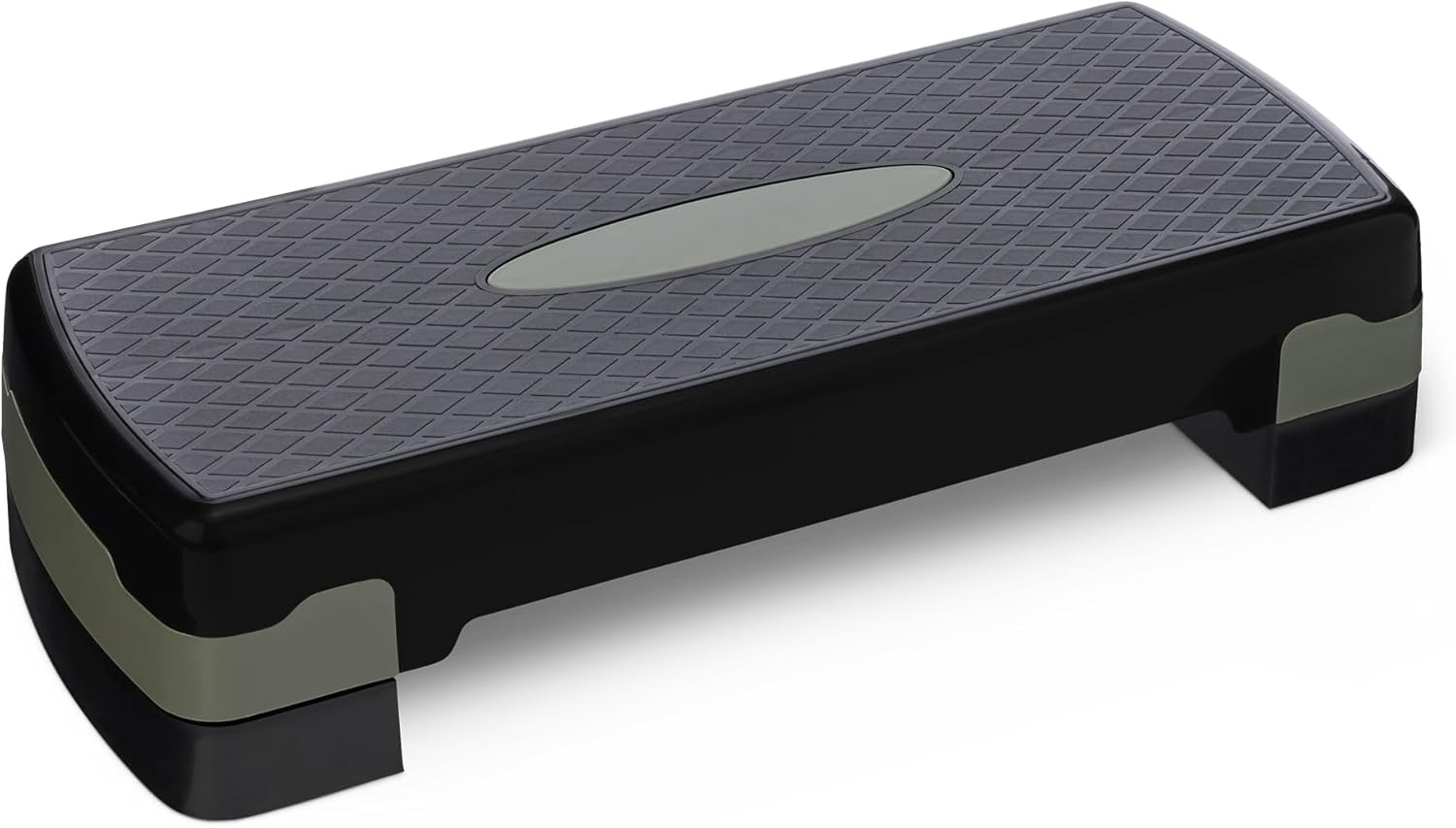
Two pieces of kit can transform low-impact cardio at home. An adjustable step such as the Amazon Basics Aerobic Exercise Step Platform offers a non-slip, stable surface with risers at 10 and 15 cm. It supports up to 180 kg and its compact 68 x 28 cm footprint makes it ideal for small spaces. You can use it for step-ups, lateral steps and gentle knee rehab drills without high impact. For recovery days and extra variety, a DoXtreme Vibration Plate Exercise Machine adds low-impact muscle activation with 120 speed levels, a remote control and a sturdy, quiet platform that supports up to 120 kg, helping circulation and lymphatic drainage after tougher sessions.
Structuring an effective low-impact circuit
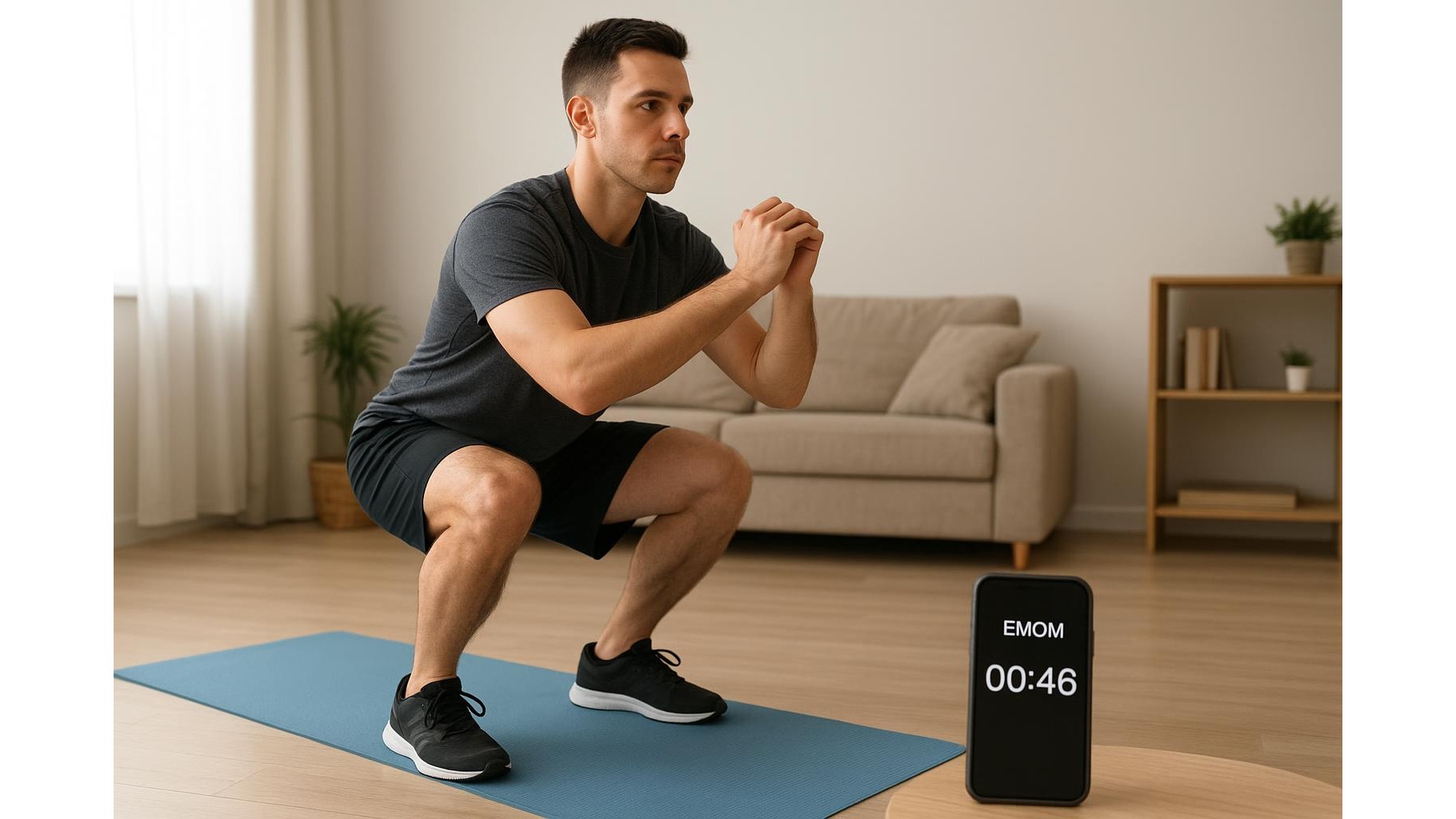
To keep your home cardio circuit intense yet joint-safe, focus on intervals and smart exercise order. A simple template is 30–40 seconds of work followed by 20–30 seconds of rest, cycled for 15–25 minutes. Start with a step-based move (e.g. basic up-and-down on the Amazon Basics step), then a low-impact upper-body drill (light dumbbell punches or band rows), followed by a core exercise (standing knee lifts or dead bugs). Rotate through 4–6 moves, ensuring at least one step variation and one bodyweight strength move per round. You can progress by increasing the step height, raising work intervals to 45 seconds or shortening rest – all without adding jumps.
Step variations that protect knees and ankles
Step platforms are fantastic for low-impact cardio when used with good technique. On the Amazon Basics Aerobic Exercise Step Platform, keep your whole foot on the step and drive through the heel to reduce knee strain. Start with basic step-ups, then progress to alternating knee lifts, side steps and tap-backs behind the step. For those with sensitive joints, keep the height at 10 cm and move faster rather than going higher. Use the non-slip surface and stable base to build confidence before adding light hand weights. The aim is smooth, rhythmic motion with no bouncing or abrupt changes in direction so your ligaments and tendons stay happy.
Using vibration training for recovery and extra burn
The DoXtreme Vibration Plate Exercise Machine can play a dual role in your home gym. On intense days, use it as a short finisher: 2–3 intervals of 30–40 seconds in a semi-squat or gentle calf raise at moderate vibration levels to recruit more muscle fibres without extra impact. On recovery days, set it to a low level and use it for 5–10 minutes of relaxed standing or light mobility drills. The compact 53 x 33 cm design and remote control make it easy to operate, even for beginners or older users. Its stable ABS platform and non-slip rubber suction base help keep things quiet and joint-friendly, while still contributing to circulation, lymphatic drainage and overall cardio health.
Safety cues and pacing tricks for joint-friendly intensity
To keep your low-impact circuits safe, warm up for 5 minutes with easy marching, ankle circles and hip openers. During step work, land softly, avoid locking knees and keep your torso tall. For intensity, use pacing tricks instead of impact: increase range of motion, pump your arms, or shorten rest by 5 seconds each round. Monitor effort with the talk test – you should be breathing hard but able to say short phrases. If you feel sharp joint pain, decrease step height, slow down or switch to the vibration plate for gentler activation. With these habits, you can protect your joints, improve cardio fitness and make your home circuits both sustainable and challenging.
Low-impact home cardio circuits offer a powerful way to build fitness, protect your joints and stay consistent without leaving your living room. By combining joint-friendly tools like an aerobic step and a vibration plate with smart intervals, step variations and careful pacing, you can train hard without punishing your body. Start conservatively, focus on smooth form, and adjust duration, speed and step height gradually. Over time, you’ll enjoy stronger muscles, better endurance and healthier joints – all from a compact, efficient home workout routine.