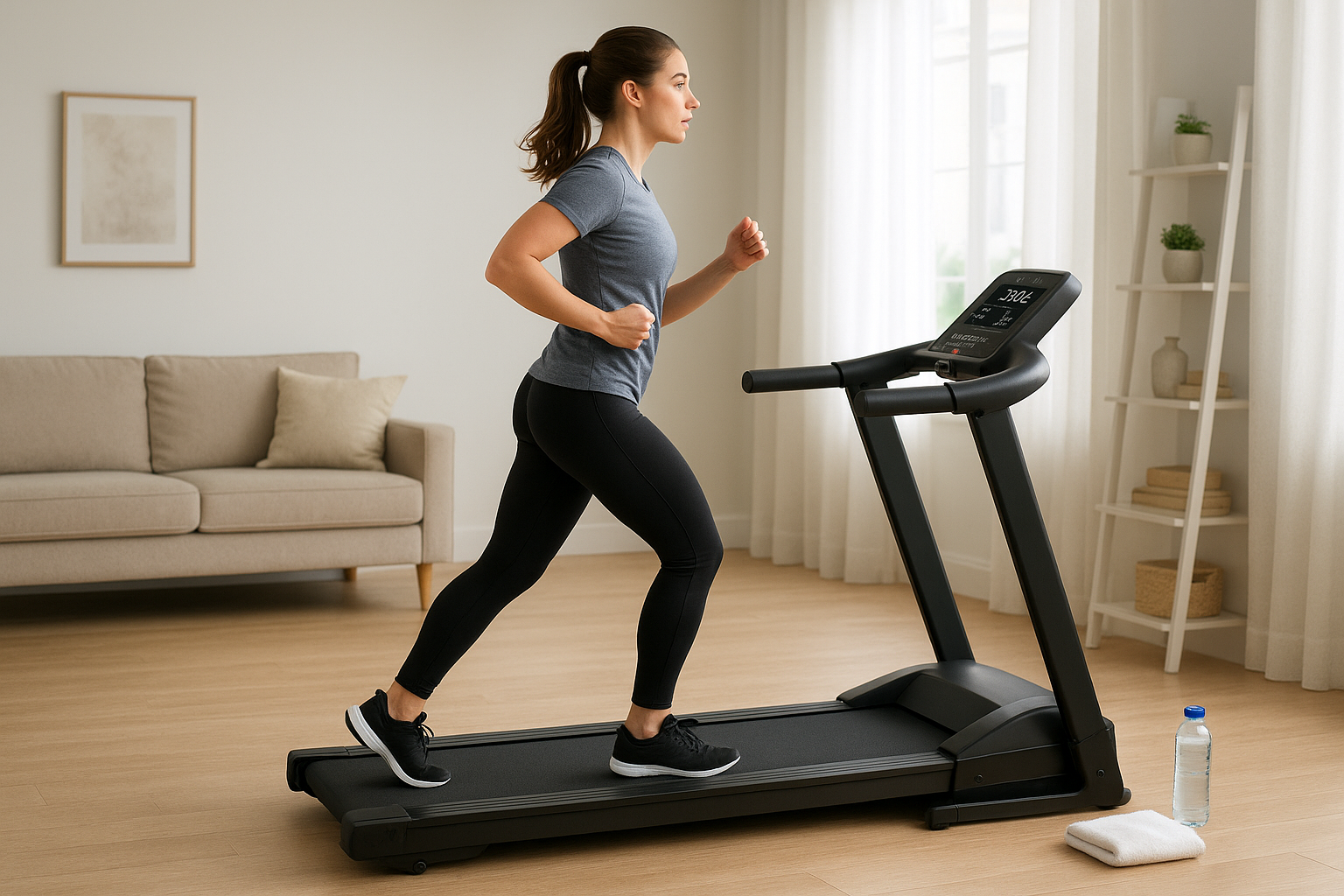
Incline walking on a home treadmill is one of the most joint‑friendly ways to boost calorie burn, build endurance and support fat loss. By adding an uphill gradient to a comfortable walking pace, you raise your heart rate without the impact of running, making it ideal for busy home exercisers, beginners and anyone protecting their knees or back. With the right treadmill and a simple structure, you can turn 20–40 minutes of daily walking into a focused, results‑driven low‑impact cardio routine.
Table of contents
Why incline walking works for fat loss
Walking on an incline increases the demand on your glutes, hamstrings and calves, forcing your body to work harder at the same speed. That extra muscular effort raises your heart rate and total calorie expenditure compared with flat walking, while staying easy on your joints. For most people, incline walking sits in the moderate‑intensity zone, which is ideal for longer sessions that support steady fat loss and improved aerobic endurance. Combined with a sensible calorie deficit and strength training, it’s a sustainable way to reduce body fat without feeling wrecked after every workout.
Choosing a home treadmill with incline
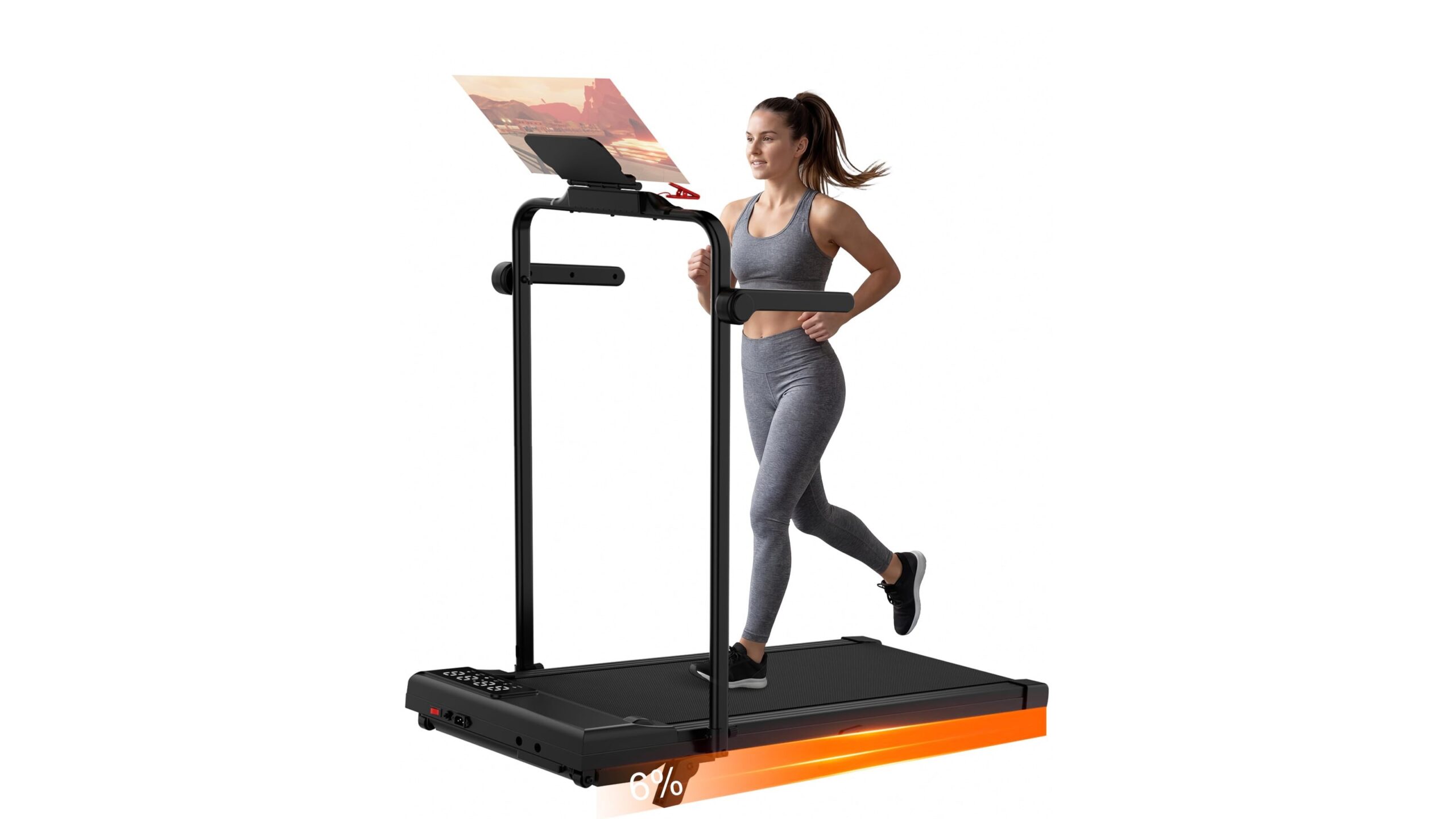
To get the benefits of incline walking at home, look for a treadmill that offers at least a few levels of adjustable gradient and a comfortable belt size. A compact option like the Folding Treadmill with 8% Incline, 3 In 1 Under Desk Walking Pad provides up to an 8% incline, a 2.5 HP motor and a five‑layer anti‑slip deck with silicone shock absorbers, making it suitable for low‑impact walking sessions up to 12 km/h. If you want more power and features for progression, the 2026 NEW Folding Treadmills for Home with App, 6‑in‑1 Walking Pad offers a 2.75 HP motor, up to 9% incline, app connectivity, dual display and a sturdy frame rated up to 160 kg. Both fold or store easily, which is useful in a small home gym or office.
How to structure a beginner incline walking workout
If you’re new to treadmill walking workouts, start with 3 sessions per week on non‑consecutive days. Begin each workout with a 5‑minute warm‑up at 0–1% incline and an easy pace where you can talk in full sentences. Then set the incline to 3–5% and walk for 15–20 minutes at a pace that feels like a 6–7 out of 10 in effort: slightly breathless but controlled. Finish with 5 minutes at low incline to cool down and lower your heart rate. Focus on maintaining an upright posture, light hand placement on the rails only when needed, and a smooth, consistent stride. As this becomes comfortable, add 2–3 minutes to the main block or nudge the incline up by 1%.
Intermediate routines: intervals and progression
Once you can comfortably walk 30 minutes at a moderate incline, progress with incline intervals two to four times per week. A simple session might look like this: 5 minutes warm‑up, then 8–10 rounds of 1 minute at 7–9% incline followed by 2 minutes at 2–3% incline, maintaining a brisk walking pace throughout. On a feature‑rich model like the CHAOKE 6‑in‑1 Walking Pad Treadmill, you can track speed, distance, time and calories on the LCD and use app‑based programs for guided progression. Aim to increase either the incline, the length of the work intervals, or the total duration by about 5–10% every 1–2 weeks to continue driving fat‑loss and endurance gains.
Dialling in intensity, frequency and safety
For fat loss, target 150–300 minutes of moderate‑intensity incline walking per week, ideally spread over 4–6 days. Use the talk test: you should be able to speak in short phrases but not sing. If you’re tracking with a heart‑rate monitor, that usually corresponds to 60–75% of max heart rate for most people. Keep sessions low‑impact by wearing supportive footwear and taking advantage of features like the shock‑absorbing decks on the Tvdugim and CHAOKE treadmills. Always step onto the belt at low speed, avoid holding the handrails for balance whenever possible, and stop or reduce incline if you feel dizzy, experience joint pain or can’t control your breathing.
Sample weekly plan for home incline walking
A balanced week for an intermediate home exerciser might look like this: Day 1 – 30 minutes steady incline walk at 4–6%, moderate pace. Day 2 – rest or light activity such as mobility work. Day 3 – 25 minutes of intervals: 1 minute at 7–9% incline, 2 minutes at 2–3% incline. Day 4 – 40‑minute easy walk at 1–3% incline, focusing on recovery and step count. Day 5 – repeat Day 3 or increase the number of intervals. Days 6–7 – mix of rest, stretching or an extra easy session if energy allows. Combined with adequate sleep and nutrition, this simple structure turns your home treadmill into an effective tool for fat loss, cardiovascular health and long‑term consistency.
Incline walking at home is a highly accessible, low‑impact way to pursue fat loss and better fitness without leaving your living room. By choosing a suitable incline‑capable treadmill, starting with basic steady‑state walks and gradually layering in intervals and longer sessions, you can build a sustainable cardio habit that fits your schedule and protects your joints. Commit to a realistic weekly plan, track your progress and adjust incline, pace and duration over time: your home treadmill can become the cornerstone of an efficient, results‑driven home cardio routine.