
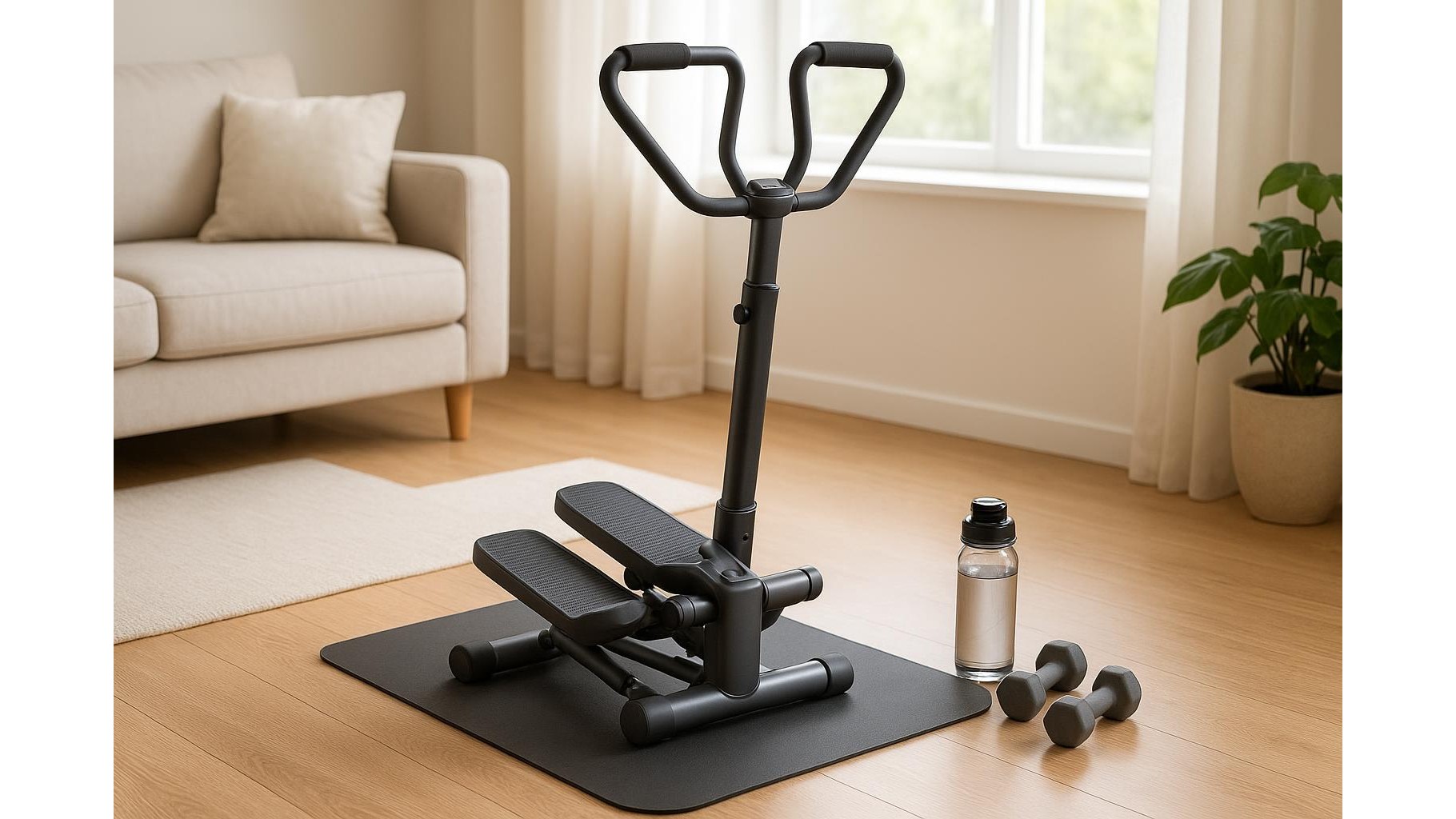
Hybrid cardio machines that blend cardio and strength training promise full‑body workouts in a compact footprint – perfect for a small home gym. But many models are little more than traditional machines with a few resistance bands clipped on. Understanding which features actually matter, who these machines suit, and how to avoid gimmicks will help you invest in equipment that genuinely supports your fitness goals at home.
What counts as a true hybrid cardio machine?
A real hybrid cardio machine combines steady‑state or interval cardio with meaningful resistance work, allowing you to engage both upper and lower body under load. Think of ellipticals with moving resistance handles, rowing machines with adjustable tension, or compact steppers that integrate bands sturdy enough for rows and presses. The key is that the strength component adds progressive overload, not just light toning. When shopping, look for multiple resistance levels, clear load ratings, and handlebars or bands that allow you to hit major muscle groups – back, chest, shoulders and legs – rather than just waving your arms.
Who hybrid cardio machines are best suited for
Hybrid cardio‑plus‑strength machines work best for beginners to intermediate users, people short on time, and anyone building a minimalist home gym. They’re ideal if your goals centre on general fitness, weight loss, cardiovascular health and light to moderate muscle toning rather than maximum strength. They’re also useful if you dislike juggling multiple machines in a small space. However, if you already follow a structured strength training programme with barbells or heavy dumbbells and want to keep building significant strength, a hybrid machine should complement, not replace, your primary lifting equipment. Consider your joint health, too: low‑impact designs like ellipticals and rowers tend to be friendlier for knees, hips and lower back.
Key features that actually matter in a small home gym
For home use, the most important features are adjustable resistance, stability, and space efficiency. Prioritise machines with multiple resistance levels that challenge you now and still have room to grow, and check that resistance increases smoothly for both cardio and strength elements. A solid frame, generous user weight rating and non‑slip pedals or platforms are crucial for safe full‑body effort. In a small home gym, look for compact footprints, transport wheels, and, if possible, folding designs. Simple, clear consoles that track time, distance, approximate calories and heart rate can help you structure workouts without taking over the room. Audio‑visual extras are nice but secondary to build quality and resistance.
How to avoid gimmicky hybrid machines
Many machines are marketed as “total body” or “3‑in‑1 hybrids” but offer little real strength training. Be wary of products that only add light, non‑adjustable resistance bands clipped to a basic stepper or bike – these often lack the tension and durability for long‑term use. Check the details: does the machine list specific resistance ranges (for example, in kg or clear level increments), and does it explain how upper‑body resistance changes as you adjust difficulty? Read user reviews for comments on wobble, noise, and bands snapping or stretching out quickly. Avoid overcomplicated multi‑use attachments that make setup fiddly; in a home gym, you’re more likely to use straightforward, robust features consistently.
Practical buying checklist for home users
Before buying, measure your available space, including ceiling height for standing machines, and compare it with the machine’s dimensions. Decide which movement pattern you’ll actually use most – cycling, stepping, rowing or elliptical – and choose a hybrid that builds around that, rather than a jack‑of‑all‑trades you don’t enjoy. Consider how easily you can move or store it if your gym area doubles as a living room or office. Look for clear warranty terms on frame and moving parts, and check maximum user weight to ensure long‑term stability. Finally, think about how the machine fits into your training routine: can you do brief, intense intervals plus some resistance work three to four times per week without getting bored or overcomplicating your setup?
In summary, hybrid cardio machines with built‑in strength features can be a smart addition to a home gym when you prioritise adjustable resistance, stability and space efficiency over flashy extras. Focus on equipment that provides genuine, progressive strength stimulus alongside sustainable cardio, aligns with your current fitness level and goals, and feels simple enough that you’ll actually use it regularly. By looking past marketing claims and evaluating the fundamentals, you can avoid gimmicks and invest in a hybrid machine that genuinely earns its place in a small home training space.









