
If you own a home exercise bike but always hit Quick Start, you are leaving results on the table. The built‑in interval, hill, fat-burn and custom programs are not random presets: they are structured workouts designed to improve specific aspects of your cardio fitness, from endurance and fat loss to leg strength and power. Learning how they work – and how to combine them during the week – turns your bike into a simple, effective training plan without needing a coach.
Understanding the main built-in programs
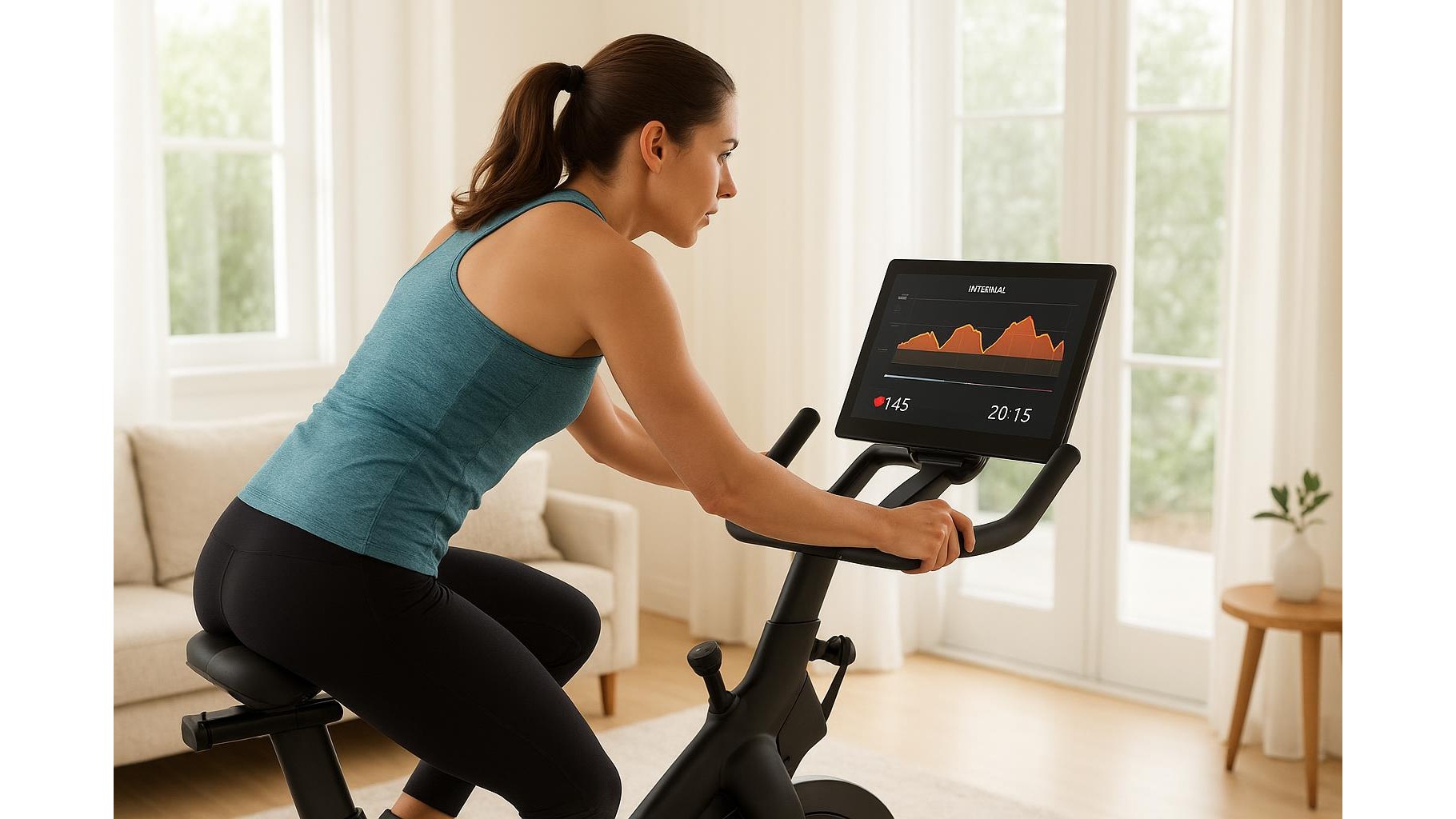
Most home exercise bikes include several core program profiles. An interval program alternates high‑resistance or high‑speed efforts with easier recovery periods; it typically looks like a series of spikes and dips on the console graph. A hill program gradually increases resistance to simulate climbing and then eases off, often in waves of ascending and descending blocks. Fat-burn programs usually keep intensity in a moderate, steady zone, sometimes guided by heart rate if your bike supports it. Finally, custom programs allow you to set the resistance level for each segment of the workout so you can mirror outdoor rides or follow a plan you’ve built yourself.
Using interval programs for speed and fitness
Interval workouts are the most time‑efficient way to boost VO2 max, overall fitness and calorie burn. On your bike’s interval mode, start by reducing the default intensity: set work intervals at a level where talking in full sentences is hard, but you can maintain good pedalling form, and recovery intervals at a very easy level. Beginners can try 1 minute hard, 2 minutes easy, repeated for 15–20 minutes, while more experienced riders can extend to 30 minutes or use shorter, sharper efforts like 30 seconds hard, 30 seconds easy. Use intervals 1–3 times per week, never on consecutive days at high intensity, and always include 5–10 minutes of easy pedalling before and after to warm up and cool down.
Using hill and fat-burn programs for endurance and strength
Hill programs are ideal when you want to build leg strength and muscular endurance without weights. Set the total duration between 20–40 minutes and choose a resistance where the “climb” segments feel challenging but controlled – your cadence will slow slightly, yet you should avoid grinding at very low speeds. This mimics steady climbing outdoors, reinforcing your quads and glutes. Fat-burn programs focus on longer, moderate‑intensity efforts. Use them 2–3 times a week for 30–60 minutes, keeping breathing steady and comfortable. While you burn both fat and carbohydrates at all intensities, these sessions are easier to recover from and are perfect for building an aerobic base and supporting weight‑loss when combined with a balanced diet.
Dialling in custom programs to fit your goals
Custom programs turn your bike into a personalised cardio trainer. You can design a progression of resistance blocks that matches your goals and schedule. For example, for endurance, set 5‑minute blocks at low‑to‑moderate resistance, increasing slightly each block over 40–50 minutes. For fat loss, create a rolling profile that alternates 2–3 minutes just above comfortable pace with 2–3 minutes easy, for 30–40 minutes total, keeping perceived effort in the moderate range. If your bike stores profiles under user IDs, save separate programs labelled “Endurance”, “Intervals” and “Hills” so you can repeat and gradually progress them over the weeks by adding a few minutes, increasing resistance one step, or shortening rest segments.
Building a weekly home cardio plan with your bike
To turn these built‑in programs into a coherent training plan, think in terms of the whole week. A simple template for most people might be: one interval session (e.g. Tuesday), one hill session (e.g. Thursday) and two fat-burn or steady rides (e.g. Monday and Saturday), with at least one full rest day. Adjust total time depending on fitness: beginners might start with 20‑minute sessions and add 5 minutes every week; advanced riders can work up to 45–60 minutes. Watch how your body responds – if your legs feel heavy or your heart rate is unusually high for easy efforts, replace an interval or hill ride with a gentle fat‑burn session. Consistency matters far more than perfection: using the bike’s programs thoughtfully over months is what delivers real cardio progress.
By understanding what each built-in workout is designed to do and how to tune it to your level, your home exercise bike becomes a powerful, flexible tool. Mix intervals for fitness, hills for strength and fat-burn/custom programs for endurance and recovery, and you will have a balanced, coach‑free plan that keeps you improving, motivated and making genuine progress in your home gym.









