Introduction
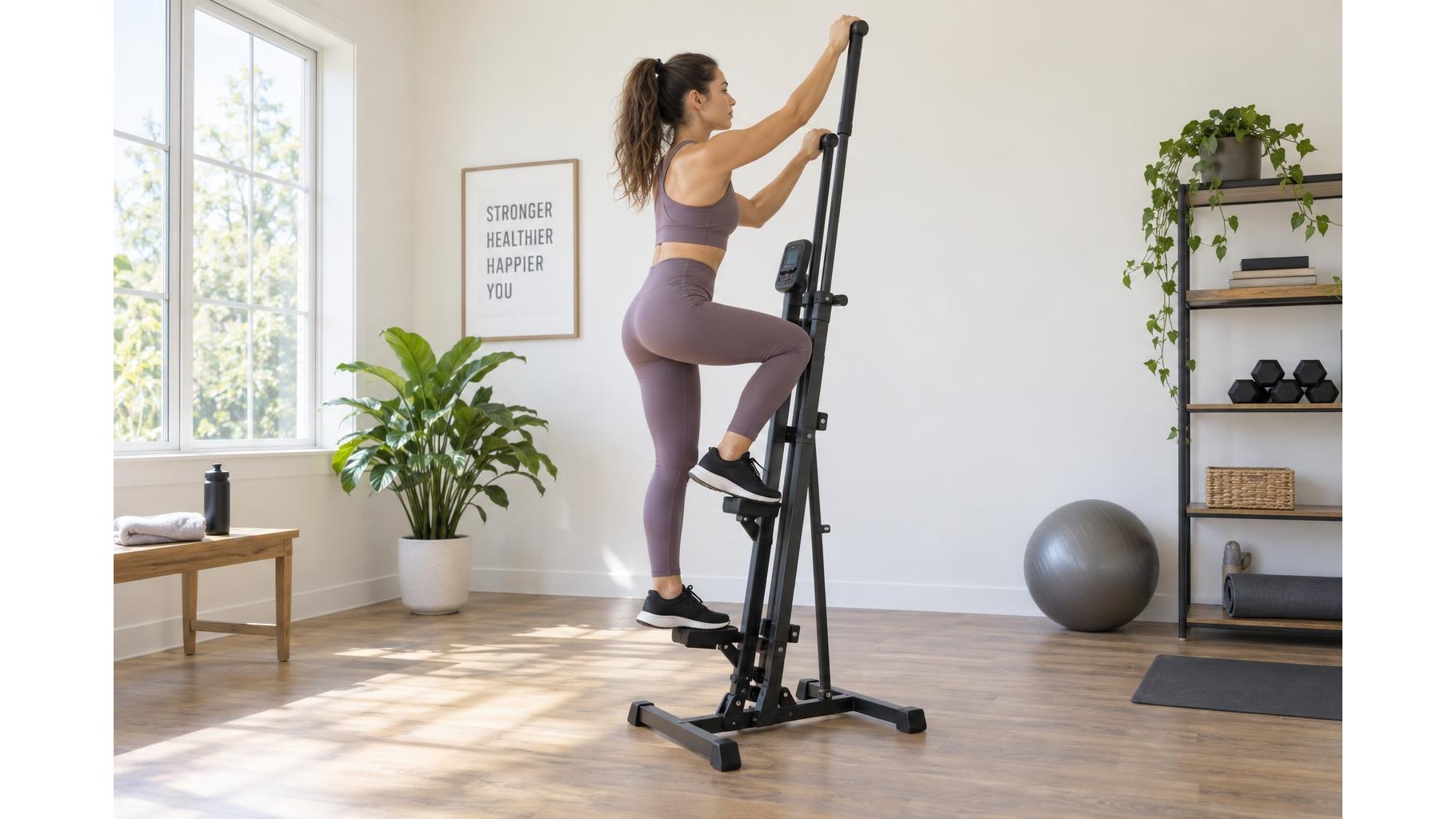
A vertical climber combines a climbing-style movement with a relatively small home-gym footprint. It can raise your heart rate while engaging your legs, arms and core, making it an appealing option when space is limited. But compact dimensions alone do not guarantee a good fit: stride, stability, resistance, noise and user-height limits all affect comfort and performance. Use this guide to judge whether a climber matches your room, body and cardio goals before you buy.
Measure the footprint and storage space
Check the machine’s assembled dimensions, then measure the intended workout area rather than relying on a product’s “compact” label. Leave room around the frame for safe mounting, stepping off and unrestricted arm movement. Also consider ceiling height: an upright climbing motion can bring hands and head higher than expected, particularly for taller users. If you plan to fold or store the unit between sessions, verify its folded dimensions, weight and whether it can be moved easily. Confirm that the storage route through doors and hallways is wide enough, too. Footprint should mean the space needed to use the climber, not just the floor area occupied when it is idle.
Match stride and user-height range
Stride length determines how far the pedals and handles travel on each repetition. A fixed stride may feel natural for one person but cramped or overextended for another, so look for a stated stride measurement and compare it with your height and preferred movement. Adjustable stride can make the climber more adaptable, although adjustments should be straightforward and secure. Check the manufacturer’s recommended user-height range and maximum user weight; these are practical fit and safety checks, not mere specifications. If possible, try the movement before buying. Your knees should track comfortably, and you should be able to reach the handles without hunching or locking your elbows.
Assess frame stability and construction
A climber’s frame should remain steady during vigorous, repeated movement. Look for a broad, balanced base, solid joints and clear assembly instructions. Product details may list frame materials, maximum user weight and levelling feet; these can help you compare models, but do not replace checking the machine in use. Loose fasteners or flex can affect confidence and may create unwanted noise over time, so inspect the assembly periodically. If the floor is uneven, adjustable feet can help level the frame. A stable machine should feel controlled through the full stroke, without rocking excessively as you shift between legs and arms.
Choose resistance and workout intensity
Some vertical climbers rely mainly on body weight and pace, while others provide adjustable resistance. Decide whether you want simple interval cardio or more control over workout difficulty. Resistance settings can help vary effort, but check how they are changed and whether the system suits your intended training. A climber can deliver demanding sessions even without complex programming: changing cadence, using timed intervals or maintaining a steady moderate pace all offer different training options. Consider whether the movement feels sustainable for the duration you plan to exercise. The best choice is one you can use consistently, rather than a machine with features that do not support your routine.
Check noise, maintenance and buying details
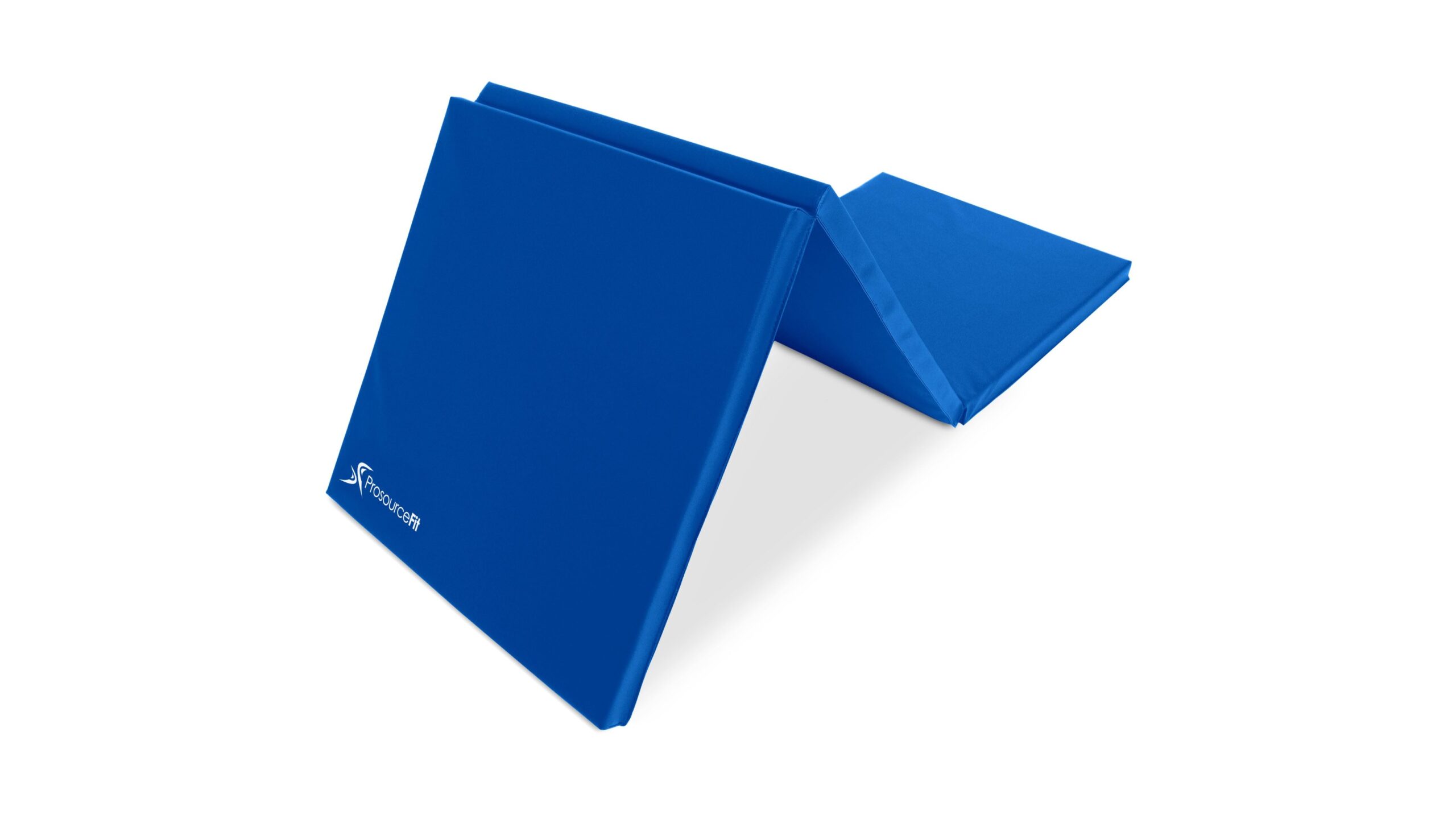
Noise matters in flats, shared homes and early-morning workouts. Moving joints, pedals and resistance mechanisms can produce sound, and online specifications may not describe how loud a machine feels in a real room. Read recent owner feedback for comments about squeaks, rattling and maintenance, and check whether lubrication or routine bolt tightening is recommended. Before ordering, review warranty coverage, returns, delivery arrangements and parts availability. These details are particularly important for equipment with moving components. A protective floor mat may reduce vibration and help protect flooring, but it cannot correct an unstable frame or poorly assembled machine.
Summary
A compact vertical climber is worth considering if you want space-conscious, full-body cardio and enjoy a climbing-style motion. Measure both the operating and storage area; confirm stride suitability, height and weight limits; and assess stability, resistance options and likely noise. Compare the practical details with your training goals and room, not just headline dimensions or feature lists. If you can test the movement and check the return policy, you will be better placed to choose a climber that feels comfortable, safe and usable over the long term.