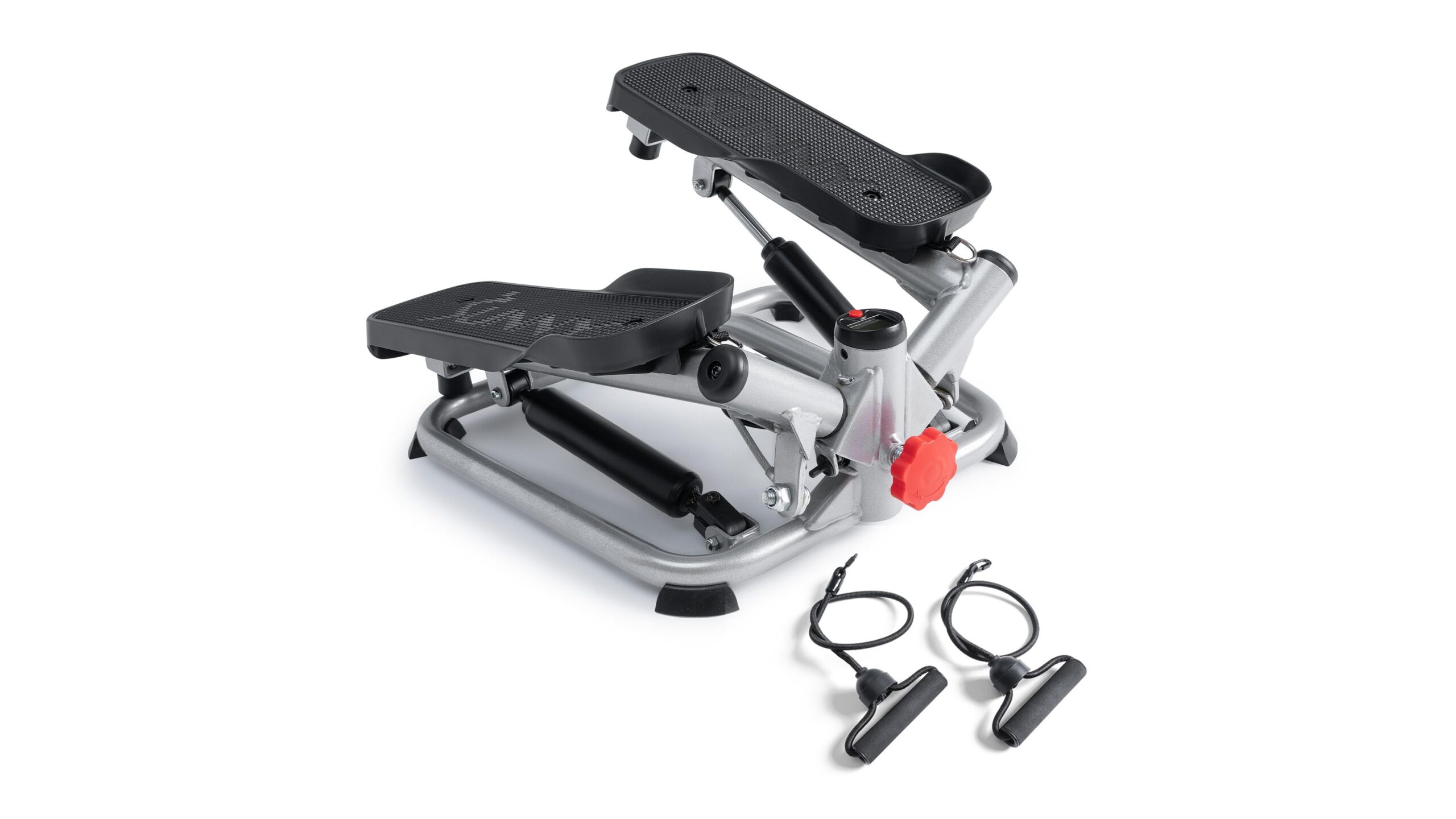
A mini stepper can make cardio easier to fit into a busy day, but a good session does not need to be fast or loud. With a stable setup, controlled stepping and a pace you can maintain, this compact machine can support a steady, low-impact workout at home. The aim is to move consistently, not to turn every session into an all-out effort.
Set up a stable, quiet workout space
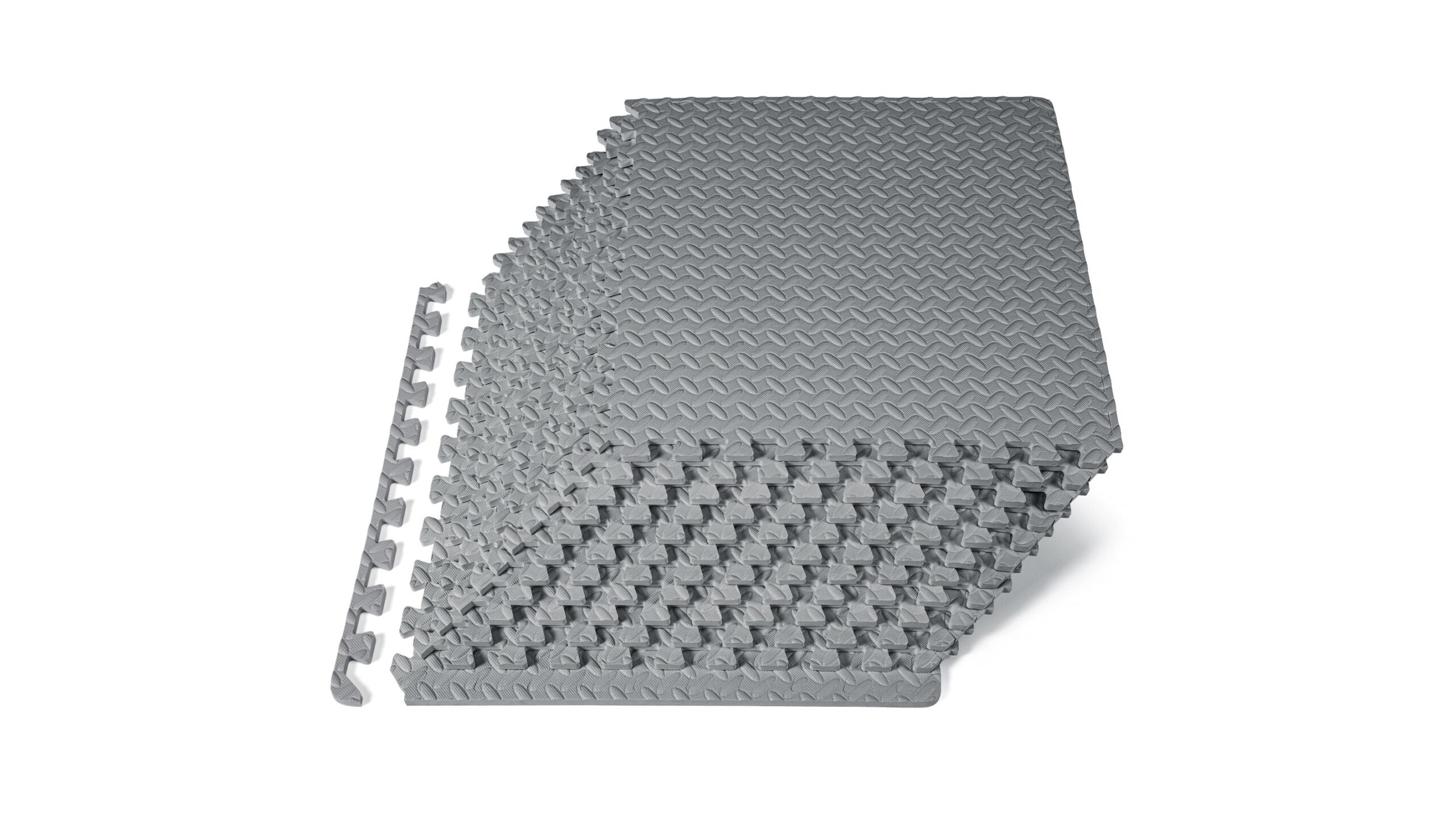
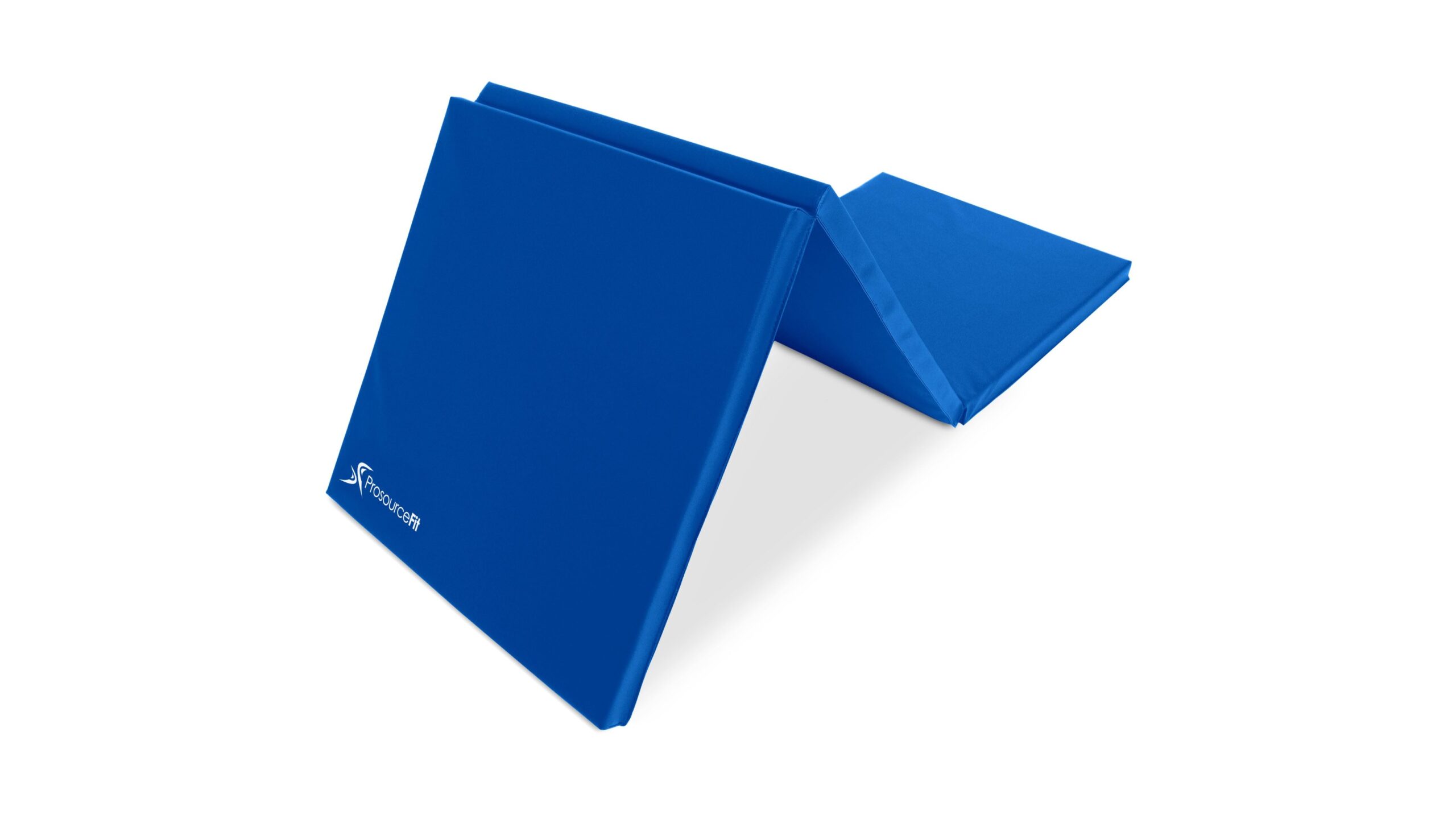
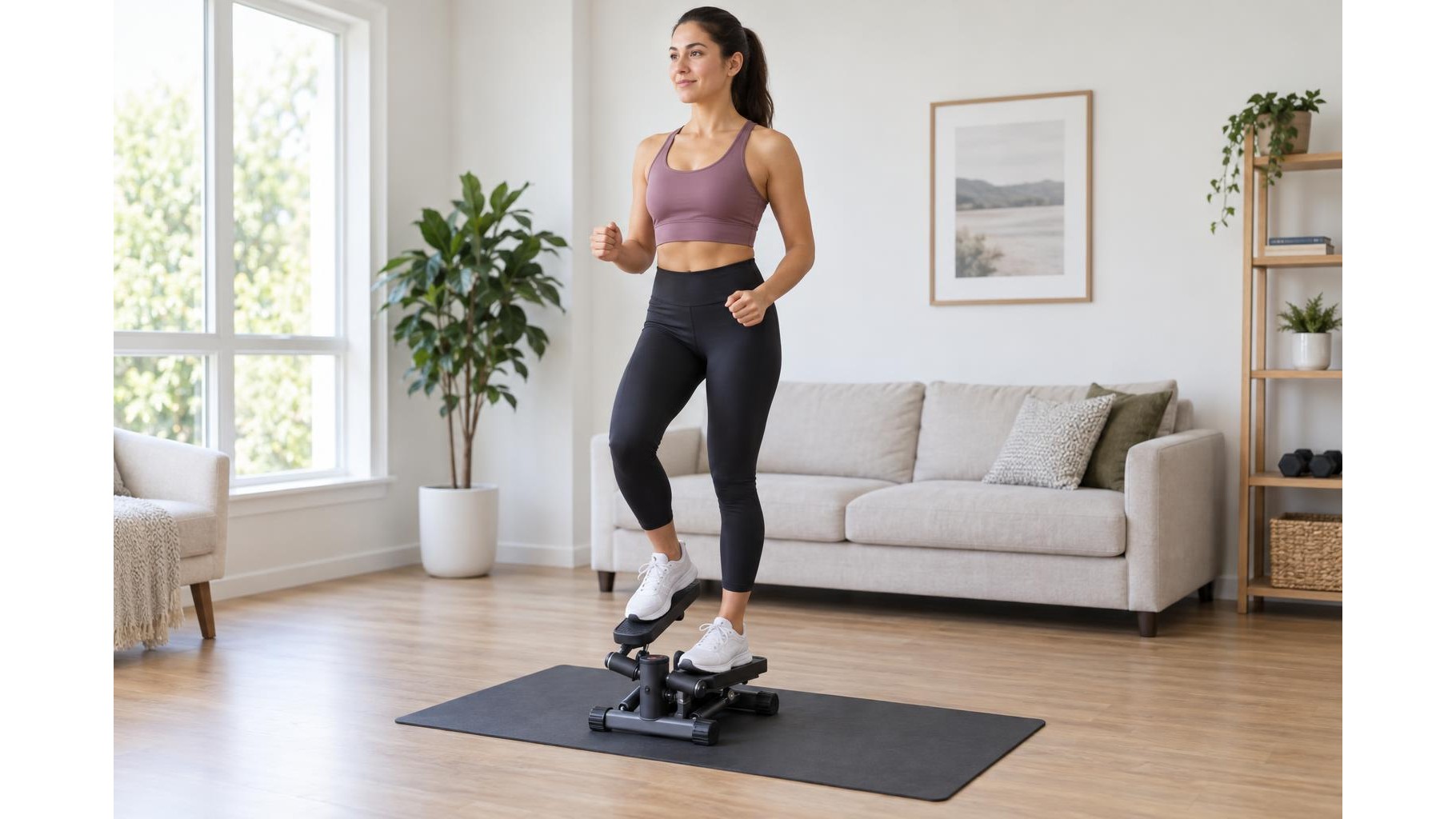
Place the stepper on a firm, level floor with enough room around it to step safely. A non-slip exercise mat may help protect the floor and reduce vibration, provided the machine remains stable on it. Check that the pedals and frame are secure before you begin, and keep the stepper away from rugs that bunch up or soft surfaces that wobble. Wear supportive shoes and, if balance is uncertain, position the machine near a sturdy wall or counter. Avoid leaning your full weight on furniture; use it only for light support when needed.
Find a sustainable pace
Start with a pace that lets you breathe comfortably and speak in short sentences. For many people, this moderate effort is more useful than racing through the steps: it makes it easier to maintain smooth movement and finish feeling capable of returning tomorrow. Begin with a few minutes of gentle stepping to warm up, then settle into a rhythm that feels controlled. If your breathing becomes strained or your movements turn hurried, slow down or pause. The right pace can change from day to day, so use your breathing and perceived effort rather than chasing a fixed speed.
Use controlled steps and good posture
Stand tall with your head lifted, shoulders relaxed and eyes facing forward. Keep your trunk steady and your knees softly bent rather than locking them at the top of each movement. Press each pedal down smoothly, then allow it to rise under control; avoid bouncing, stomping or forcing the pedals through their range. Keep your feet comfortably centred on the platforms and use a step depth that feels natural. Smaller, quieter movements are often easier to sustain and help keep the session low impact. If you feel pain, dizziness or unusual shortness of breath, stop and reassess.
Add simple intervals without overdoing it
Intervals can add variety without requiring an exhausting workout. After warming up, alternate one or two minutes at your comfortable baseline pace with 30 to 60 seconds of slightly quicker stepping. The faster segment should still feel controlled: keep your posture steady and your steps quiet. Repeat the pattern a few times, then finish at an easy pace. If you are new to exercise, begin with just one or two faster intervals. You can also vary the rhythm by taking a brief recovery break between rounds instead of increasing speed.
Choose a realistic duration and progress gradually
Start with a session that fits your current fitness and schedule. Ten minutes can be a useful beginning, including a gentle warm-up and cool-down; build toward longer sessions only when the shorter ones feel comfortable. Progress one element at a time: add a few minutes, include another interval, or step slightly more briskly, but avoid changing everything at once. Leave room for rest and other forms of movement during the week. Consistency matters more than a single demanding workout, and a manageable plan is easier to repeat.
For a quiet, low-impact mini stepper session, prioritise a stable setup, relaxed posture and smooth, controlled steps. Use a conversational pace as your foundation, add brief intervals only when they feel manageable, and increase duration or effort gradually. The best session is one you can complete safely and return to regularly.