Buying a home treadmill, exercise bike or rowing machine online can be a smart move, but only if you understand the small print. A glossy product page often highlights speed, resistance levels and smart features, while the warranty details are hidden in a PDF no one reads. Yet those terms decide who pays when a motor fails, a frame cracks or a console dies after 18 months. This guide explains how home cardio warranties work and what you should always check before you click “buy”.
Why cardio equipment warranties matter more than specs
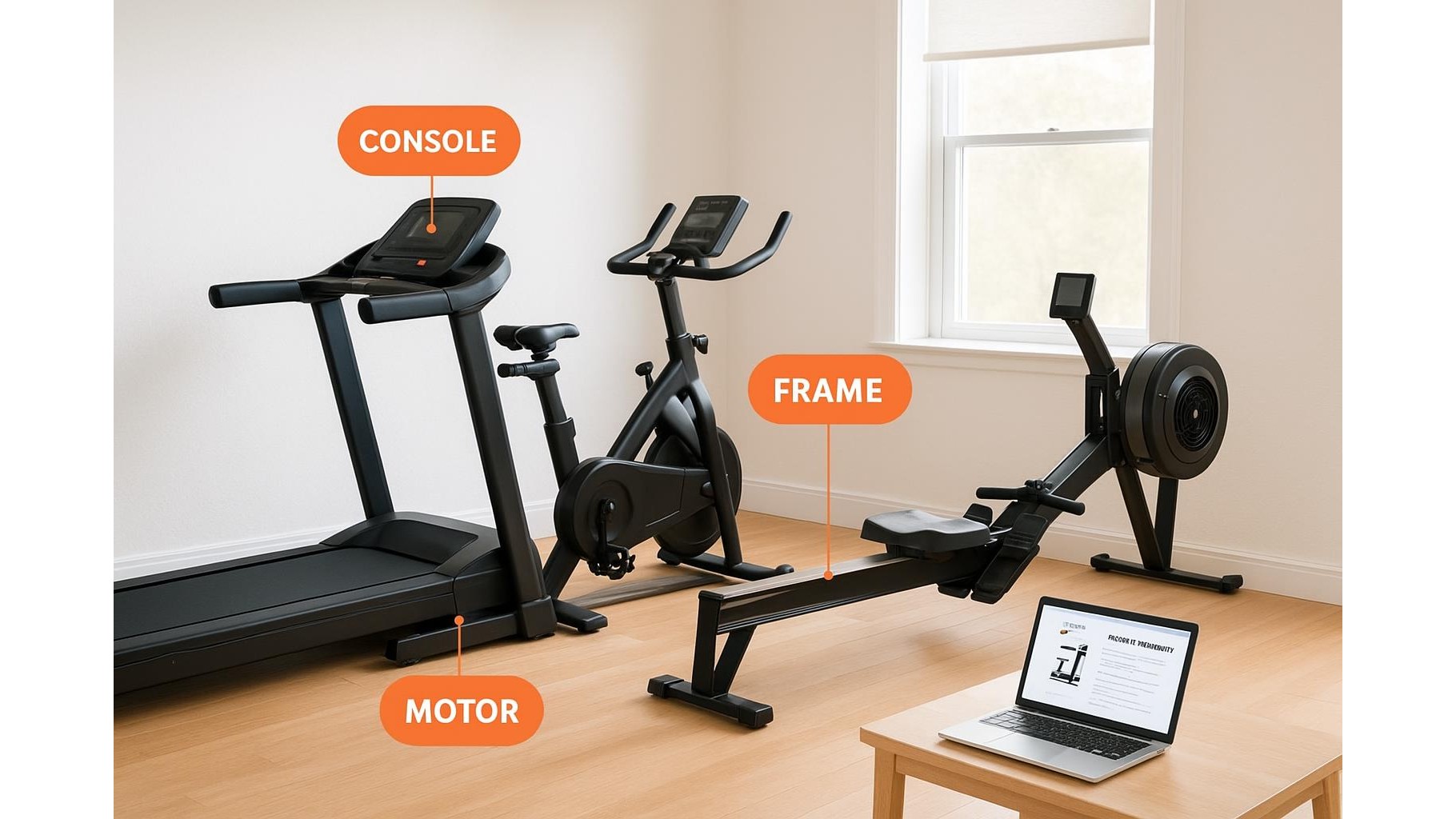
With home cardio equipment, the real test starts after the first year of use. Motors wear, belts stretch, bearings loosen and touchscreens can glitch. A solid warranty is effectively an insurance policy on the parts most likely to fail. For online purchases, it is even more important, because you can’t easily go back to a local shop for help. Look for clear coverage on the frame, the motor or drive system and the electronics. If any of these categories is missing or vaguely described, assume you will be paying for repairs yourself sooner than you think.
Frame and structure: lifetime warranty or not?
The frame is the backbone of any treadmill, bike or rower. Many quality brands now advertise a “lifetime” frame warranty, but the definition is rarely your lifetime – it is usually the “reasonable life” of the product or the period they keep parts available. Check whether the frame warranty covers cracking, bending or weld failures, and whether it is valid for home use only (most are void if used in a gym or shared space). Be wary of short frame cover such as 2–3 years on heavy machines: that often signals lighter construction. Also confirm whether the warranty includes the deck on a treadmill or the rails on a rower, as some brands treat these as separate wear parts.
Motors, drive systems and resistance units
On a treadmill, the motor and belt are high‑stress components; on bikes and rowers, it is the resistance unit and bearings. Good online offers will spell out separate coverage for the motor or drive system (for example 5 years) versus general parts. Short 1–2 year motor cover on a mid‑range treadmill is a red flag. Also check what counts as a wear part: belts, running decks, pedals and brake pads are often excluded or only covered for a very short period. When buying online, download the warranty document and read the section on “exclusions” carefully – that is where you will discover that mis‑tensioned belts, poor lubrication or using the wrong power supply can void your claim.
Electronics, consoles and connectivity issues
Modern home cardio machines are packed with electronics: touchscreens, Bluetooth, app connectivity and heart‑rate sensors. Yet these are often covered for the shortest time, typically 12–24 months. Before buying a treadmill or bike online, check whether the console and internal electronics have the same warranty length as the rest of the machine, and whether software issues are included. Some brands only cover hardware faults, not problems caused by app updates or discontinued online services. Also look at how service is delivered: will the brand send parts and let you fit them, arrange a home visit, or require you to ship the console back at your cost? For heavy machines, requiring you to send the whole unit back is a major drawback.
Online purchase pitfalls: registration, proof and returns
Online deals often come with hidden conditions. Many manufacturers require you to register your product within a set number of days to activate the full warranty; if you skip this step, you may only get basic legal protection. Keep your digital invoice and order confirmation emails in a safe place, because warranty claims usually require proof of purchase from an authorised retailer. Check who you are actually buying from on the marketplace: the brand itself, or a third‑party seller. Some brands refuse warranty support on products sold through unauthorised channels. Finally, read the returns and shipping policy – a “free returns” badge may not apply to bulky fitness equipment, and collection fees can be substantial if you change your mind.
How to compare warranties before you click “buy”
Before committing to any home treadmill, bike or rower online, make a simple comparison table including frame warranty, motor/drive warranty, electronics warranty, and labour or call‑out period. Prioritise brands that clearly list years of cover for each area and make their full terms easy to download. Look for service networks in your region, not just a generic email address. If anything seems unclear – such as who pays for shipping on large items – contact customer support and keep a copy of their reply. Investing an extra 10 minutes in checking the warranty can save you hundreds of pounds and weeks of frustration over the life of your home cardio machine.
Understanding what is really covered by a home cardio warranty helps you judge value beyond headline specs and discounts. By checking frame, motor and electronics terms, reading the exclusions and knowing how service is delivered for online purchases, you can choose a treadmill, bike or rower that will be supported for years rather than months. When warranties are clear and generous, it usually reflects a brand that expects its machines to last – and that is exactly what you want in your home gym.